Brown-Borg Holly M
Department of Biomedical Sciences, University of North Dakota School of Medicine and Health Sciences, Grand Forks, North Dakota.
Ann N Y Acad Sci. 2016 Jan;1363:40-9. doi: 10.1111/nyas.12971. Epub 2015 Dec 8.
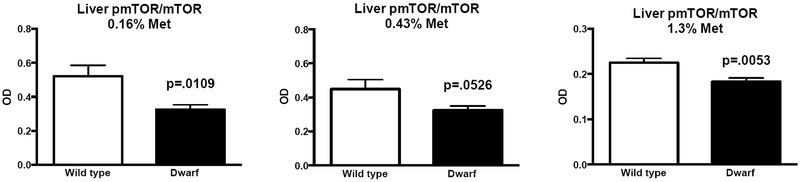
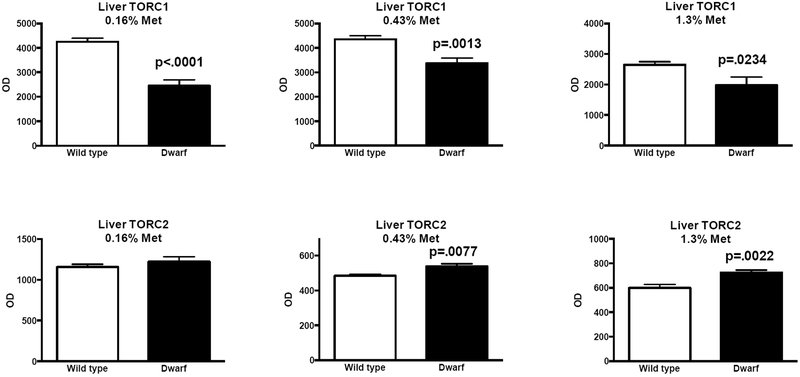
Interventions that improve health are often associated with longevity. Reduced growth hormone signaling has been shown to increase life span in mice by over 50%. Similarly, reductions in dietary intake of methionine, in rats and mice, result in life-span extension. Many factors affect metabolic health, mitochondrial function, and resistance to stressors, each of which influence aging and life span. This paper presents a comparison of these two interventions, as well as the results of a study combining these interventions, to understand potential mechanisms underlying their effectiveness in enhancing healthy aging.
改善健康的干预措施通常与长寿相关。已证明减少生长激素信号可使小鼠寿命延长50%以上。同样,在大鼠和小鼠中减少蛋氨酸的饮食摄入量会导致寿命延长。许多因素会影响代谢健康、线粒体功能和对应激源的抵抗力,每一个因素都会影响衰老和寿命。本文对这两种干预措施以及将这两种干预措施结合起来的一项研究结果进行了比较,以了解它们在促进健康衰老方面有效性的潜在机制。