Bauquier J R, Forbes G, Nath L, Tudor E, Bailey S R
Faculty of Veterinary and Agricultural Sciences, University of Melbourne, Parkville, Vic., Australia.
J Vet Intern Med. 2016 Jan-Feb;30(1):260-8. doi: 10.1111/jvim.13811. Epub 2015 Dec 18.
Acute gastrointestinal disease occurs commonly in horses. Novel biomarkers might improve the understanding of SIRS and aid diagnosis and determination of prognosis.
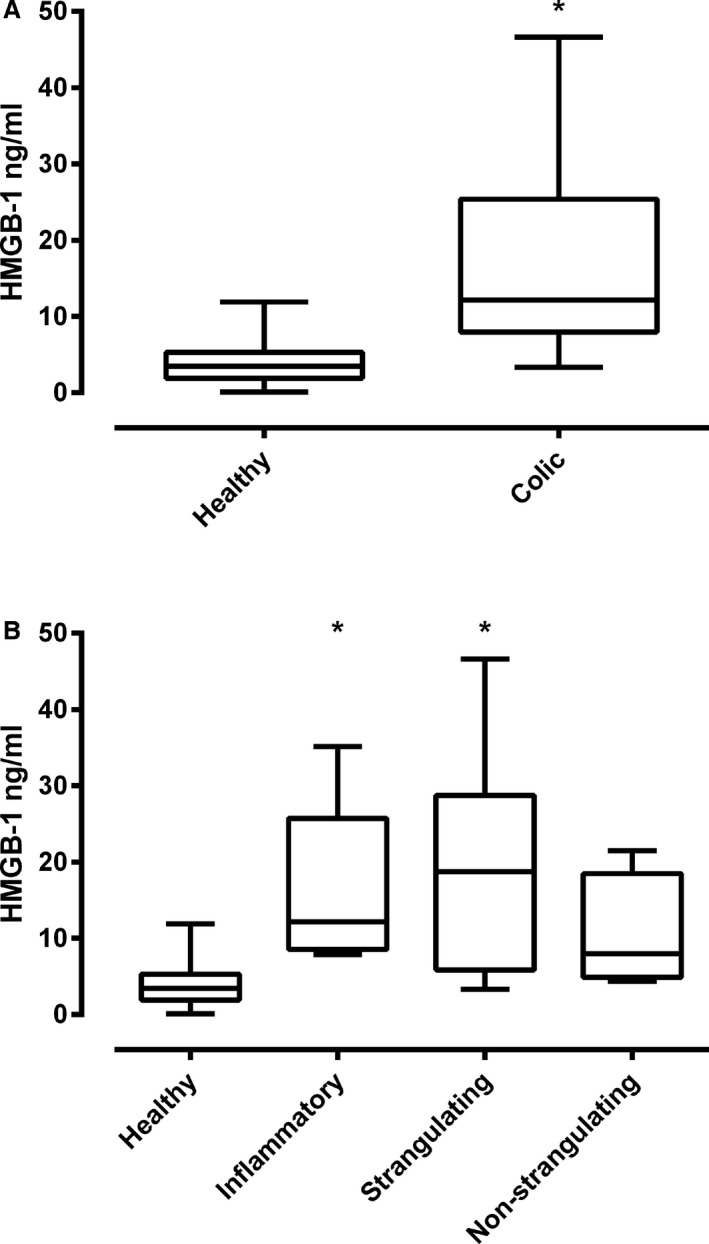
Increased plasma concentrations of the biomarkers HMGB-1 and nucleosomes are associated with severity of gastrointestinal lesions in horses; concentrations of these biomarkers will be greater in horses with lesions more likely to cause SIRS; and will provide additional information compared with standard biomarkers fibrinogen and SAA.
Thirty horses with gastrointestinal disease, 22 healthy horses.
Prospective study. Plasma samples taken on admission were used for measurement of HMGB-1, nucleosomes, fibrinogen, and SAA. Values were compared between healthy horses and those with gastrointestinal disease, and between horses with gastrointestinal disease grouped by lesion type (inflammatory, strangulating, and nonstrangulating). Correlations between biomarkers were assessed.
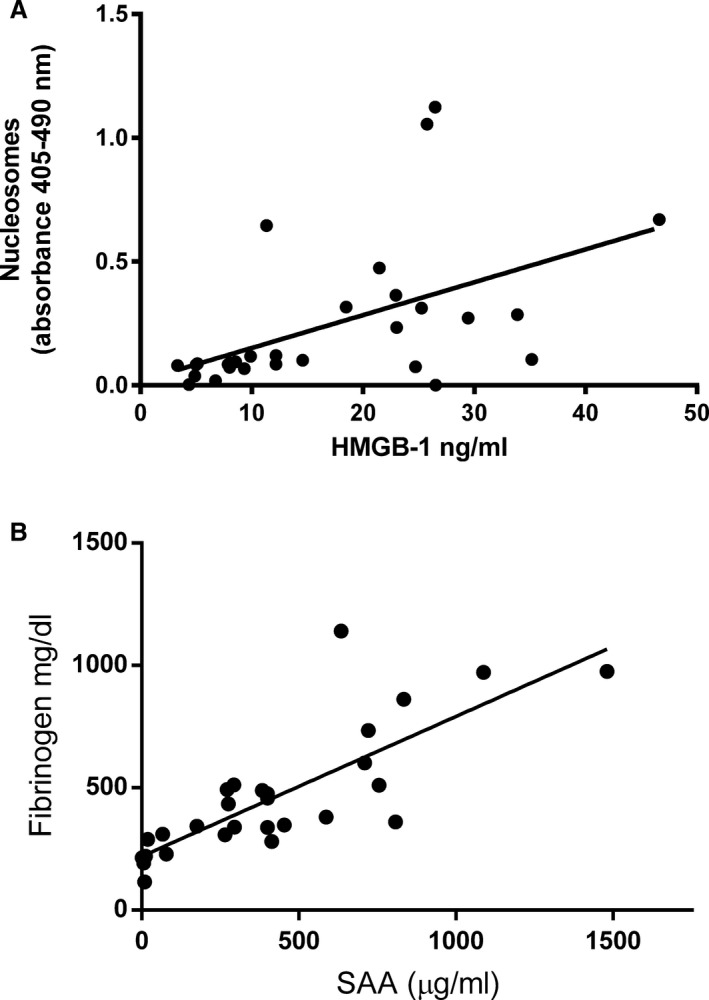
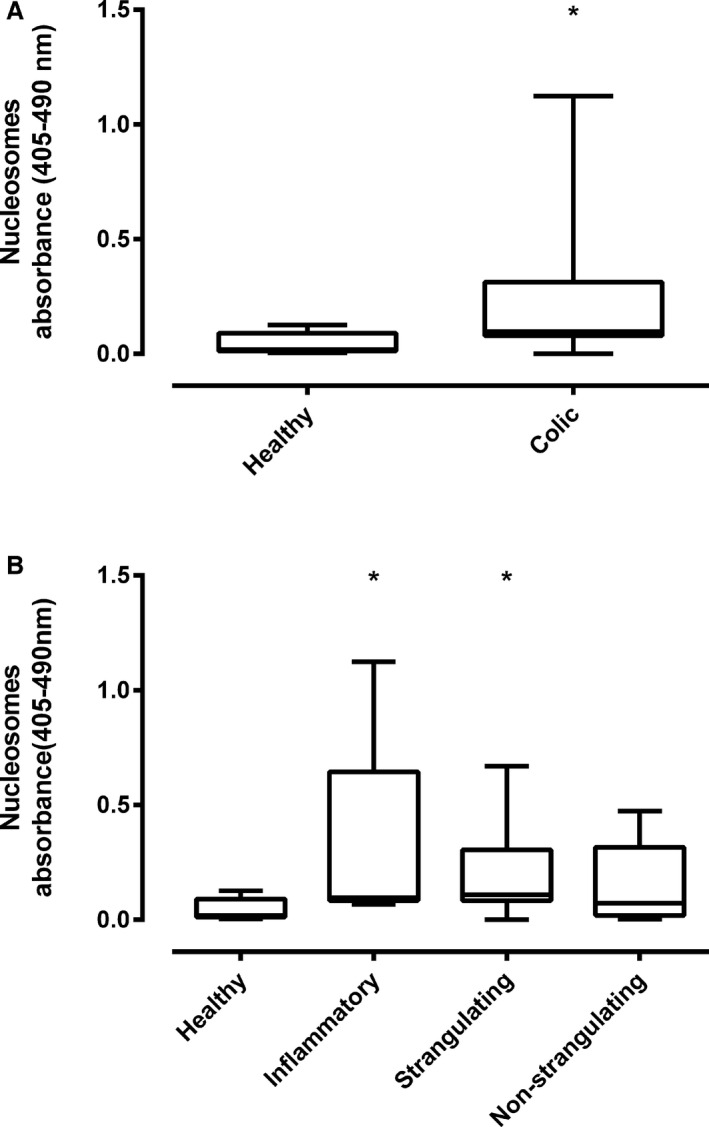
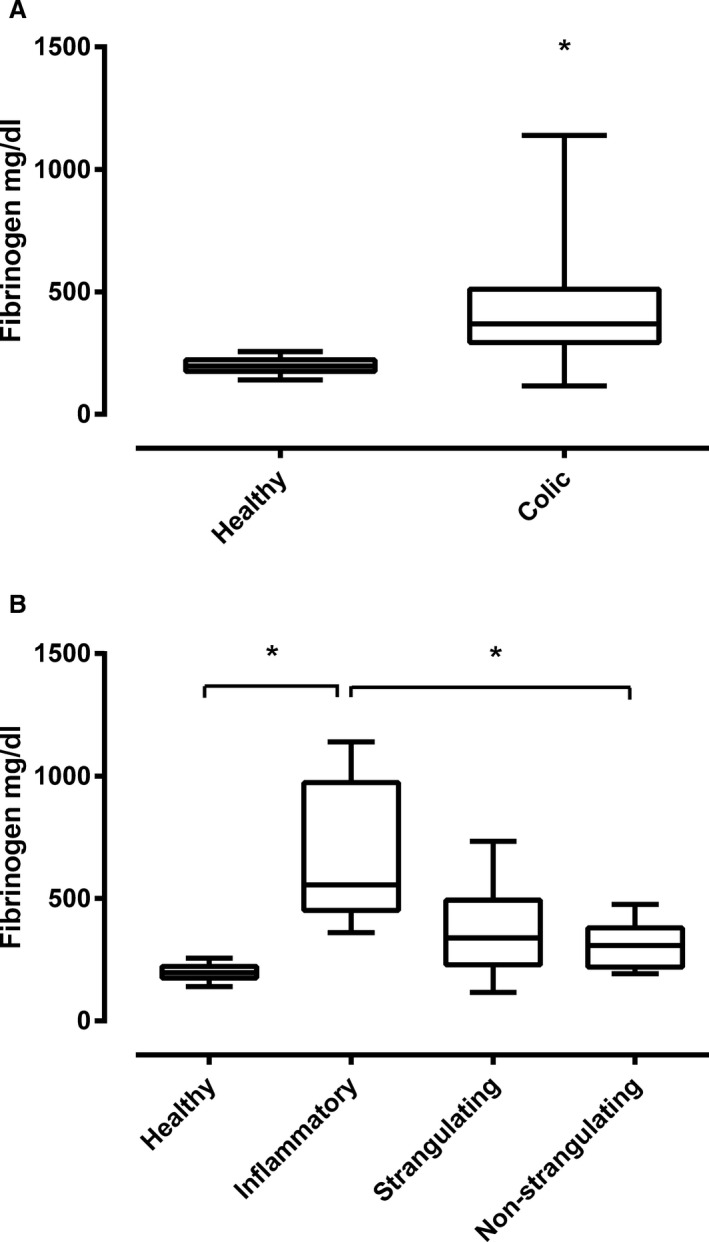
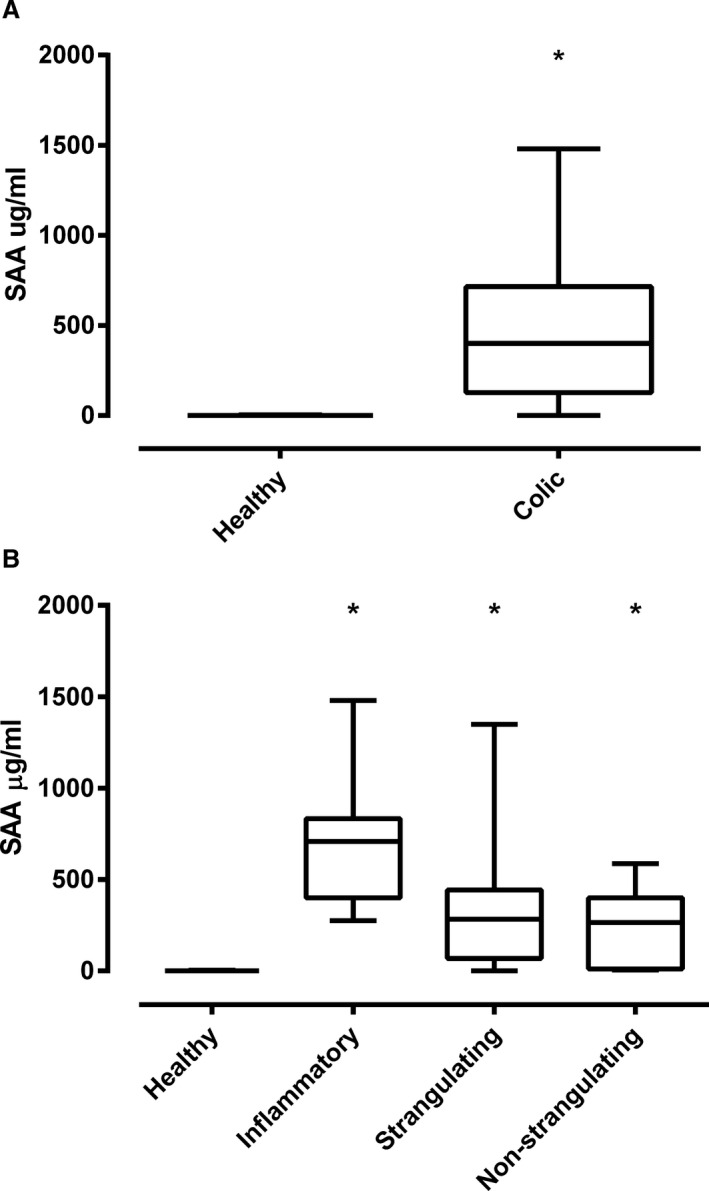
Plasma concentrations of all biomarkers were significantly higher in horses with gastrointestinal disease compared to healthy horses (P ≤ .001). HMGB-1 and nucleosomes were significantly higher in inflammatory and strangulating groups compared to healthy horses (3.5-fold and 5.4-fold increases, respectively, for HMGB-1 (P < .05) and 4.8-fold and 5.6-fold increases for nucleosomes (P < .05)), but concentrations in the group with nonstrangulating disease did not differ from healthy horses. There was significant correlation between HMGB-1 and nucleosomes (Spearman's r = 0.623; P < .001), and fibrinogen and SAA (Spearman's r = 0.801; P < .001) but not between other biomarkers.
High mobility group box-1 and nucleosomes might have use as biomarkers for horses with gastrointestinal disease. Further studies are required to determine kinetics and prognostic value of serial measurements of these biomarkers in horses.
急性胃肠疾病在马匹中很常见。新型生物标志物可能有助于加深对全身炎症反应综合征(SIRS)的理解,并辅助诊断和预后判定。
生物标志物高迁移率族蛋白B1(HMGB-1)和核小体的血浆浓度升高与马匹胃肠道病变的严重程度相关;这些生物标志物在更易引发SIRS的病变马匹中的浓度更高;并且与标准生物标志物纤维蛋白原和血清淀粉样蛋白A(SAA)相比,能提供更多信息。
30匹患有胃肠疾病的马,22匹健康马。
前瞻性研究。入院时采集的血浆样本用于检测HMGB-1、核小体、纤维蛋白原和SAA。比较健康马与患有胃肠疾病的马之间以及按病变类型(炎症性、绞窄性和非绞窄性)分组的患有胃肠疾病的马之间的检测值。评估生物标志物之间的相关性。
与健康马相比,患有胃肠疾病的马的所有生物标志物的血浆浓度均显著更高(P≤0.00)。与健康马相比,炎症性和绞窄性组中的HMGB-1和核小体显著更高(HMGB-1分别升高3.5倍和5.4倍(P<0.05),核小体分别升高4.8倍和5.6倍(P<0.05)),但非绞窄性疾病组中的浓度与健康马无差异。HMGB-1与核小体(斯皮尔曼相关系数r=0.623;P<0.001)以及纤维蛋白原与SAA(斯皮尔曼相关系数r=0.801;P<0.001)之间存在显著相关性,但其他生物标志物之间无相关性。
高迁移率族蛋白B1和核小体可能用作患有胃肠疾病马匹的生物标志物。需要进一步研究以确定这些生物标志物在马匹中的连续测量的动力学和预后价值。