Kwok Albert, McCarthy David, Hart Stephen L, Tagalakis Aristides D
Experimental and Personalised Medicine Section, UCL Institute of Child Health, University College London, 30 Guilford Street, London, WC1N 1EH, UK.
UCL School of Pharmacy, 29-39 Brunswick Square, London, WC1N 1AX, UK.
Chem Biol Drug Des. 2016 May;87(5):747-63. doi: 10.1111/cbdd.12709. Epub 2016 Feb 1.
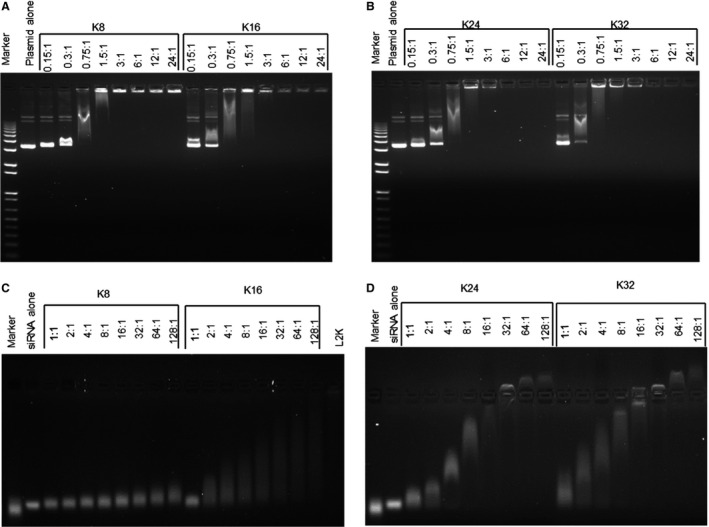
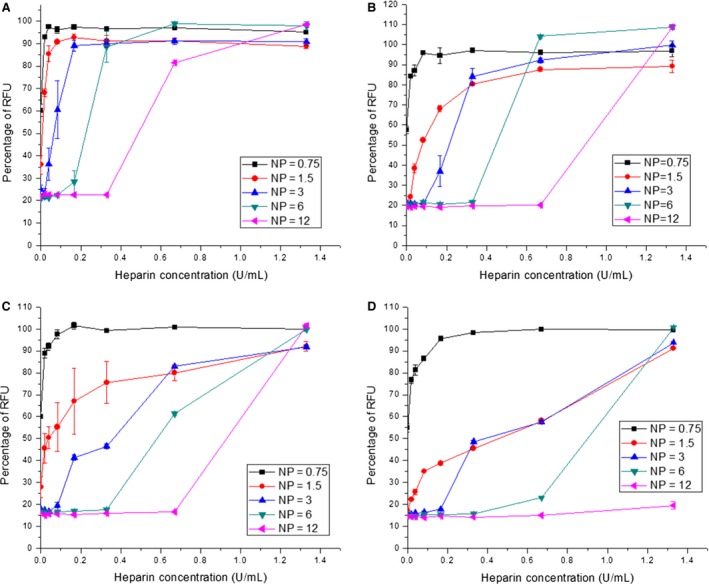
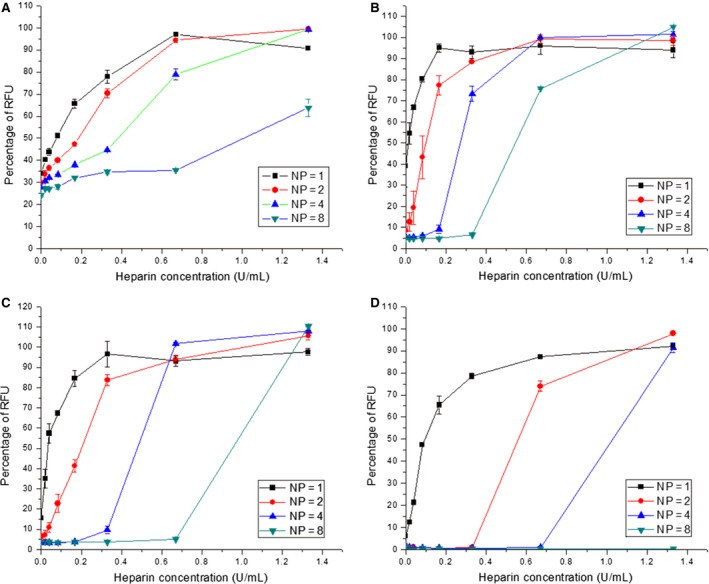
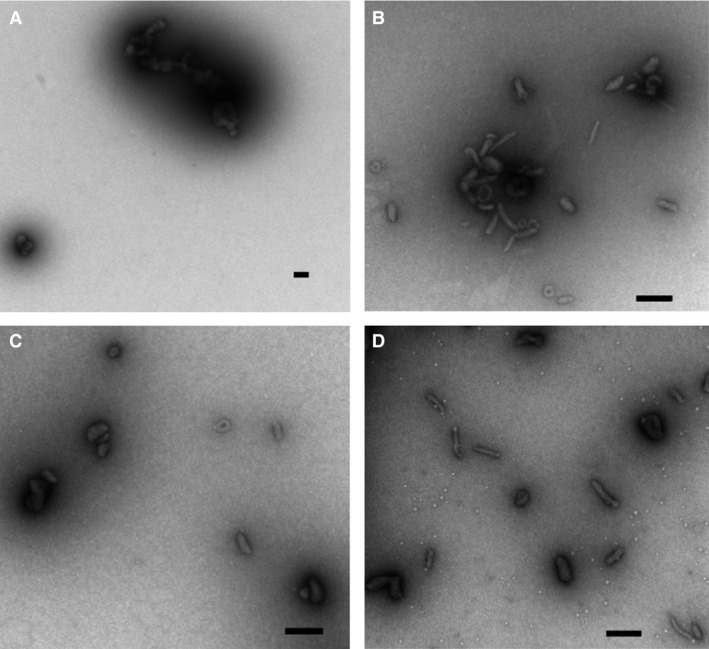
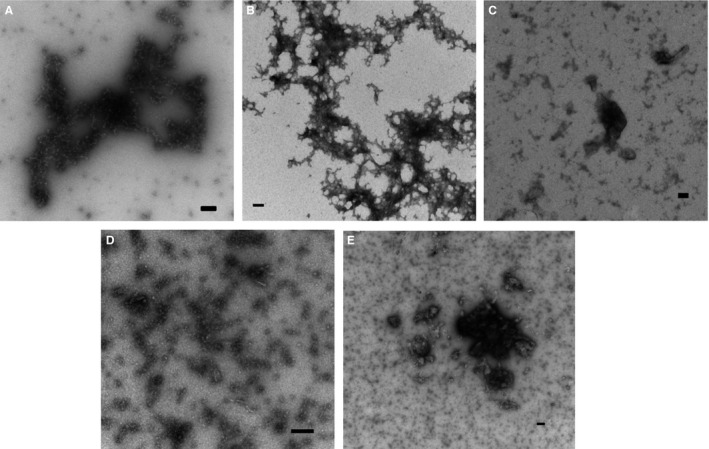
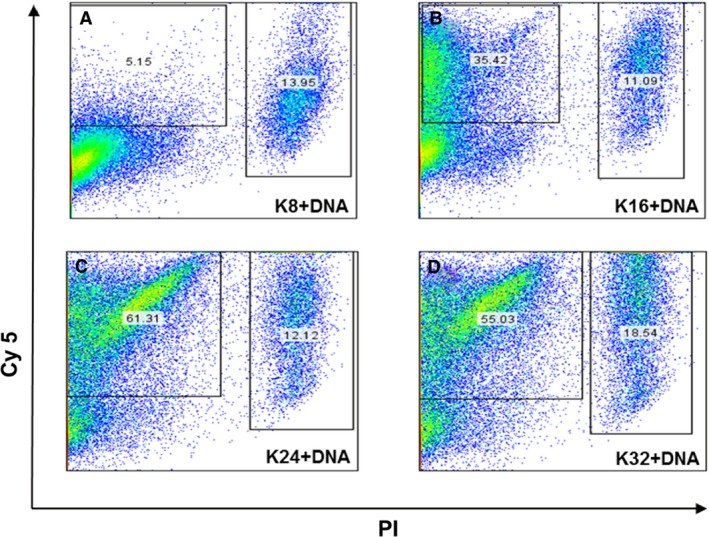
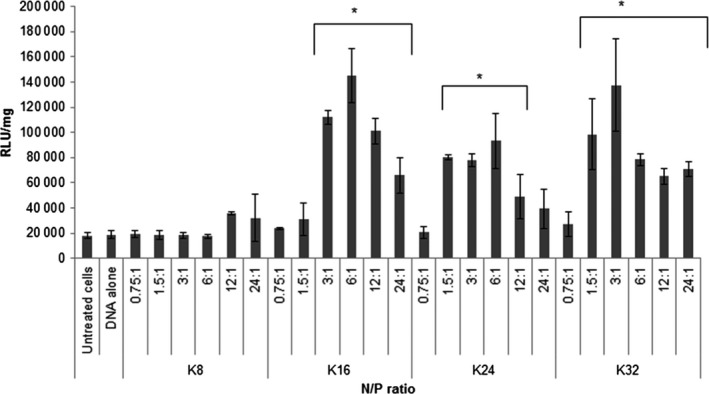
The effects of lysine peptide lengths on DNA and siRNA packaging and delivery were studied using four linear oligolysine peptides with 8 (K8), 16 (K16), 24 (K24) and 32 (K32) lysines. Oligolysine peptides with 16 lysines or longer were effective for stable monodisperse particle formation and optimal transfection efficiency with plasmid DNA (pDNA), but K8 formulations were less stable under anionic heparin challenge and consequently displayed poor transfection efficiency. However, here we show that the oligolysines were not able to package siRNA to form stable complexes, and consequently, siRNA transfection was unsuccessful. These results indicate that the physical structure and length of cationic peptides and their charge ratios are critical parameters for stable particle formation with pDNA and siRNA and that without packaging, delivery and transfection cannot be achieved.
使用含有8个(K8)、16个(K16)、24个(K24)和32个(K32)赖氨酸的四种线性寡聚赖氨酸肽,研究了赖氨酸肽长度对DNA和小干扰RNA(siRNA)包装及递送的影响。含有16个或更多赖氨酸的寡聚赖氨酸肽对于与质粒DNA(pDNA)形成稳定的单分散颗粒以及实现最佳转染效率是有效的,但K8制剂在阴离子肝素挑战下稳定性较差,因此转染效率较低。然而,我们在此表明,寡聚赖氨酸无法包装siRNA以形成稳定的复合物,因此,siRNA转染未成功。这些结果表明,阳离子肽的物理结构和长度及其电荷比是与pDNA和siRNA形成稳定颗粒的关键参数,并且如果没有包装,就无法实现递送和转染。