Dagostin André A, Lovell Peter V, Hilscher Markus M, Mello Claudio V, Leão Ricardo M
Department of Physiology, School of Medicine of Ribeirão Preto, University of São Paulo Ribeirão Preto, Brazil.
Department of Behavioral Neuroscience, Oregon Health and Science University, Portland OR, USA.
Front Cell Neurosci. 2015 Dec 10;9:471. doi: 10.3389/fncel.2015.00471. eCollection 2015.
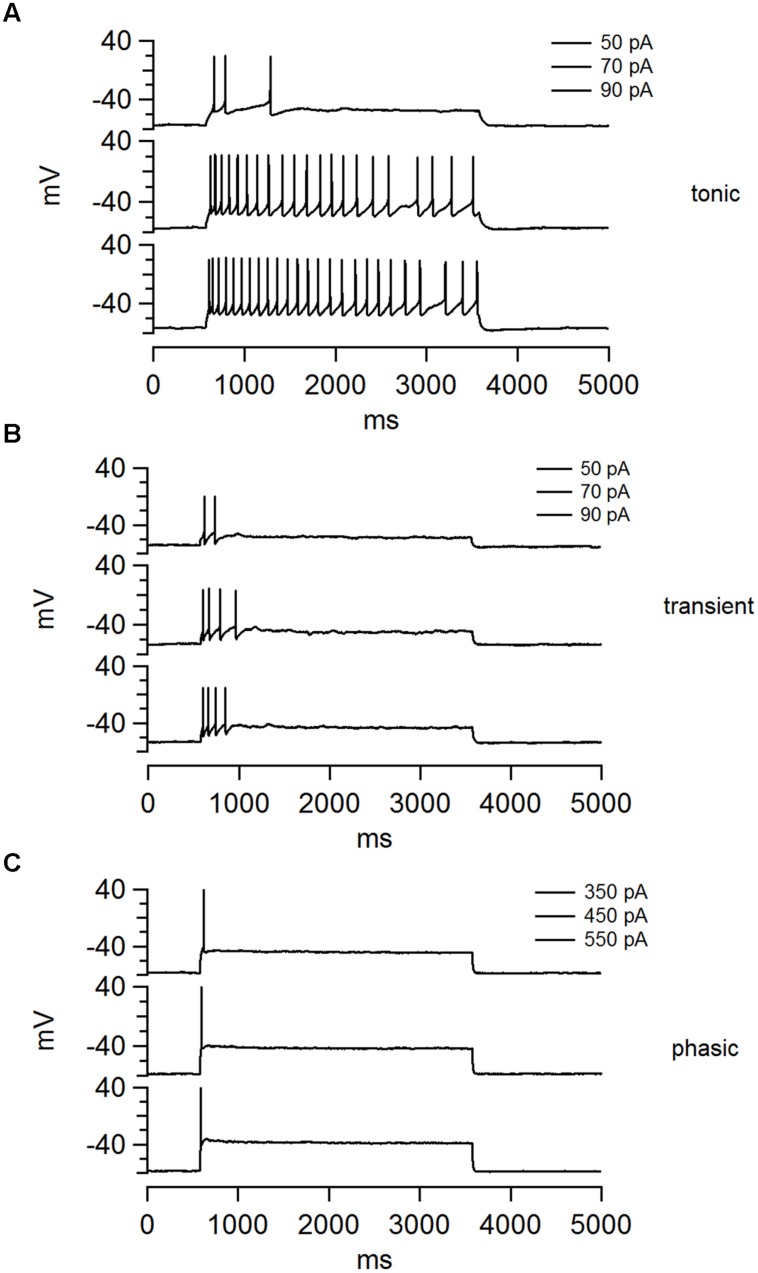
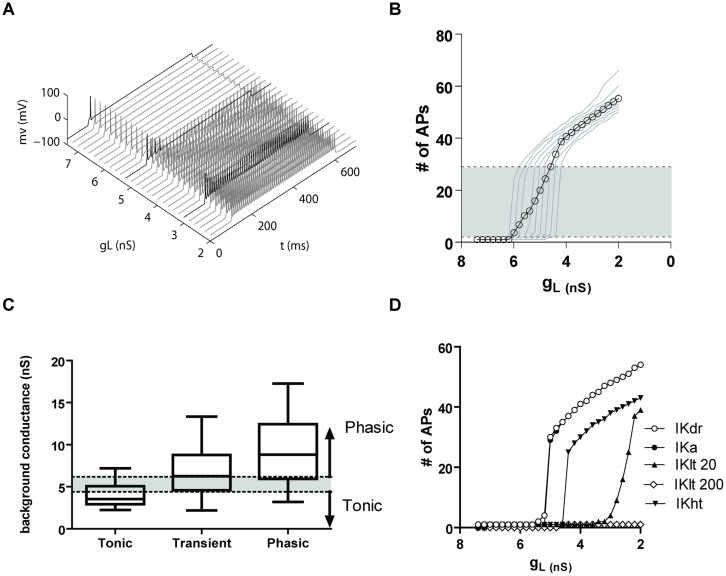
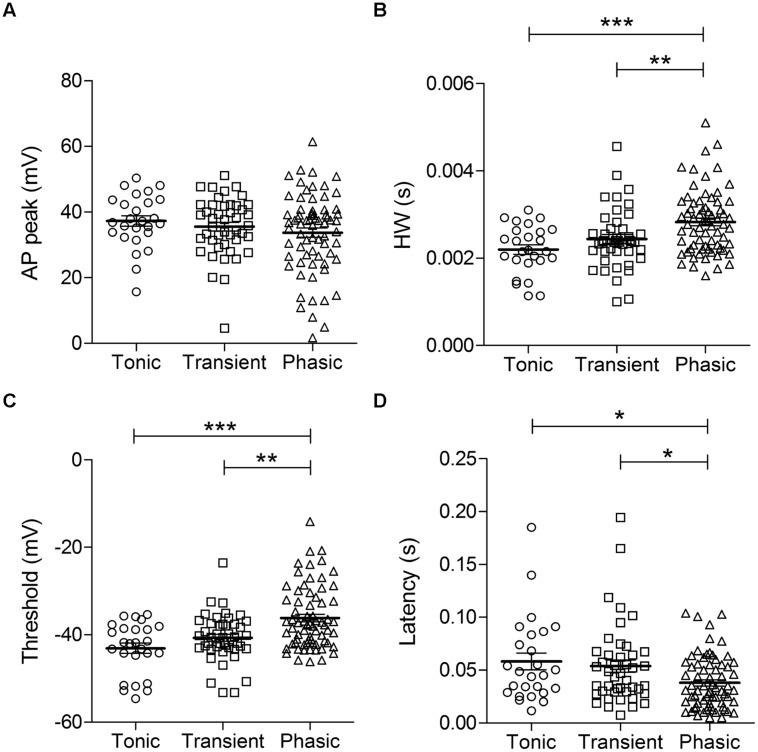
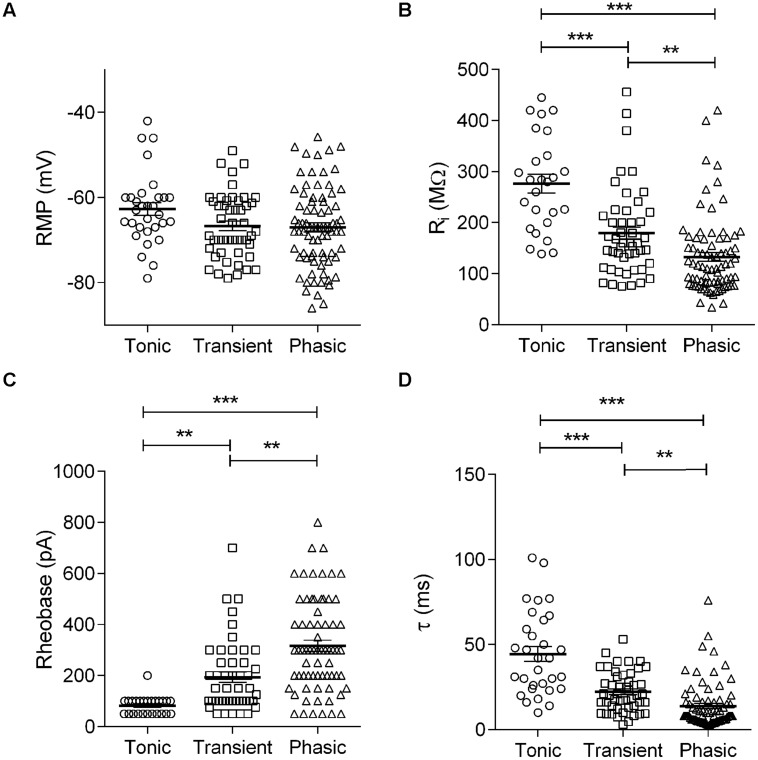
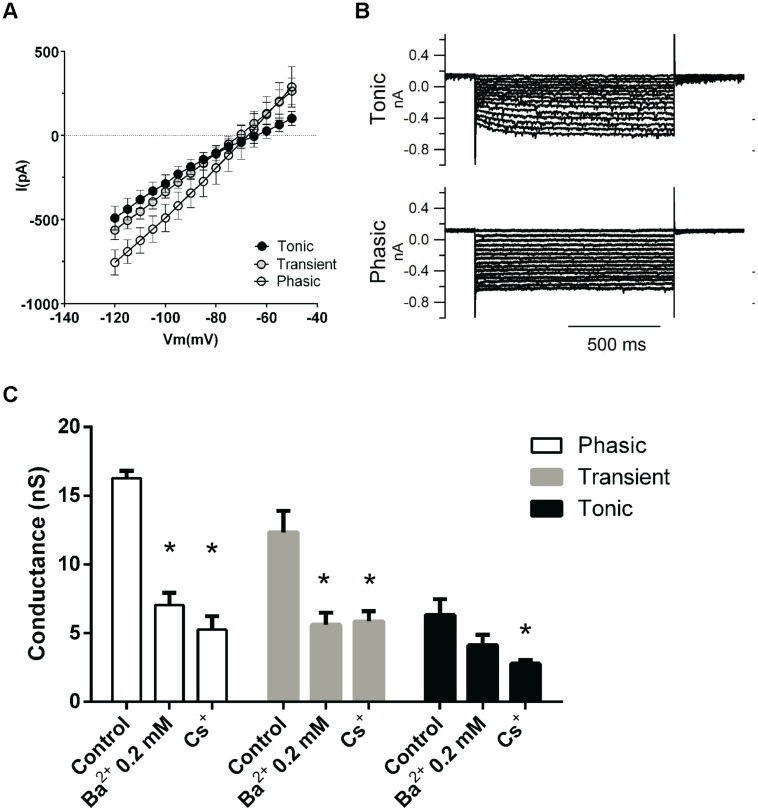
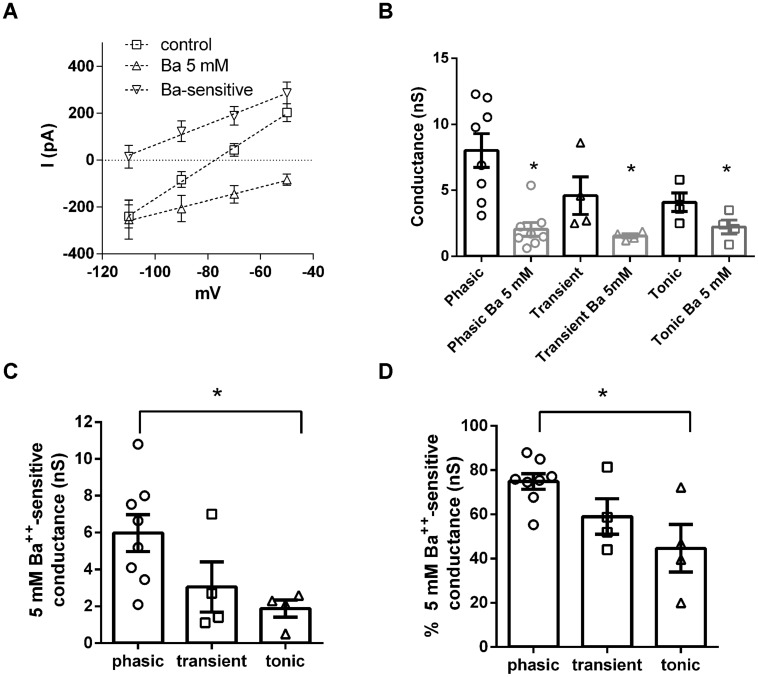
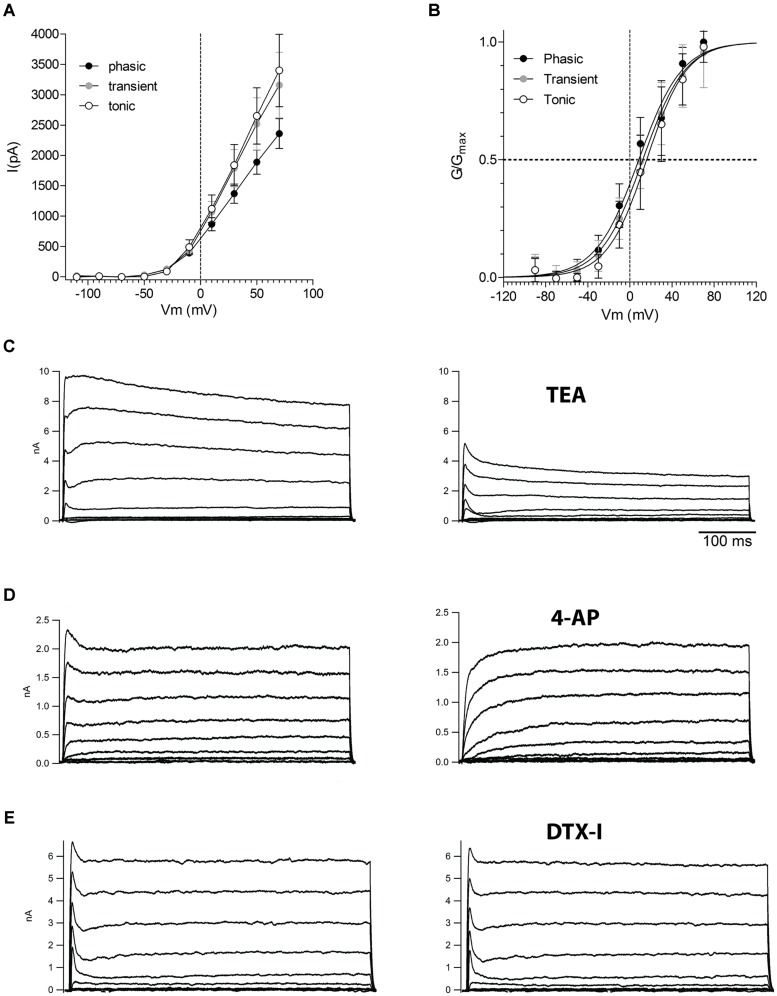
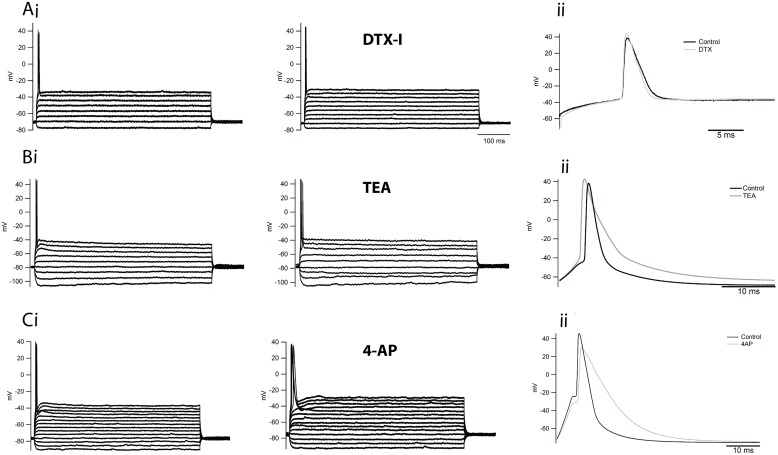
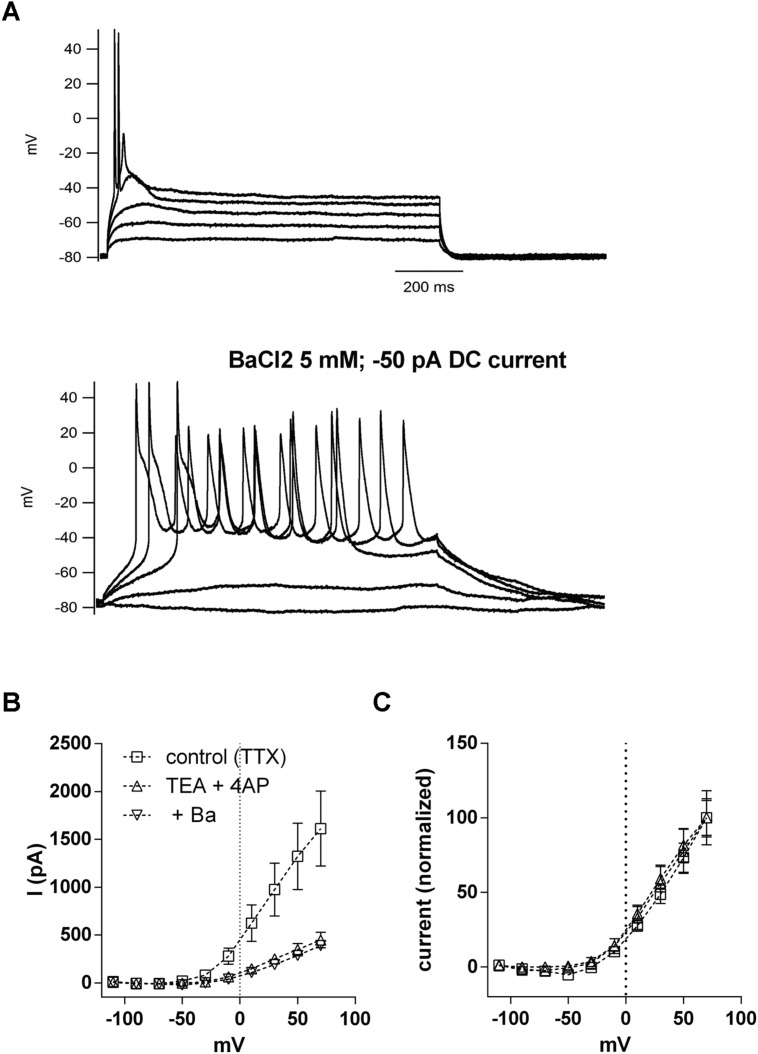
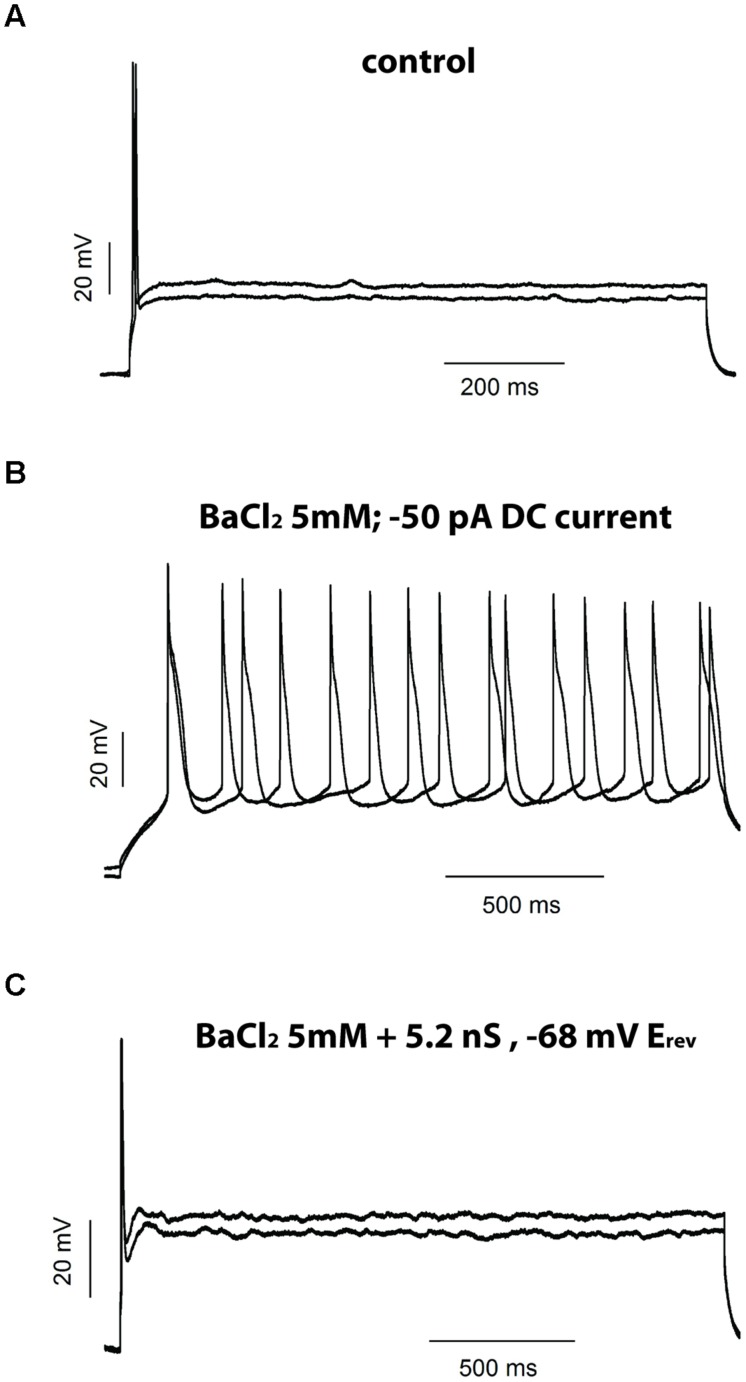
Central neurons express a variety of neuronal types and ion channels that promote firing heterogeneity among their distinct neuronal populations. Action potential (AP) phasic firing, produced by low-threshold voltage-activated potassium currents (VAKCs), is commonly observed in mammalian brainstem neurons involved in the processing of temporal properties of the acoustic information. The avian caudomedial nidopallium (NCM) is an auditory area analogous to portions of the mammalian auditory cortex that is involved in the perceptual discrimination and memorization of birdsong and shows complex responses to auditory stimuli We performed in vitro whole-cell patch-clamp recordings in brain slices from adult zebra finches (Taeniopygia guttata) and observed that half of NCM neurons fire APs phasically in response to membrane depolarizations, while the rest fire transiently or tonically. Phasic neurons fired APs faster and with more temporal precision than tonic and transient neurons. These neurons had similar membrane resting potentials, but phasic neurons had lower membrane input resistance and time constant. Surprisingly phasic neurons did not express low-threshold VAKCs, which curtailed firing in phasic mammalian brainstem neurons, having similar VAKCs to other NCM neurons. The phasic firing was determined not by VAKCs, but by the potassium background leak conductances, which was more prominently expressed in phasic neurons, a result corroborated by pharmacological, dynamic-clamp, and modeling experiments. These results reveal a new role for leak currents in generating firing diversity in central neurons.
中枢神经元表达多种神经元类型和离子通道,这些通道促进其不同神经元群体之间的放电异质性。由低阈值电压激活钾电流(VAKCs)产生的动作电位(AP)相位性放电,常见于参与声学信息时间特性处理的哺乳动物脑干神经元中。鸟类的尾内侧巢皮质(NCM)是一个听觉区域,类似于哺乳动物听觉皮层的部分区域,参与鸟鸣的感知辨别和记忆,并对听觉刺激表现出复杂的反应。我们对成年斑胸草雀(Taeniopygia guttata)脑片进行了体外全细胞膜片钳记录,观察到一半的NCM神经元在膜去极化时相位性发放动作电位,而其余神经元则短暂或持续性发放。相位性神经元发放动作电位的速度比持续性和短暂性神经元更快,且时间精度更高。这些神经元具有相似的膜静息电位,但相位性神经元的膜输入电阻和时间常数较低。令人惊讶的是,相位性神经元不表达低阈值VAKCs,而低阈值VAKCs会抑制相位性哺乳动物脑干神经元的发放,其VAKCs与其他NCM神经元相似。相位性发放不是由VAKCs决定的,而是由钾背景泄漏电导决定的,钾背景泄漏电导在相位性神经元中表达更显著,药理学、动态钳和建模实验证实了这一结果。这些结果揭示了泄漏电流在中枢神经元产生放电多样性中的新作用。