Li Peng, Chen Geng-Rong, Wang Fu, Xu Ping, Liu Li-Ying, Yin Ya-Ling, Wang Shuang-Xi
College of Pharmacy, Xinxiang Medical University, Xinxiang 453003, China ; Department of Pharmacology, Pharmaceutical College, Central South University, Changsha 410078, China.
Department of Pharmacology, Pharmaceutical College, Central South University, Changsha 410078, China.
J Diabetes Res. 2016;2016:1802036. doi: 10.1155/2016/1802036. Epub 2015 Nov 30.
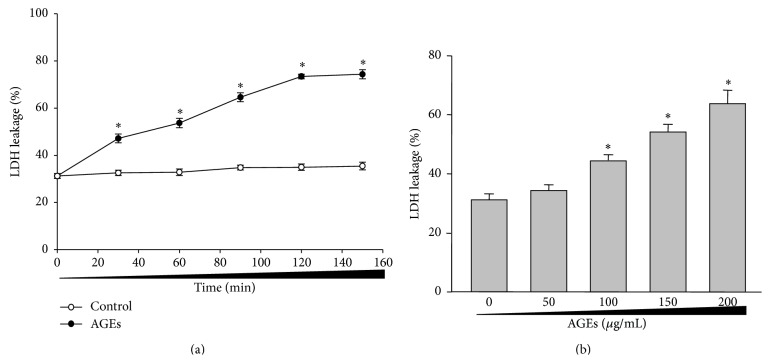
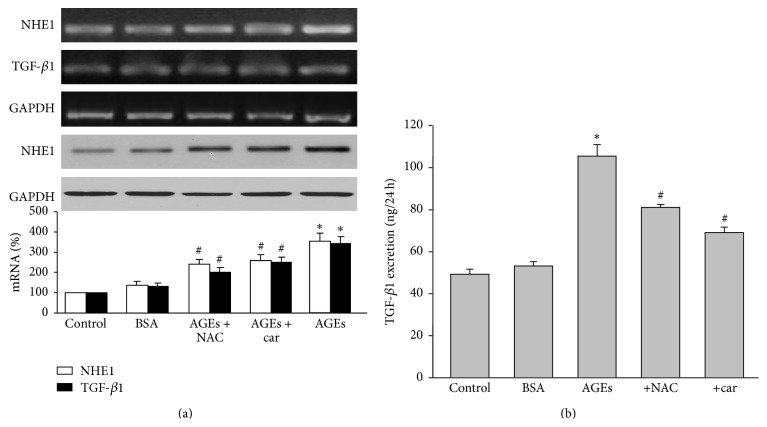
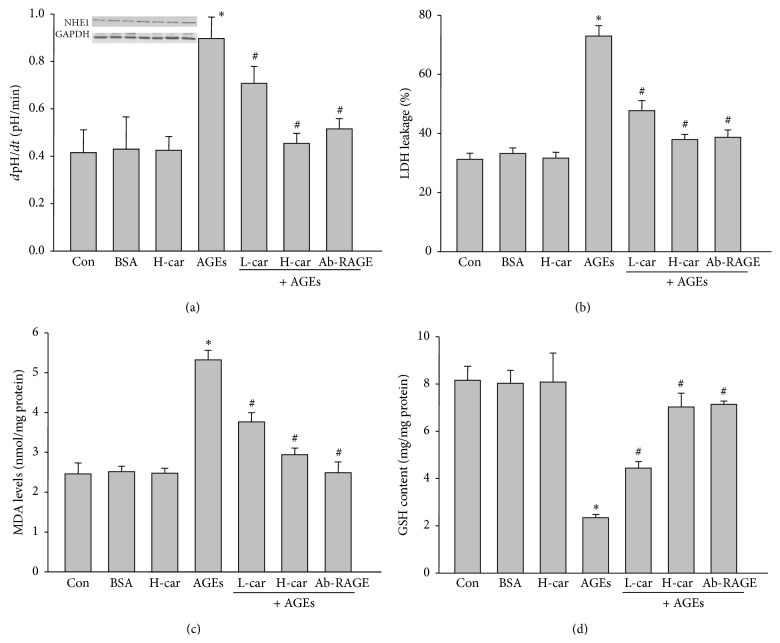
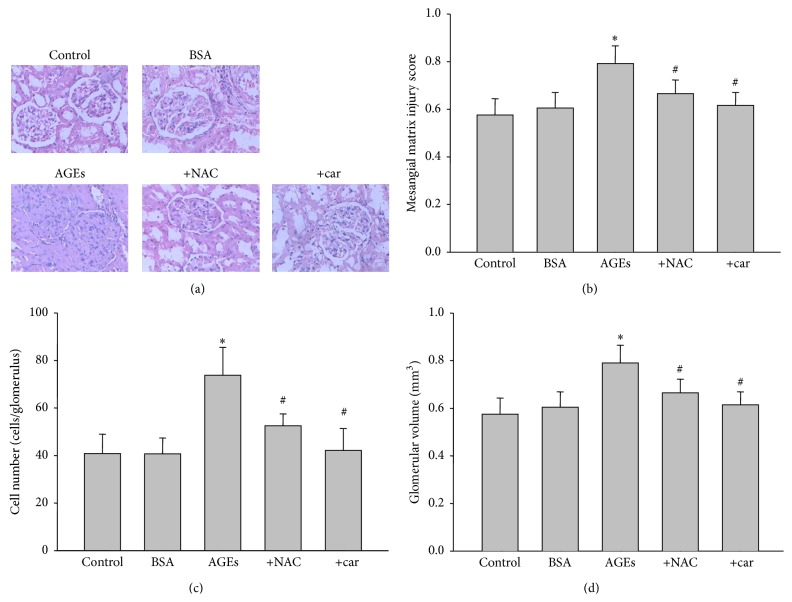
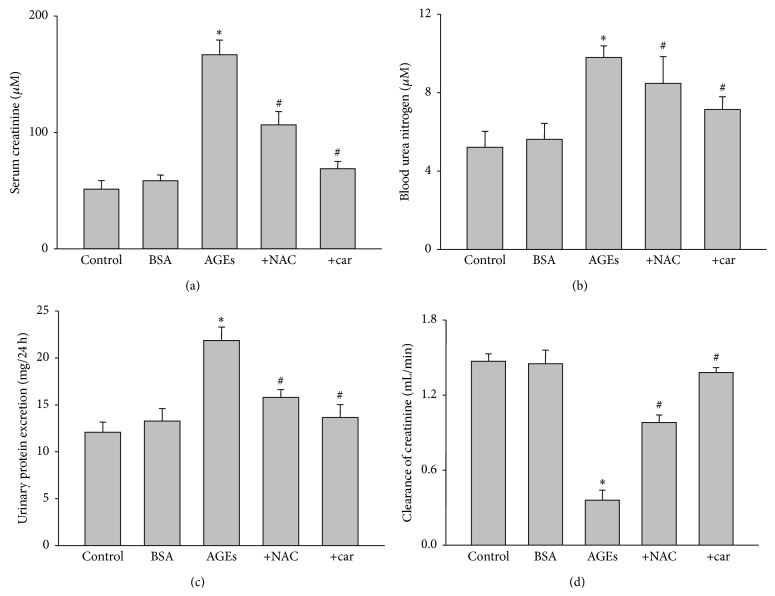
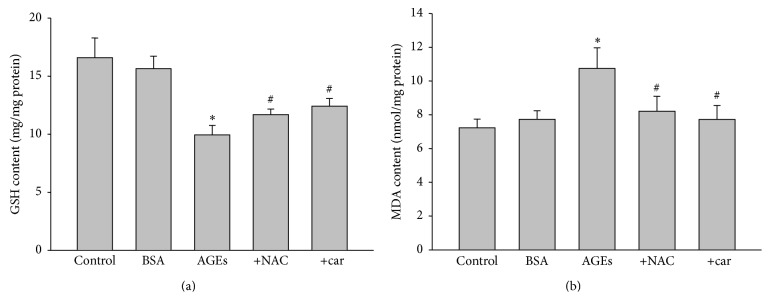
It has been recognized that sodium hydrogen exchanger 1 (NHE1) is involved in the development of diabetic nephropathy. The role of NHE1 in kidney dysfunction induced by advanced glycation end products (AGEs) remains unknown. Renal damage was induced by AGEs via tail vein injections in rats. Function and morphology of kidney were determined. Compared to vehicle- or BSA-treated rats, AGEs caused abnormalities of kidney structures and functions in rats, accompanied with higher MDA level and lower GSH content. Gene expressions of NHE1 gene and TGF-β1 in the renal cortex and urine were also increased in AGEs-injected rats. Importantly, all these detrimental effects induced by AGEs were reversed by inhibition of NHE1 or suppression of oxidative stress. These pieces of data demonstrated that AGEs may activate NHE1 to induce renal damage, which is related to TGF-β1.
人们已经认识到钠氢交换体1(NHE1)参与糖尿病肾病的发展。NHE1在晚期糖基化终产物(AGEs)诱导的肾功能障碍中的作用尚不清楚。通过尾静脉注射AGEs诱导大鼠肾损伤。测定肾脏的功能和形态。与载体或牛血清白蛋白处理的大鼠相比,AGEs导致大鼠肾脏结构和功能异常,同时丙二醛水平升高,谷胱甘肽含量降低。注射AGEs的大鼠肾皮质和尿液中NHE1基因和转化生长因子-β1(TGF-β1)的基因表达也增加。重要的是,AGEs诱导的所有这些有害作用都通过抑制NHE1或抑制氧化应激而得到逆转。这些数据表明,AGEs可能激活NHE1以诱导肾损伤,这与TGF-β1有关。