Kalogiannis Mike, Delikatny E James, Jeitner Thomas M
Department of Neurosciences, Winthrop University Hospital, 222 Station Plaza, Mineola, NY 11501, USA.
Department of Radiology, University of Pennsylvania, 317 Anatomy Chemistry Building, 3620 Hamilton Walk, Pennsylvania, PA 19104, USA.
Biochim Biophys Acta. 2016 Apr;1862(4):651-661. doi: 10.1016/j.bbadis.2015.12.012. Epub 2015 Dec 14.
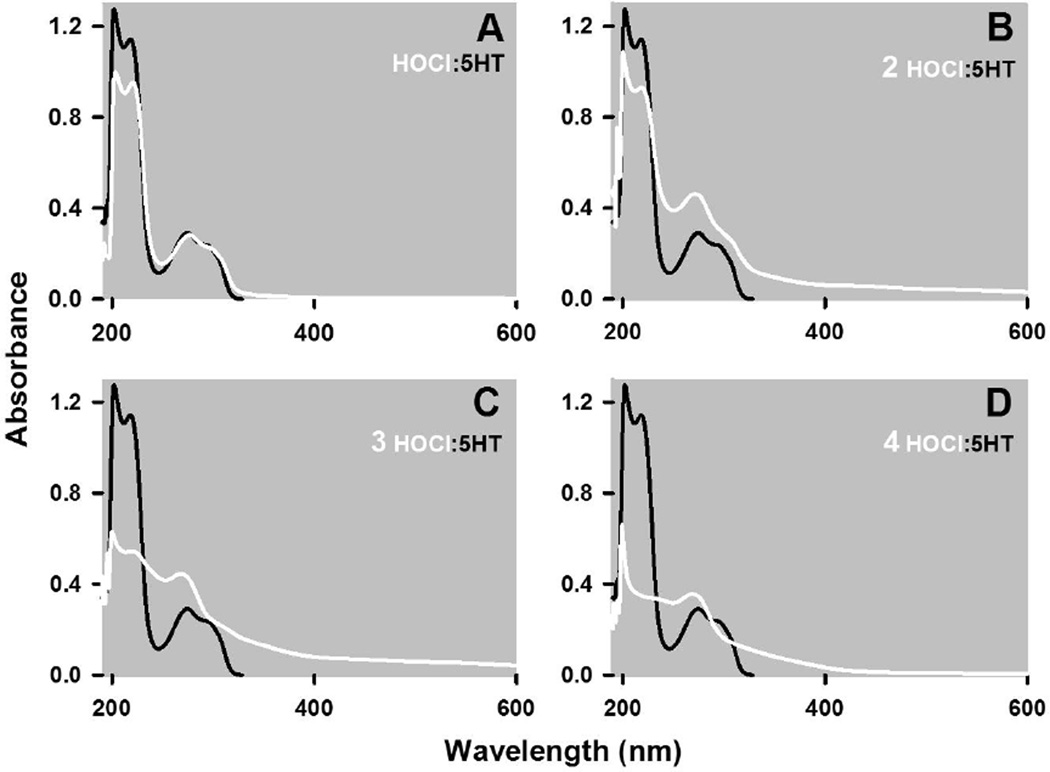
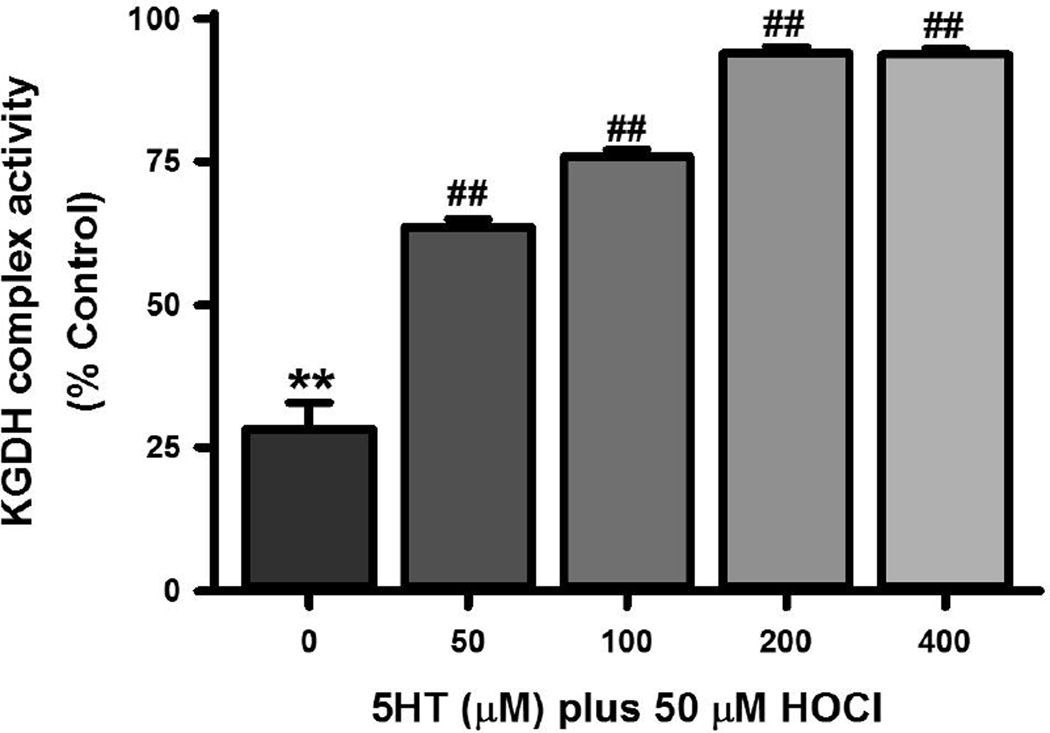
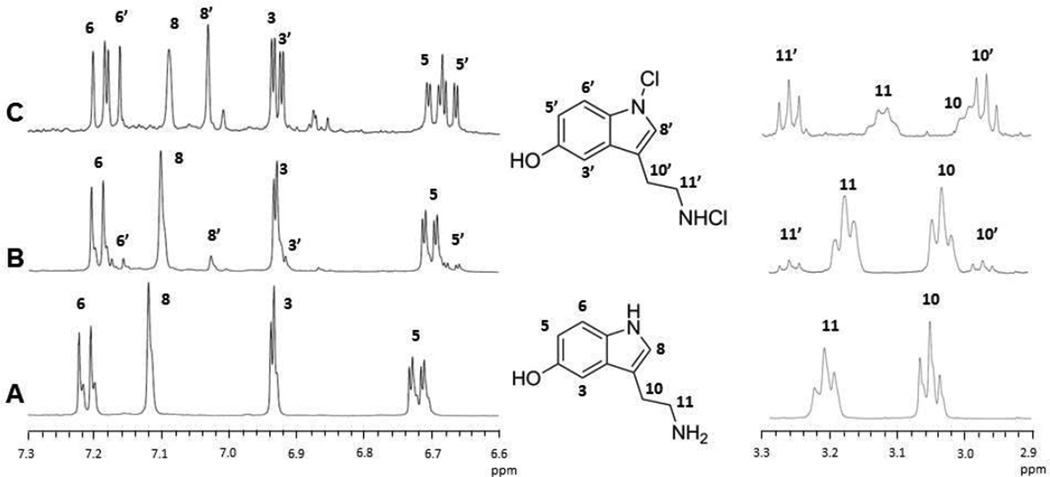
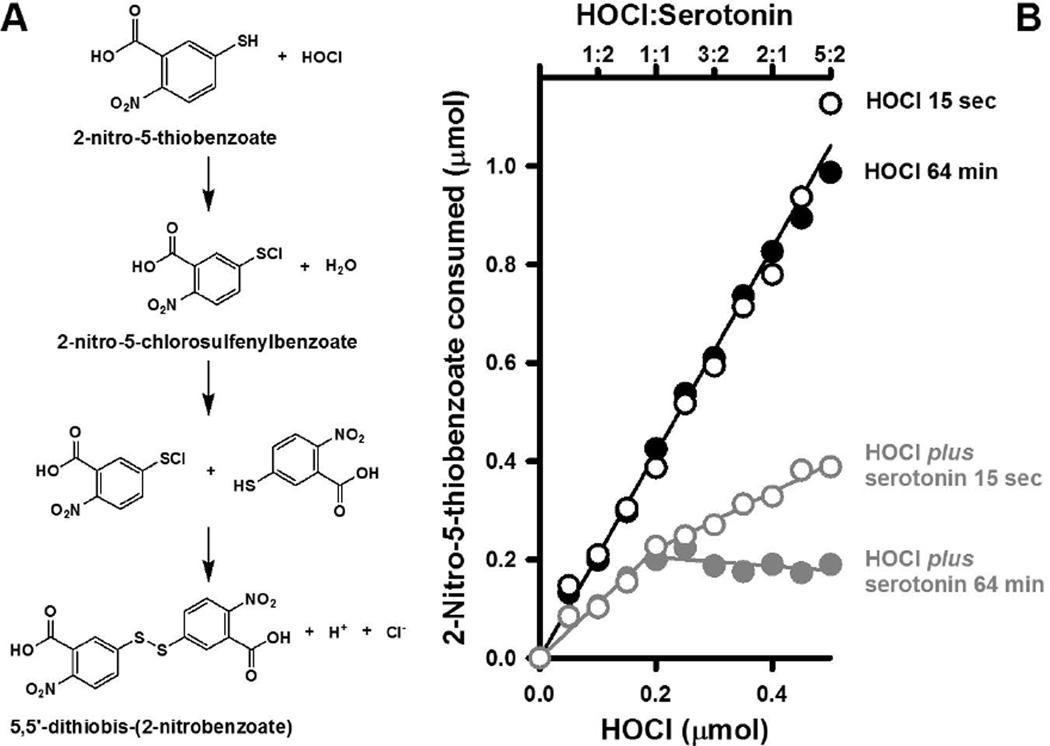
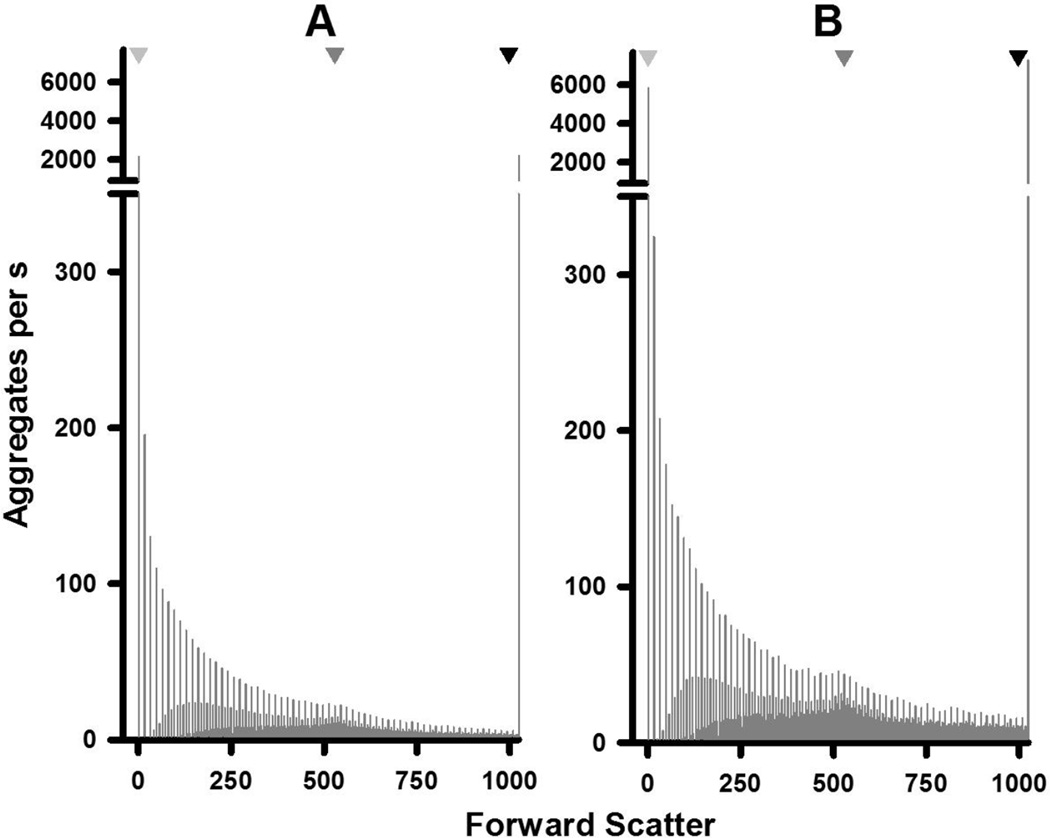
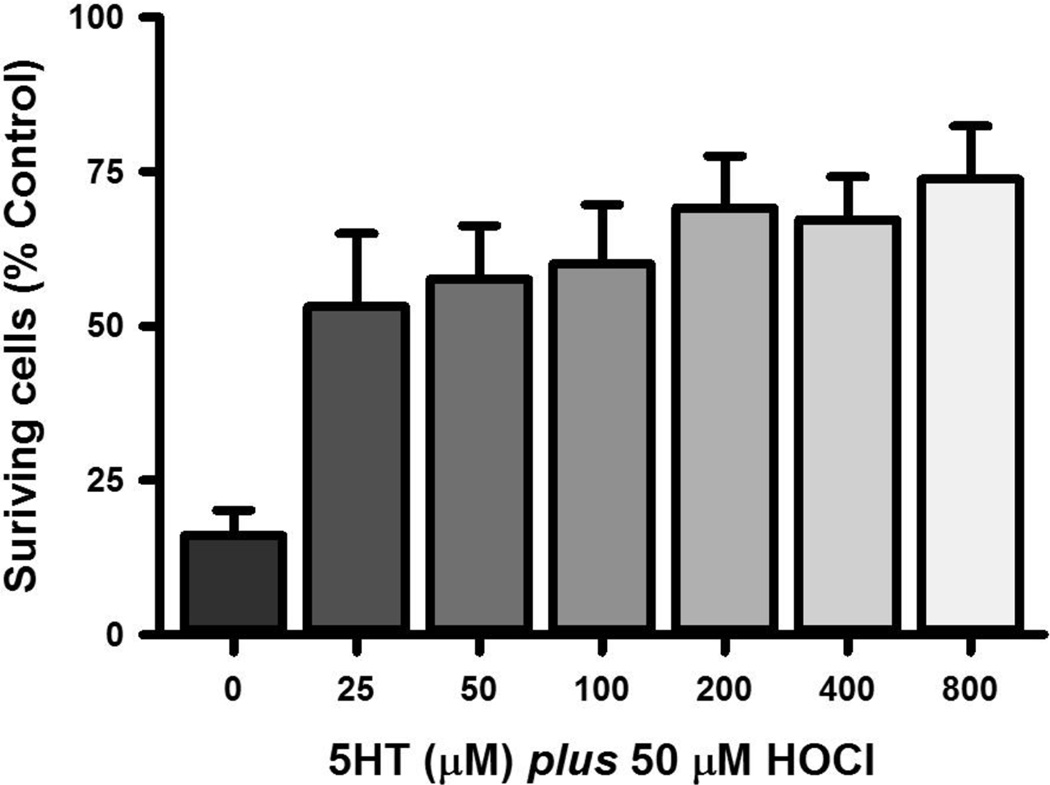
Neurodegenerative disorders represent the culmination of numerous insults including oxidative stress. The long etiology of most of these disorders suggests that lessening the effects of one or more of the insults could significantly delay disease onset. Antioxidants have been tested as possible therapeutics for neurodegenerative disorders, but with little success. Here we report that serotonin acts as a scavenger of hypochlorous acid (HOCl) in the brain. Serotonin was shown to prevent the oxidation of 2-thio-5-nitrobenzoate by HOCl in a biphasic manner. The first phase was a partial scavenging that occurred at concentrations of serotonin that exceeded those of HOCl. (1)H-NMR studies indicated that HOCl chlorinates both the aryl and akyl nitrogen atoms of serotonin. Thus, the oxidation of 2-thio-5-nitrobenzoate that occurred during the first phase of scavenging is likely due to the formation of serotonergic chloramines. A second phase of scavenging occurred at concentrations of HOCl that exceeded those of serotonin. Under these conditions, the chlorinated serotonin polymerized and formed inert aggregates. Serotonin was further shown to prevent the loss of cells and cellular α-ketoglutarate dehydrogenase complex activity caused by HOCl. Extracellular concentrations of serotonin in the brain can be elevated with selective serotonin reuptake inhibitors and suggests that such compounds could be used to increase the cerebral antioxidant capacity. Acute administration of selective serotonin reuptake inhibitors to mice treated with endotoxin partially mitigated sickness behavior and protein chlorination in the brain. These observations suggest that serotonin may act to suppress chlorinative stress in the brain.
神经退行性疾病是包括氧化应激在内的多种损伤的最终结果。这些疾病大多病因漫长,这表明减轻一种或多种损伤的影响可能会显著延迟疾病的发作。抗氧化剂已被作为神经退行性疾病的可能治疗方法进行测试,但收效甚微。在此我们报告,血清素在大脑中作为次氯酸(HOCl)的清除剂发挥作用。血清素被证明以双相方式防止HOCl氧化2-硫代-5-硝基苯甲酸酯。第一阶段是在血清素浓度超过HOCl浓度时发生的部分清除。氢核磁共振(1H-NMR)研究表明,HOCl会使血清素的芳基和烷基氮原子氯化。因此,在清除的第一阶段发生的2-硫代-5-硝基苯甲酸酯的氧化可能是由于血清素氯胺的形成。第二阶段的清除发生在HOCl浓度超过血清素浓度时。在这些条件下,氯化的血清素聚合形成惰性聚集体。血清素还被证明可以防止HOCl导致的细胞损失和细胞α-酮戊二酸脱氢酶复合物活性的丧失。大脑中血清素的细胞外浓度可以通过选择性血清素再摄取抑制剂升高,这表明此类化合物可用于提高大脑的抗氧化能力。向内毒素处理的小鼠急性给予选择性血清素再摄取抑制剂可部分减轻疾病行为和大脑中的蛋白质氯化。这些观察结果表明,血清素可能起到抑制大脑中氯化应激的作用。