Nezafati Mohammad Hassan, Vojdanparast Mohammad, Nezafati Pouya
Department of Cardiac Surgery, Imam Reza Hospital, Mashhad University of Medical Sciences, Mashhad, Iran.
Atherosclerosis Prevention Research Center AND School of Medicine, Imam Reza Hospital, Mashhad University of Medical Sciences, Mashhad, Iran.
ARYA Atheroscler. 2015 Sep;11(5):295-304.
Major depression or deterioration of previous mood disorders is a common adverse consequence of coronary heart disease, heart failure, and cardiac revascularization procedures. Therefore, treatment of depression is expected to result in improvement of mood condition in these patients. Despite demonstrated effects of anti-depressive treatment in heart disease patients, the use of some antidepressants have shown to be associated with some adverse cardiac and non-cardiac events. In this narrative review, the authors aimed to first assess the findings of published studies on beneficial and also harmful effects of different types of antidepressants used in patients with heart diseases. Finally, a new categorization for selecting antidepressants according to their cardiovascular effects was described.
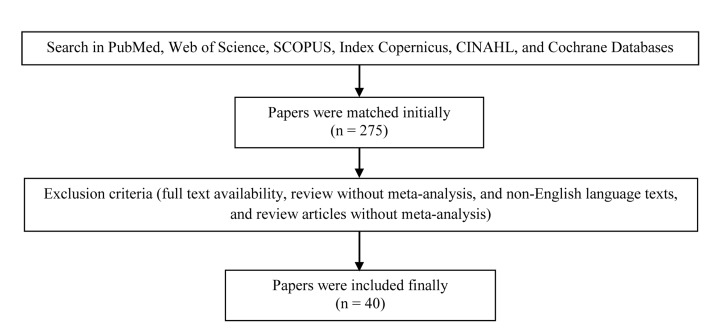
Using PubMed, Web of Science, SCOPUS, Index Copernicus, CINAHL, and Cochrane Database, we identified studies designed to evaluate the effects of depression and also using antidepressants on cardiovascular outcome. A 40 studies were finally assessed systematically. Among those eligible studies, 14 were cohort or historical cohort studies, 15 were randomized clinical trial, 4 were retrospective were case-control studies, 3 were meta-analyses and 2 animal studies, and 2 case studies.
According to the current review, we recommend to divide antidepressants into three categories based on the severity of cardiovascular adverse consequences including (1) the safest drugs including those drugs with cardio-protective effects on ventricular function, as well as cardiac conductive system including selective serotonin reuptake inhibitors, (2) neutralized drugs with no evidenced effects on cardiovascular system including serotonin-norepinephrine reuptake inhibitors, and (3) harmful drugs with adverse effects on cardiac function, hemodynamic stability, and heart rate variability including tricyclic antidepressants, serotonin antagonist and reuptake inhibitors, and noradrenergic and specific serotonergic antidepressants.
The presented categorization of antidepressants can be clinically helpful to have the best selection for antidepressants to minimizing their cardiovascular harmful effects.
重度抑郁症或既往情绪障碍的恶化是冠心病、心力衰竭和心脏血运重建手术常见的不良后果。因此,抑郁症的治疗有望改善这些患者的情绪状况。尽管抗抑郁治疗对心脏病患者有显著效果,但一些抗抑郁药的使用已显示与某些心脏和非心脏不良事件有关。在这篇叙述性综述中,作者旨在首先评估已发表研究中关于不同类型抗抑郁药对心脏病患者有益和有害影响的研究结果。最后,描述了一种根据心血管效应选择抗抑郁药的新分类方法。
通过PubMed、科学网、Scopus、哥白尼索引、护理学与健康领域数据库(CINAHL)和考克兰数据库,我们识别了旨在评估抑郁症影响以及使用抗抑郁药对心血管结局影响的研究。最终系统评估了40项研究。在这些符合条件的研究中,14项为队列研究或历史性队列研究,15项为随机临床试验,4项为回顾性病例对照研究,3项为荟萃分析,2项为动物研究,2项为病例研究。
根据当前综述,我们建议根据心血管不良后果的严重程度将抗抑郁药分为三类,包括(1)最安全的药物,包括对心室功能以及心脏传导系统具有心脏保护作用的药物,如选择性5-羟色胺再摄取抑制剂;(2)对心血管系统无明显影响的中性药物,如5-羟色胺-去甲肾上腺素再摄取抑制剂;(3)对心脏功能、血流动力学稳定性和心率变异性有不良影响的有害药物,如三环类抗抑郁药、5-羟色胺拮抗剂及再摄取抑制剂,以及去甲肾上腺素能和特异性5-羟色胺能抗抑郁药。
所提出的抗抑郁药分类在临床上有助于最佳选择抗抑郁药,以尽量减少其心血管有害影响。