Araújo Felipe Souto, Coelho Luciene Melo, Silva Lívia do Carmo, da Silva Neto Benedito Rodrigues, Parente-Rocha Juliana Alves, Bailão Alexandre Melo, de Oliveira Cecília Maria Alves, Fernandes Gabriel da Rocha, Hernández Orville, Ochoa Juan Guillermo McEwen, Soares Célia Maria de Almeida, Pereira Maristela
Laboratório de Biologia Molecular, Instituto de Ciências Biológicas, Universidade Federal de Goiás, Goiânia, Goiás, Brazil.
Laboratório de Produtos Naturais, Instituto de Química, Universidade Federal de Goiás, Goiânia, Goiás, Brazil.
PLoS Negl Trop Dis. 2016 Jan 6;10(1):e0004309. doi: 10.1371/journal.pntd.0004309. eCollection 2016 Jan.
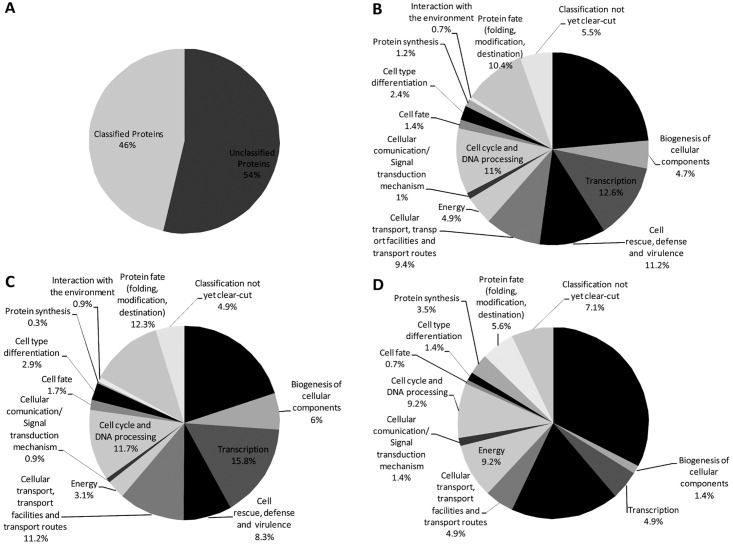
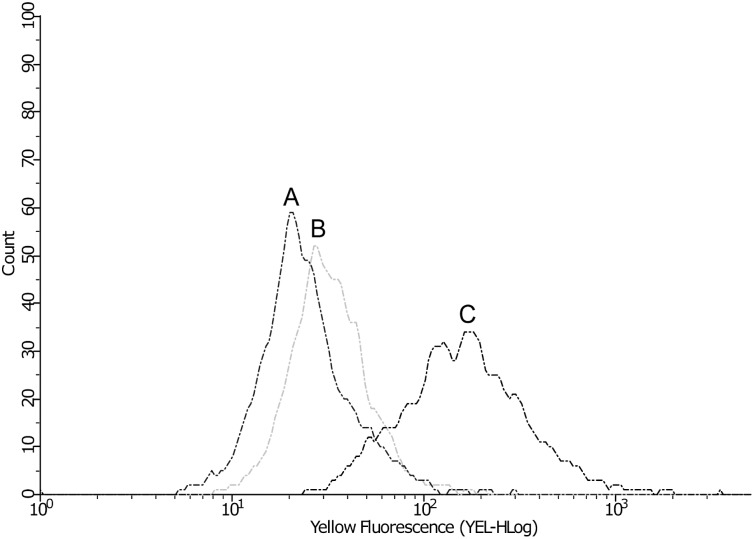
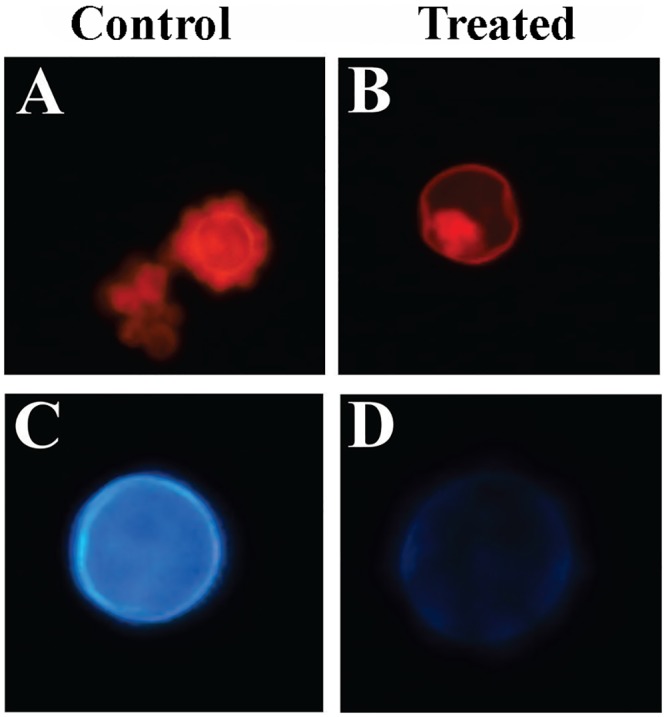
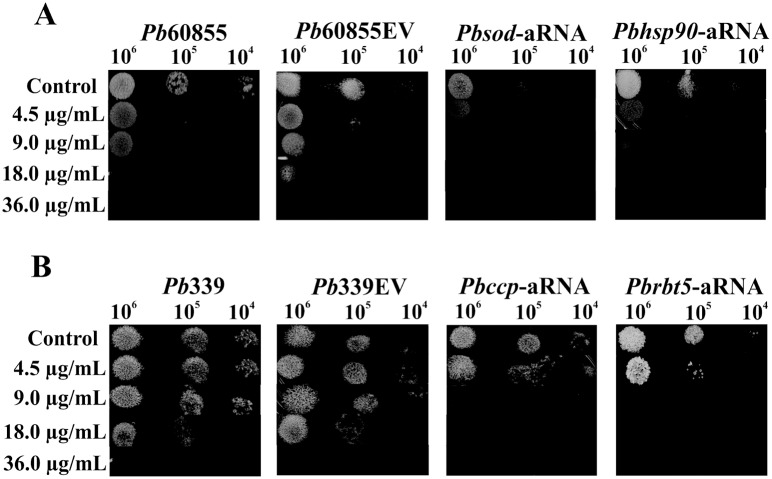
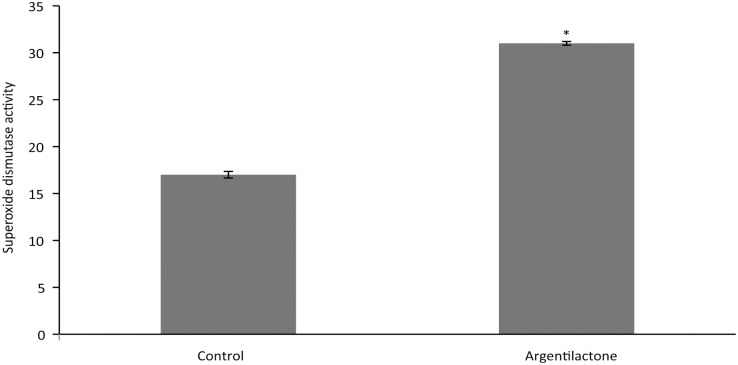
Paracoccidioides spp., a dimorphic pathogenic fungus, is the etiologic agent of paracoccidioidomycosis (PCM). PCM is an endemic disease that affects at least 10 million people in Latin America, causing severe public health problems. The drugs used against pathogenic fungi have various side effects and limited efficacy; therefore, there is an inevitable and urgent medical need for the development of new antifungal drugs. In the present study, we evaluated the transcriptional profile of Paracoccidioides lutzii exposed to argentilactone, a constituent of the essential oil of Hyptis ovalifolia. A total of 1,058 genes were identified, of which 208 were up-regulated and 850 were down-regulated. Cell rescue, defense and virulence, with a total of 26 genes, was a functional category with a large number of genes induced, including heat shock protein 90 (hsp90), cytochrome c peroxidase (ccp), the hemoglobin ligand RBT5 (rbt5) and superoxide dismutase (sod). Quantitative real-time PCR revealed an increase in the expression level of all of those genes. An enzymatic assay showed a significant increase in SOD activity. The reduced growth of Pbhsp90-aRNA, Pbccp-aRNA, Pbsod-aRNA and Pbrbt5-aRNA isolates in the presence of argentilactone indicates the importance of these genes in the response of Paracoccidioides spp. to argentilactone. The response of the P. lutzii cell wall to argentilactone treatment was also evaluated. The results showed that argentilactone caused a decrease in the levels of polymers in the cell wall. These results suggest that argentilactone is a potential candidate for antifungal therapy.
副球孢子菌属是一种双相致病性真菌,是副球孢子菌病(PCM)的病原体。PCM是一种地方性疾病,在拉丁美洲至少影响1000万人,造成严重的公共卫生问题。用于对抗致病性真菌的药物有各种副作用且疗效有限;因此,开发新型抗真菌药物存在不可避免且迫切的医疗需求。在本研究中,我们评估了暴露于阿根廷内酯(椭圆叶香科叶草精油的一种成分)的鲁氏副球孢子菌的转录谱。共鉴定出1058个基因,其中208个上调,850个下调。细胞拯救、防御和毒力功能类别共有26个基因,是诱导基因数量较多的一个类别,包括热休克蛋白90(hsp90)、细胞色素c过氧化物酶(ccp)、血红蛋白配体RBT5(rbt5)和超氧化物歧化酶(sod)。定量实时PCR显示所有这些基因的表达水平均有所增加。酶活性测定显示SOD活性显著增加。在阿根廷内酯存在的情况下,Pbhsp90-aRNA、Pbccp-aRNA、Pbsod-aRNA和Pbrbt5-aRNA分离株的生长受到抑制,这表明这些基因在副球孢子菌属对阿根廷内酯的反应中具有重要作用。我们还评估了鲁氏副球孢子菌细胞壁对阿根廷内酯处理的反应。结果表明,阿根廷内酯导致细胞壁中聚合物水平降低。这些结果表明阿根廷内酯是抗真菌治疗的潜在候选物。