Lu Houyuan, Zhang Jianping, Yang Yimin, Yang Xiaoyan, Xu Baiqing, Yang Wuzhan, Tong Tao, Jin Shubo, Shen Caiming, Rao Huiyun, Li Xingguo, Lu Hongliang, Fuller Dorian Q, Wang Luo, Wang Can, Xu Deke, Wu Naiqin
Key Laboratory of Cenozoic Geology and Environment, Institute of Geology and Geophysics, Chinese Academy of Sciences, Beijing 100029, China.
Center for Excellence in Tibetan Plateau Earth Science, Chinese Academy of Sciences, Beijing 100101, China.
Sci Rep. 2016 Jan 7;6:18955. doi: 10.1038/srep18955.
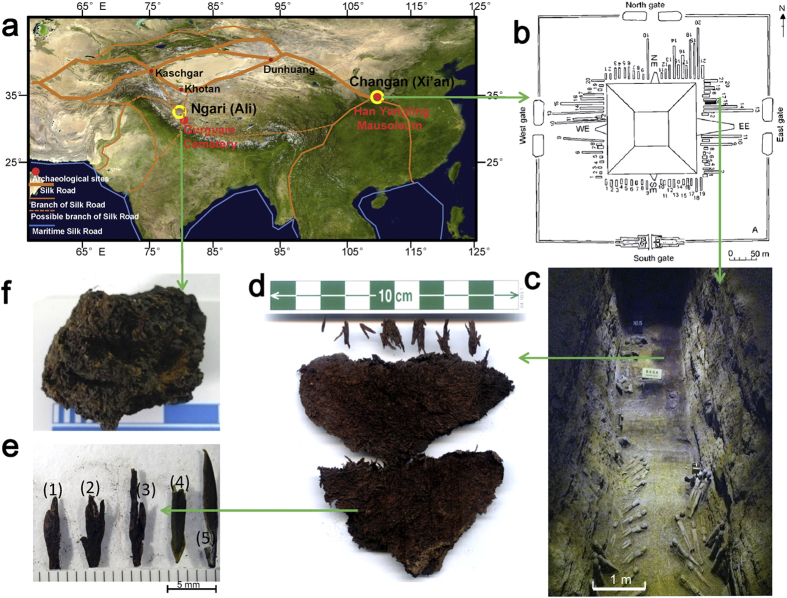
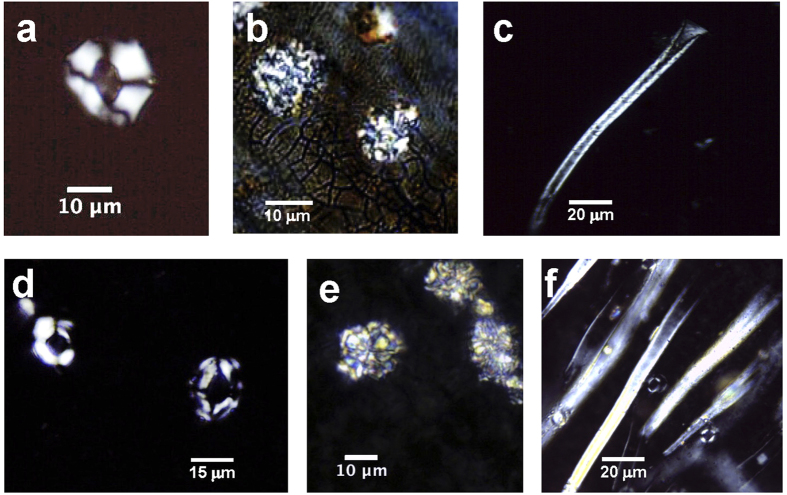
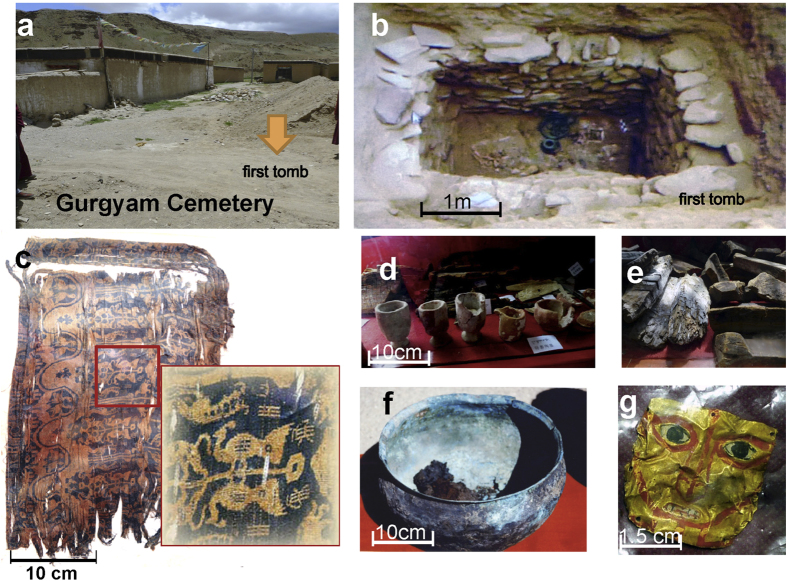
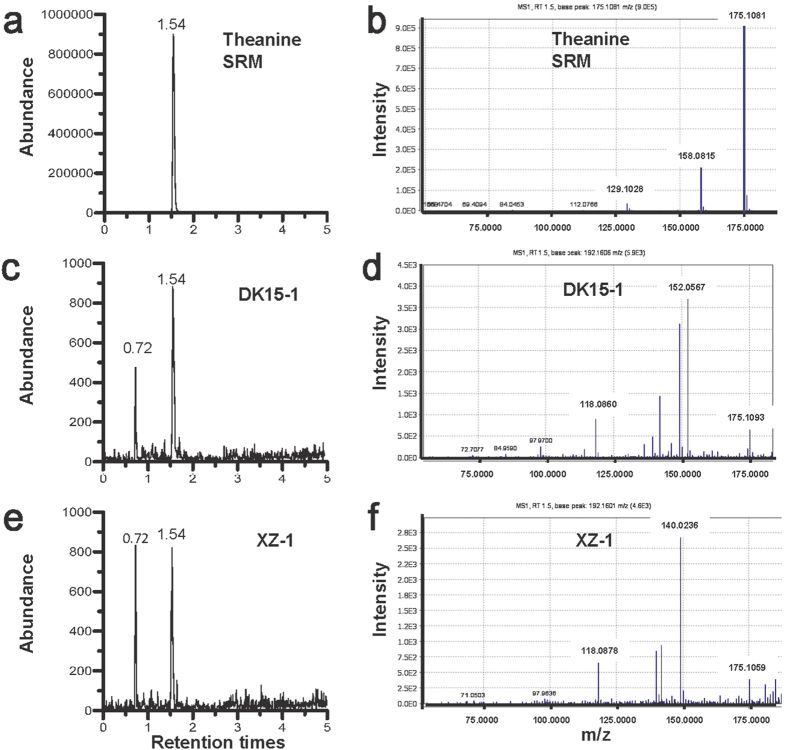
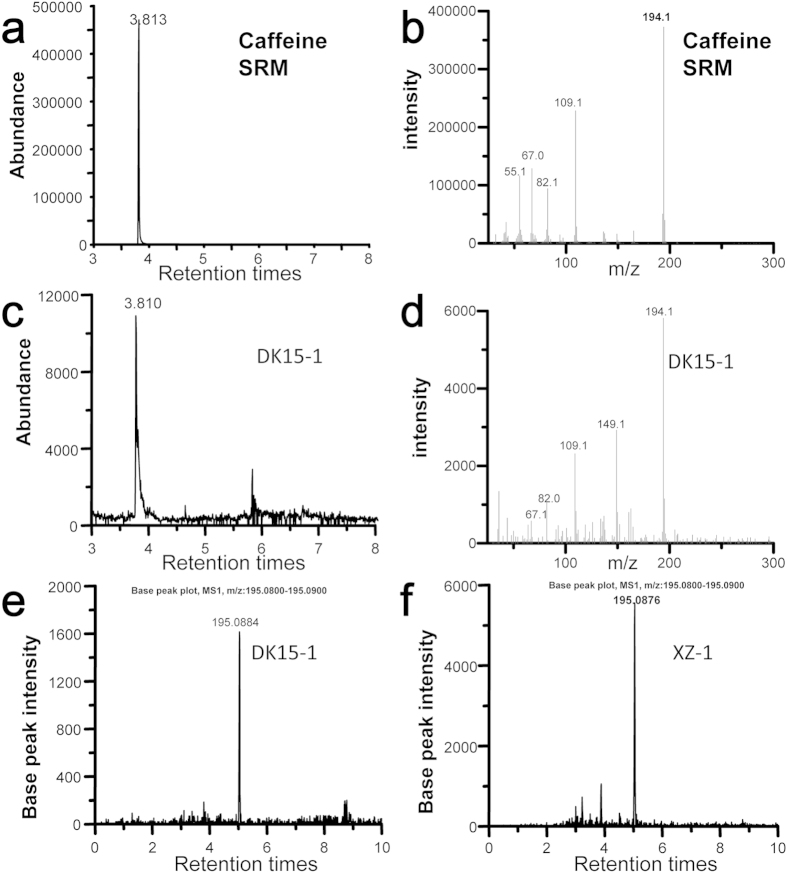
Phytoliths and biomolecular components extracted from ancient plant remains from Chang'an (Xi'an, the city where the Silk Road begins) and Ngari (Ali) in western Tibet, China, show that the tea was grown 2100 years ago to cater for the drinking habits of the Western Han Dynasty (207BCE-9CE), and then carried toward central Asia by ca.200CE, several hundred years earlier than previously recorded. The earliest physical evidence of tea from both the Chang'an and Ngari regions suggests that a branch of the Silk Road across the Tibetan Plateau, was established by the second to third century CE.
从中国西藏西部的长安(丝绸之路起点城市西安)和阿里的古代植物遗骸中提取的植硅体和生物分子成分表明,茶叶在2100年前就已种植,以迎合西汉(公元前207年 - 公元9年)的饮用习惯,然后在公元200年左右运往中亚,比之前记录的时间早了几百年。来自长安和阿里地区的最早茶叶实物证据表明,一条穿越青藏高原的丝绸之路分支在公元二世纪至三世纪就已建立。