Millet Caroline, Makovets Svetlana
School of Biological Sciences, Institute of Cell Biology, University of Edinburgh, Roger Land Building Room 1.07, Alexander Crum Brown Road, Edinburgh, EH9 3FF, UK.
Curr Genet. 2016 Aug;62(3):557-64. doi: 10.1007/s00294-015-0559-x. Epub 2016 Jan 12.
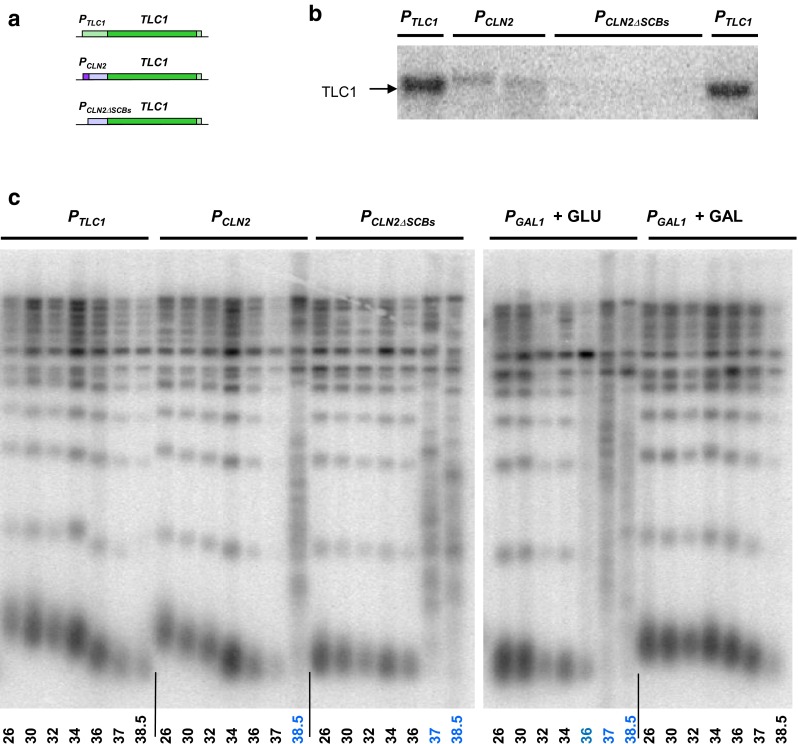
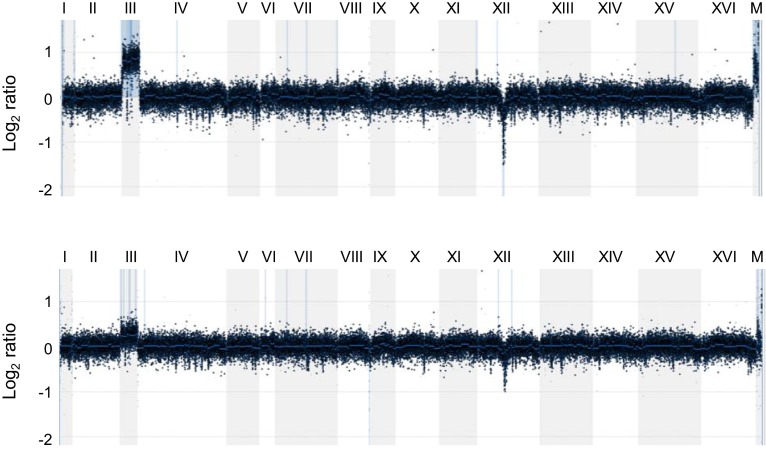
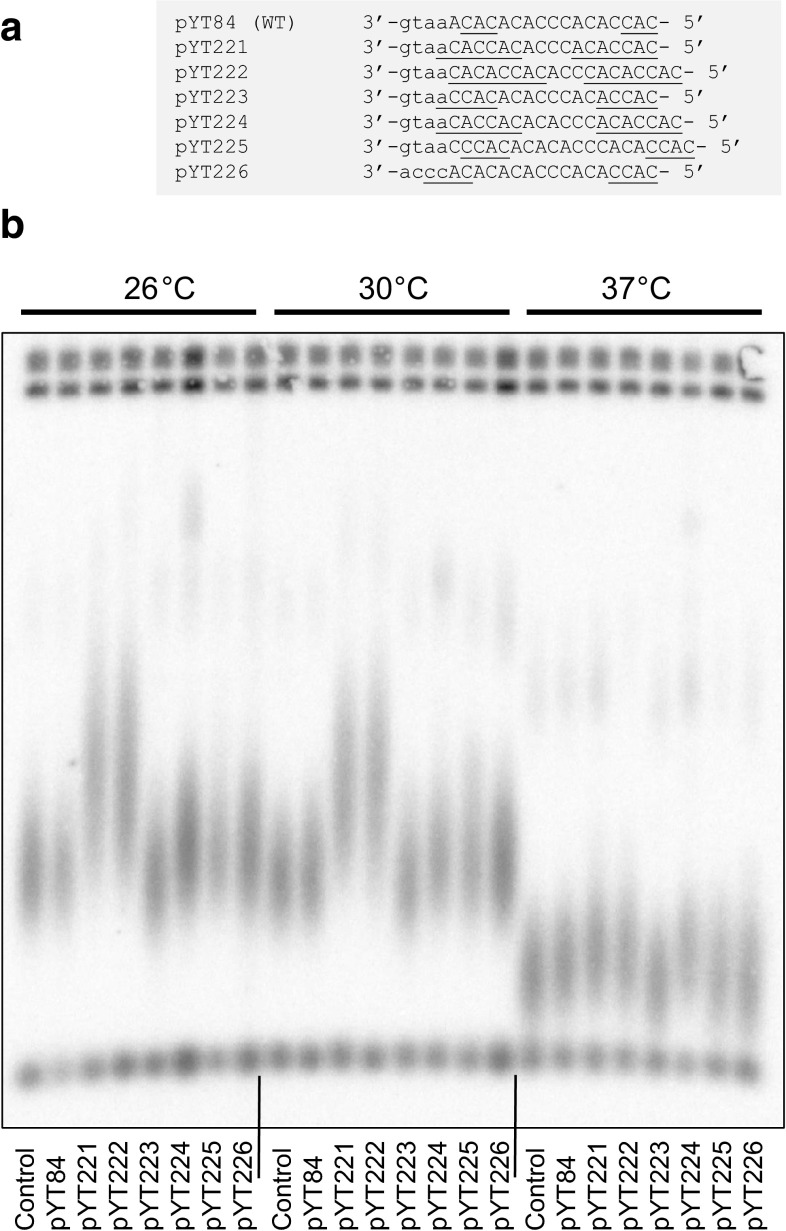
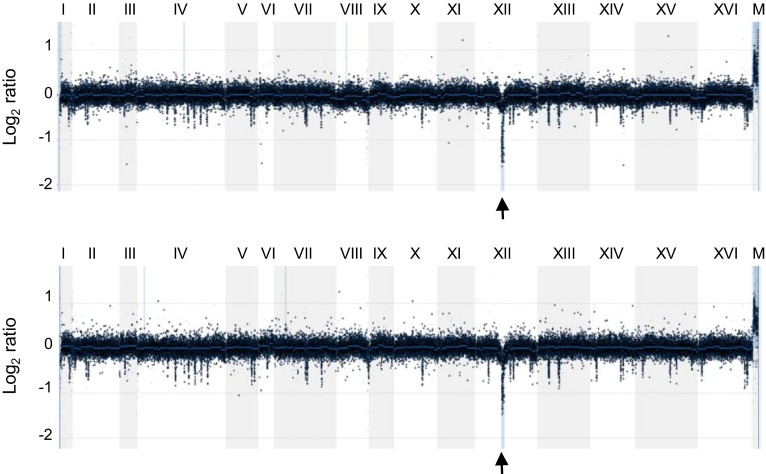
Cells' survival is determined by their ability to adapt to constantly changing environment. Adaptation responses involve global changes in transcription, translation, and posttranslational modifications of proteins. In recent years, karyotype changes in adapting populations of single cell organisms have been reported in a number of studies. More recently, we have described aneuploidy as an adaptation mechanism used by populations of budding yeast Saccharomyces cerevisiae to survive telomerase insufficiency induced by elevated growth temperature. Genetic evidence suggests that telomerase insufficiency is caused by decreased levels of the telomerase catalytic subunit Est2. Here, we present experiments arguing that the underlying cause of this phenomenon may be within the telomerase RNA TLC1: changes in the expression of TLC1 as well as mutations in the TLC1 template region affect telomere length equilibrium and the temperature threshold for the induction of telomerase insufficiency. We discuss what lies at the root of telomerase insufficiency, how cell populations overcome it through aneuploidy and whether reversible aneuploidy could be an adaptation mechanism for a variety of environmental stresses.
细胞的存活取决于它们适应不断变化的环境的能力。适应性反应涉及转录、翻译以及蛋白质翻译后修饰的全局性变化。近年来,多项研究报道了单细胞生物适应群体中的核型变化。最近,我们将非整倍体描述为出芽酵母酿酒酵母群体用于在生长温度升高诱导的端粒酶不足情况下存活的一种适应机制。遗传证据表明端粒酶不足是由端粒酶催化亚基Est2水平降低所致。在此,我们展示的实验表明,这一现象的根本原因可能在于端粒酶RNA TLC1:TLC1表达的变化以及TLC1模板区域的突变会影响端粒长度平衡以及诱导端粒酶不足的温度阈值。我们讨论了端粒酶不足的根源所在、细胞群体如何通过非整倍体克服这一问题,以及可逆性非整倍体是否可能是应对多种环境压力的一种适应机制。