Jaishankar Dinesh, Buhrman Jason S, Valyi-Nagy Tibor, Gemeinhart Richard A, Shukla Deepak
Department of Bioengineering, University of Illinois at Chicago, Chicago, Illinois, United States 2Department of Ophthalmology and Visual Sciences, University of Illinois at Chicago, Chicago, Illinois, United States 3Department of Pathology, University of.
Department of Biopharmaceutical Sciences, University of Illinois at Chicago, Chicago, Illinois, United States.
Invest Ophthalmol Vis Sci. 2016 Jan 1;57(1):169-80. doi: 10.1167/iovs.15-18365.
To prolong the release of a heparan sulfate binding peptide, G2-C, using a commercially available contact lens as a delivery vehicle and to demonstrate the ability of the released peptide to block herpes simplex virus-1 (HSV-1) infection using in vitro, ex vivo, and in vivo models of corneal HSV-1 infection.
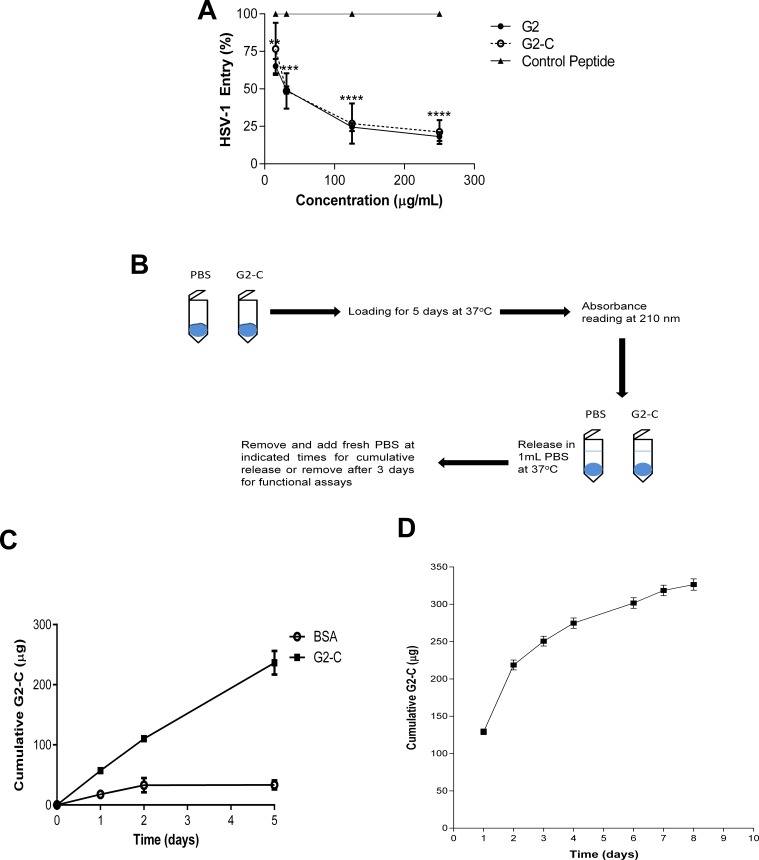
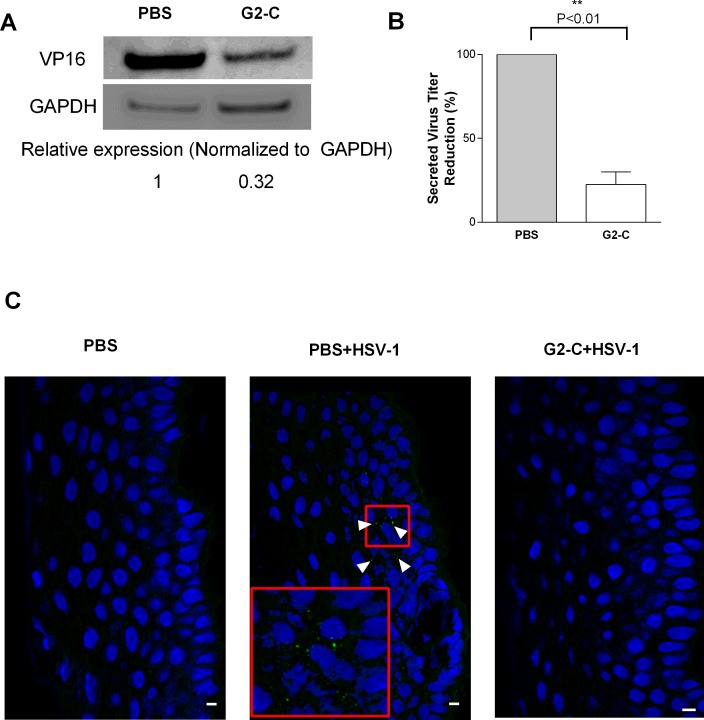
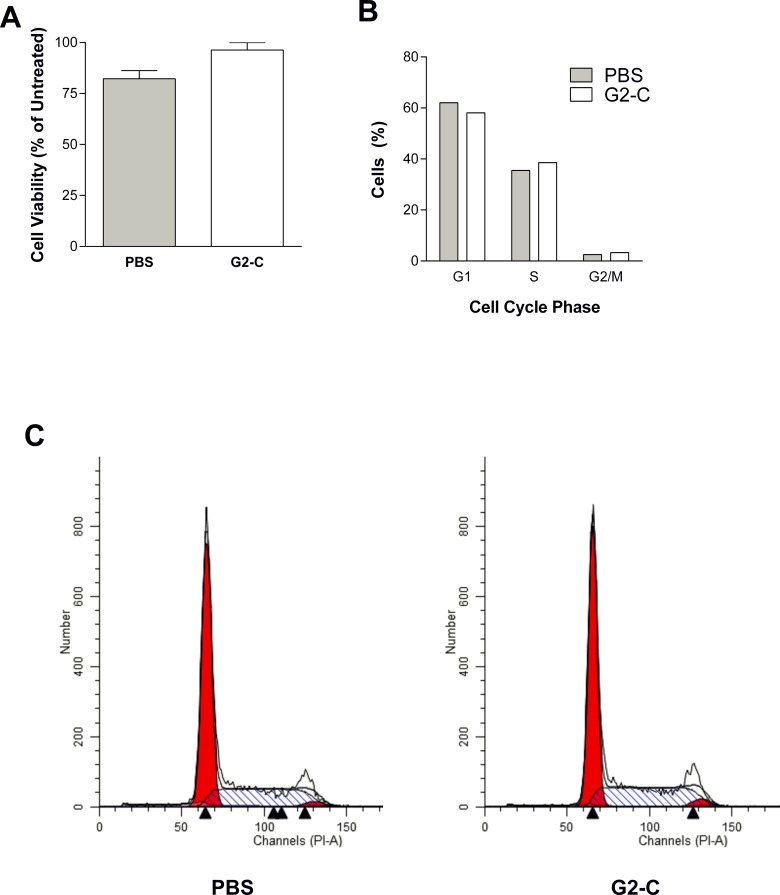
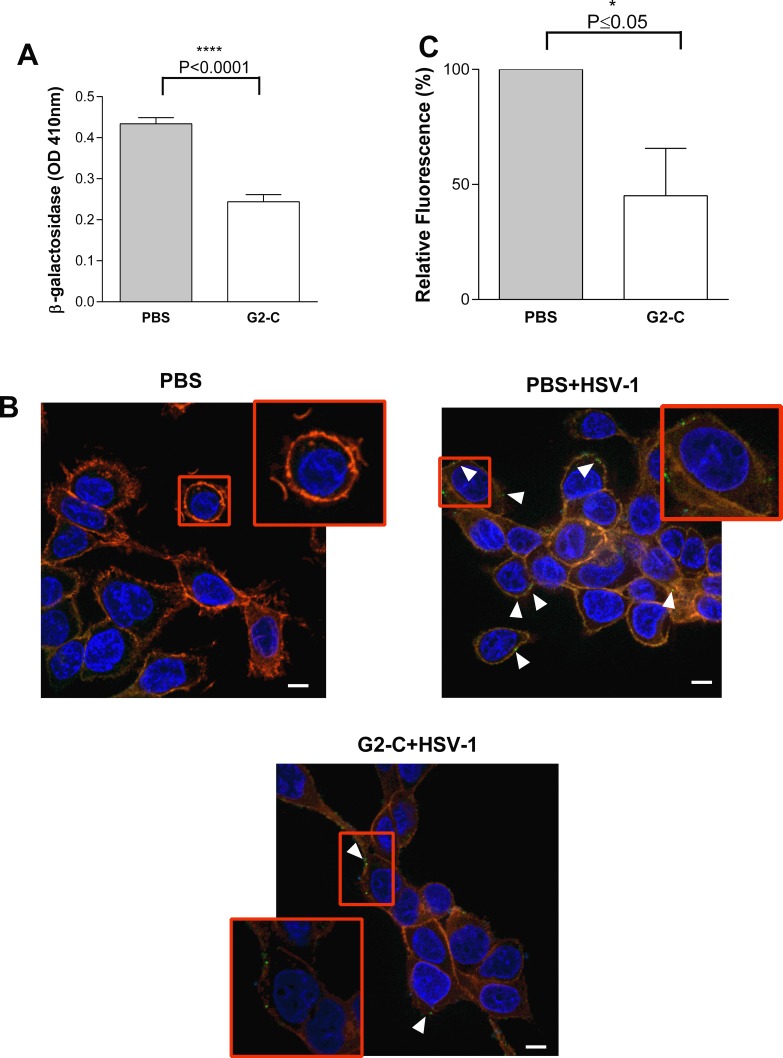
Commercially available contact lenses were immersed in peptide solution for 5 days prior to determining the release of the peptide at various time points. Cytotoxicity of the released samples was determined by MTT and cell cycle analysis, and the functional activity of the released samples were assessed by viral entry, and viral spread assay using human corneal epithelial cells (HCE). The ability to suppress infection in human and pig cornea ex vivo and mouse in vivo models were also assessed.
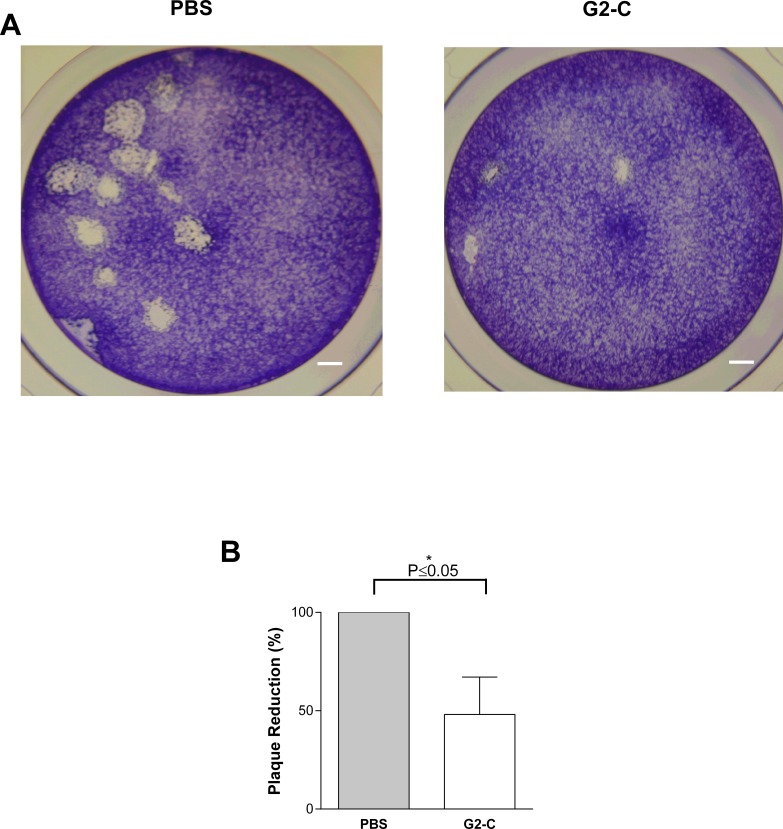
Peptide G2-C was released through the contact lens. Following release for 3 days, the peptide showed significant activity by inhibiting HSV-1 viral entry and spread in HCE cells. Significant suppression of infection was also observed in the ex vivo and in vivo experiments involving corneas.
Extended release of an anti-HS peptide through a commercially available contact lens can generate significant anti-HSV-1 activity and provides a new and effective way to control corneal herpes.
使用市售隐形眼镜作为递送载体来延长硫酸乙酰肝素结合肽G2-C的释放,并使用角膜单纯疱疹病毒-1(HSV-1)感染的体外、离体和体内模型来证明释放的肽阻断HSV-1感染的能力。
在确定肽在各个时间点的释放之前,将市售隐形眼镜浸入肽溶液中5天。通过MTT和细胞周期分析确定释放样品的细胞毒性,并使用人角膜上皮细胞(HCE)通过病毒进入和病毒传播试验评估释放样品的功能活性。还评估了在人角膜和猪角膜离体模型以及小鼠体内模型中抑制感染的能力。
肽G2-C通过隐形眼镜释放。释放3天后,该肽通过抑制HSV-1病毒进入和在HCE细胞中的传播显示出显著活性。在涉及角膜的离体和体内实验中也观察到感染受到显著抑制。
通过市售隐形眼镜延长抗HS肽的释放可产生显著的抗HSV-1活性,并提供了一种控制角膜疱疹的新的有效方法。