Grimes David Robert
University of Oxford, Old Road Campus Research Building, Off Roosevelt Drive, Oxford OX3 7DQ, United Kingdom.
PLoS One. 2016 Jan 26;11(1):e0147905. doi: 10.1371/journal.pone.0147905. eCollection 2016.
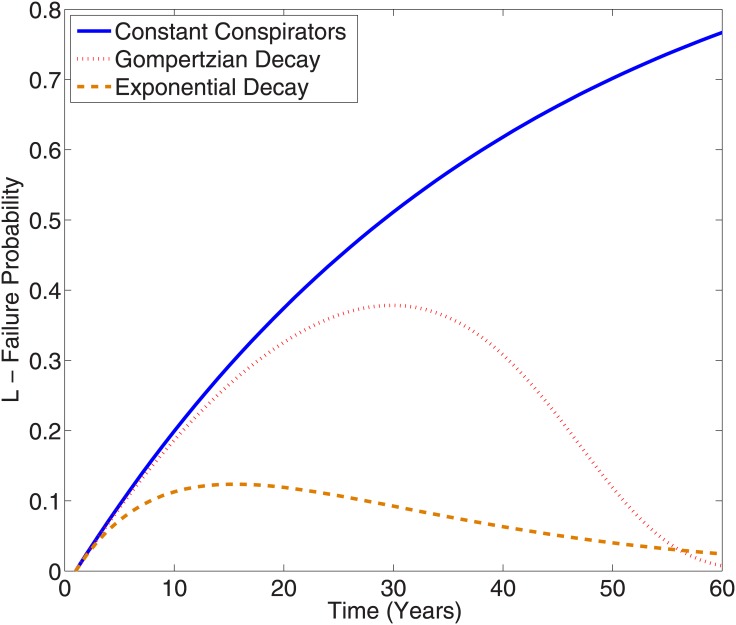
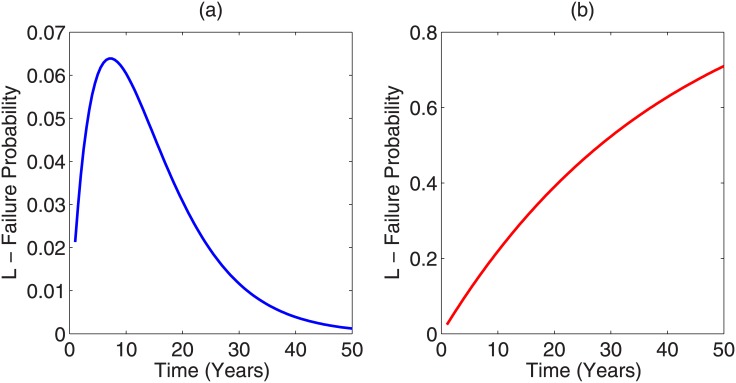
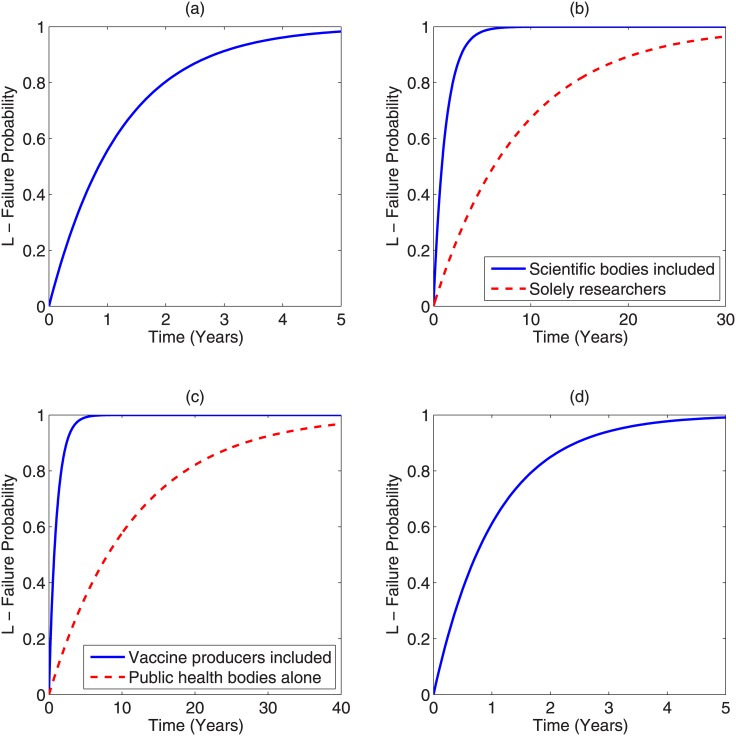
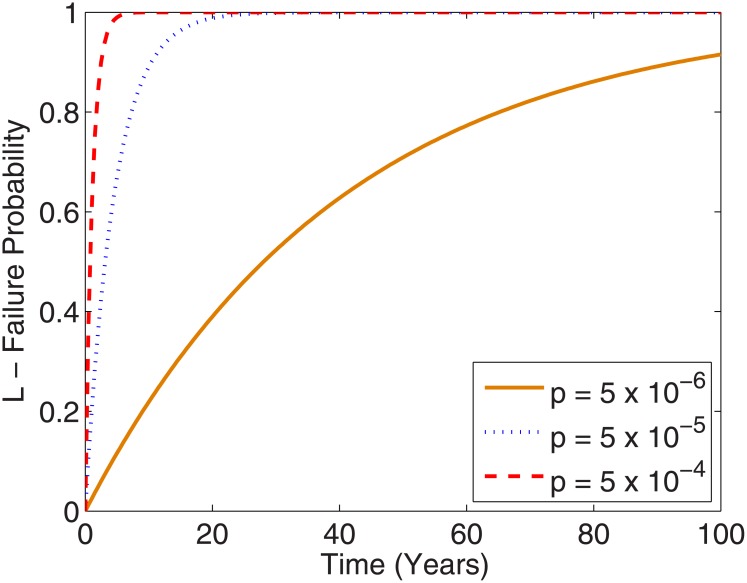
Conspiratorial ideation is the tendency of individuals to believe that events and power relations are secretly manipulated by certain clandestine groups and organisations. Many of these ostensibly explanatory conjectures are non-falsifiable, lacking in evidence or demonstrably false, yet public acceptance remains high. Efforts to convince the general public of the validity of medical and scientific findings can be hampered by such narratives, which can create the impression of doubt or disagreement in areas where the science is well established. Conversely, historical examples of exposed conspiracies do exist and it may be difficult for people to differentiate between reasonable and dubious assertions. In this work, we establish a simple mathematical model for conspiracies involving multiple actors with time, which yields failure probability for any given conspiracy. Parameters for the model are estimated from literature examples of known scandals, and the factors influencing conspiracy success and failure are explored. The model is also used to estimate the likelihood of claims from some commonly-held conspiratorial beliefs; these are namely that the moon-landings were faked, climate-change is a hoax, vaccination is dangerous and that a cure for cancer is being suppressed by vested interests. Simulations of these claims predict that intrinsic failure would be imminent even with the most generous estimates for the secret-keeping ability of active participants-the results of this model suggest that large conspiracies (≥1000 agents) quickly become untenable and prone to failure. The theory presented here might be useful in counteracting the potentially deleterious consequences of bogus and anti-science narratives, and examining the hypothetical conditions under which sustainable conspiracy might be possible.
阴谋论思维是指个人倾向于相信事件和权力关系受到某些秘密团体和组织的暗中操纵。许多这些表面上具有解释性的推测是不可证伪的,缺乏证据或明显错误,但公众接受度仍然很高。此类说法可能会阻碍让公众相信医学和科学发现有效性的努力,因为在科学已充分确立的领域,这些说法可能会制造出怀疑或分歧的印象。相反,确实存在已曝光阴谋的历史例子,人们可能难以区分合理断言和可疑断言。在这项工作中,我们建立了一个涉及多个参与者随时间变化的阴谋的简单数学模型,该模型可得出任何给定阴谋的失败概率。模型参数根据已知丑闻的文献实例进行估计,并探讨影响阴谋成败的因素。该模型还用于估计一些常见阴谋论观点的可信度;这些观点包括登月是伪造的、气候变化是骗局、疫苗接种危险以及癌症治疗方法被既得利益者压制。对这些观点的模拟预测,即使对积极参与者的保密能力进行最宽松的估计,内在失败也即将来临——该模型的结果表明,大型阴谋(≥1000名参与者)很快就会变得站不住脚且容易失败。这里提出的理论可能有助于抵消虚假和反科学叙事的潜在有害后果,并研究在哪些假设条件下可能存在可持续的阴谋。