Oany Arafat Rahman, Sharmin Tahmina, Chowdhury Afrin Sultana, Jyoti Tahmina Pervin, Hasan Md Anayet
Department of Biotechnology and Genetic Engineering, Faculty of Life Science, Mawlana Bhashani Science and Technology University, Santosh, Tangail-1902, Bangladesh.
Department of Genetic Engineering and Biotechnology, Faculty of Biological Sciences, University of Chittagong, Chittagong-4331, Bangladesh.
In Silico Pharmacol. 2015 Dec;3(1):7. doi: 10.1186/s40203-015-0011-4. Epub 2015 Aug 8.
Ebola virus (EBOV) is such kind of virus which is responsible for 23,825 cases and 9675 deaths worldwide only in 2014 and with an average diseases fatality rate between 25 % and 90 %. Although, medical technology has tried to handle the problems, there is no Food and Drug Administration (FDA)-approved therapeutics or vaccines available for the prevention, post exposure, or treatment of Ebola virus disease (EVD).
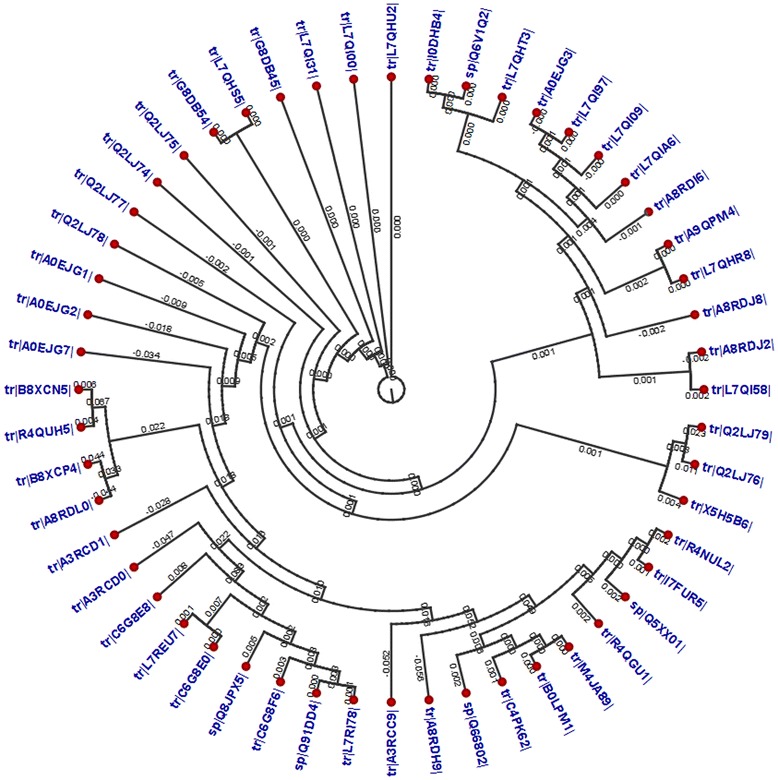
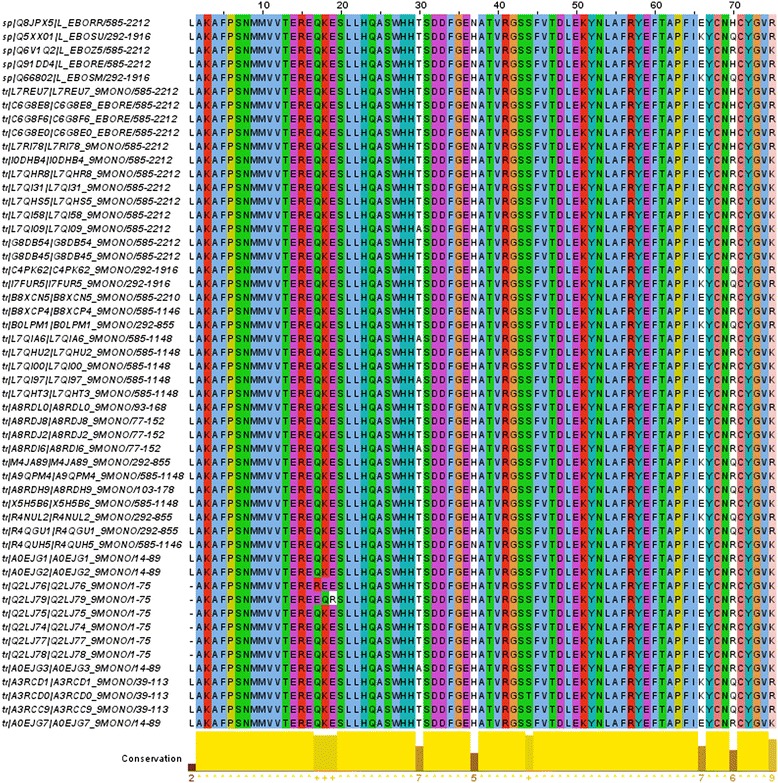
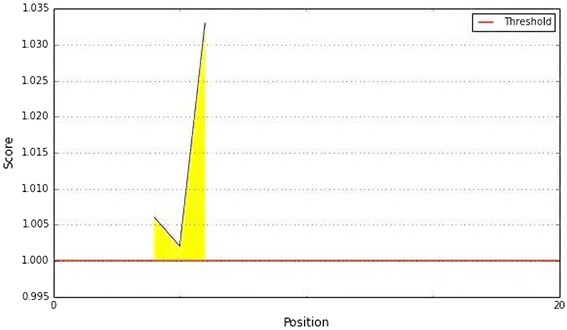
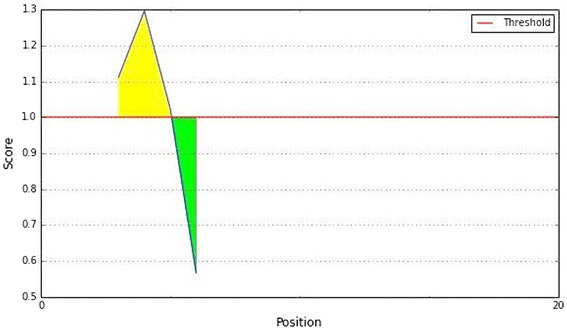
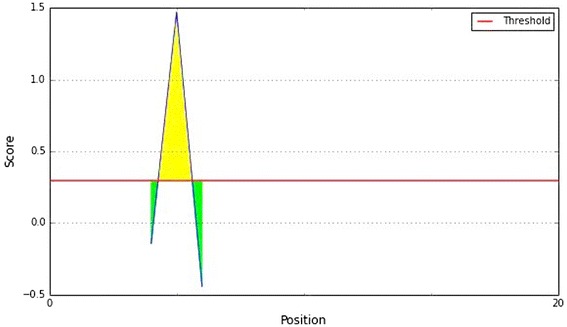
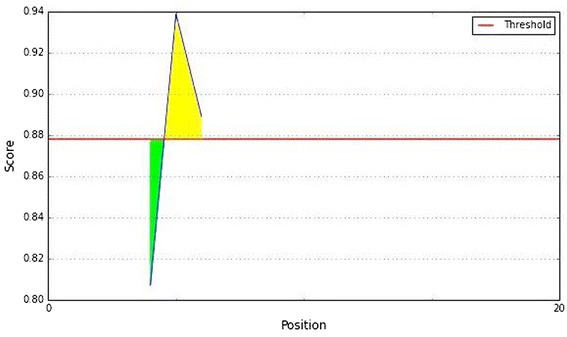
In the present study, we used the immunoinformatics approach to design a potential epitope-based vaccine against the RNA-dependent RNA polymerase-L of EBOV. BioEdit v7.2.3 sequence alignment editor, Jalview v2 and CLC Sequence Viewer v7.0.2 were used for the initial sequence analysis for securing the conservancy from the sequences. Later the Immune Epitope Database and Analysis Resource (IEDB-AR) was used for the identification of T-cell and B-cellepitopes associated with type I and II major histocompatibility complex molecules analysis. Finally, the population coverage analysis was employed.
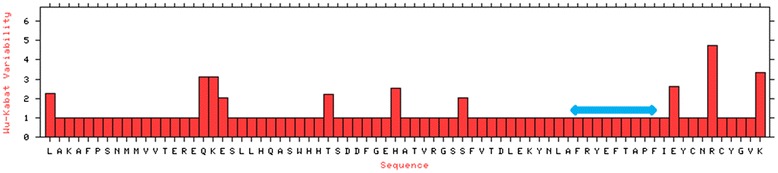
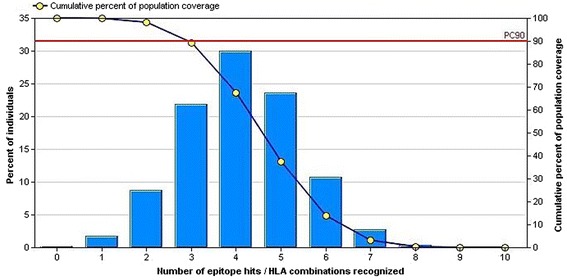
The core epitope "FRYEFTAPF" was found to be the most potential one, with 100 % conservancy among all the strains of EBOV. It also interacted with both type I and II major histocompatibility complex molecules and is considered as nonallergenic in nature. Finally, with impressive cumulative population coverage of 99.87 % for the both MHC-I and MHC-II class throughout the world population was found for the proposed epitope.
To end, the projected peptide gave us a solid stand to propose for vaccine consideration and that might be experimented for its potency in eliciting immunity through humoral and cell mediated immune responses in vitro and in vivo.
埃博拉病毒(EBOV)是一种在2014年全球范围内导致23825例病例和9675人死亡的病毒,平均疾病死亡率在25%至90%之间。尽管医学技术一直在努力解决这些问题,但目前尚无美国食品药品监督管理局(FDA)批准的用于预防、暴露后治疗或治疗埃博拉病毒病(EVD)的治疗方法或疫苗。
在本研究中,我们使用免疫信息学方法设计一种针对EBOV的RNA依赖性RNA聚合酶-L的潜在基于表位的疫苗。使用BioEdit v7.2.3序列比对编辑器、Jalview v2和CLC Sequence Viewer v7.0.2进行初始序列分析,以确保序列的保守性。随后,使用免疫表位数据库和分析资源(IEDB-AR)鉴定与I类和II类主要组织相容性复合体分子分析相关的T细胞和B细胞表位。最后,进行群体覆盖率分析。
发现核心表位“FRYEFTAPF”是最具潜力的表位,在所有EBOV毒株中保守性为100%。它还与I类和II类主要组织相容性复合体分子相互作用,并且在本质上被认为是非致敏性的。最后,对于所提出的表位,在全球人群中发现MHC-I和MHC-II类的累积群体覆盖率令人印象深刻,达到99.87%。
总之,预测的肽为我们提出疫苗考虑提供了坚实的依据,并且可以在体外和体内通过体液和细胞介导的免疫反应对其引发免疫的效力进行实验。