Chaly Anna L, Srisai Dollada, Gardner Ellen E, Sebag Julien A
Department of Molecular Physiology and Biophysics, Carver College of Medicine, University of Iowa, Iowa City, United States.
Fraternal Order of Eagle Diabetes Research Center, University of Iowa, Iowa City, United States.
Elife. 2016 Feb 1;5:e12397. doi: 10.7554/eLife.12397.
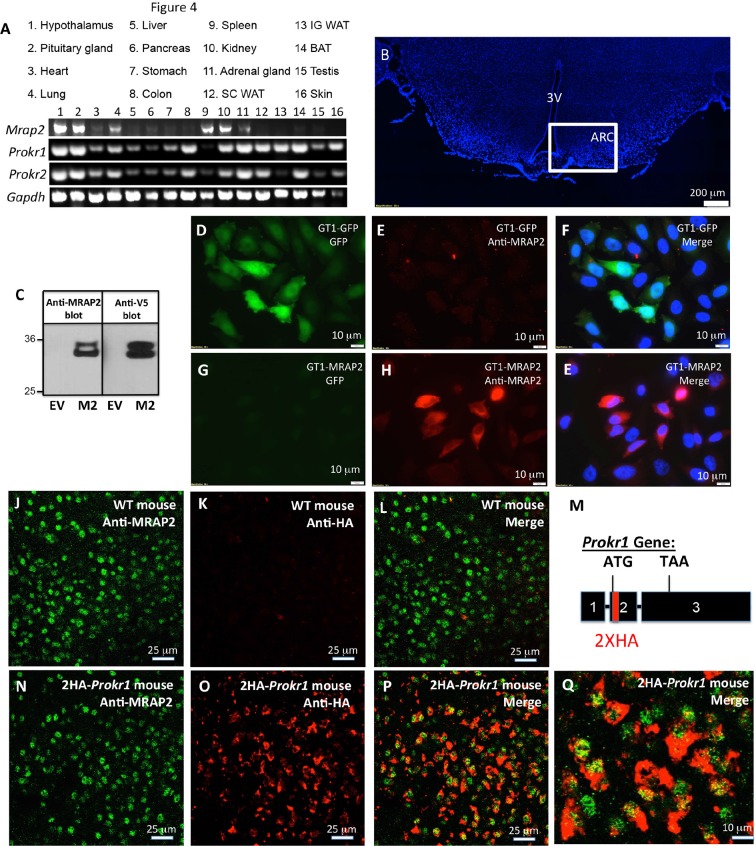
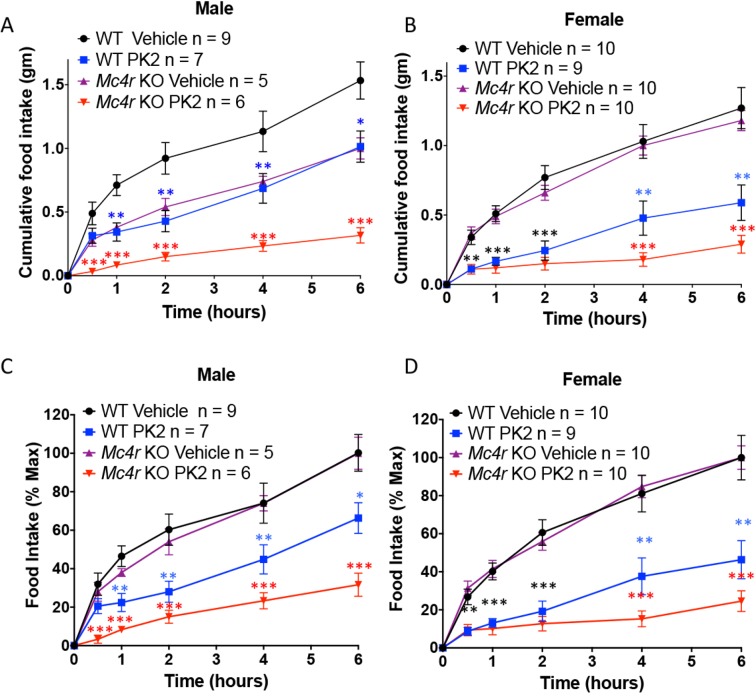
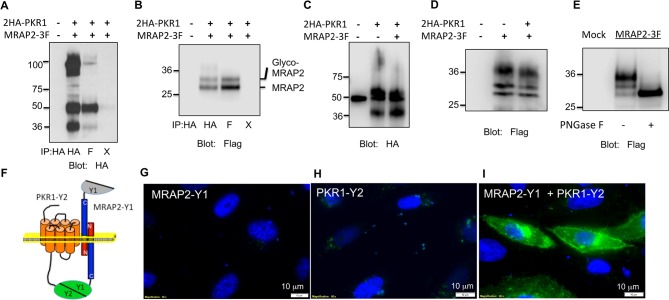
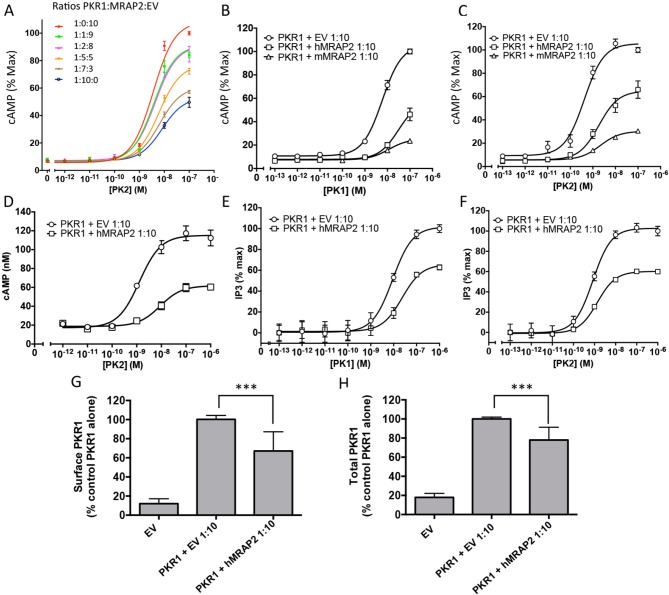
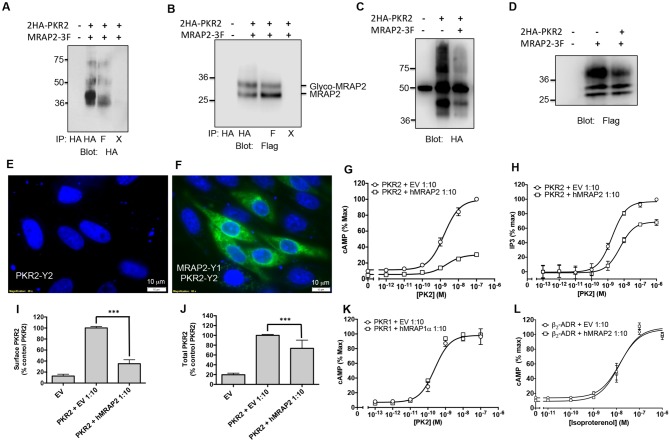
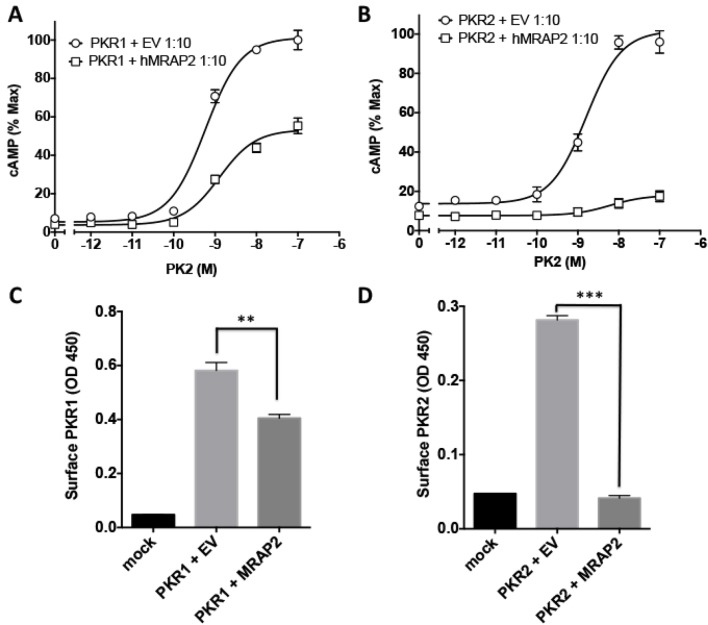
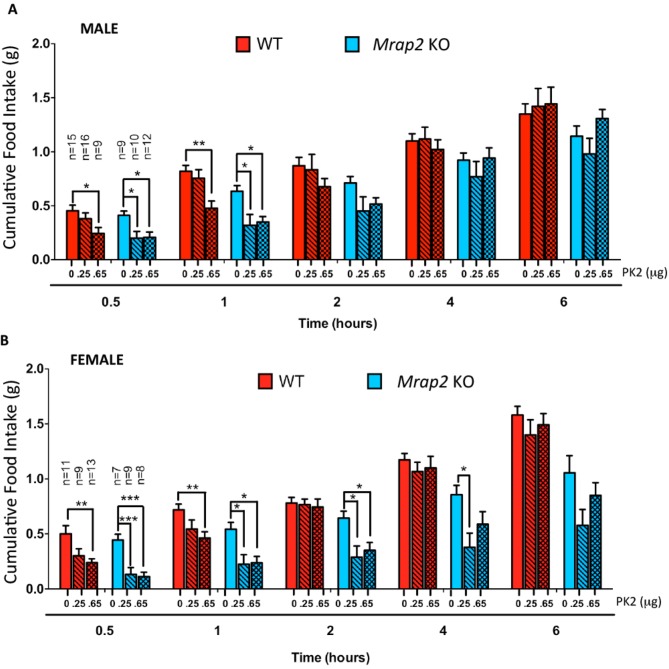
The Melanocortin Receptor Accessory Protein 2 (MRAP2) is an important regulator of energy homeostasis and its loss causes severe obesity in rodents. MRAP2 mediates its action in part through the potentiation of the MC4R, however, it is clear that MRAP2 is expressed in tissues that do not express MC4R, and that the deletion of MRAP2 does not recapitulate the phenotype of Mc4r KO mice. Consequently, we hypothesized that other GPCRs involved in the control of energy homeostasis are likely to be regulated by MRAP2. In this study we identified PKR1 as the first non-melanocortin GPCR to be regulated by MRAP2. We show that MRAP2 significantly and specifically inhibits PKR1 signaling. We also demonstrate that PKR1 and MRAP2 co-localize in neurons and that Mrap2 KO mice are hypersensitive to PKR1 stimulation. This study not only identifies new partners of MRAP2 but also a new pathway through which MRAP2 regulates energy homeostasis.
黑皮质素受体辅助蛋白2(MRAP2)是能量稳态的重要调节因子,其缺失会导致啮齿动物严重肥胖。MRAP2部分通过增强MC4R的作用来介导其功能,然而,很明显MRAP2在不表达MC4R的组织中表达,并且MRAP2的缺失并不能重现Mc4r基因敲除小鼠的表型。因此,我们推测参与能量稳态控制的其他G蛋白偶联受体(GPCR)可能受MRAP2调节。在本研究中,我们确定PKR1是首个受MRAP2调节的非黑皮质素GPCR。我们发现MRAP2能显著且特异性地抑制PKR1信号传导。我们还证明PKR1和MRAP2在神经元中共定位,并且Mrap2基因敲除小鼠对PKR1刺激高度敏感。本研究不仅鉴定出MRAP2的新伙伴,还发现了MRAP2调节能量稳态的新途径。