Section of Comparative Medicine and Program on Integrative Cell Signaling and Neurobiology of Metabolism, Yale School of Medicine, New Haven, CT 06520, USA.
Edison Biotechnology Institute, Ohio University, Athens, OH 45701, USA.
Cell Rep. 2016 Feb 23;14(7):1571-1580. doi: 10.1016/j.celrep.2016.01.044. Epub 2016 Feb 11.
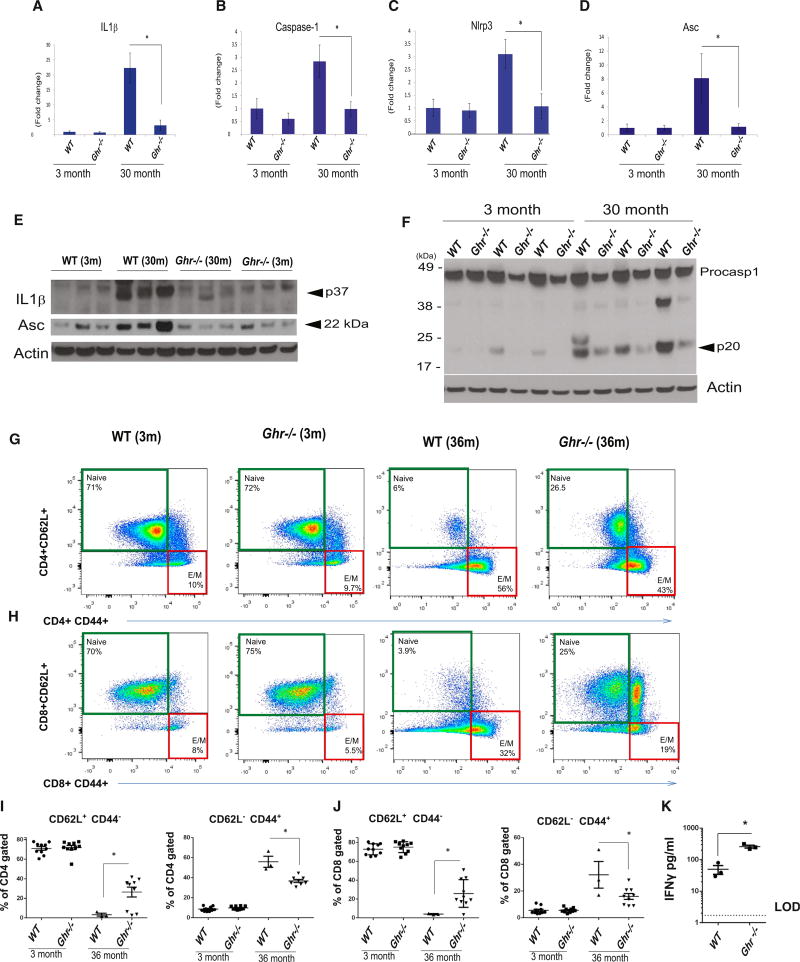
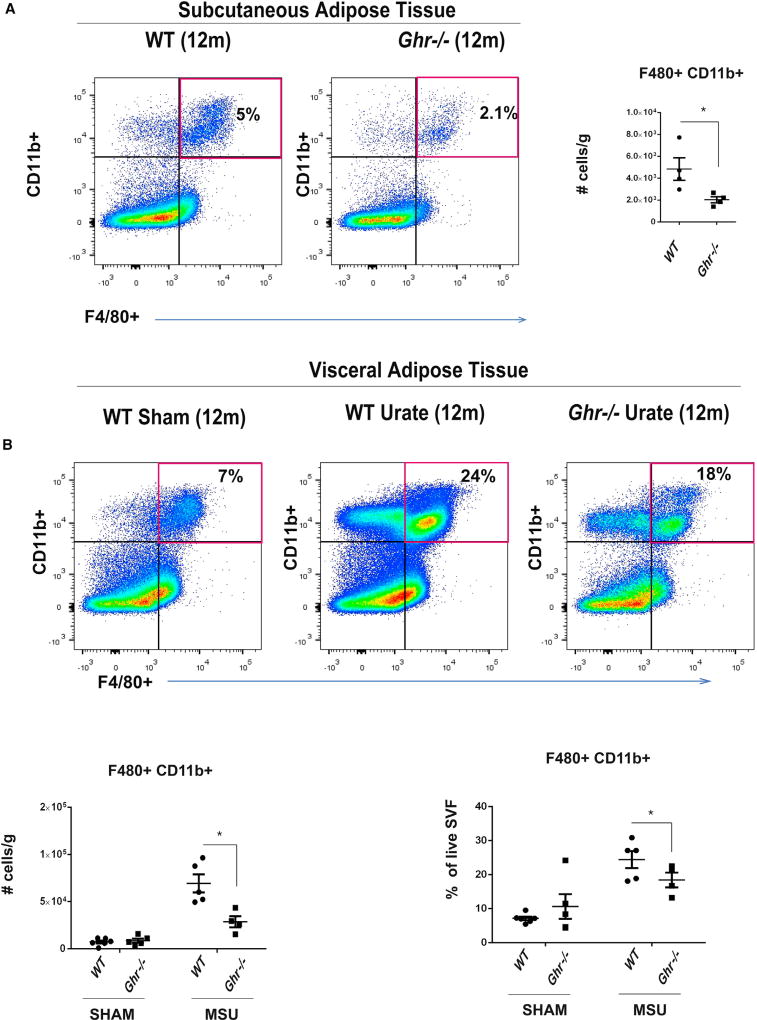
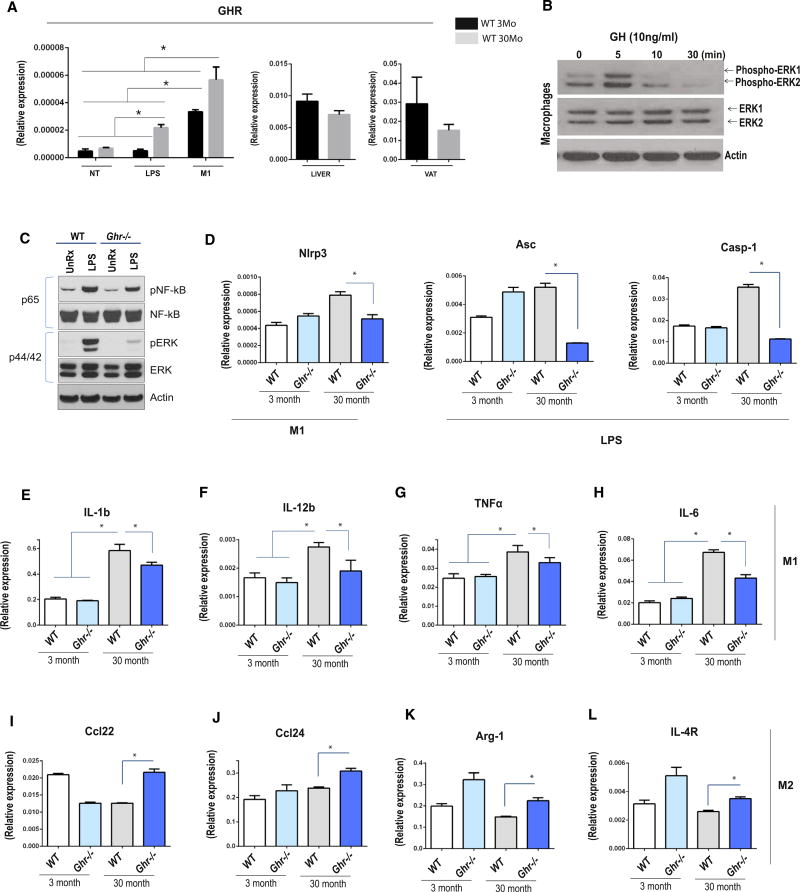
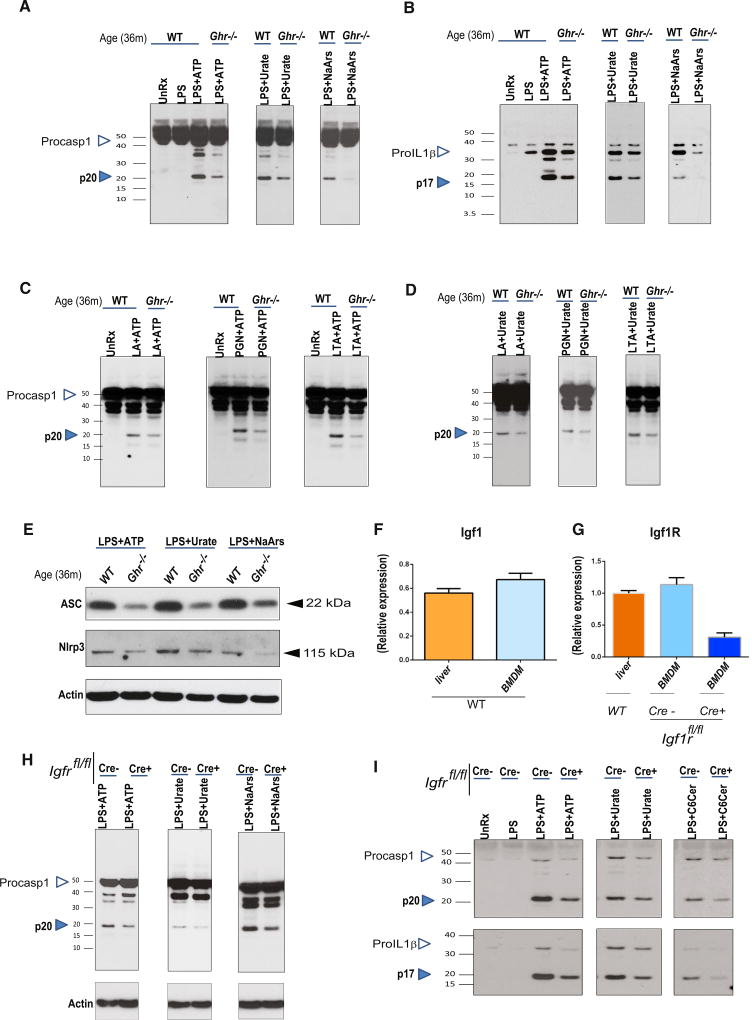
The hallmarks of age-related immune senescence are chronic inflammation, aberrant expansion of effector memory, and loss of naive T lymphocytes due in part to systemic activation of innate immune sensor NLRP3 inflammasome in myeloid lineage cells. The endogenous mechanisms that regulate inflammasome activation during aging are unknown. Here, we present evidence that growth hormone receptor (GH-R)-dependent downregulation of NLRP3 inflammasome in macrophages is linked to pro-longevity effects that maintain immune system homeostasis in aging. Deletion of GH-R prevented the macrophage-driven age-related activation of inflammasome in response to NLRP3 ligands and also increased the preservation of naive T cells, even in advanced age and with higher IFNγ secretion from effector cells. The mechanism of inflammasome inhibition is linked to autocrine somatotropic axis as ablation of IGF1R in macrophages lowered the NLRP3 inflammasome activation. Together, our findings show that functional somatotropic axis in macrophages controls inflammation, thus linking NLRP3-mediated innate immune signaling to health span and longevity.
与年龄相关的免疫衰老的特征是慢性炎症、效应记忆细胞的异常扩增以及幼稚 T 淋巴细胞的缺失,这部分是由于髓样细胞中固有免疫传感器 NLRP3 炎性小体的系统激活。调节衰老过程中炎性小体激活的内源性机制尚不清楚。在这里,我们提供的证据表明,生长激素受体 (GH-R) 依赖性下调巨噬细胞中的 NLRP3 炎性小体与延长寿命的效应有关,这些效应维持衰老过程中的免疫系统稳态。GH-R 的缺失可防止巨噬细胞驱动的 NLRP3 配体引起的与年龄相关的炎性小体的激活,并且即使在老年时和效应细胞中 IFNγ 分泌增加时,也能更好地保留幼稚 T 细胞。炎性小体抑制的机制与自分泌生长激素轴有关,因为巨噬细胞中 IGF1R 的缺失降低了 NLRP3 炎性小体的激活。总之,我们的研究结果表明,巨噬细胞中功能性生长激素轴控制炎症,从而将 NLRP3 介导的先天免疫信号与健康寿命和长寿联系起来。