Casella Donato, Calabrese Claudio, Bianchi Simonetta, Meattini Icro, Bernini Marco
Oncologic and Reconstructive Breast Surgery, Breast Unit, Oncology Department, Careggi University Hospital, Florence, Italy; Pathology Division, Department of Surgery and Translational Medicine, Careggi University Hospital, Florence, Italy; and Radiation-Oncology Division, Oncology Department, Careggi University Hospital, Florence, Italy.
Plast Reconstr Surg Glob Open. 2016 Jan 7;3(12):e577. doi: 10.1097/GOX.0000000000000549. eCollection 2015 Dec.
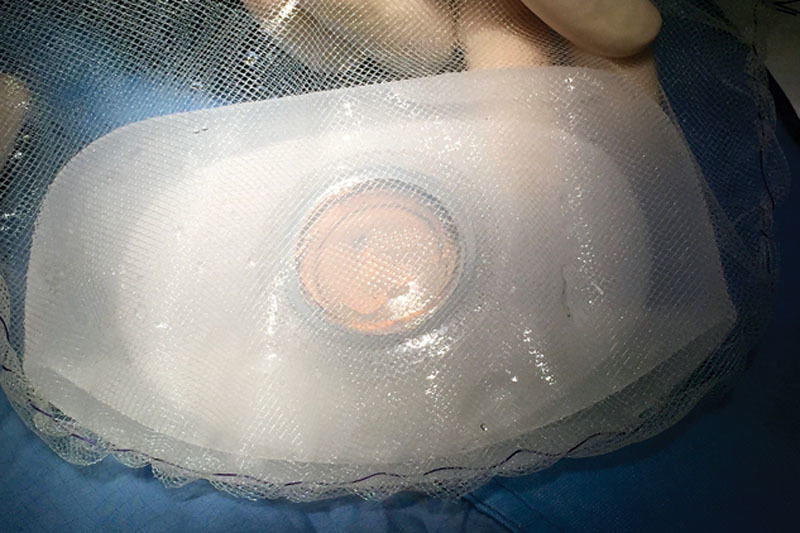
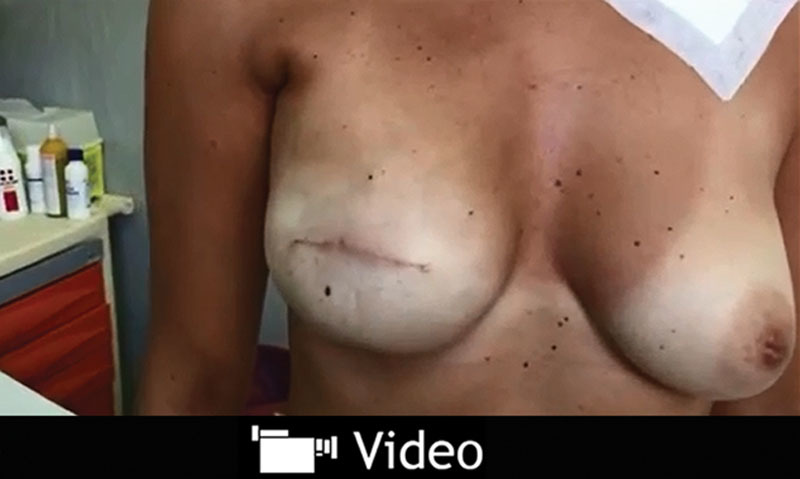
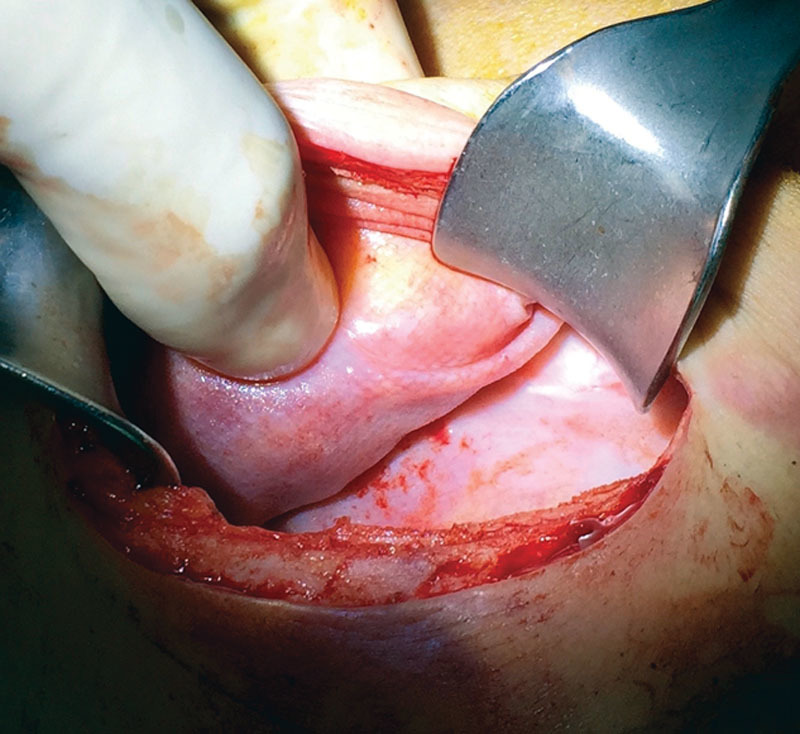
A subcutaneous, prepectoral, muscle-sparing approach has been recently described for implant-based breast reconstruction. This is a preliminary series of 2-stage breast reconstructions by means of tissue expander placed subcutaneously with the support of a titanium-coated polypropylene mesh. A pilot series of cases was started in 2012. Inclusion criteria were informed consent, age less than 80 years, normal body mass index (range, 18.5-24.9), no T4 and metastatic cancers, no comorbidities, and nonsmoking patients. Expander losses, infections, seromas, skin/nipple necrosis, wound dehiscence, and reinterventions were registered in follow-up visits. Furthermore, patients were followed up in second-stage procedures and for at least 1 year from implant positioning to collect any surgical complication, reinterventions, cosmetic outcome, and oncological data. Between June 2012 and March 2014, 25 cases were enrolled in the study. Expander/implant loss rate was 0%. Skin/nipple necrosis rate was 4%. Infections rate was 12% after first-stage and 4% after second-stage procedure. Seromas rate was 0%. Five (20%) fat graft procedures were performed over the expander before second-stage reconstruction, and no reinterventions were required after second stage. Patients mean score was 99 for cosmetic outcome satisfaction, in a 0-100 scale. Subcutaneous 2-stage reconstruction with synthetic mesh proved safe and feasible. Patients satisfaction is very good after 14 months median follow-up form definitive implant placement. Although the present study involved only a small number of cases, a tissue-expander subcutaneous reconstruction seems to have promising results. Whenever pectoralis major muscle can be spared, a conservative reconstruction might be an option.
最近有人描述了一种用于植入物乳房重建的皮下、胸肌前、保留肌肉的方法。这是一系列初步的两阶段乳房重建,通过在钛涂层聚丙烯网的支撑下皮下放置组织扩张器来进行。2012年开始了一系列试点病例。纳入标准为知情同意、年龄小于80岁、正常体重指数(范围18.5 - 24.9)、无T4期和转移性癌症、无合并症以及非吸烟患者。在随访中记录扩张器丢失、感染、血清肿、皮肤/乳头坏死、伤口裂开及再次干预情况。此外,对患者进行二期手术随访,并从植入物定位起至少随访1年,以收集任何手术并发症、再次干预、美容效果及肿瘤学数据。2012年6月至2014年3月期间,25例患者纳入本研究。扩张器/植入物丢失率为0%。皮肤/乳头坏死率为4%。一期手术后感染率为12%,二期手术后为4%。血清肿发生率为0%。在二期重建前,对5例(20%)扩张器进行了脂肪移植手术,二期后无需再次干预。患者美容效果满意度平均评分为99分(满分100分)。合成网皮下两阶段重建被证明是安全可行的。在最终植入物放置后中位随访14个月,患者满意度非常好。尽管本研究仅涉及少数病例,但组织扩张器皮下重建似乎有良好的结果。只要能保留胸大肌,保守重建可能是一种选择。