Prendergast Mary E, Rouby Hélène, Punnwong Paramita, Marchant Robert, Crowther Alison, Kourampas Nikos, Shipton Ceri, Walsh Martin, Lambeck Kurt, Boivin Nicole L
Department of Sociology & Anthropology, Saint Louis University, Madrid, Spain.
Laboratoire de Géologie de l'École Normale Supérieure, UMR 8538 du CNRS, 75231 Paris, France.
PLoS One. 2016 Feb 22;11(2):e0149565. doi: 10.1371/journal.pone.0149565. eCollection 2016.
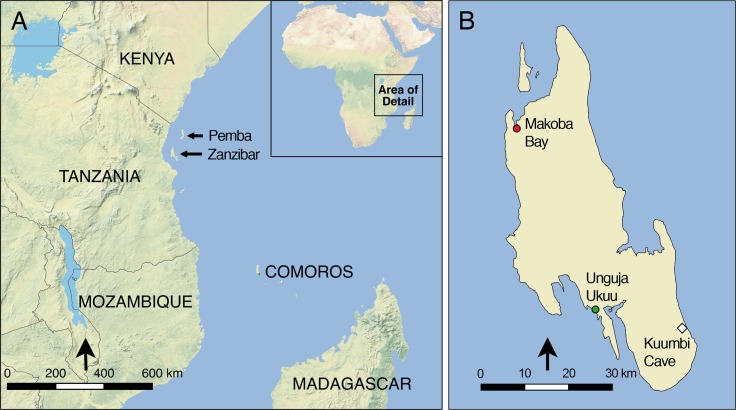
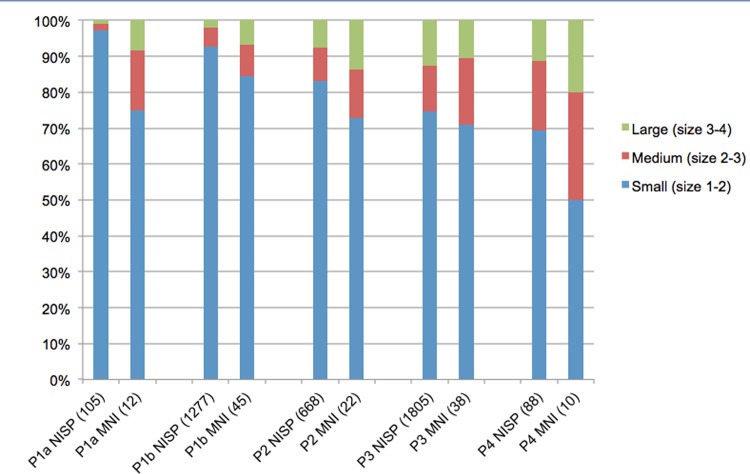
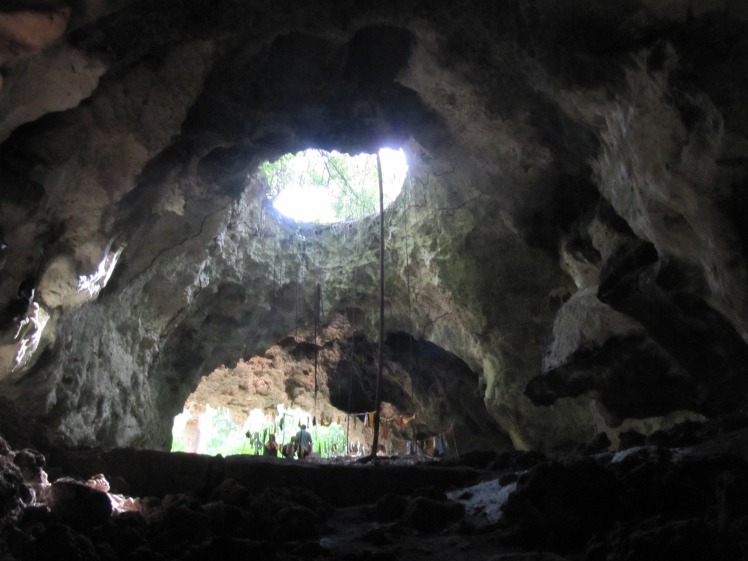
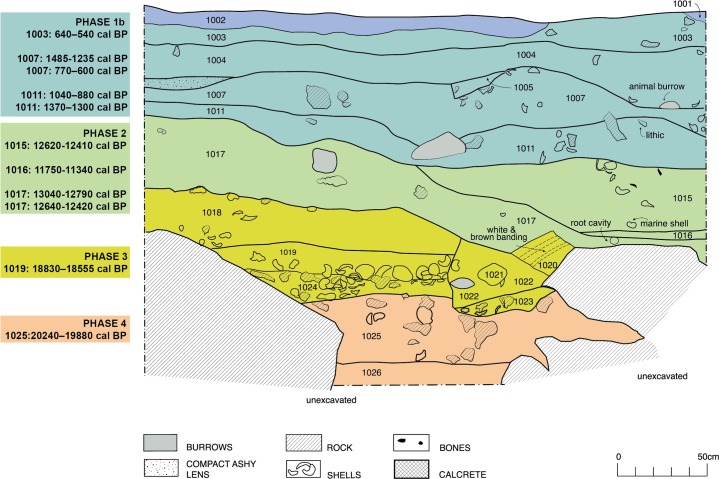
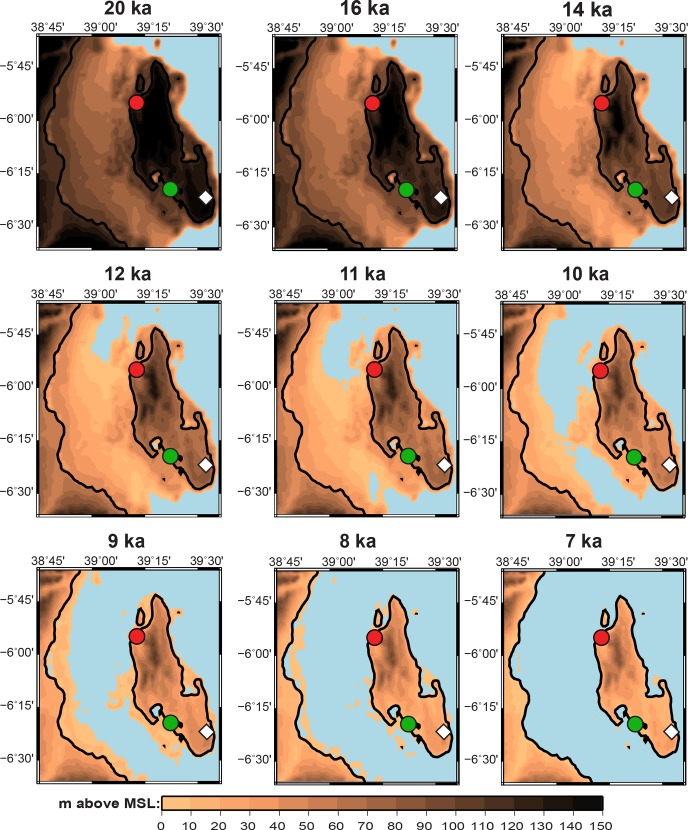
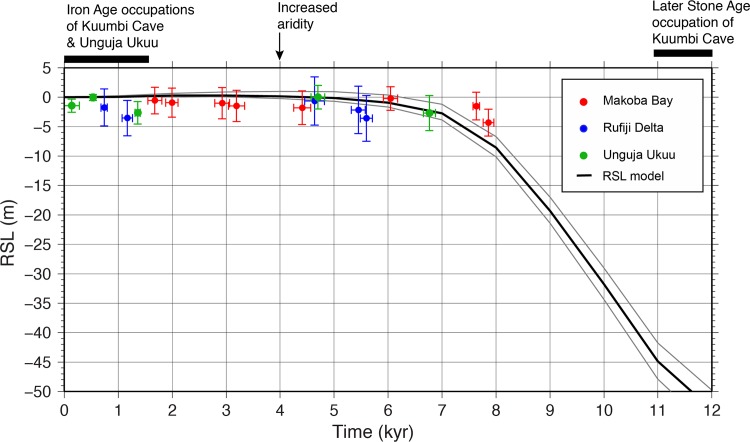
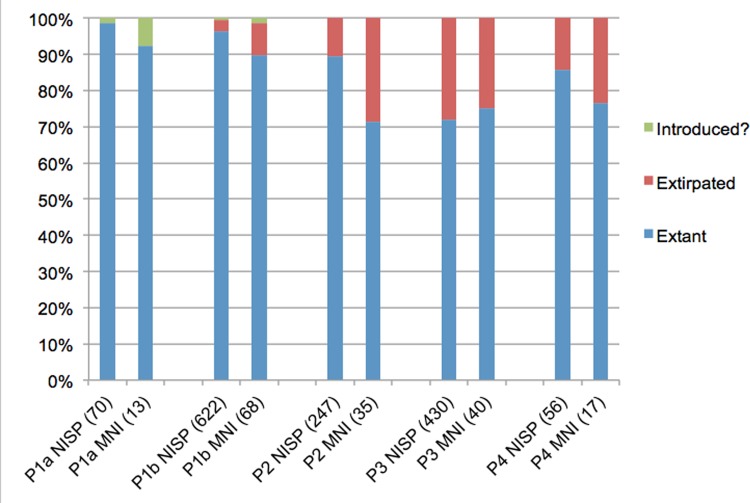
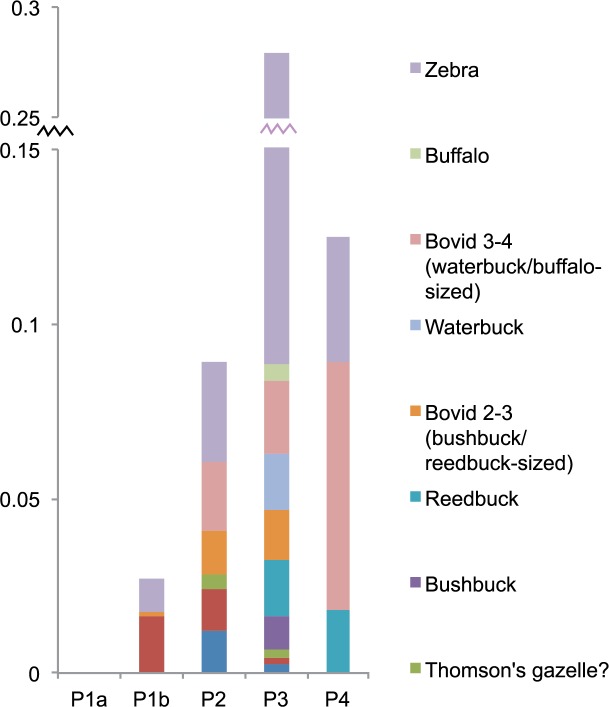
With rising sea levels at the end of the Pleistocene, land-bridge or continental islands were formed around the world. Many of these islands have been extensively studied from a biogeographical perspective, particularly in terms of impacts of island creation on terrestrial vertebrates. However, a majority of studies rely on contemporary faunal distributions rather than fossil data. Here, we present archaeological findings from the island of Zanzibar (also known as Unguja) off the eastern African coast, to provide a temporal perspective on island biogeography. The site of Kuumbi Cave, excavated by multiple teams since 2005, has revealed the longest cultural and faunal record for any eastern African island. This record extends to the Late Pleistocene, when Zanzibar was part of the mainland, and attests to the extirpation of large mainland mammals in the millennia after the island became separated. We draw on modeling and sedimentary data to examine the process by which Zanzibar was most recently separated from the mainland, providing the first systematic insights into the nature and chronology of this process. We subsequently investigate the cultural and faunal record from Kuumbi Cave, which provides at least five key temporal windows into human activities and faunal presence: two at the end of the Last Glacial Maximum (LGM), one during the period of post-LGM rapid sea level rise and island formation, and two in the late Holocene (Middle Iron Age and Late Iron Age). This record demonstrates the presence of large mammals during the period of island formation, and their severe reduction or disappearance in the Kuumbi Cave sequence by the late Holocene. While various limitations, including discontinuity in the sequence, problematize attempts to clearly attribute defaunation to anthropogenic or island biogeographic processes, Kuumbi Cave offers an unprecedented opportunity to examine post-Pleistocene island formation and its long-term consequences for human and animal communities.
在更新世末期海平面上升的过程中,世界各地形成了陆桥或大陆岛。从生物地理学的角度对其中许多岛屿进行了广泛研究,特别是在岛屿形成对陆地脊椎动物的影响方面。然而,大多数研究依赖于当代动物区系分布,而非化石数据。在此,我们展示了来自东非海岸外桑给巴尔岛(又称温古贾岛)的考古发现,以提供岛屿生物地理学的时间视角。自2005年以来,多个团队对昆比洞穴遗址进行了发掘,该遗址揭示了东非任何岛屿最长的文化和动物区系记录。这一记录可追溯到更新世晚期,当时桑给巴尔是大陆的一部分,并证明了该岛分离后的数千年间大型大陆哺乳动物的灭绝。我们利用模型和沉积数据来研究桑给巴尔最近一次从大陆分离的过程,首次对这一过程的性质和年代顺序提供了系统的见解。随后,我们研究了昆比洞穴的文化和动物区系记录,它提供了至少五个关于人类活动和动物存在的关键时间窗口:两个在末次盛冰期(LGM)末期,一个在LGM后海平面快速上升和岛屿形成时期,还有两个在全新世晚期(中铁器时代和晚铁器时代)。这一记录表明在岛屿形成时期大型哺乳动物的存在,以及到全新世晚期它们在昆比洞穴序列中的严重减少或消失。尽管存在各种限制,包括序列的不连续性,使得难以明确将动物灭绝归因于人为或岛屿生物地理过程,但昆比洞穴提供了一个前所未有的机会来研究更新世后的岛屿形成及其对人类和动物群落的长期影响。