Schoenberg Nancy E, Eddens Kathryn, Jonas Adam, Snell-Rood Claire, Studts Christina R, Broder-Oldach Benjamin, Katz Mira L
Department of Behavioral Science, University of Kentucky, Lexington, KY, USA;
Department of Health Behavior, University of Kentucky, Lexington, KY, USA.
Int J Qual Stud Health Well-being. 2016 Feb 22;11:30396. doi: 10.3402/qhw.v11.30396. eCollection 2016.
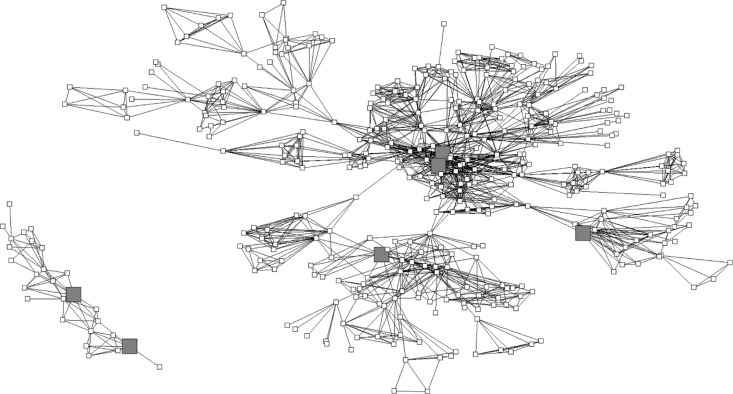
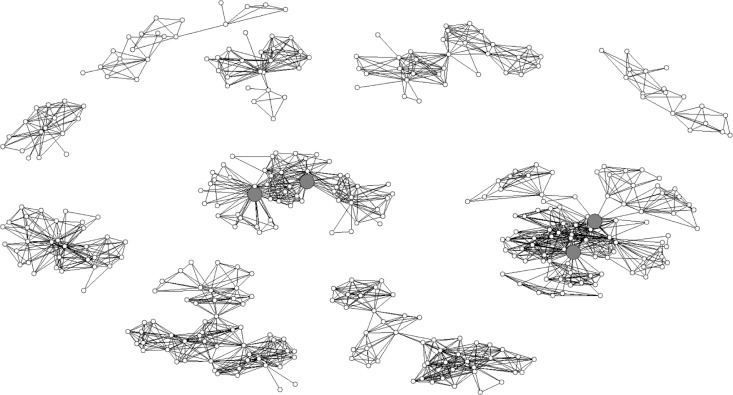
Social networks influence health behavior and health status. Within social networks, "key players" often influence those around them, particularly in traditionally underserved areas like the Appalachian region in the USA. From a total sample of 787 Appalachian residents, we identified and interviewed 10 key players in complex networks, asking them what comprises a key player, their role in their network and community, and ideas to overcome and increase colorectal cancer (CRC) screening. Key players emphasized their communication skills, resourcefulness, and special occupational and educational status in the community. Barriers to CRC screening included negative perceptions of the colonoscopy screening procedure, discomfort with the medical system, and misinformed perspectives on screening. Ideas to improve screening focused on increasing awareness of women's susceptibility to CRC, providing information on different screening tests, improving access, and the key role of health-care providers and key players themselves. We provide recommendations to leverage these vital community resources.
社交网络会影响健康行为和健康状况。在社交网络中,“关键人物”常常会影响他们周围的人,在美国阿巴拉契亚地区这样传统上服务不足的地区尤其如此。从787名阿巴拉契亚居民的总样本中,我们识别并采访了复杂网络中的10位关键人物,询问他们成为关键人物的要素、他们在自身网络和社区中的角色,以及克服和增加结直肠癌(CRC)筛查的想法。关键人物强调了他们的沟通技巧、足智多谋以及在社区中的特殊职业和教育地位。CRC筛查的障碍包括对结肠镜检查筛查程序的负面看法、对医疗系统的不适,以及对筛查的错误认知。改善筛查的想法集中在提高对女性患CRC易感性的认识、提供不同筛查测试的信息、改善可及性,以及医疗保健提供者和关键人物自身的关键作用。我们提供了利用这些重要社区资源的建议。