Karnaouri Anthi, Matsakas Leonidas, Topakas Evangelos, Rova Ulrika, Christakopoulos Paul
Biochemical Process Engineering, Chemical Engineering, Department of Civil, Environmental and Natural Resources Engineering, Luleå University of Technology Luleå, Sweden.
Biochemical Process Engineering, Chemical Engineering, Department of Civil, Environmental and Natural Resources Engineering, Luleå University of TechnologyLuleå, Sweden; Biotechnology Laboratory, Department of Synthesis and Development of Industrial Processes, School of Chemical Engineering, National Technical University of AthensAthens, Greece.
Front Microbiol. 2016 Feb 16;7:177. doi: 10.3389/fmicb.2016.00177. eCollection 2016.
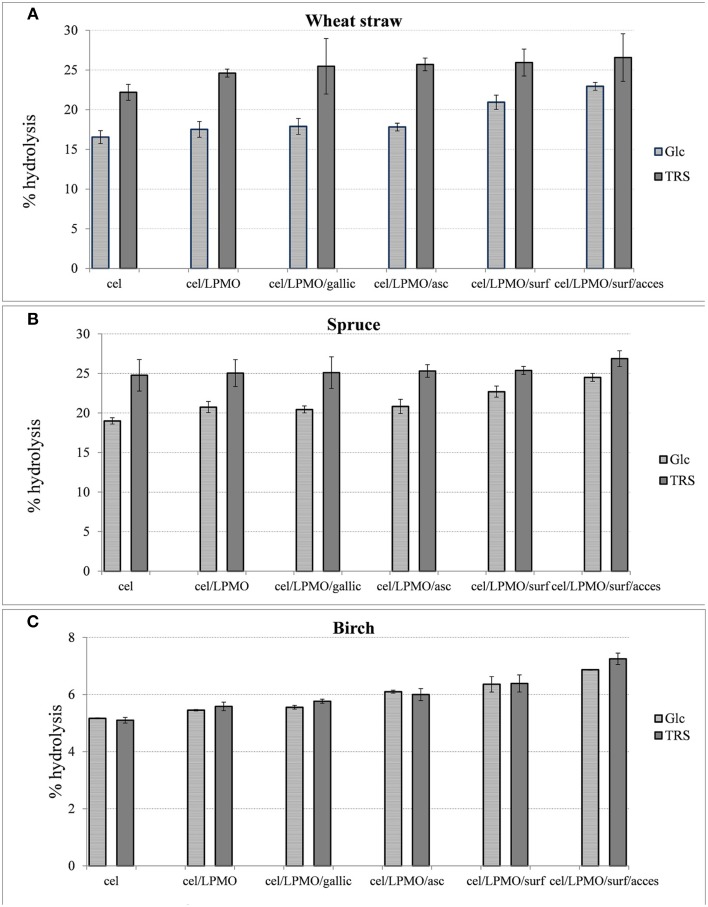
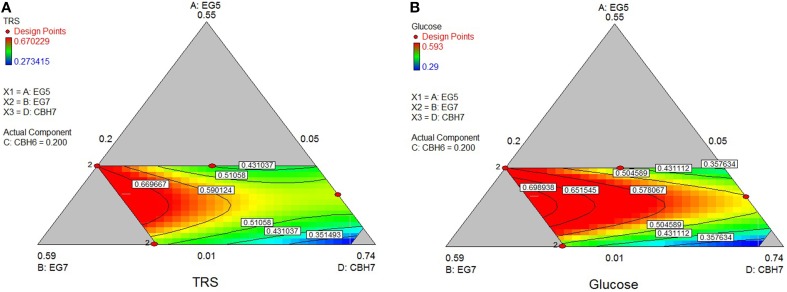
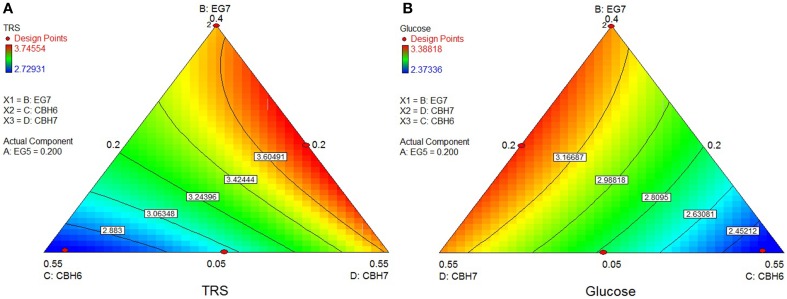
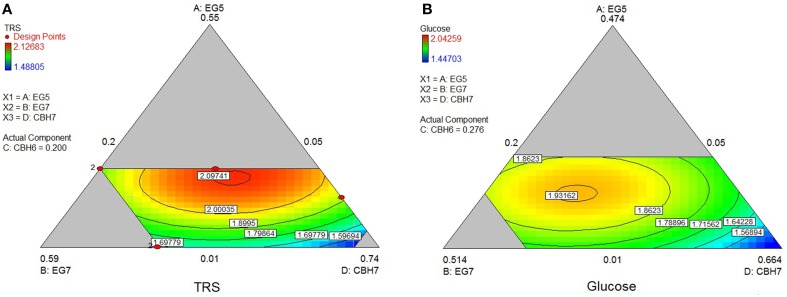
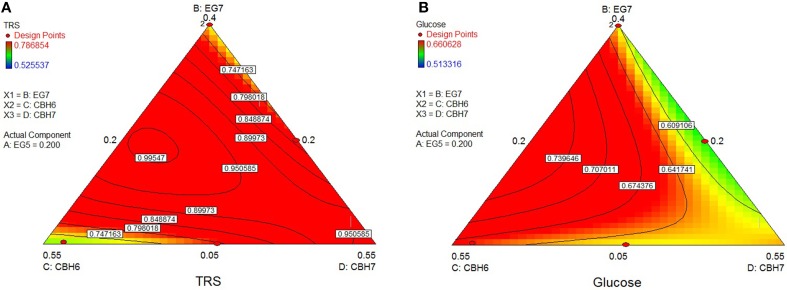
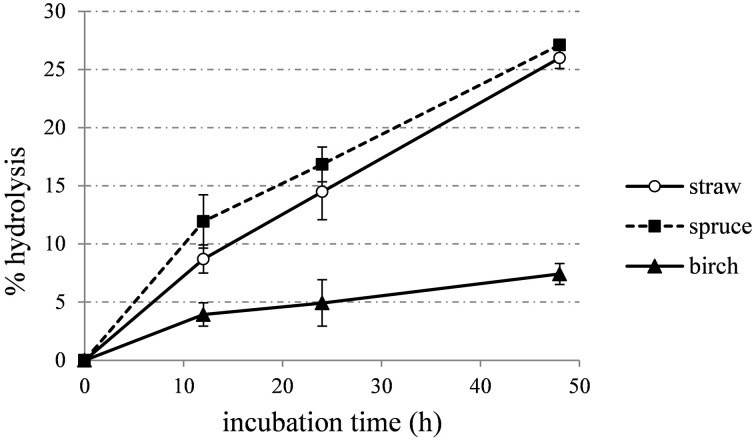
Even though the main components of all lignocellulosic feedstocks include cellulose, hemicellulose, as well as the protective lignin matrix, there are some differences in structure, such as in hardwoods and softwoods, which may influence the degradability of the materials. Under this view, various types of biomass might require a minimal set of enzymes that has to be tailor-made. Partially defined complex mixtures that are currently commercially used are not adapted to efficiently degrade different materials, so novel enzyme mixtures have to be customized. Development of these cocktails requires better knowledge about the specific activities involved, in order to optimize hydrolysis. The role of filamentous fungus Myceliophthora thermophila and its complete enzymatic repertoire for the bioconversion of complex carbohydrates has been widely proven. In this study, four core cellulases (MtCBH7, MtCBH6, MtEG5, and MtEG7), in the presence of other four "accessory" enzymes (mannanase, lytic polyssacharide monooxygenase MtGH61, xylanase, MtFae1a) and β-glucosidase MtBGL3, were tested as a nine-component cocktail against one model substrate (phosphoric acid swollen cellulose) and four hydrothermally pretreated natural substrates (wheat straw as an agricultural waste, birch, and spruce biomass, as forest residues). Synergistic interactions among different enzymes were determined using a suitable design of experiments methodology. The results suggest that for the hydrolysis of the pure substrate (PASC), high proportions of MtEG7 are needed for efficient yields. MtCBH7 and MtEG7 are enzymes of major importance during the hydrolysis of pretreated wheat straw, while MtCBH7 plays a crucial role in case of spruce. Cellobiohydrolases MtCBH6 and MtCBH7 act in combination and are key enzymes for the hydrolysis of the hardwood (birch). Optimum combinations were predicted from suitable statistical models which were able to further increase hydrolysis yields, suggesting that tailor-made enzyme mixtures targeted toward a particular residual biomass can help maximize hydrolysis yields. The present work demonstrates the change from "one cocktail for all" to "tailor-made cocktails" that are needed for the efficient saccharification of targeted feed stocks prior to the production of biobased products through the biorefinery concept.
尽管所有木质纤维素原料的主要成分都包括纤维素、半纤维素以及保护性的木质素基质,但在结构上仍存在一些差异,例如硬木和软木的结构差异,这可能会影响材料的可降解性。基于此观点,各种类型的生物质可能需要一组经过量身定制的最少数量的酶。目前商业上使用的部分定义的复杂混合物并不适合有效降解不同的材料,因此必须定制新型酶混合物。开发这些酶混合物需要更好地了解其中涉及的特定活性,以便优化水解过程。丝状真菌嗜热栖热菌及其完整的酶库在复杂碳水化合物生物转化中的作用已得到广泛证实。在本研究中,四种核心纤维素酶(MtCBH7、MtCBH6、MtEG5和MtEG7),与其他四种“辅助”酶(甘露聚糖酶、裂解多糖单加氧酶MtGH61、木聚糖酶、MtFae1a)以及β-葡萄糖苷酶MtBGL3一起,作为一种九组分混合物,针对一种模型底物(磷酸膨胀纤维素)和四种水热预处理的天然底物(作为农业废弃物的小麦秸秆、桦木和云杉木生物质,作为森林残留物)进行了测试。使用合适的实验设计方法确定了不同酶之间的协同相互作用。结果表明,对于纯底物(PASC)的水解,高效产率需要高比例的MtEG7。在预处理小麦秸秆的水解过程中,MtCBH7和MtEG7是至关重要的酶,而在云杉木的情况下,MtCBH7起着关键作用。纤维二糖水解酶MtCBH6和MtCBH7协同作用,是硬木(桦木)水解的关键酶。通过合适的统计模型预测了最佳组合,这些模型能够进一步提高水解产率,这表明针对特定残余生物质量身定制的酶混合物有助于最大化水解产率。目前的工作展示了从“一种通用混合物”到“量身定制混合物”的转变,这是通过生物炼制概念在生产生物基产品之前对目标原料进行有效糖化所必需的。