Centre for Novel Agricultural Products, Department of Biology, University of York, York, United Kingdom.
York Structural Biology Laboratory, Department of Chemistry, The University of York, York, United Kingdom.
Microbiol Spectr. 2024 Jul 2;12(7):e0394323. doi: 10.1128/spectrum.03943-23. Epub 2024 May 17.
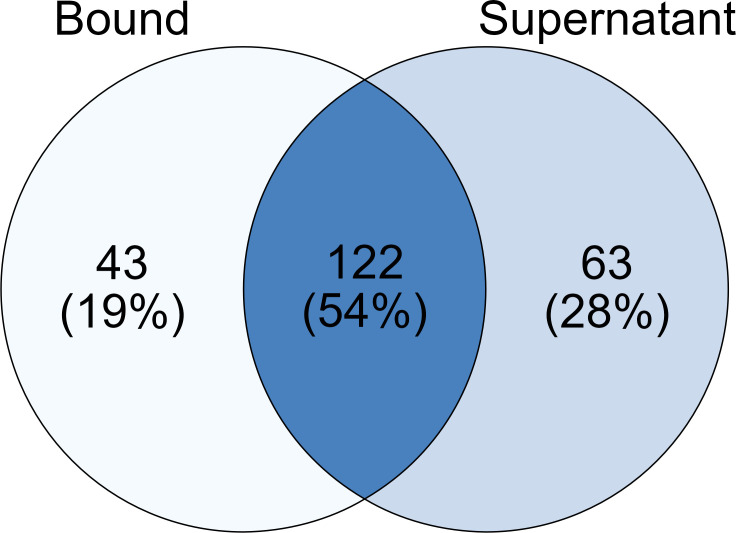
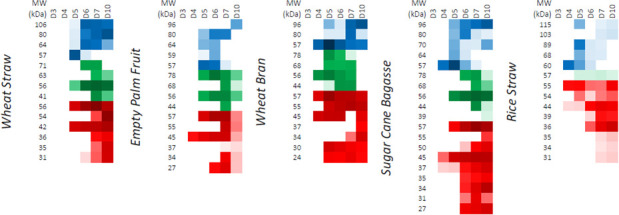
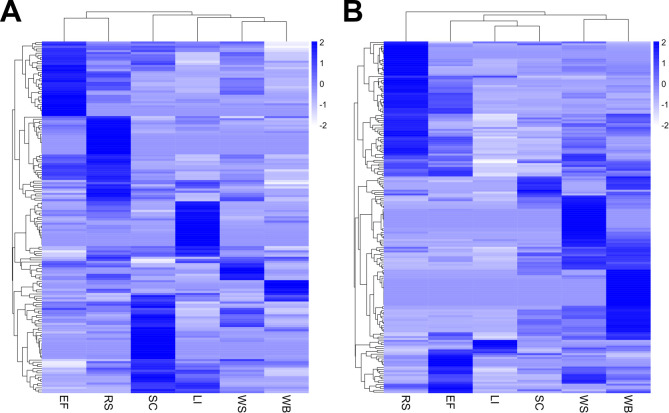
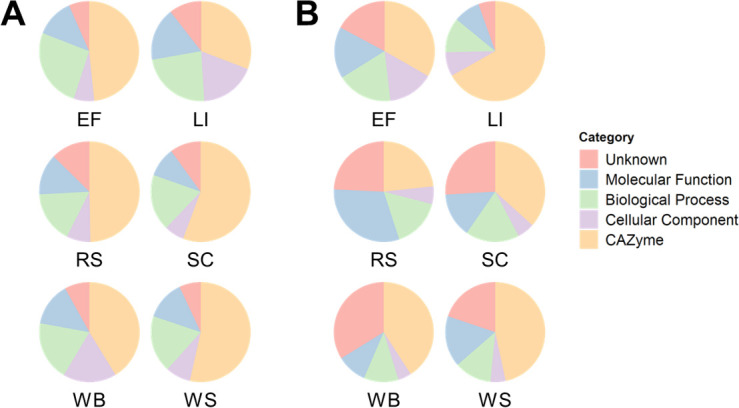
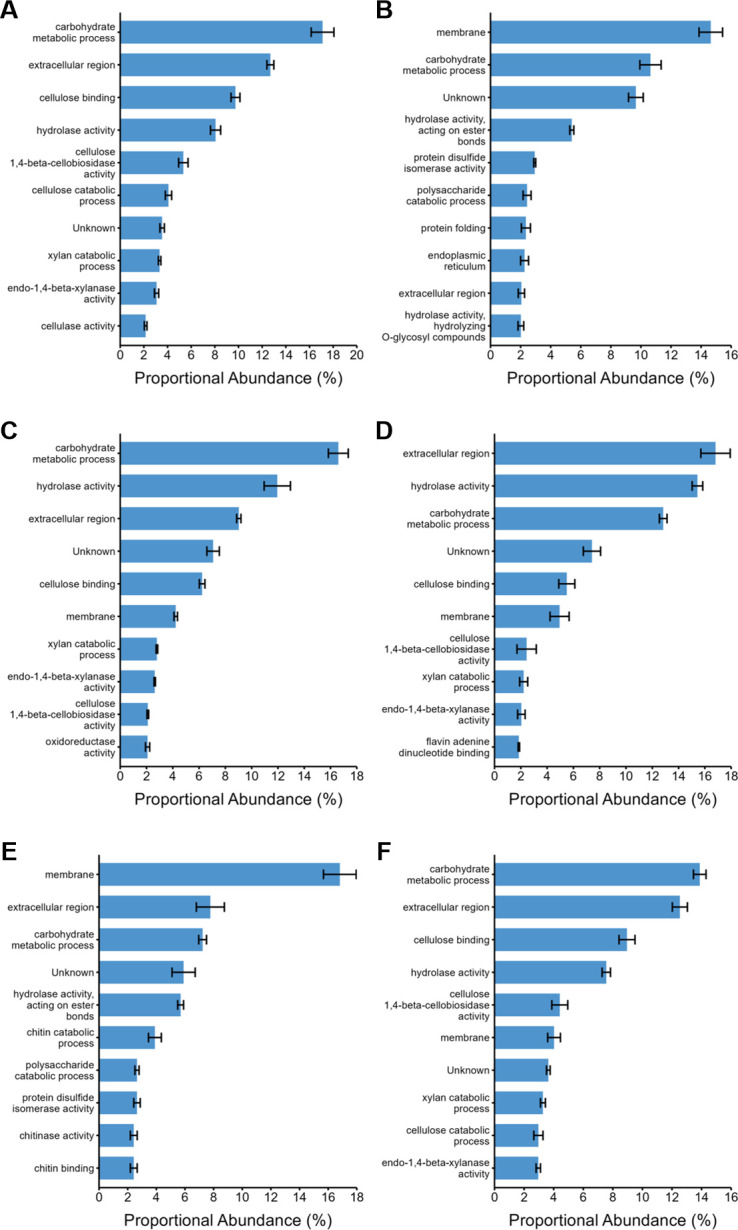
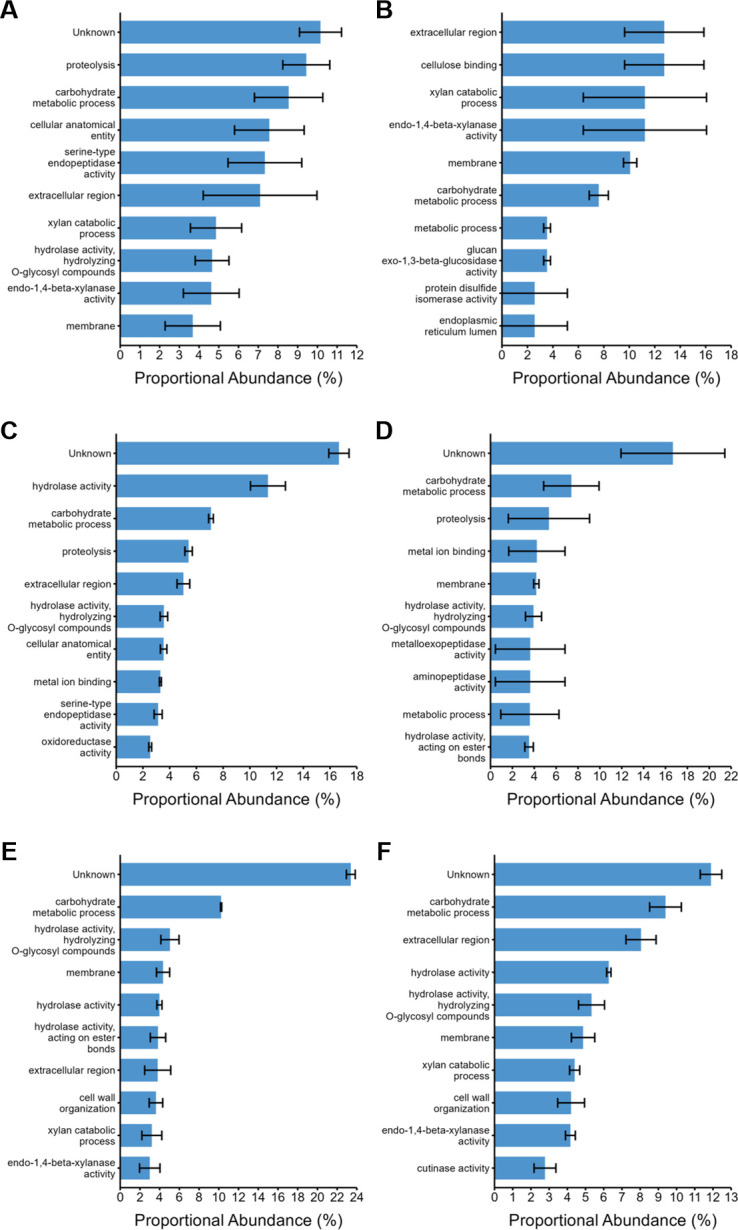
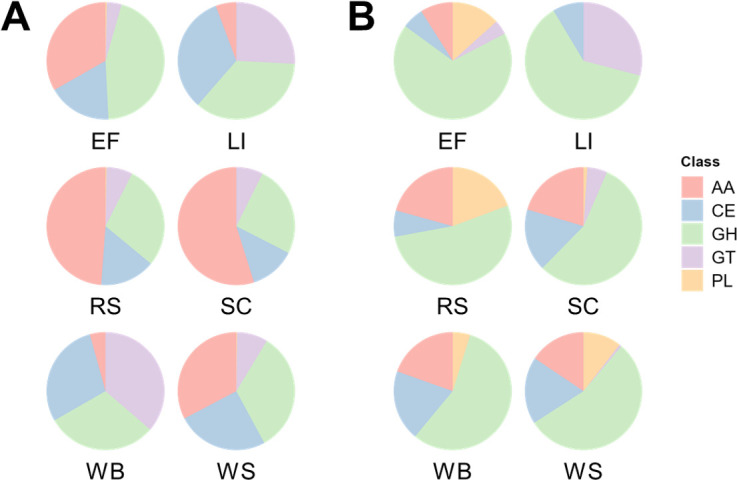
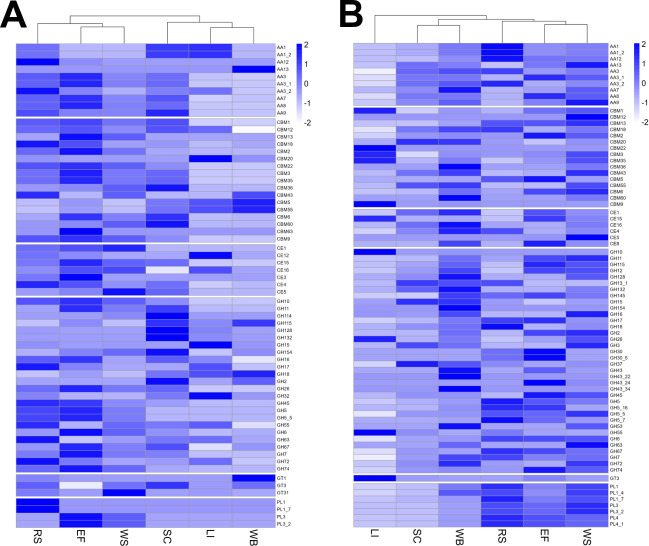
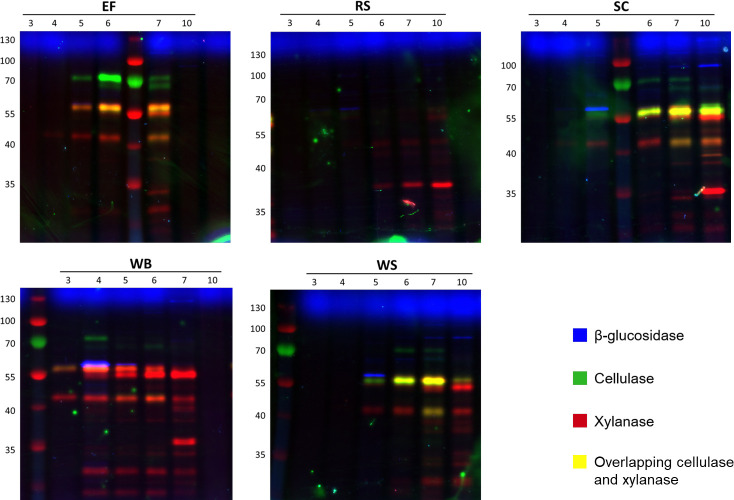
NO1 is a plant biomass-degrading ascomycete with a propensity to target the most recalcitrant components of lignocellulose. Here we applied proteomics and activity-based protein profiling (ABPP) to investigate the ability of NO1 to tailor its secretome for growth on different lignocellulosic substrates. Proteomic analysis of soluble and insoluble culture fractions following the growth of NO1 on six lignocellulosic substrates highlights the adaptability of the response of the NO1 secretome to different substrates. Differences in protein abundance profiles were maintained and observed across substrates after bioinformatic filtering of the data to remove intracellular protein contamination to identify the components of the secretome more accurately. These differences across substrates extended to carbohydrate-active enzymes (CAZymes) at both class and family levels. Investigation of abundant activities in the secretomes for each substrate revealed similar variation but also a high abundance of "unknown" proteins in all conditions investigated. Fluorescence-based and chemical proteomic ABPP of secreted cellulases, xylanases, and β-glucosidases applied to secretomes from multiple growth substrates for the first time confirmed highly adaptive time- and substrate-dependent glycoside hydrolase production by this fungus. NO1 is a promising new candidate for the identification of enzymes suited to the degradation of recalcitrant lignocellulosic feedstocks. The investigation of proteomes from the biomass bound and culture supernatant fractions provides a more complete picture of a fungal lignocellulose-degrading response. An in-depth understanding of this varied response will enhance efforts toward the development of tailored enzyme systems for use in biorefining.IMPORTANCEThe ability of the lignocellulose-degrading fungus NO1 to tailor its secreted enzymes to different sources of plant biomass was revealed here. Through a combination of proteomic, bioinformatic, and fluorescent labeling techniques, remarkable variation was demonstrated in the secreted enzyme response for this ascomycete when grown on multiple lignocellulosic substrates. The maintenance of this variation over time when exploring hydrolytic polysaccharide-active enzymes through fluorescent labeling, suggests that this variation results from an actively tailored secretome response based on substrate. Understanding the tailored secretomes of wood-degrading fungi, especially from underexplored and poorly represented families, will be important for the development of effective substrate-tailored treatments for the conversion and valorization of lignocellulose.
NO1 是一种具有降解植物生物质能力的子囊菌,倾向于靶向木质纤维素中最顽固的成分。在这里,我们应用蛋白质组学和基于活性的蛋白质谱分析(ABPP)来研究 NO1 定制其分泌组以在不同木质纤维素底物上生长的能力。NO1 在六种木质纤维素底物上生长后,对可溶性和不溶性培养物分数进行蛋白质组学分析,突出了 NO1 分泌组对不同底物的适应性反应的适应性。在对数据进行生物信息学过滤以去除细胞内蛋白质污染以更准确地鉴定分泌组的成分后,保留并观察到不同底物之间的蛋白质丰度图谱差异。这些不同的底物延伸到了碳水化合物活性酶(CAZymes)的类别和家族水平。对每个底物的分泌物中丰富活性的研究表明,存在类似的变化,但在所有研究条件下,也存在大量“未知”蛋白质。首次将荧光基于和化学蛋白质组学 ABPP 应用于多种生长底物的分泌纤维素酶、木聚糖酶和β-葡萄糖苷酶,证实了这种真菌对糖苷水解酶的产生具有高度适应性的时间依赖性和底物依赖性。NO1 是鉴定适合降解顽固性木质纤维素饲料的酶的有前途的新候选物。对生物质结合和培养上清液部分的蛋白质组的研究提供了真菌木质纤维素降解反应的更完整图景。对这种多样化反应的深入了解将增强为生物精炼开发定制酶系统的努力。
重要性:
在这里揭示了木质纤维素降解真菌 NO1 将其分泌的酶定制到不同植物生物质来源的能力。通过蛋白质组学、生物信息学和荧光标记技术的组合,当在多种木质纤维素底物上生长时,对这种子囊菌分泌酶的反应表现出了显著的变化。通过荧光标记探索水解多糖活性酶时,随着时间的推移保持这种变化,表明这种变化是基于底物的主动定制分泌组反应的结果。了解木质素降解真菌的定制分泌组,特别是来自未充分探索和代表性较差的家族的定制分泌组,对于开发有效的针对木质纤维素转化和增值的底物定制处理方法将是重要的。