Paul-Clark Mark, Elsheikh Wagdi, Kirkby Nicholas, Chan Melissa, Devchand Pallavi, Agbor Terence A, Flannigan Kyle L, Cheadle Charlotte, Freydin Maxim, Ianaro Angela, Mitchell Jane A, Wallace John L
Imperial College London, London, United Kingdom.
Department of Medicine, McMaster University, Hamilton, Ontario, Canada.
PLoS One. 2016 Feb 24;11(2):e0147289. doi: 10.1371/journal.pone.0147289. eCollection 2016.
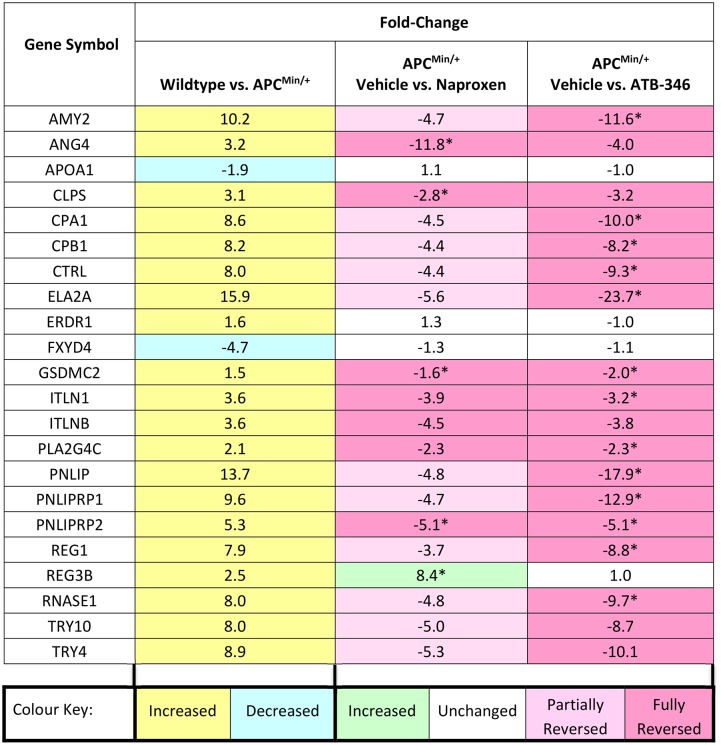
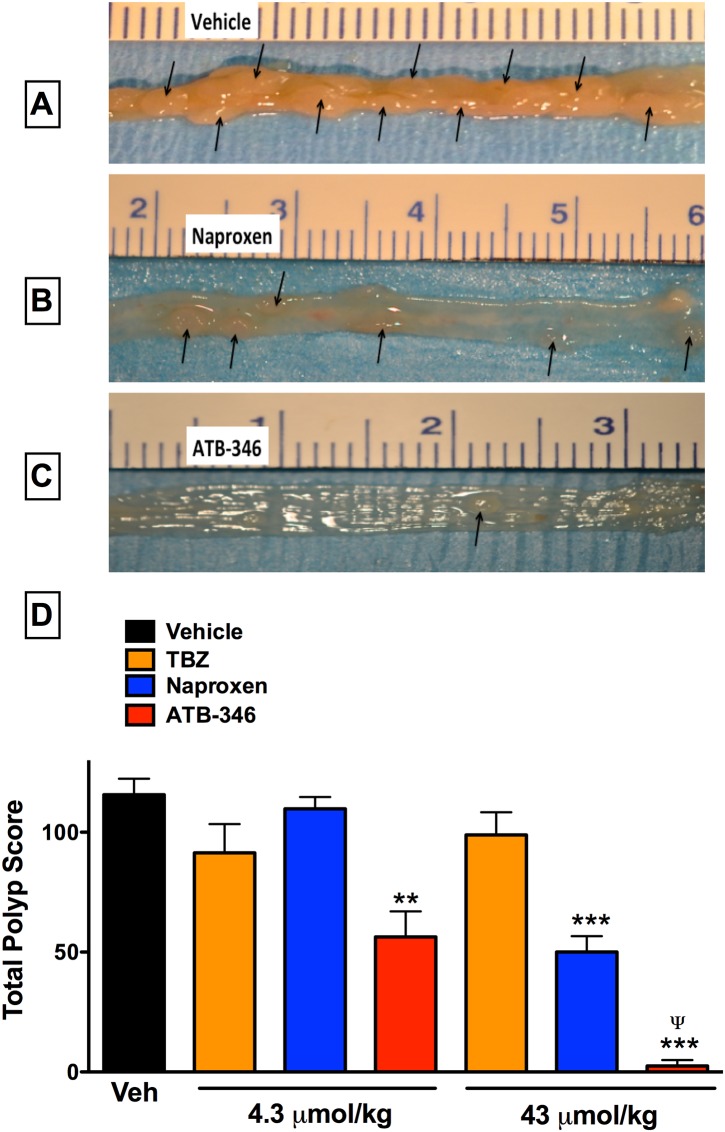
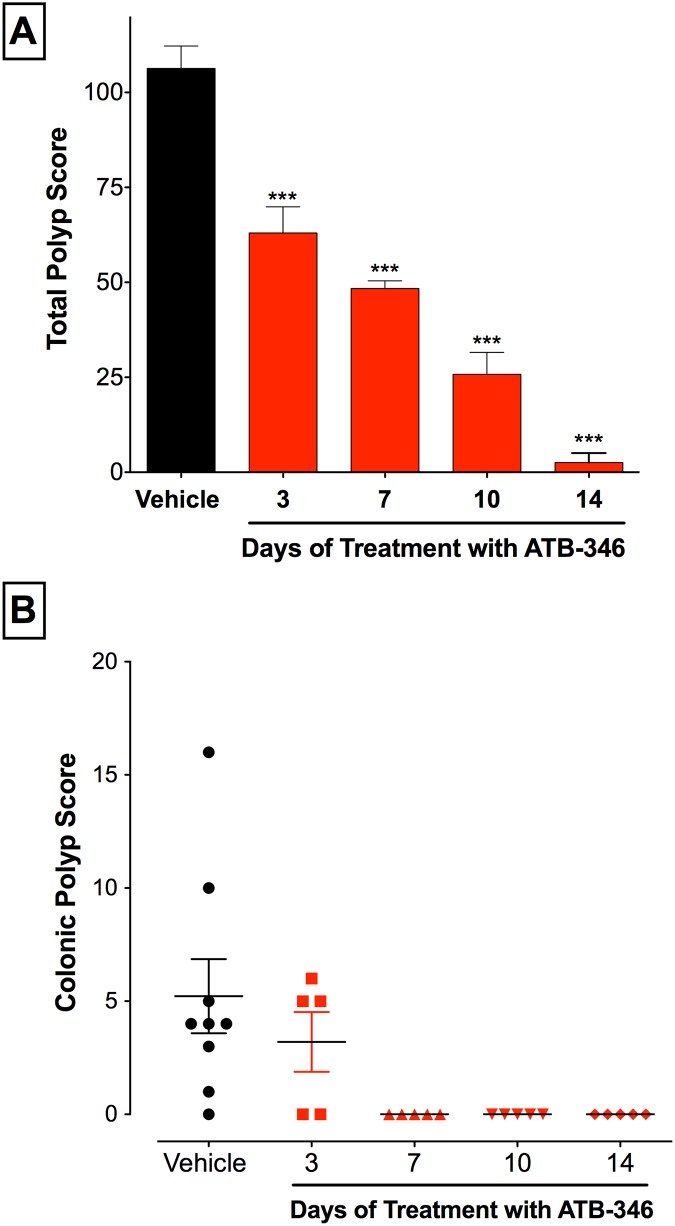
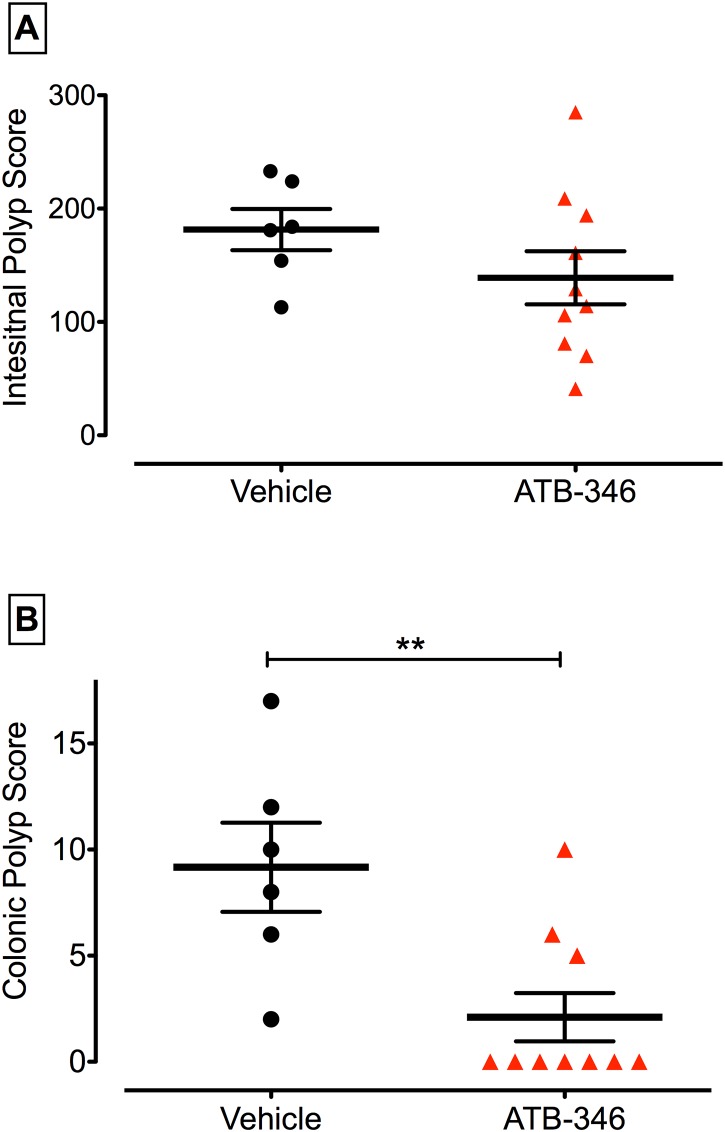
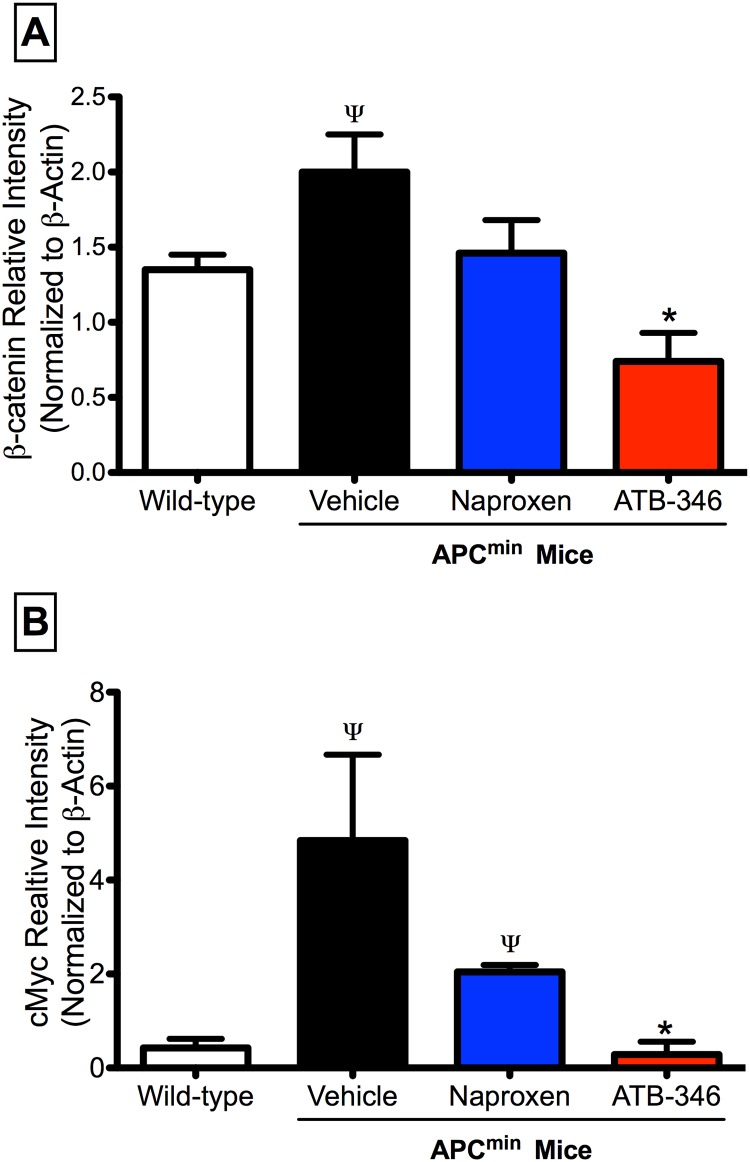
Nonsteroidal anti-inflammatory drugs have been shown to reduce the incidence of gastrointestinal cancers, but the propensity of these drugs to cause ulcers and bleeding limits their use. H2S has been shown to be a powerful cytoprotective and anti-inflammatory substance in the digestive system. This study explored the possibility that a H2S-releasing nonsteroidal anti-inflammatory drug (ATB-346) would be effective in a murine model of hereditary intestinal cancer (APCMin+ mouse) and investigated potential mechanisms of action via transcriptomics analysis. Daily treatment with ATB-346 was significantly more effective at preventing intestinal polyp formation than naproxen. Significant beneficial effects were seen with a treatment period of only 3-7 days, and reversal of existing polyps was observed in the colon. ATB-346, but not naproxen, significantly decreased expression of intestinal cancer-associated signaling molecules (cMyc, β-catenin). Transcriptomic analysis identified 20 genes that were up-regulated in APCMin+ mice, 18 of which were reduced to wild-type levels by one week of treatment with ATB-346. ATB-346 is a novel, gastrointestinal-sparing anti-inflammatory drug that potently and rapidly prevents and reverses the development of pre-cancerous lesions in a mouse model of hereditary intestinal tumorigenesis. These effects may be related to the combined effects of suppression of cyclooxygenase and release of H2S, and correction of most of the APCMin+-associated alterations in the transcriptome. ATB-346 may represent a promising agent for chemoprevention of tumorigenesis in the GI tract and elsewhere.
非甾体抗炎药已被证明可降低胃肠道癌症的发病率,但这些药物导致溃疡和出血的倾向限制了它们的使用。硫化氢已被证明是消化系统中一种强大的细胞保护和抗炎物质。本研究探讨了一种释放硫化氢的非甾体抗炎药(ATB-346)在遗传性肠道癌小鼠模型(APCMin+小鼠)中是否有效的可能性,并通过转录组学分析研究了其潜在作用机制。与萘普生相比,每天用ATB-346治疗在预防肠息肉形成方面显著更有效。仅3-7天的治疗期就观察到了显著的有益效果,并且在结肠中观察到了现有息肉的逆转。ATB-346而非萘普生显著降低了肠道癌相关信号分子(cMyc、β-连环蛋白)的表达。转录组学分析确定了在APCMin+小鼠中上调的20个基因,其中18个基因在接受ATB-346治疗一周后降至野生型水平。ATB-346是一种新型的、保护胃肠道的抗炎药,能有效且迅速地预防和逆转遗传性肠道肿瘤发生小鼠模型中癌前病变的发展。这些作用可能与抑制环氧化酶和释放硫化氢的联合作用以及纠正转录组中大多数与APCMin+相关的改变有关。ATB-346可能是一种有前景的药物,可用于胃肠道及其他部位肿瘤发生的化学预防。