Mimee Mark, Tucker Alex C, Voigt Christopher A, Lu Timothy K
Department of Biological Engineering, Synthetic Biology Center, Massachusetts Institute of Technology, Cambridge, MA 02139, USA; MIT Microbiology Program, Massachusetts Institute of Technology, Cambridge, MA 02139, USA.
Department of Biological Engineering, Synthetic Biology Center, Massachusetts Institute of Technology, Cambridge, MA 02139, USA.
Cell Syst. 2015 Jul 29;1(1):62-71. doi: 10.1016/j.cels.2015.06.001.
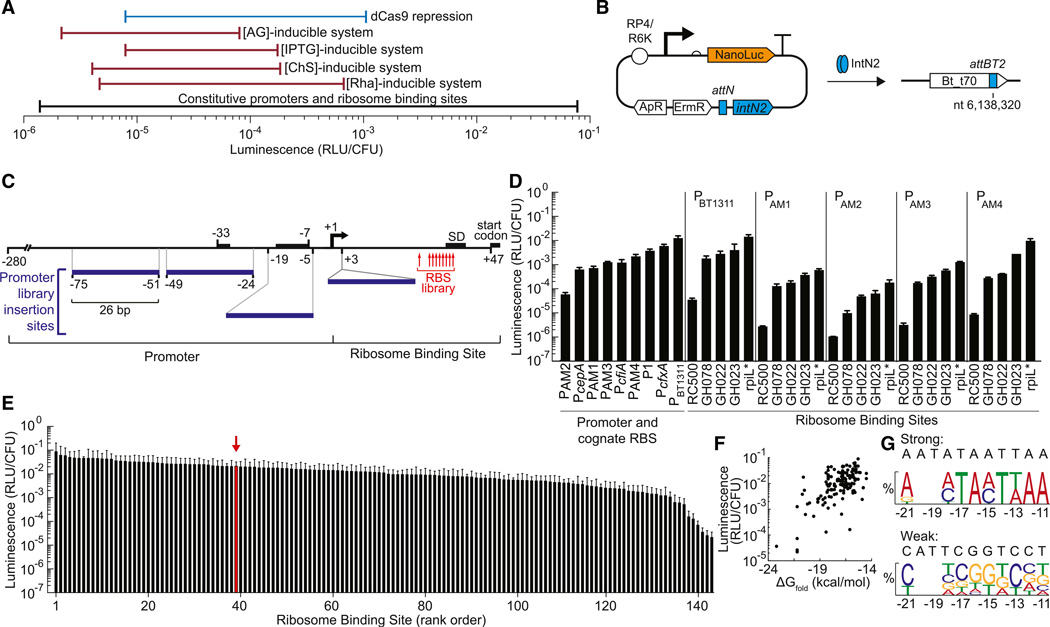
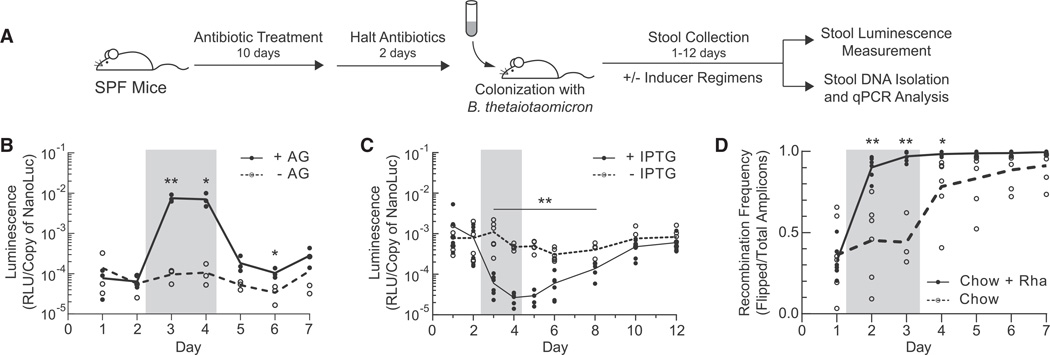
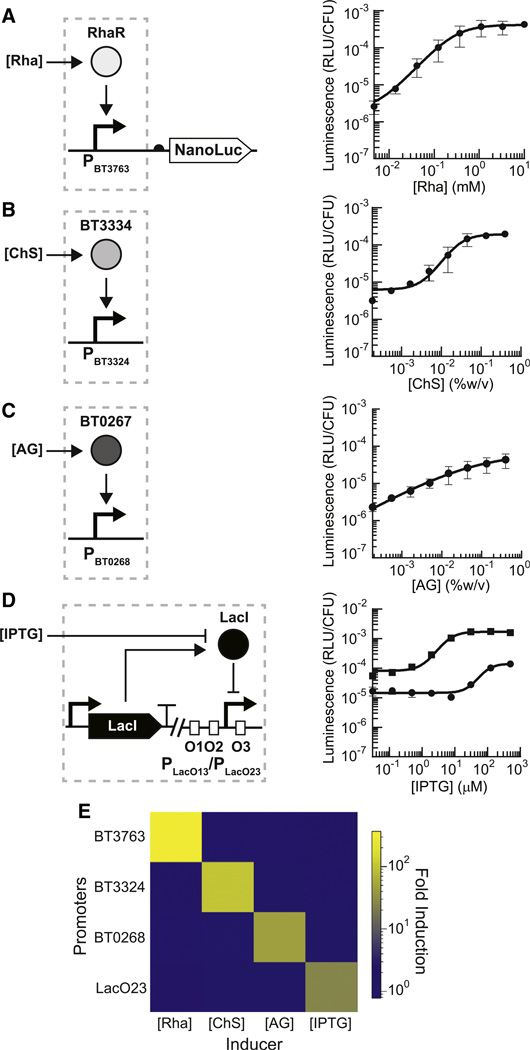
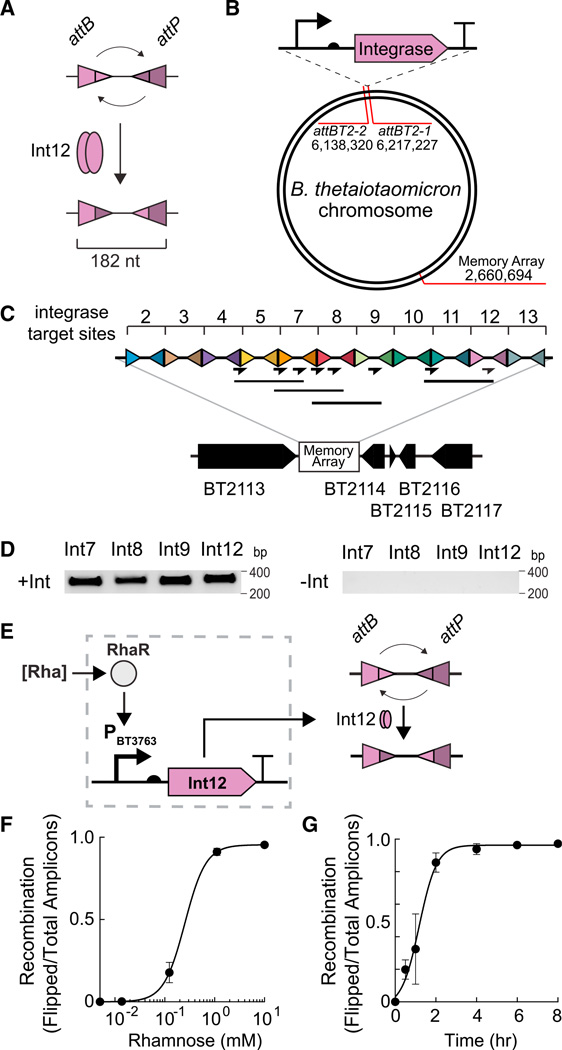
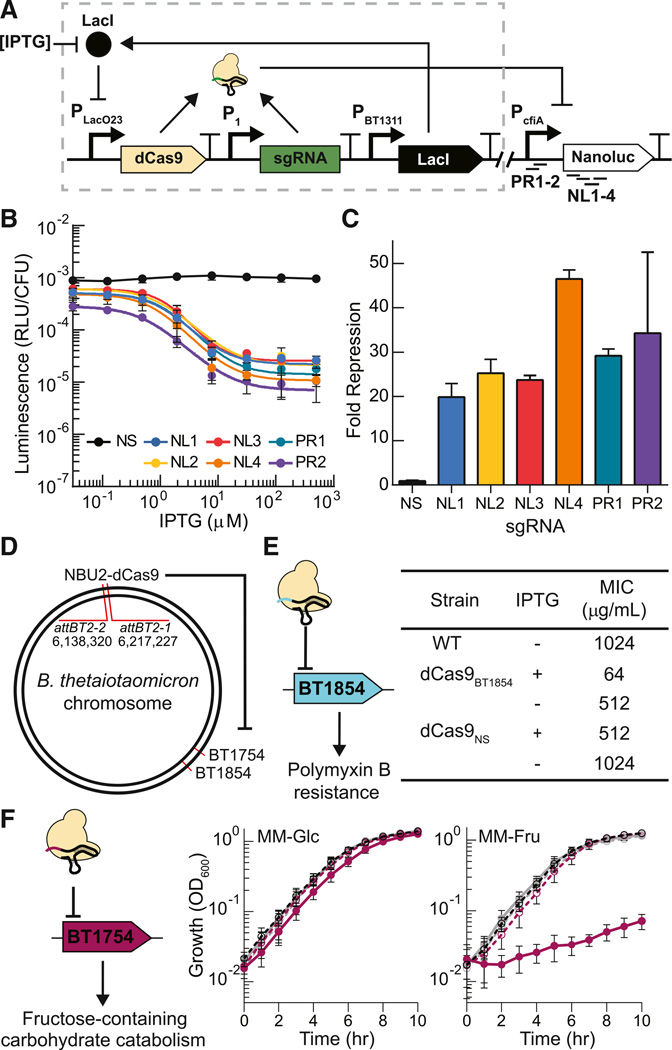
Engineering commensal organisms for challenging applications, such as modulating the gut ecosystem, is hampered by the lack of genetic parts. Here, we describe promoters, ribosome-binding sites, and inducible systems for use in the commensal bacterium , a prevalent and stable resident of the human gut. We achieve up to 10,000-fold range in constitutive gene expression and 100-fold regulation of gene expression with inducible promoters and use these parts to record DNA-encoded memory in the genome. We use CRISPR interference (CRISPRi) for regulated knockdown of recombinant and endogenous gene expression to alter the metabolic capacity of and its resistance to antimicrobial peptides. Finally, we show that inducible CRISPRi and recombinase systems can function in colonizing the mouse gut. These results provide a blueprint for engineering new chassis and a resource to engineer for surveillance of or therapeutic delivery to the gut microbiome.
用于挑战性应用(如调节肠道生态系统)的共生生物工程,因缺乏遗传元件而受到阻碍。在此,我们描述了用于共生细菌(一种人类肠道中普遍且稳定的定居菌)的启动子、核糖体结合位点和诱导系统。我们实现了组成型基因表达高达10000倍的范围变化,以及利用诱导型启动子实现基因表达100倍的调控,并利用这些元件在基因组中记录DNA编码记忆。我们使用CRISPR干扰(CRISPRi)来调控重组基因和内源基因表达的敲低,以改变该菌的代谢能力及其对抗菌肽的抗性。最后,我们表明诱导型CRISPRi和重组酶系统可在定殖于小鼠肠道的该菌中发挥作用。这些结果为工程化新底盘提供了蓝图,并为改造该菌用于肠道微生物群监测或治疗递送提供了资源。