Roy Ujjawal, Panwar Ajay, Mukherjee Adreesh, Biswas Debsadhan
Department of Neurology, Bangur Institute of Neurosciences, IPGMER, Kolkata, India.
King George's Medical University, Lucknow, India.
Case Rep Neurol. 2016 Jan 16;8(1):20-6. doi: 10.1159/000443521. eCollection 2016 Jan-Apr.
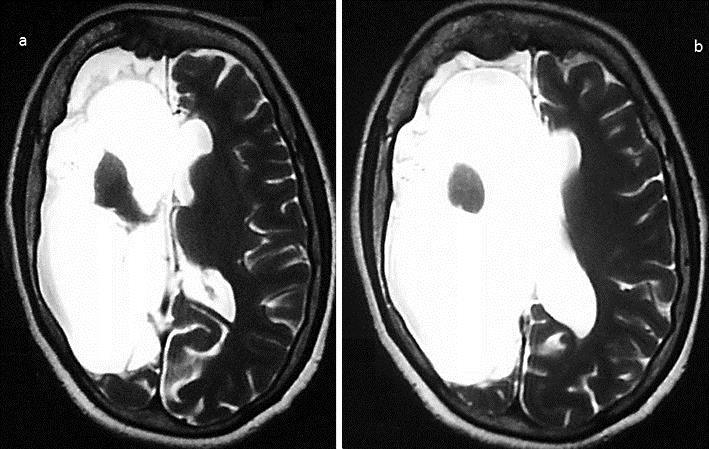
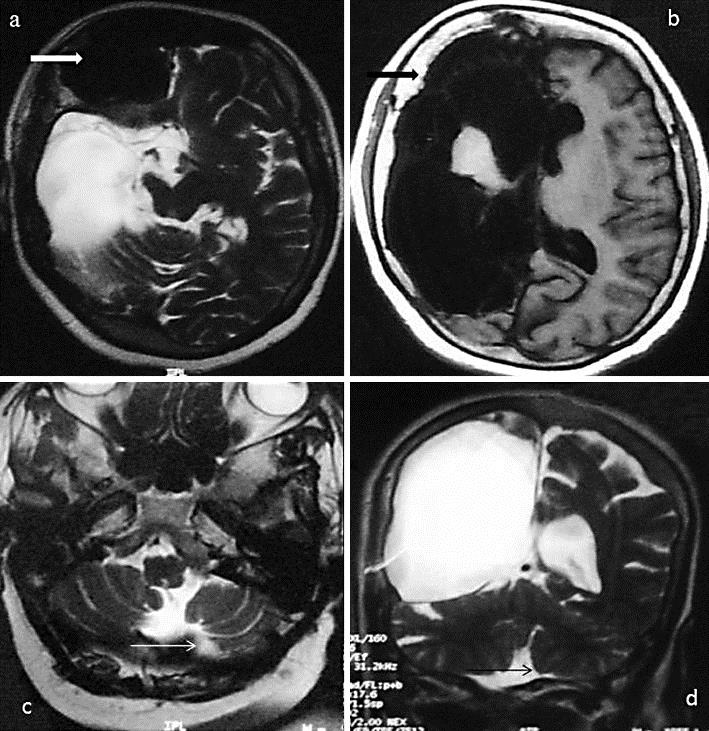
Dyke-Davidoff-Masson syndrome (DDMS) is a rare disease which is clinically characterized by hemiparesis, seizures, facial asymmetry, and mental retardation. The classical radiological findings are cerebral hemiatrophy, calvarial thickening, and hyperpneumatization of the frontal sinuses. This disease is a rare entity, and it mainly presents in childhood. Adult presentation of DDMS is unusual and has been rarely reported in the medical literature.
DDMS is a rare disease of childhood. However, it should be kept in mind as a diagnostic possibility in an adult who presents with a long duration of progressive hemiparesis with seizures and mental retardation. Cerebral hemiatrophy, calvarial thickening, and hyperpneumatization of the frontal sinuses are diagnostic for this illness on brain imaging.
戴克-戴维多夫-马森综合征(DDMS)是一种罕见疾病,临床特征为偏瘫、癫痫发作、面部不对称和智力发育迟缓。典型的放射学表现为大脑半球萎缩、颅骨增厚和额窦气化过度。这种疾病较为罕见,主要在儿童期发病。DDMS在成人期发病并不常见,医学文献中鲜有报道。
DDMS是一种儿童期罕见疾病。然而,对于出现长期进行性偏瘫伴癫痫发作和智力发育迟缓的成人,应考虑将其作为一种诊断可能性。大脑半球萎缩、颅骨增厚和额窦气化过度在脑部影像学检查中可诊断此病。