Vilela Nadia, Barrozo Tatiane Faria, Pagan-Neves Luciana de Oliveira, Sanches Seisse Gabriela Gandolfi, Wertzner Haydée Fiszbein, Carvallo Renata Mota Mamede
Terapia Ocupacional, Departamento de Fisoterapia, Ciência da Comunicação & Transtornos, Faculdade de Medicina da Universidade de São Paulo, São Paulo/, SP, Brazil.
Clinics (Sao Paulo). 2016 Feb;71(2):62-8. doi: 10.6061/clinics/2016(02)02.
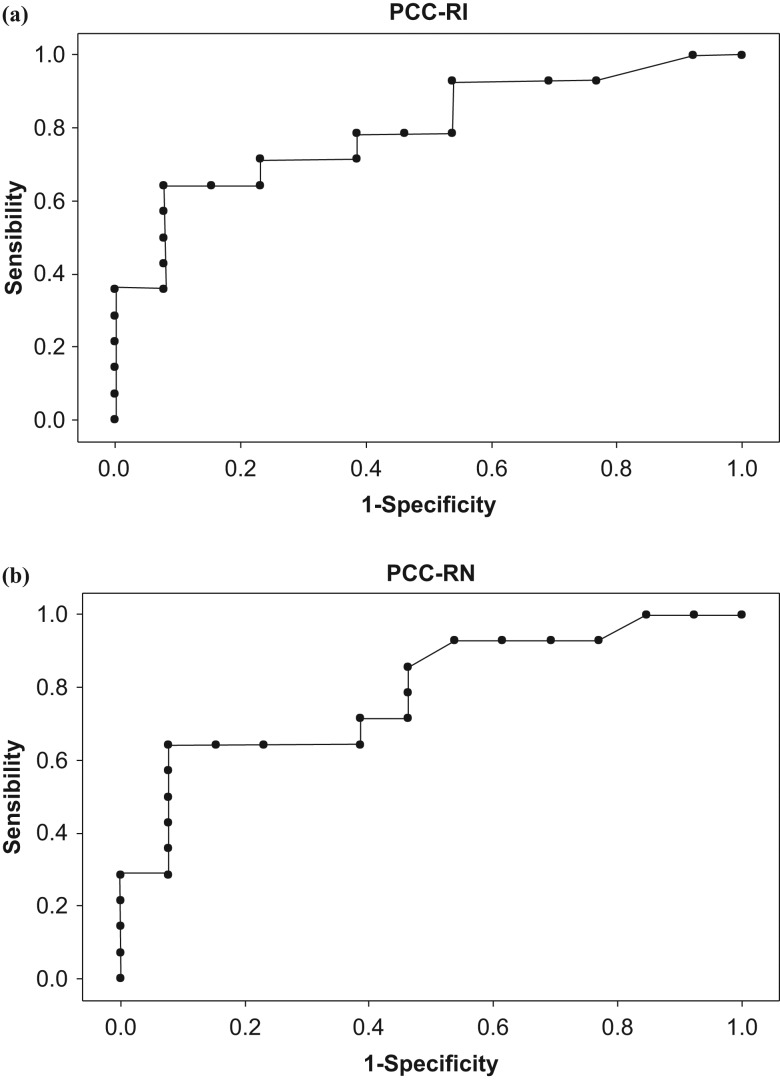
To identify a cutoff value based on the Percentage of Consonants Correct-Revised index that could indicate the likelihood of a child with a speech-sound disorder also having a (central) auditory processing disorder .
Language, audiological and (central) auditory processing evaluations were administered. The participants were 27 subjects with speech-sound disorders aged 7 to 10 years and 11 months who were divided into two different groups according to their (central) auditory processing evaluation results.
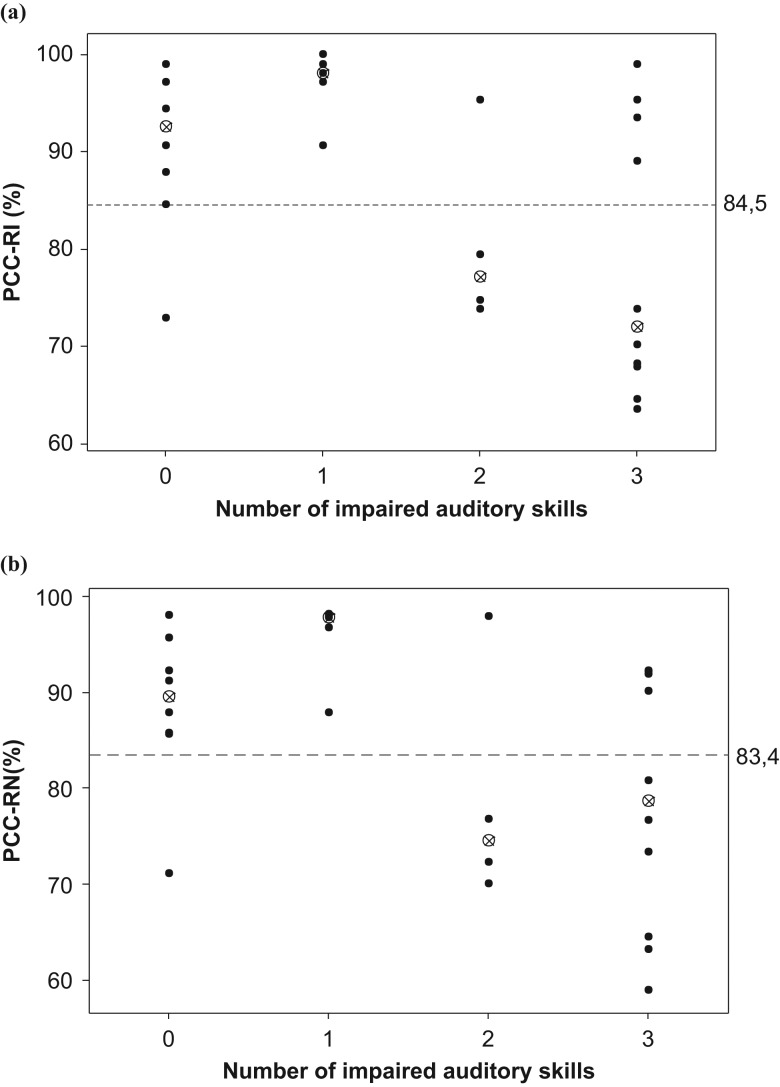
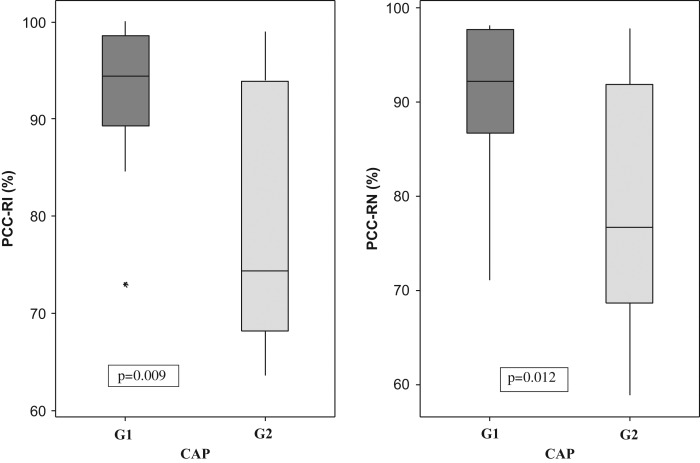
When a (central) auditory processing disorder was present in association with a speech disorder, the children tended to have lower scores on phonological assessments. A greater severity of speech disorder was related to a greater probability of the child having a (central) auditory processing disorder. The use of a cutoff value for the Percentage of Consonants Correct-Revised index successfully distinguished between children with and without a (central) auditory processing disorder.
The severity of speech-sound disorder in children was influenced by the presence of (central) auditory processing disorder. The attempt to identify a cutoff value based on a severity index was successful.
基于修正后的辅音正确率指数确定一个临界值,该临界值可表明患有语音障碍的儿童同时患有(中枢)听觉处理障碍的可能性。
进行语言、听力学和(中枢)听觉处理评估。参与者为27名年龄在7岁至10岁11个月之间的患有语音障碍的受试者,根据他们的(中枢)听觉处理评估结果分为两个不同的组。
当(中枢)听觉处理障碍与言语障碍同时存在时,儿童在语音评估中往往得分较低。言语障碍的严重程度越高,儿童患有(中枢)听觉处理障碍的可能性就越大。使用修正后的辅音正确率指数的临界值成功区分了患有和未患有(中枢)听觉处理障碍的儿童。
儿童语音障碍的严重程度受(中枢)听觉处理障碍的影响。基于严重程度指数确定临界值的尝试是成功的。