Munkhbat Oyuntuya, Garzoni Matteo, Raghupathi Krishna R, Pavan Giovanni M, Thayumanavan S
Department of Chemistry, University of Massachusetts , Amherst, Massachusetts 01003, United States.
Department of Innovative Technologies, University of Applied Sciences and Arts of Southern Switzerland , Galleria 2, Manno 6928, Switzerland.
Langmuir. 2016 Mar 29;32(12):2874-81. doi: 10.1021/acs.langmuir.5b04540. Epub 2016 Mar 18.
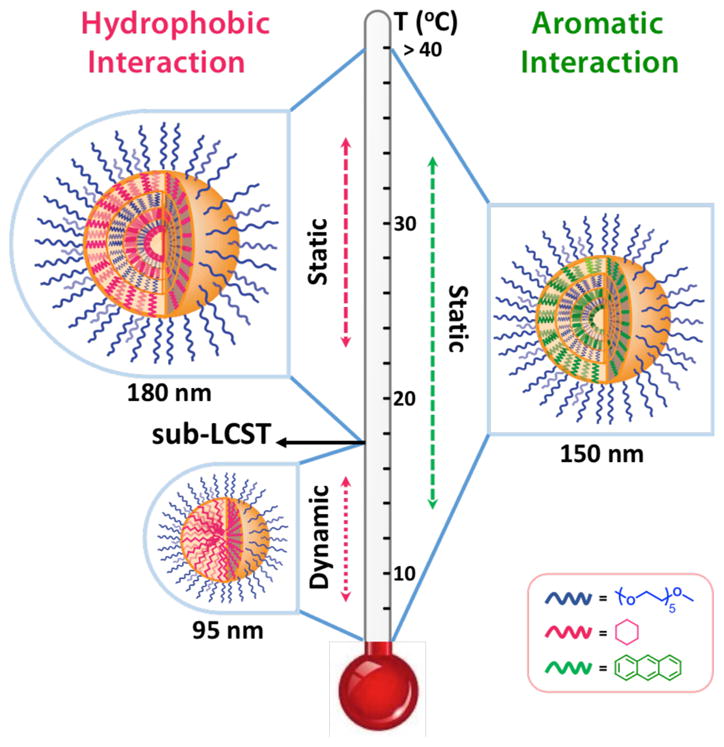
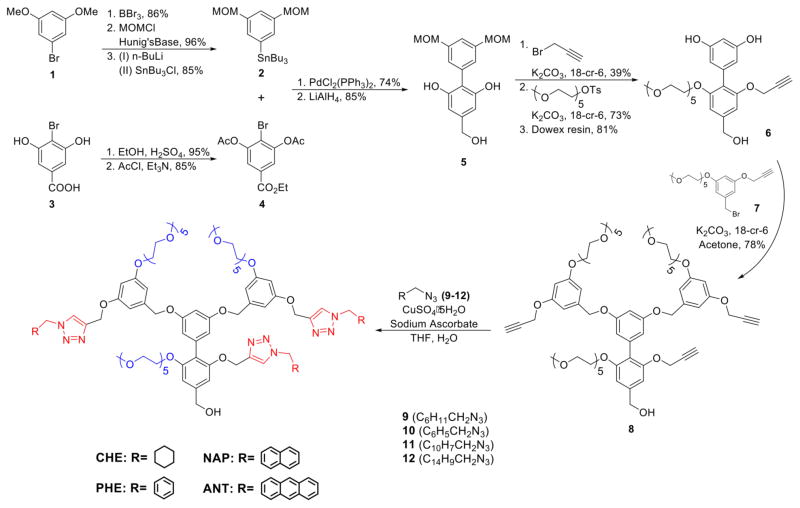
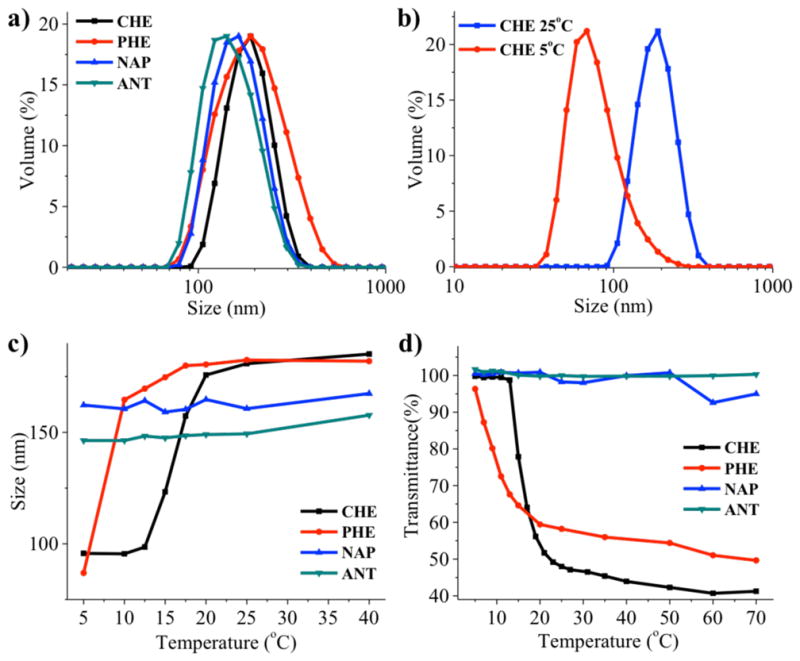
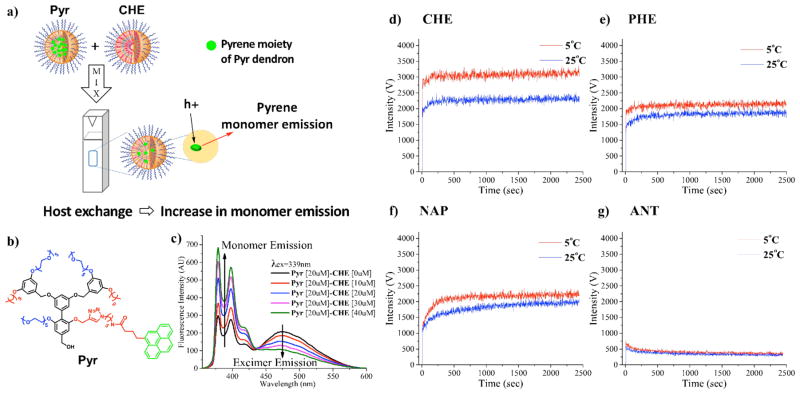
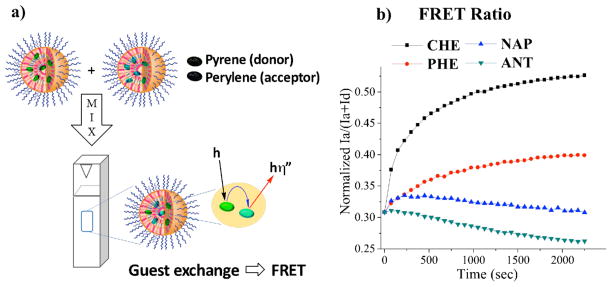
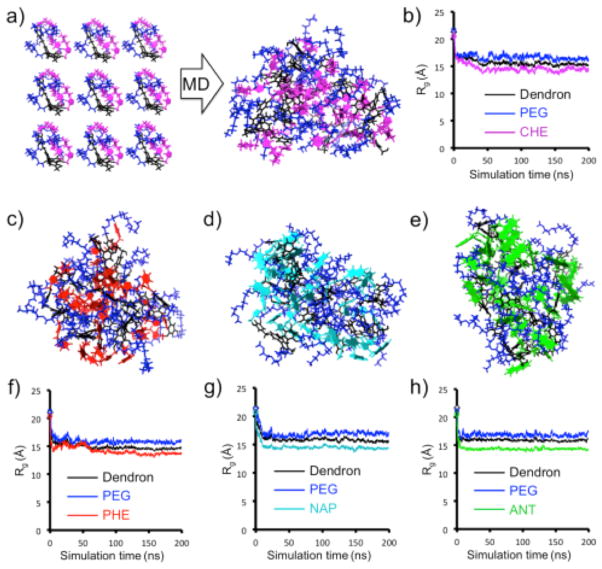
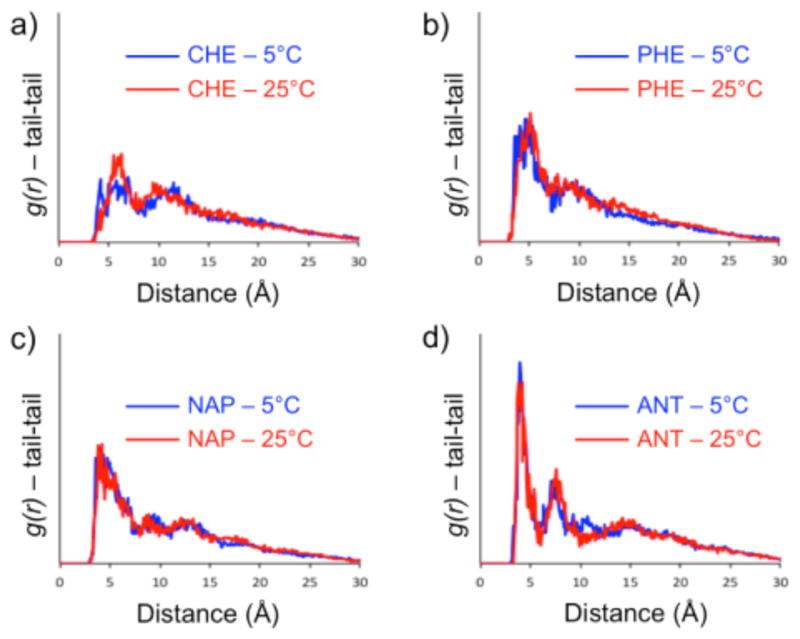
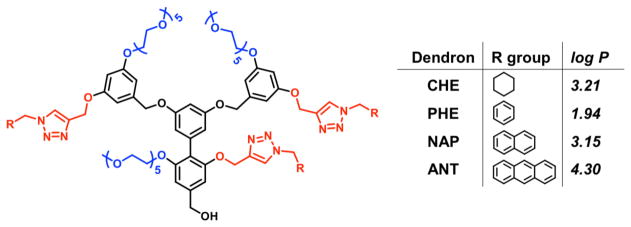
Aromatic interactions were found to greatly influence the temperature-dependent dynamic behavior within supramolecular assemblies. Using an amphiphilic dendron, we systematically changed the hydrophobic groups introducing increasing levels of aromaticity while keeping the hydrophilic part constant. We show that the supramolecular assemblies become less sensitive to temperature changes when aromatic interactions in the aggregate are increased. Conversely, the absence of aromaticity in the hydrophobic moieties produces temperature-sensitive aggregates. These results show that subtle molecular-level interactions can be utilized to control temperature-sensitive behavior in the nanoscale. These findings open up new design strategies to rationally tune the behavior of stimuli-responsive supramolecular assemblies on multiple spatiotemporal scales.
研究发现,芳香相互作用对超分子组装体中温度依赖的动态行为有很大影响。我们使用两亲性树枝状分子,在保持亲水部分不变的同时,系统地改变疏水基团,引入芳香性不断增加的基团。我们发现,当聚集体中的芳香相互作用增强时,超分子组装体对温度变化的敏感性降低。相反,疏水部分缺乏芳香性会产生对温度敏感的聚集体。这些结果表明,微妙的分子水平相互作用可用于控制纳米尺度上的温度敏感行为。这些发现开辟了新的设计策略,可在多个时空尺度上合理调节刺激响应性超分子组装体的行为。