Smith Nicole M, Gachulincova Ivana, Ho Diwei, Bailey Charlotte, Bartlett Carole A, Norret Marck, Murphy John, Buckley Alysia, Rigby Paul J, House Michael J, St Pierre Timothy, Fitzgerald Melinda, Iyer K Swaminathan, Dunlop Sarah A
Experimental and Regenerative Neurosciences, School of Animal Biology, The University of Western Australia, Perth, WA 6009, Australia.
School of Chemistry and Biochemistry, The University of Western Australia, Perth, WA 6009, Australia.
Sci Rep. 2016 Mar 4;6:22595. doi: 10.1038/srep22595.
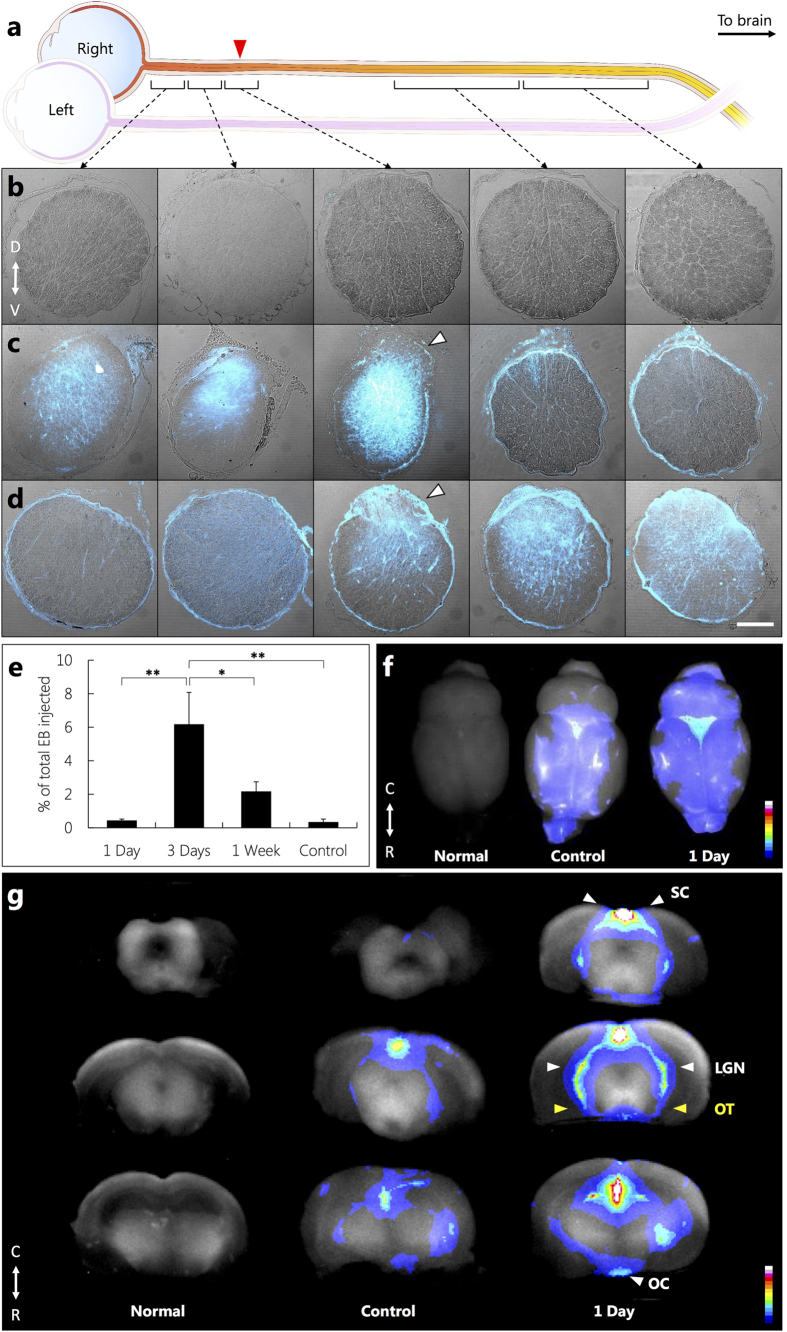
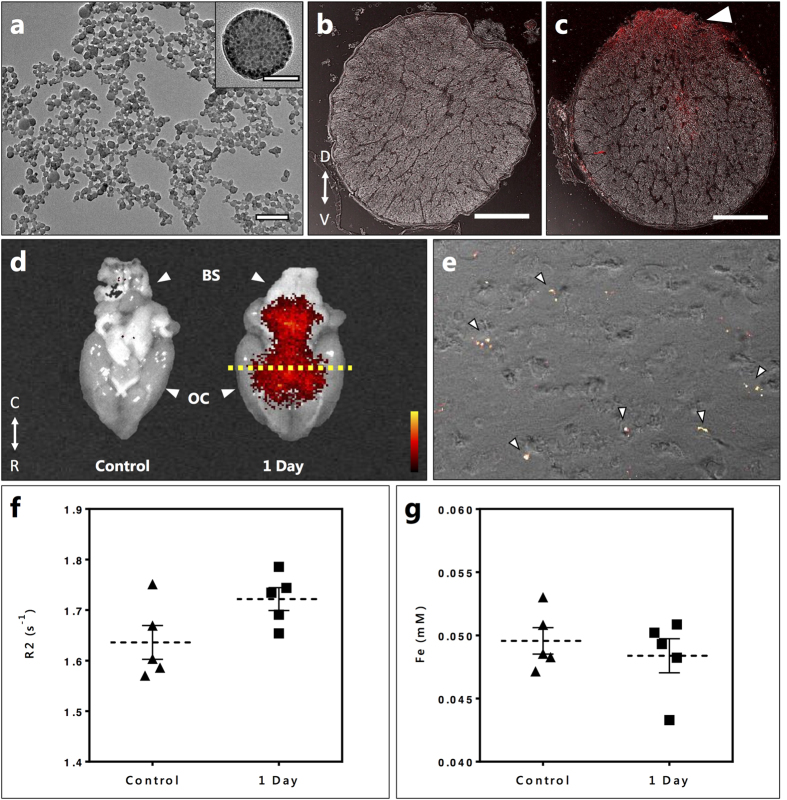
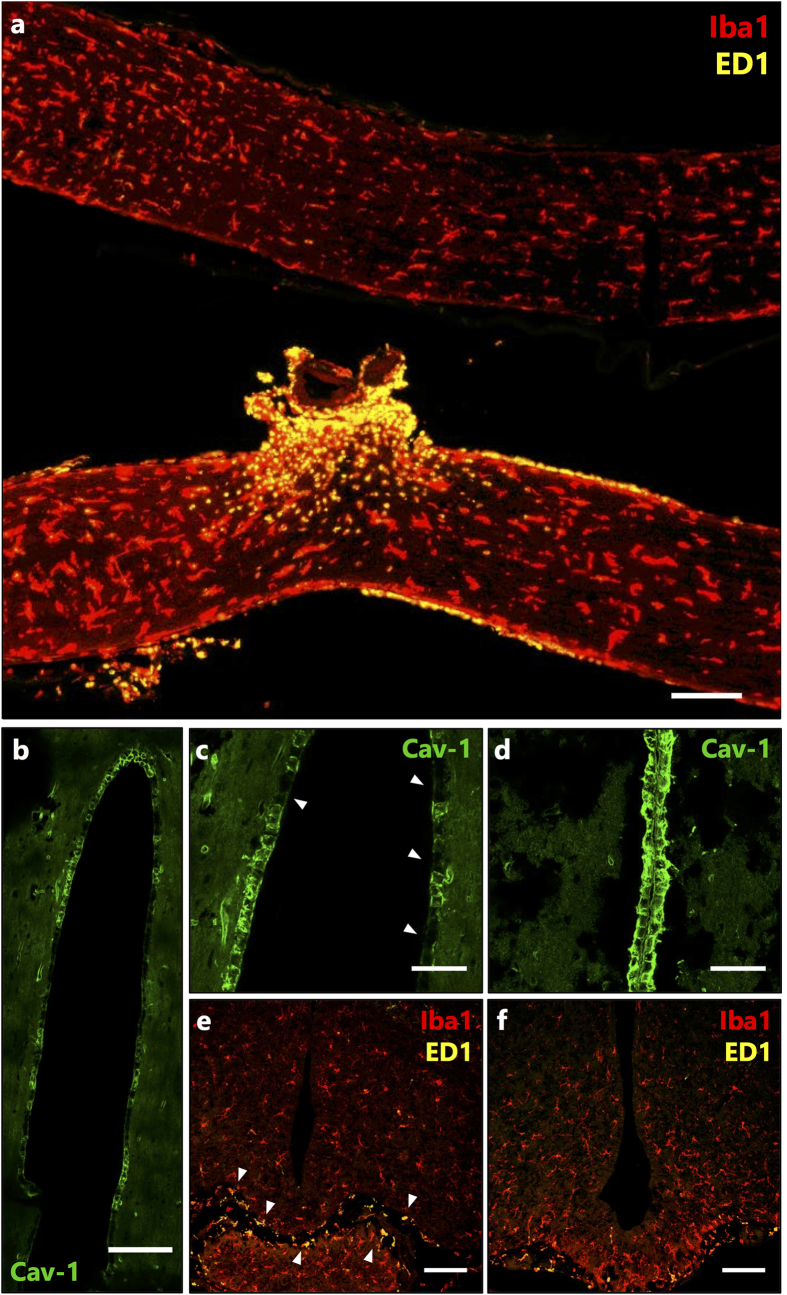
The highly restrictive blood-brain barrier (BBB) plays a critically important role in maintaining brain homeostasis and is pivotal for proper neuronal function. The BBB is currently considered the main limiting factor restricting the passage of large (up to 200 nm) intravenously administered nanoparticles to the brain. Breakdown of the barrier occurs as a consequence of cerebrovascular diseases and traumatic brain injury. In this article, we report that remote injuries in the CNS are also associated with BBB dysfunction. In particular, we show that a focal partial transection of the optic nerve triggers a previously unknown transient opening of the mammalian BBB that occurs in the visual centres. Importantly, we demonstrate that this transient BBB breakdown results in a dramatic change in the biodistribution of intravenously administered large polymeric nanoparticles which were previously deemed as BBB-impermeable.
高度限制性的血脑屏障(BBB)在维持脑内环境稳定方面起着至关重要的作用,对于神经元的正常功能也至关重要。血脑屏障目前被认为是限制静脉注射的大尺寸(高达200纳米)纳米颗粒进入大脑的主要限制因素。脑血管疾病和创伤性脑损伤会导致该屏障的破坏。在本文中,我们报告中枢神经系统的远程损伤也与血脑屏障功能障碍有关。特别是,我们发现视神经的局灶性部分横断会触发哺乳动物血脑屏障在视觉中枢出现前所未知的短暂开放。重要的是,我们证明这种血脑屏障的短暂破坏会导致静脉注射的大尺寸聚合物纳米颗粒的生物分布发生显著变化,而这些纳米颗粒此前被认为是不能透过血脑屏障的。