Sipe G O, Lowery R L, Tremblay M-È, Kelly E A, Lamantia C E, Majewska A K
Department of Neuroscience, University of Rochester, 601 Elmwood Avenue, box 603, Rochester, New York 14642, USA.
Neuroscience Graduate Program, University of Rochester, 601 Elmwood Avenue, box 603, Rochester, New York 14642, USA.
Nat Commun. 2016 Mar 7;7:10905. doi: 10.1038/ncomms10905.
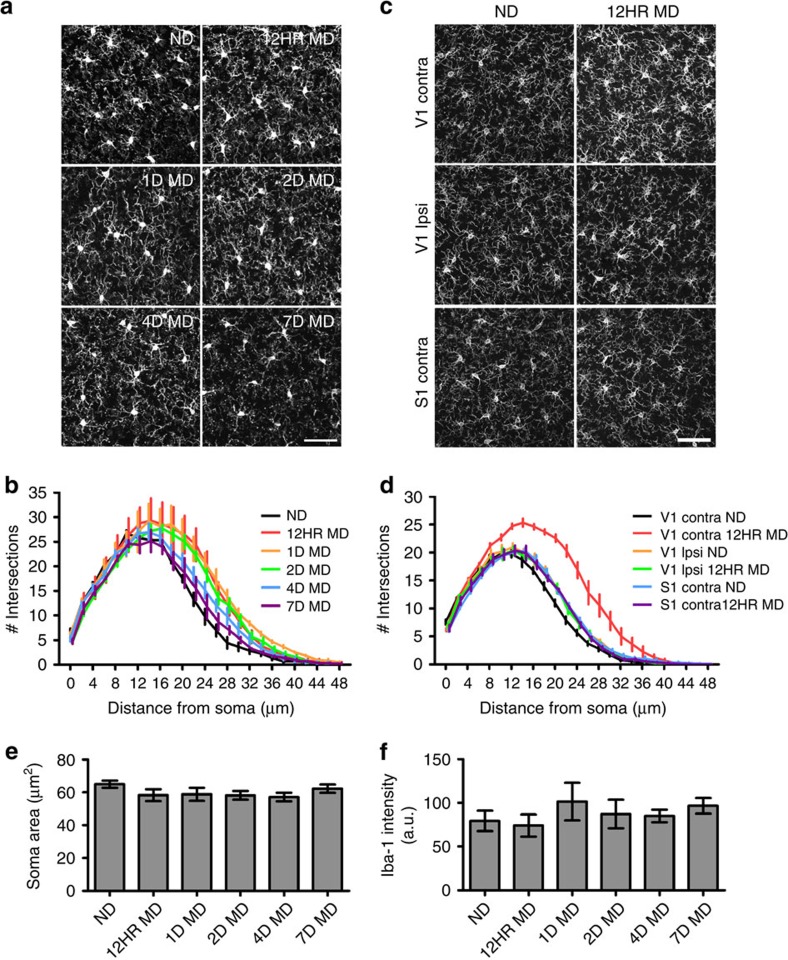
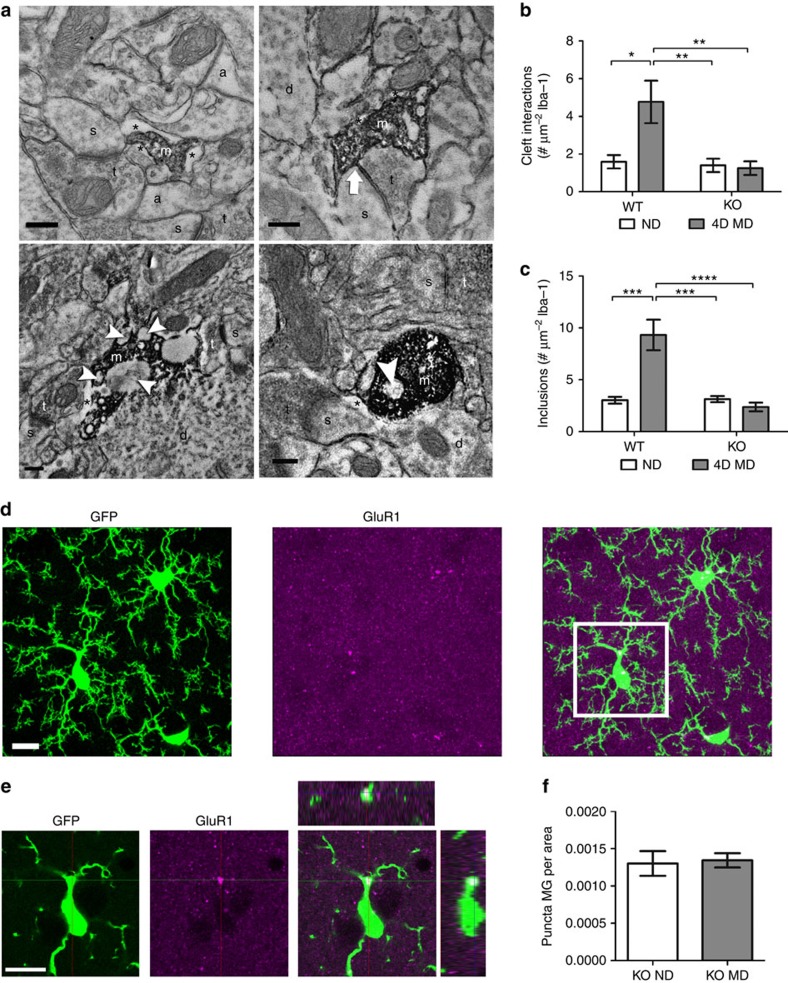
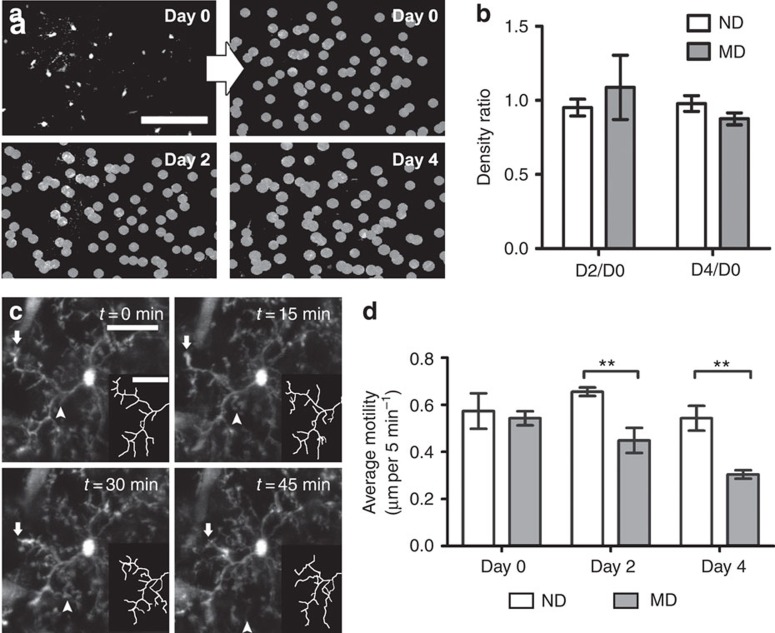
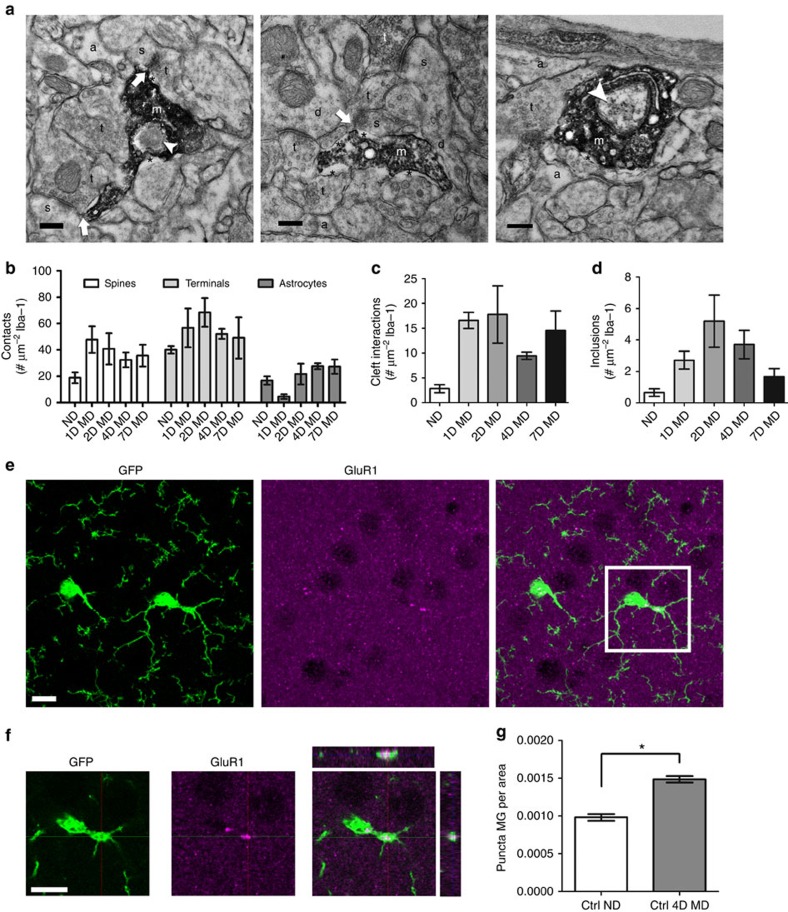
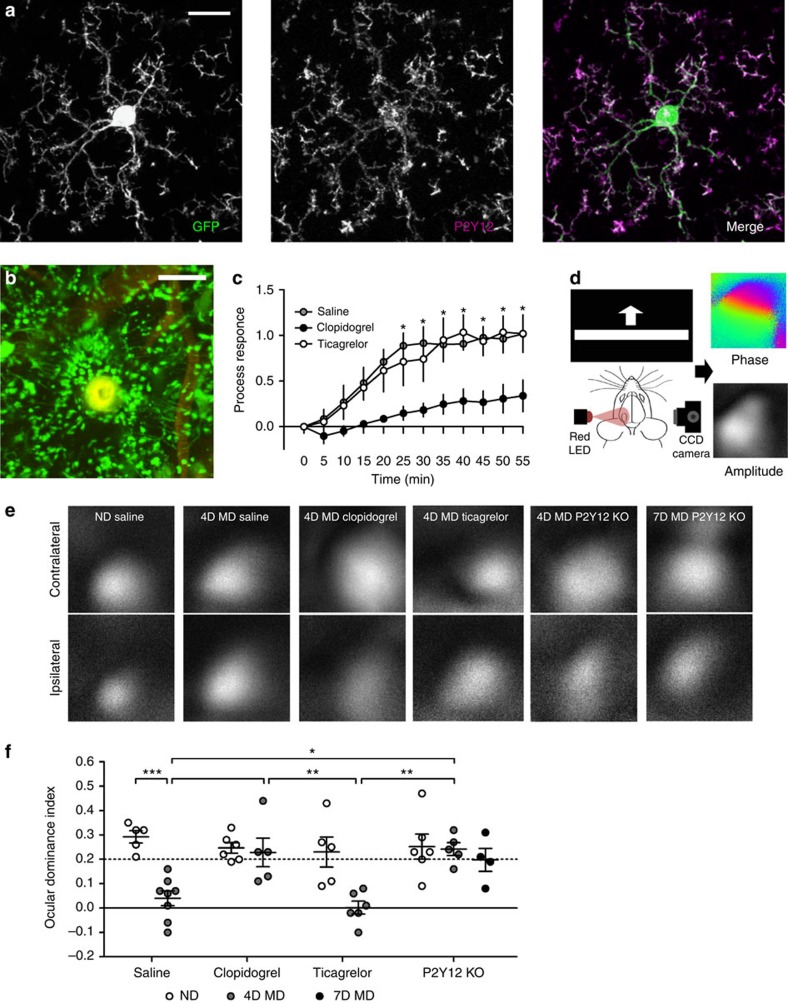
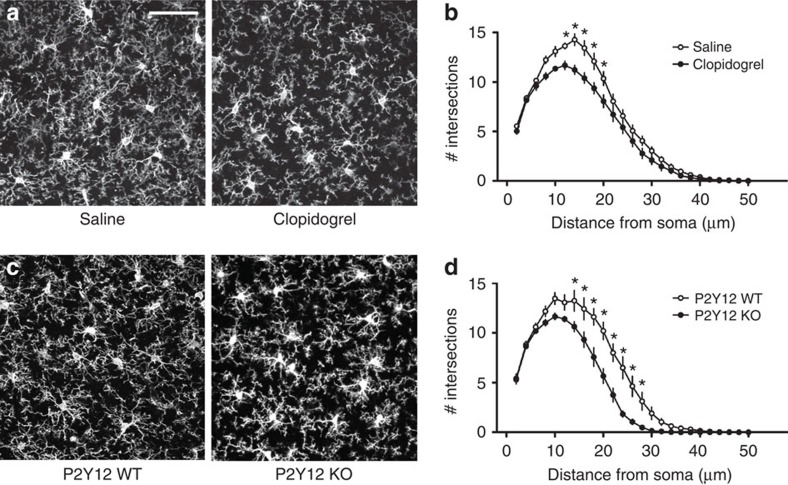
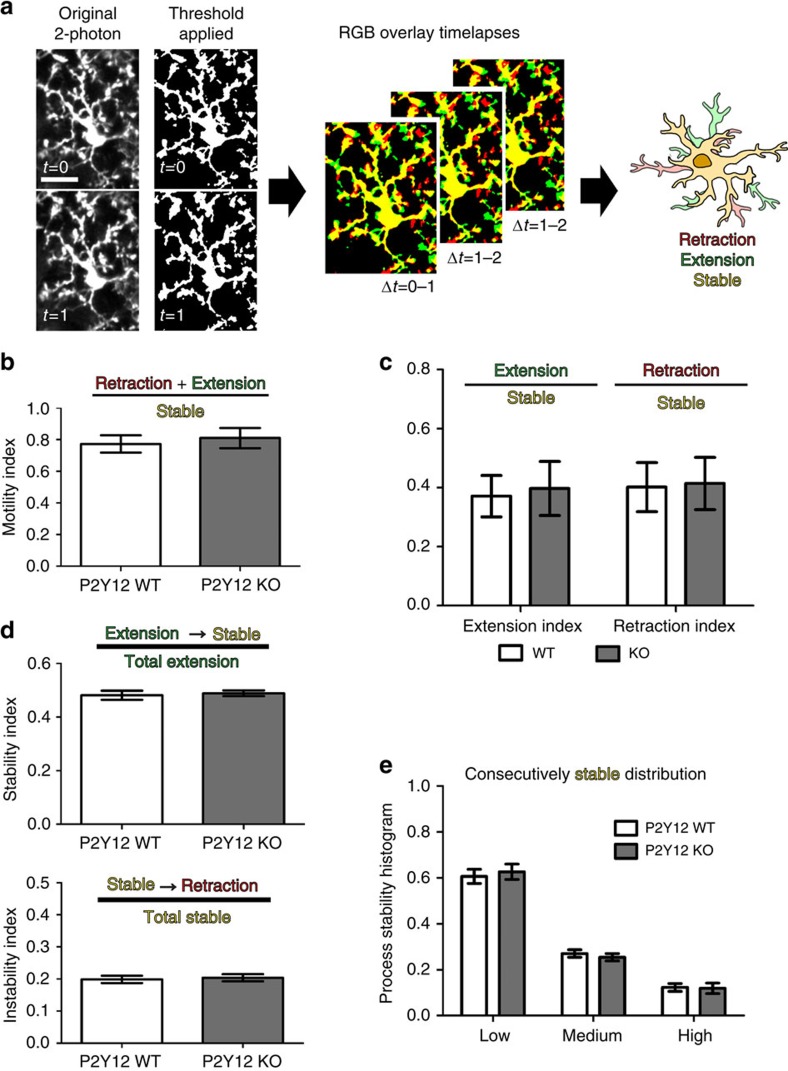
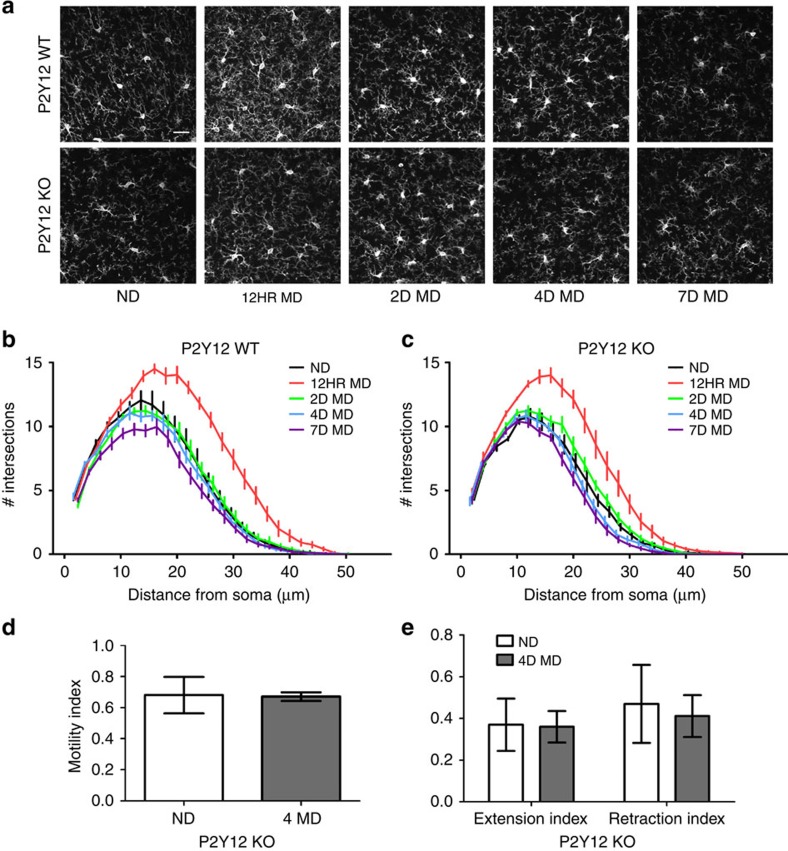
Microglia are the resident immune cells of the brain. Increasingly, they are recognized as important mediators of normal neurophysiology, particularly during early development. Here we demonstrate that microglia are critical for ocular dominance plasticity. During the visual critical period, closure of one eye elicits changes in the structure and function of connections underlying binocular responses of neurons in the visual cortex. We find that microglia respond to monocular deprivation during the critical period, altering their morphology, motility and phagocytic behaviour as well as interactions with synapses. To explore the underlying mechanism, we focused on the P2Y12 purinergic receptor, which is selectively expressed in non-activated microglia and mediates process motility during early injury responses. We find that disrupting this receptor alters the microglial response to monocular deprivation and abrogates ocular dominance plasticity. These results suggest that microglia actively contribute to experience-dependent plasticity in the adolescent brain.
小胶质细胞是大脑中的常驻免疫细胞。它们越来越被认为是正常神经生理学的重要调节因子,尤其是在早期发育过程中。在这里,我们证明小胶质细胞对眼优势可塑性至关重要。在视觉关键期,闭合一只眼睛会引发视觉皮层中神经元双眼反应所依赖的连接结构和功能的变化。我们发现,小胶质细胞在关键期对单眼剥夺作出反应,改变其形态、运动性和吞噬行为以及与突触的相互作用。为了探究其潜在机制,我们聚焦于P2Y12嘌呤能受体,该受体在未激活的小胶质细胞中选择性表达,并在早期损伤反应中介导突起运动。我们发现,破坏该受体会改变小胶质细胞对单眼剥夺的反应,并消除眼优势可塑性。这些结果表明,小胶质细胞积极参与青少年大脑中依赖经验的可塑性过程。