Zheng Difan, Wang Rui, Zhang Yang, Pan Yunjian, Cheng Xinghua, Cheng Chao, Zheng Shanbo, Li Hang, Gong Ranxia, Li Yuan, Shen Xuxia, Sun Yihua, Chen Haiquan
Department of Thoracic Surgery, Fudan University Shanghai Cancer Center, Shanghai, People's Republic of China; Department of Oncology, Shanghai Medical College, Fudan University, Shanghai, People's Republic of China.
Shanghai Chest Hospital, Shanghai Jiao Tong University, Shanghai, People's Republic of China.
Onco Targets Ther. 2016 Feb 22;9:833-43. doi: 10.2147/OTT.S96834. eCollection 2016.
We performed this retrospective study to identify the prevalence of KRAS mutation in Chinese populations and make a comprehensive investigation of the clinicopathological features of KRAS mutation in these patients.
Patients from 2007 to 2013 diagnosed with primary lung adeno-carcinoma who received a radical resection were examined for KRAS, EGFR, HER2, BRAF mutations, and ALK, RET, and ROS1 fusions. Clinicopathological features, including sex, age, tumor-lymph node-metastasis stage, tumor differentiation, smoking status, histological subtypes, and survival information were analyzed.
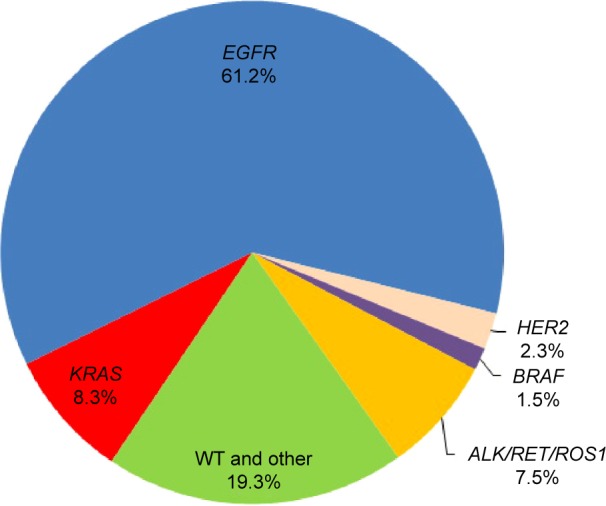
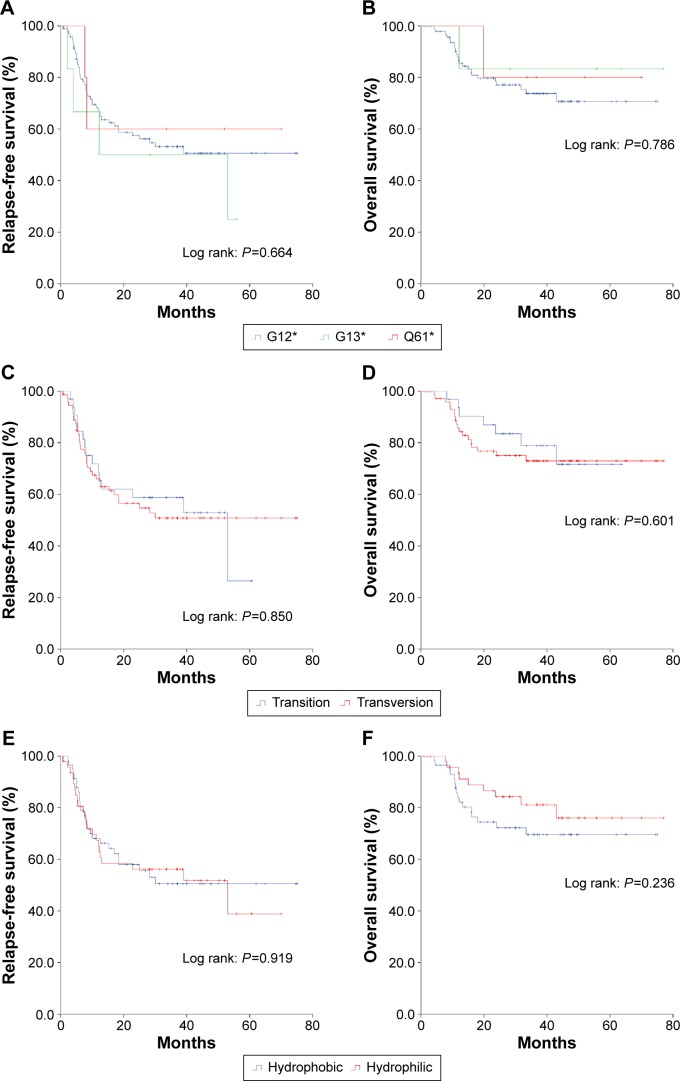
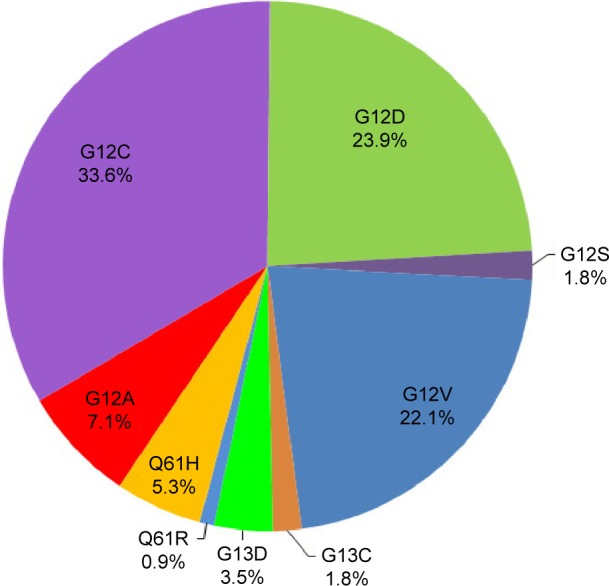
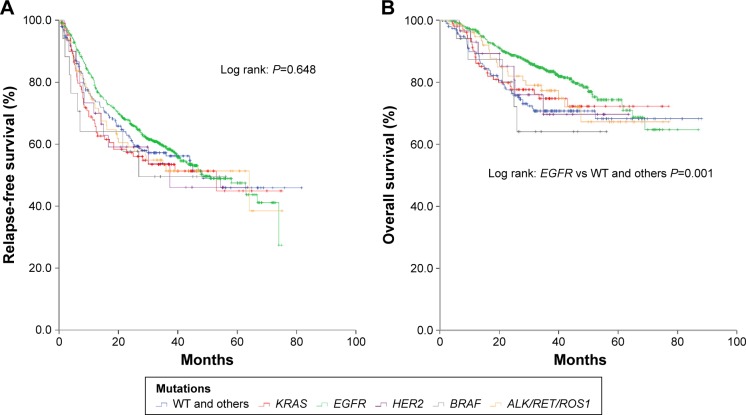
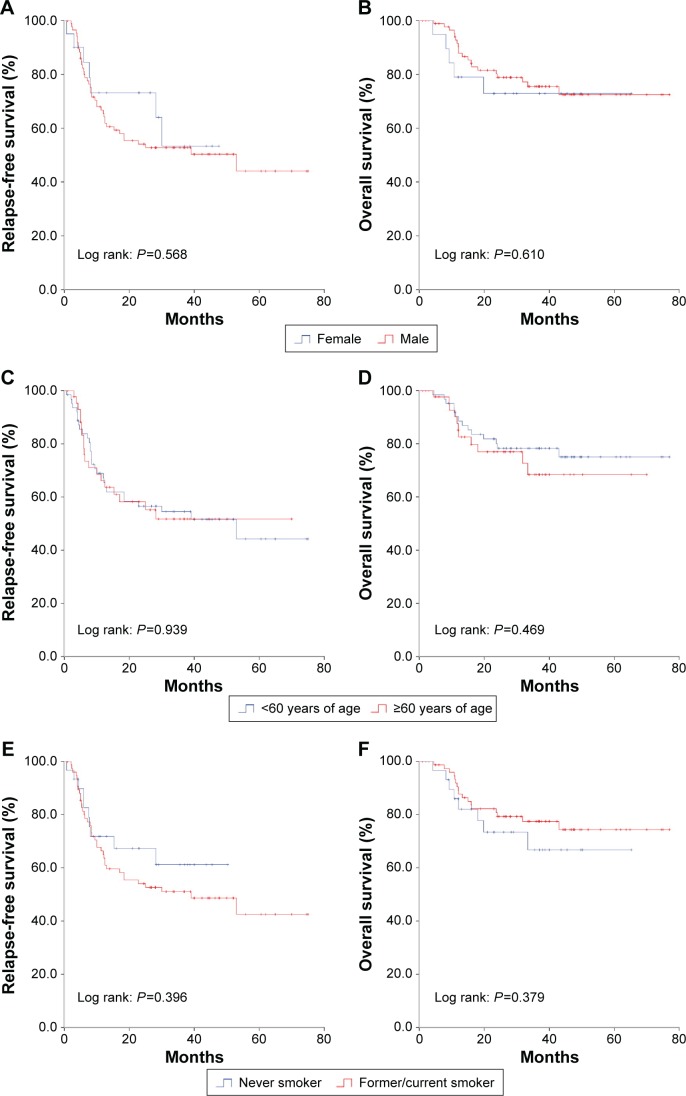
KRAS mutation was detected in 113 of 1,368 patients. Nine different subtypes of KRAS mutation were identified in codon 12, codon 13, and codon 61. KRAS mutation was more frequently found in male patients and former/current smoker patients. Tumors with KRAS mutation had poorer differentiation. Invasive mucinous adenocarcinoma predominant and solid predominant subtypes were more frequent in KRAS mutant patients. No statistical significance was found in relapse-free survival or overall survival between patients with KRAS mutation and patients with other mutations.
In Chinese populations, we identified KRAS mutation in 8.3% (113/1,368) of the patients with lung adenocarcinoma. KRAS mutation defines a molecular subset of lung adenocarcinoma with unique clinicopathological features.
我们开展这项回顾性研究,以确定中国人群中KRAS突变的发生率,并对这些患者中KRAS突变的临床病理特征进行全面调查。
对2007年至2013年诊断为原发性肺腺癌并接受根治性切除术的患者进行KRAS、EGFR、HER2、BRAF突变以及ALK、RET和ROS1融合检测。分析临床病理特征,包括性别、年龄、肿瘤-淋巴结-转移分期、肿瘤分化程度、吸烟状况、组织学亚型和生存信息。
1368例患者中有113例检测到KRAS突变。在第12密码子、第13密码子和第61密码子中鉴定出9种不同亚型的KRAS突变。KRAS突变在男性患者以及既往/当前吸烟者中更为常见。具有KRAS突变的肿瘤分化较差。KRAS突变患者中侵袭性黏液腺癌为主型和实性为主型更为常见。KRAS突变患者与其他突变患者在无复发生存期或总生存期方面未发现统计学差异。
在中国人群中,我们在肺腺癌患者的8.3%(113/1368)中鉴定出KRAS突变。KRAS突变定义了具有独特临床病理特征的肺腺癌分子亚群。