Yan Xinmiao, Kang Hong, Feng Jun, Yang Yiyan, Tang Kailin, Zhu Ruixin, Yang Li, Wang Zhengtao, Cao Zhiwei
School of Life Sciences and Technology, Tongji University, Shanghai 200092, China.
School of Biomedical Informatics, University of Texas Health Science Center, Houston, TX 77030, USA.
Int J Mol Sci. 2016 Mar 7;17(3):318. doi: 10.3390/ijms17030318.
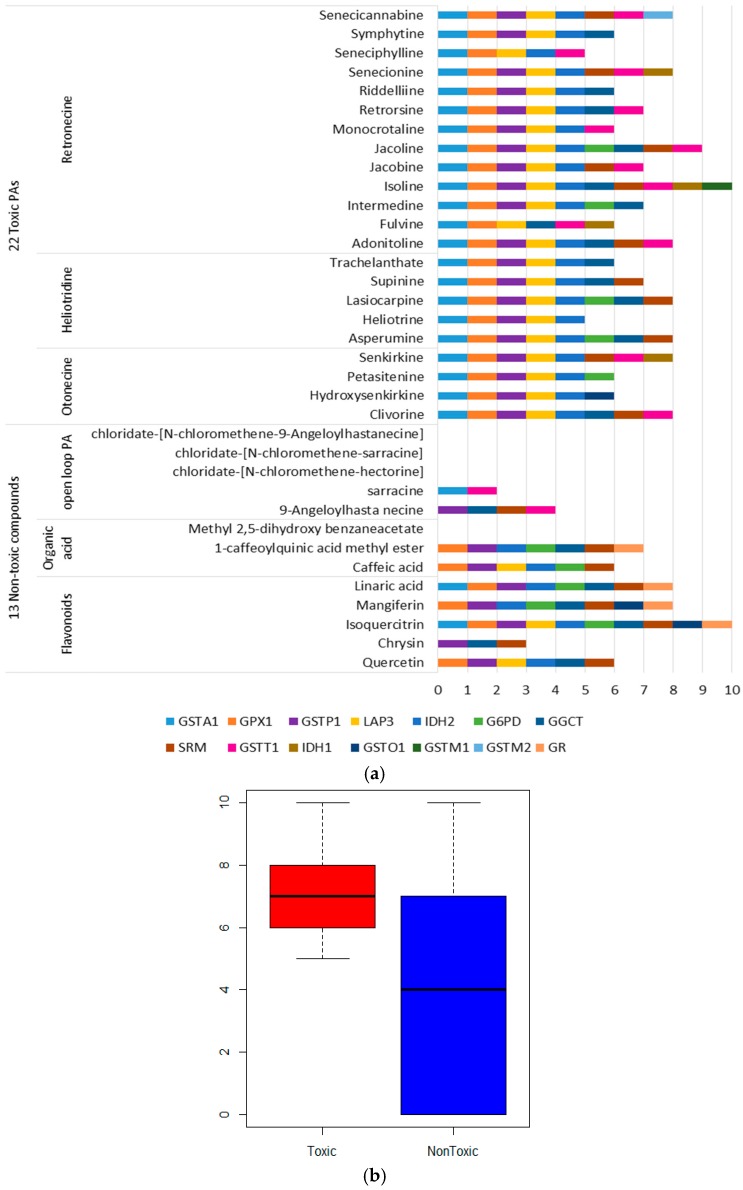
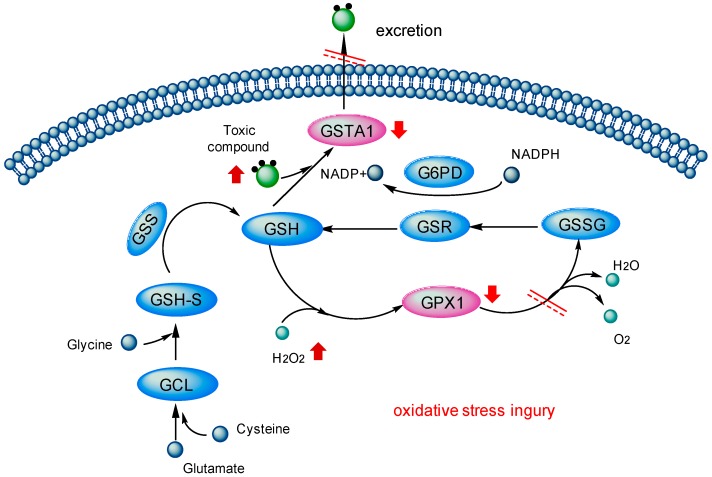
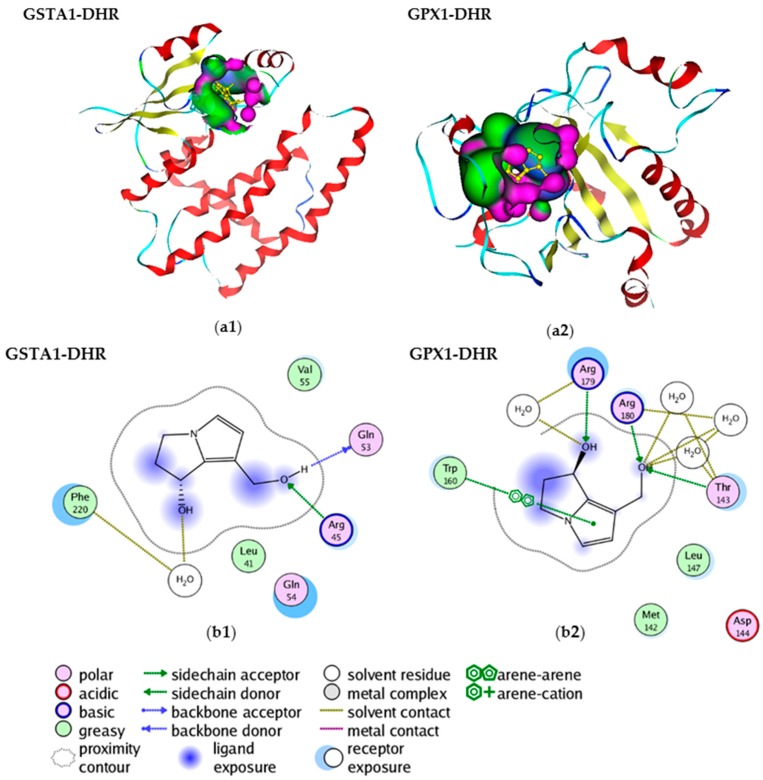
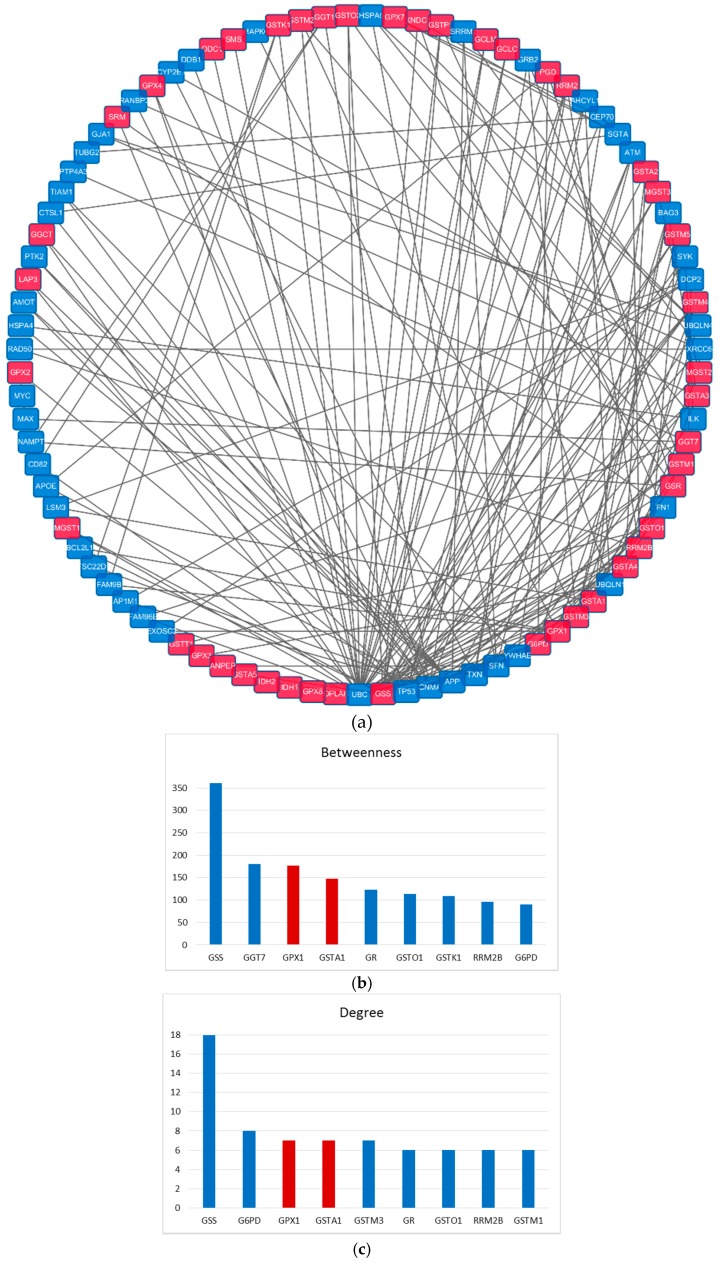
Pyrrolizidine Alkaloids (PAs) are currently one of the most important botanical hepatotoxic ingredients. Glutathion (GSH) metabolism is the most reported pathway involved in hepatotoxicity mechanism of PAs. We speculate that, for different PAs, there should be a common mechanism underlying their hepatotoxicity in GSH metabolism. Computational methods were adopted to test our hypothesis in consideration of the limitations of current experimental approaches. Firstly, the potential targets of 22 PAs (from three major PA types) in GSH metabolism were identified by reverse docking; Secondly, glutathione S-transferase A1 (GSTA1) and glutathione peroxidase 1 (GPX1) targets pattern was found to be a special characteristic of toxic PAs with stepwise multiple linear regressions; Furthermore, the molecular mechanism underlying the interactions within toxic PAs and these two targets was demonstrated with the ligand-protein interaction analysis; Finally, GSTA1 and GPX1 were proved to be significant nodes in GSH metabolism. Overall, toxic PAs could be identified by GSTA1 and GPX1 targets pattern, which suggests their common hepatotoxicity mechanism: the interfering of detoxication in GSH metabolism. In addition, all the strategies developed here could be extended to studies on toxicity mechanism of other toxins.
吡咯里西啶生物碱(PAs)是目前最重要的植物性肝毒性成分之一。谷胱甘肽(GSH)代谢是PAs肝毒性机制中报道最多的途径。我们推测,对于不同的PAs,其在GSH代谢中的肝毒性应有一个共同的机制。考虑到当前实验方法的局限性,采用计算方法来验证我们的假设。首先,通过反向对接确定了22种PAs(来自三种主要PA类型)在GSH代谢中的潜在靶点;其次,通过逐步多元线性回归发现谷胱甘肽S-转移酶A1(GSTA1)和谷胱甘肽过氧化物酶1(GPX1)的靶点模式是有毒PAs的一个特殊特征;此外,通过配体-蛋白质相互作用分析证明了有毒PAs与这两个靶点相互作用的分子机制;最后,证明GSTA1和GPX1是GSH代谢中的重要节点。总体而言,有毒PAs可通过GSTA1和GPX1靶点模式来识别,这表明它们具有共同的肝毒性机制:干扰GSH代谢中的解毒作用。此外,这里开发的所有策略都可扩展到其他毒素毒性机制的研究中。