Department of Animal Protection and Welfare and Veterinary Public Health, Faculty of Veterinary Hygiene and Ecology, University of Veterinary Sciences Brno, Palackeho tr. 1946/1, 61242 Brno, Czech Republic.
Toxins (Basel). 2023 May 19;15(5):346. doi: 10.3390/toxins15050346.
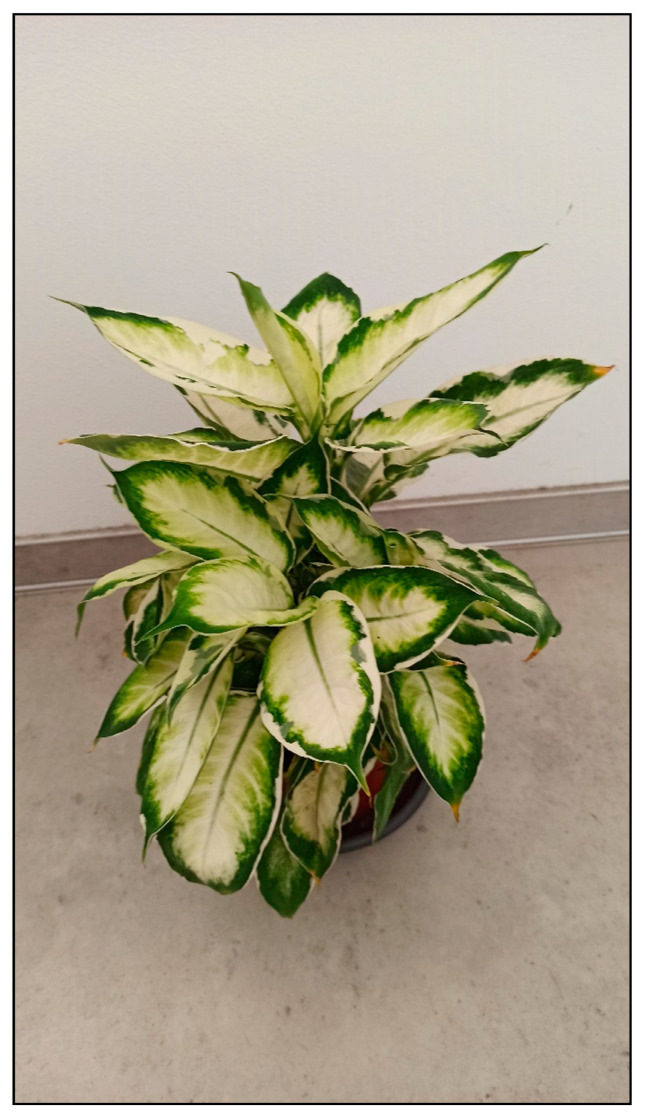
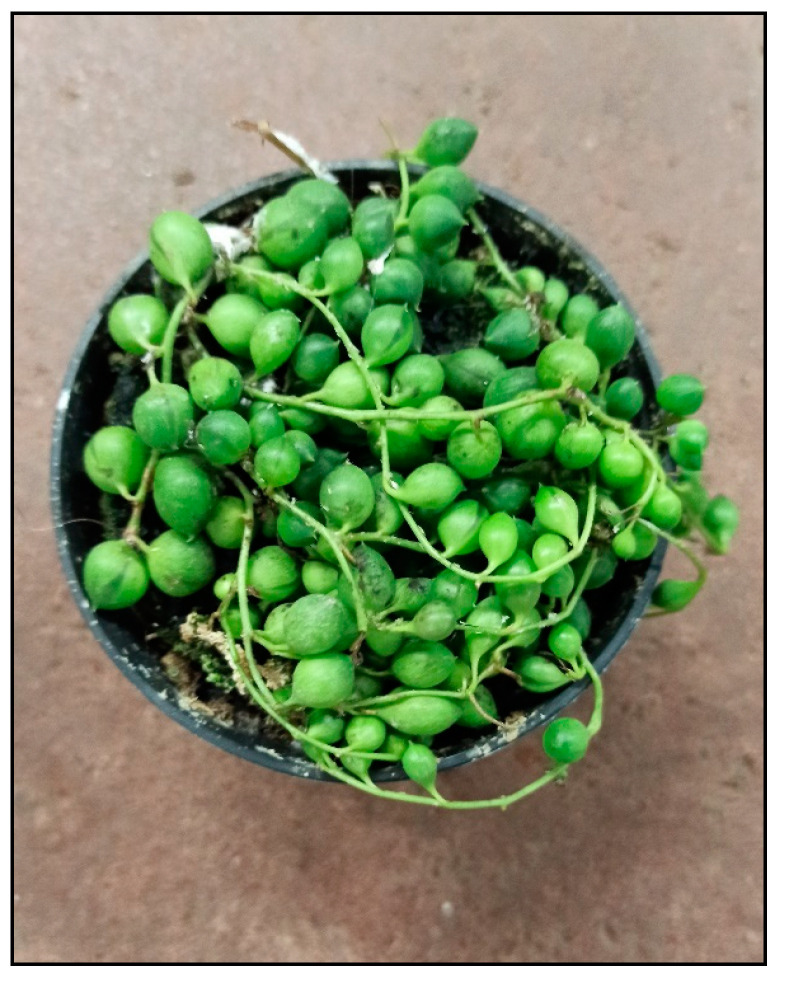
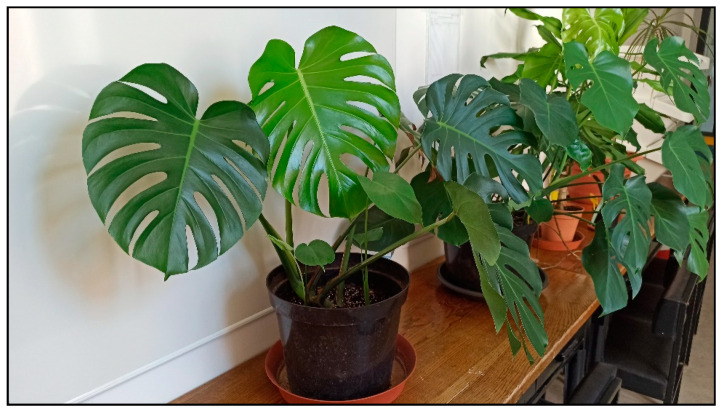
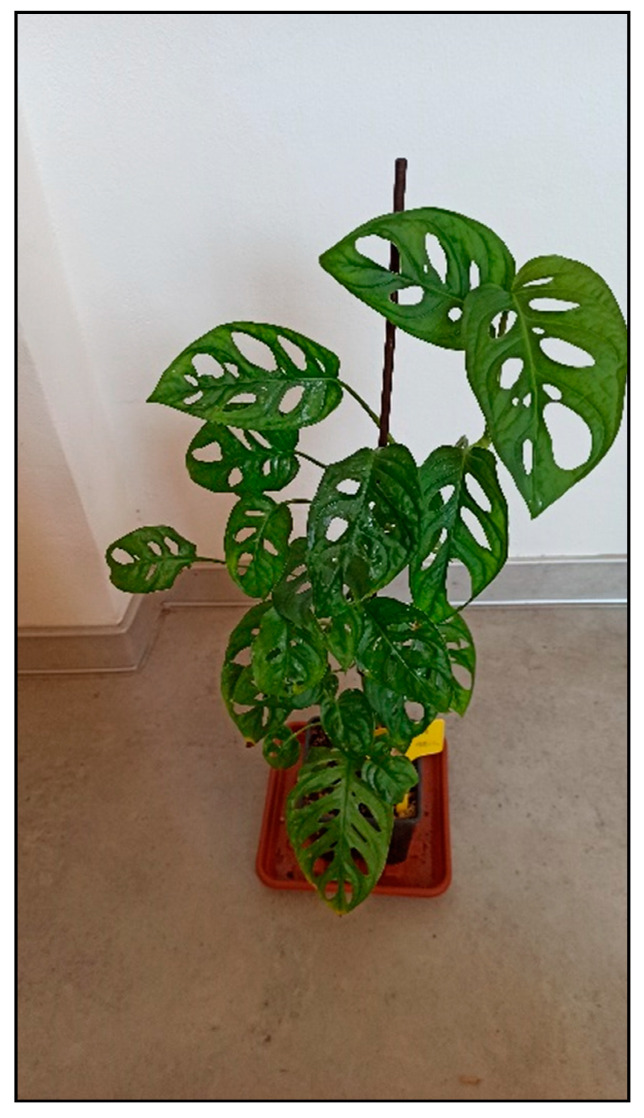
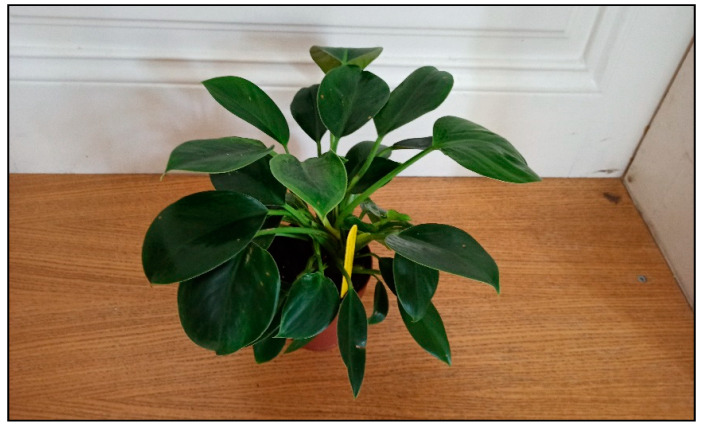
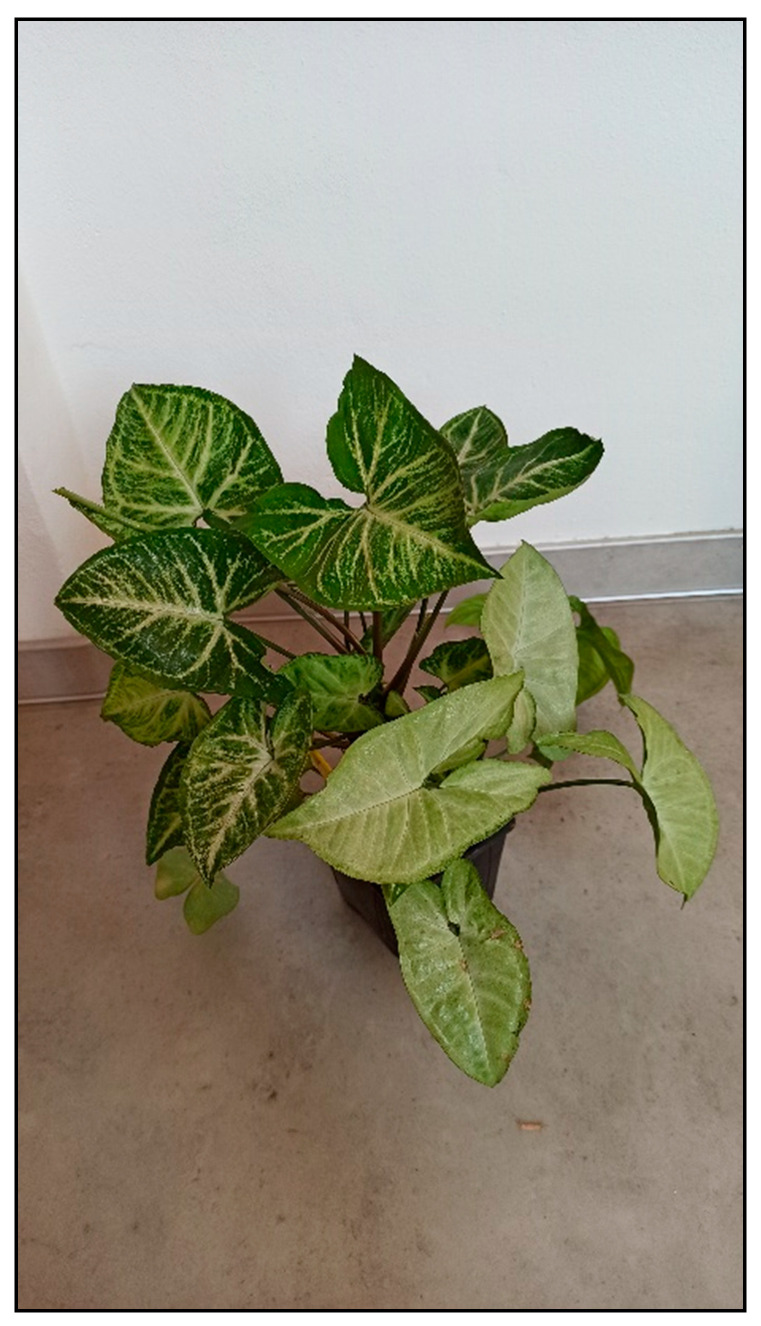
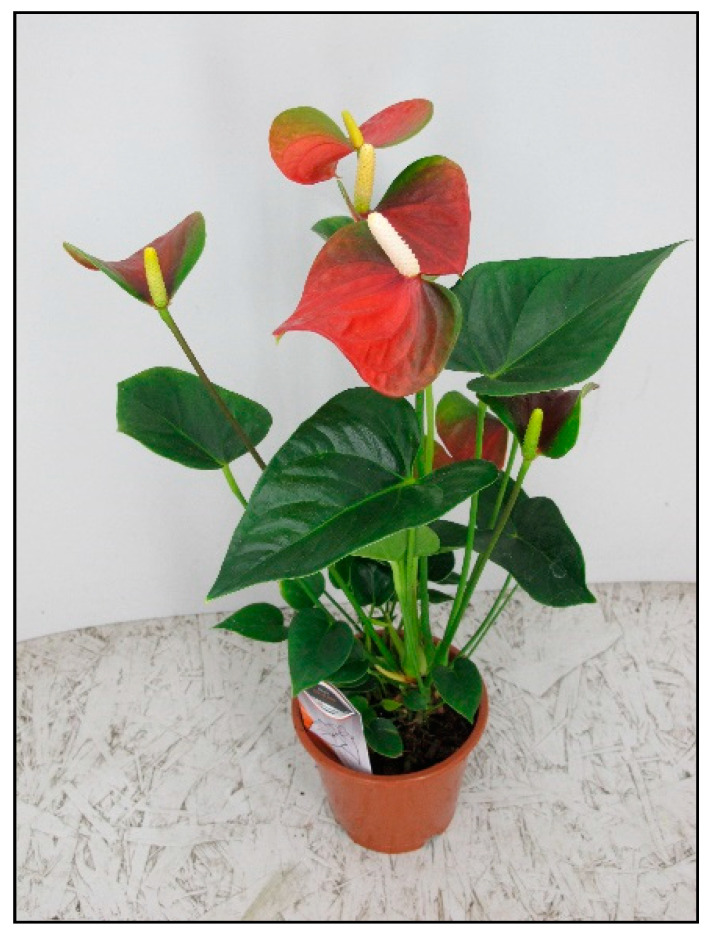
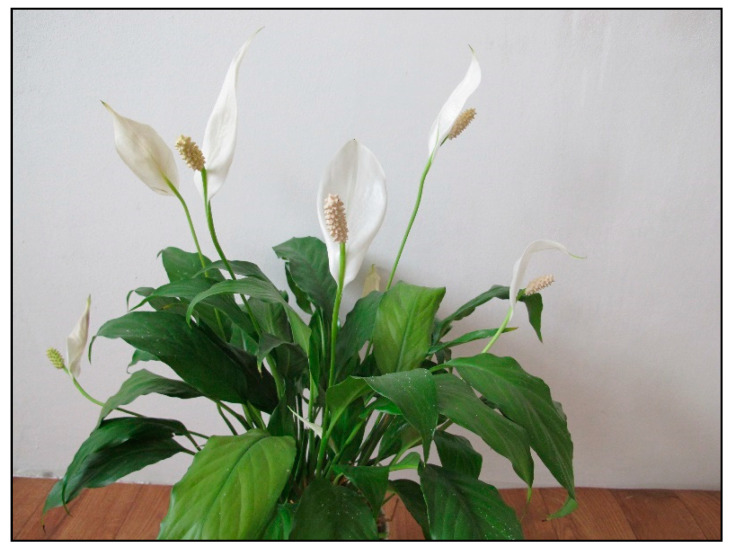
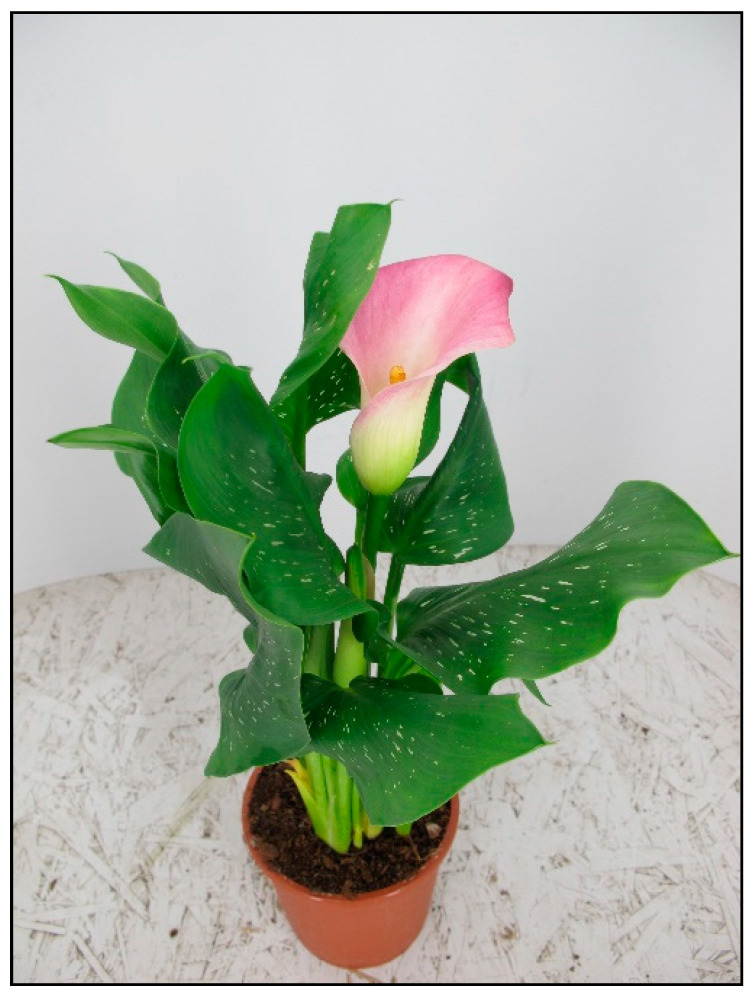
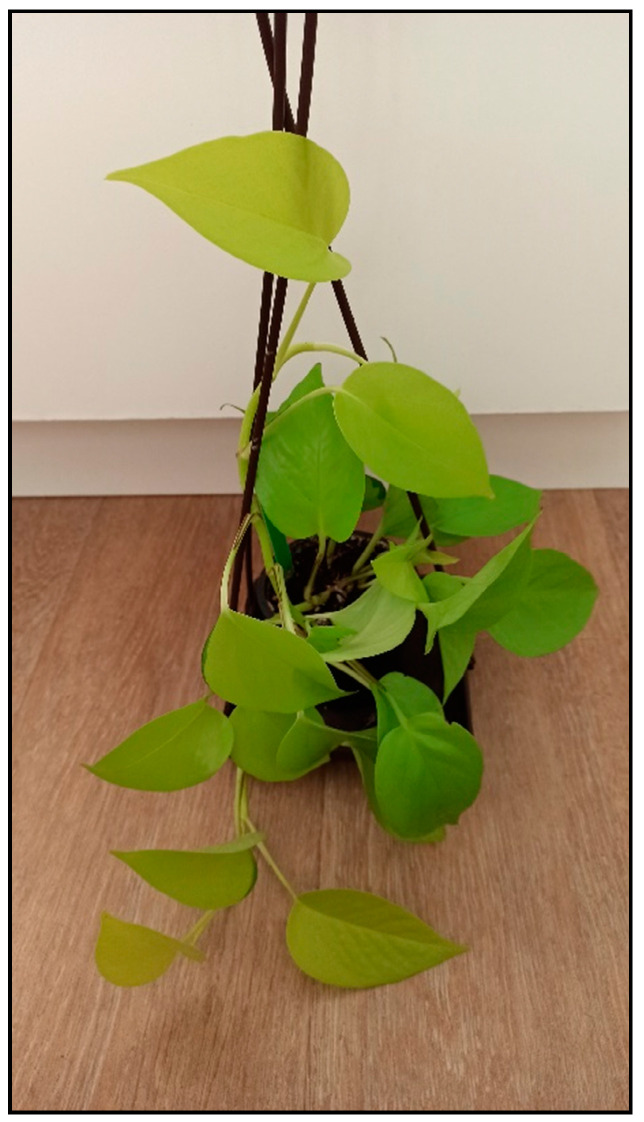
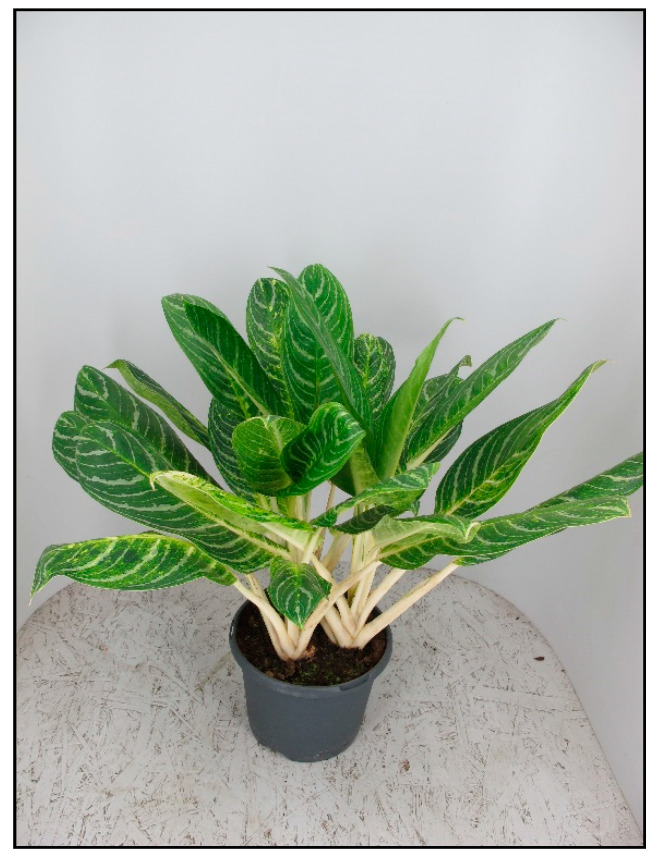
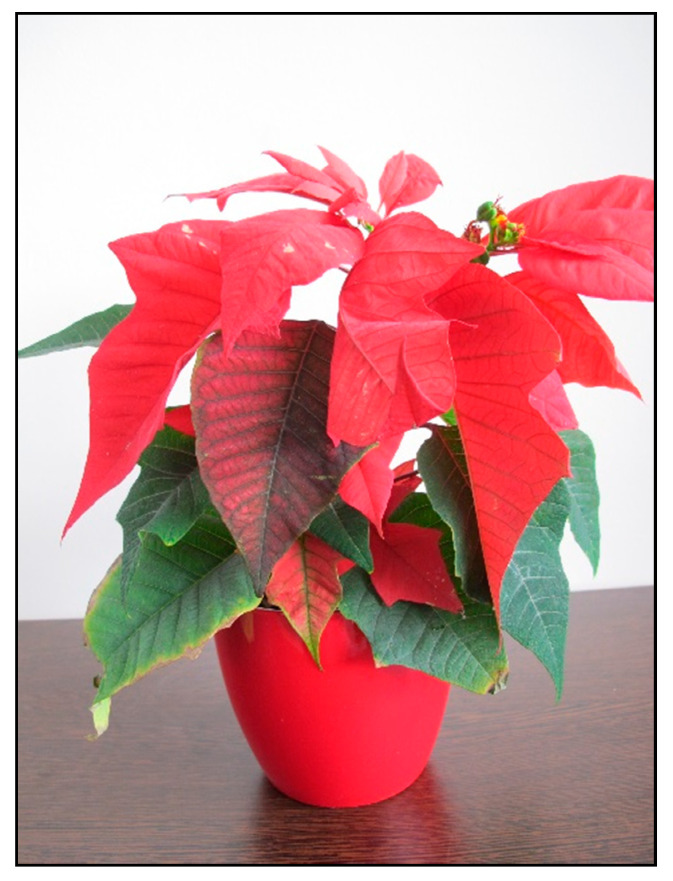
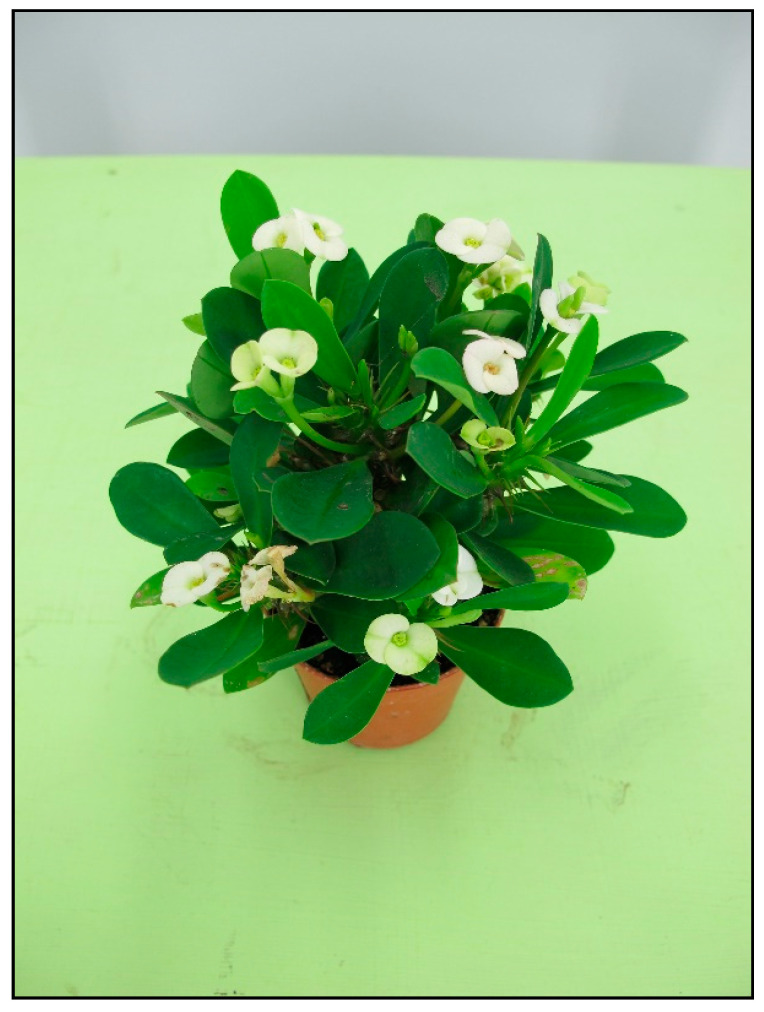
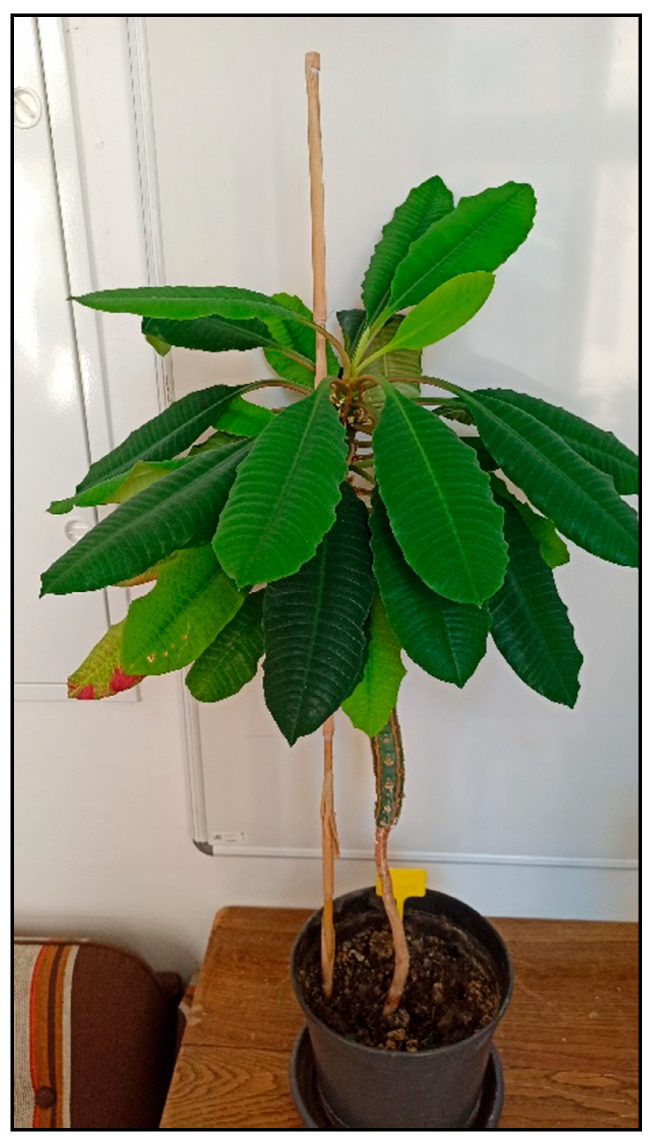
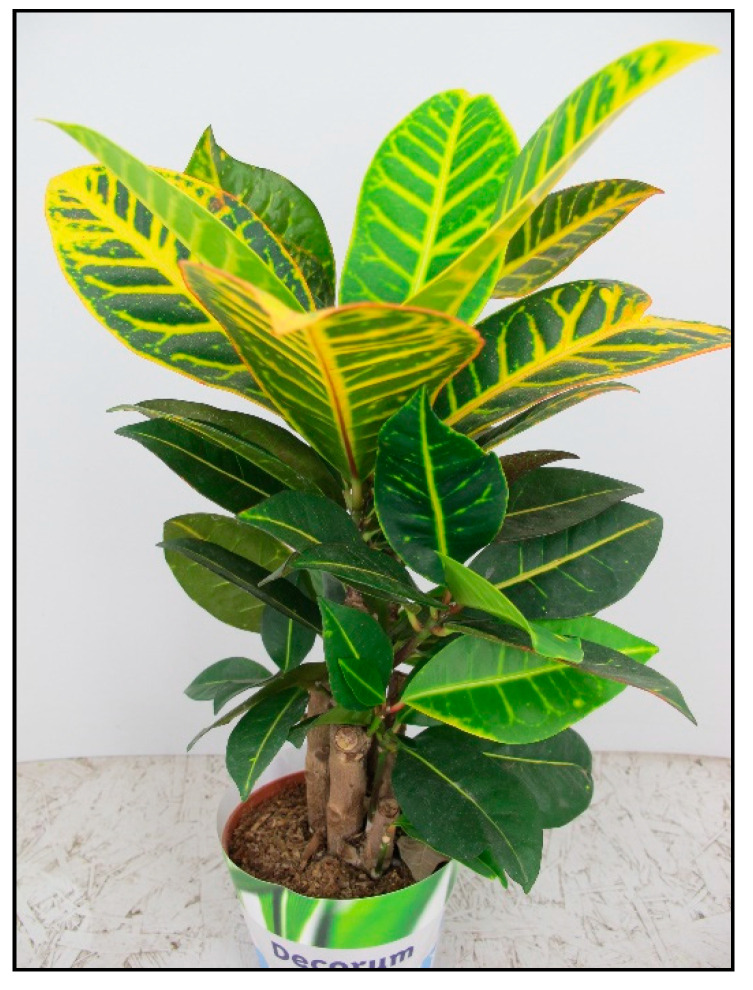
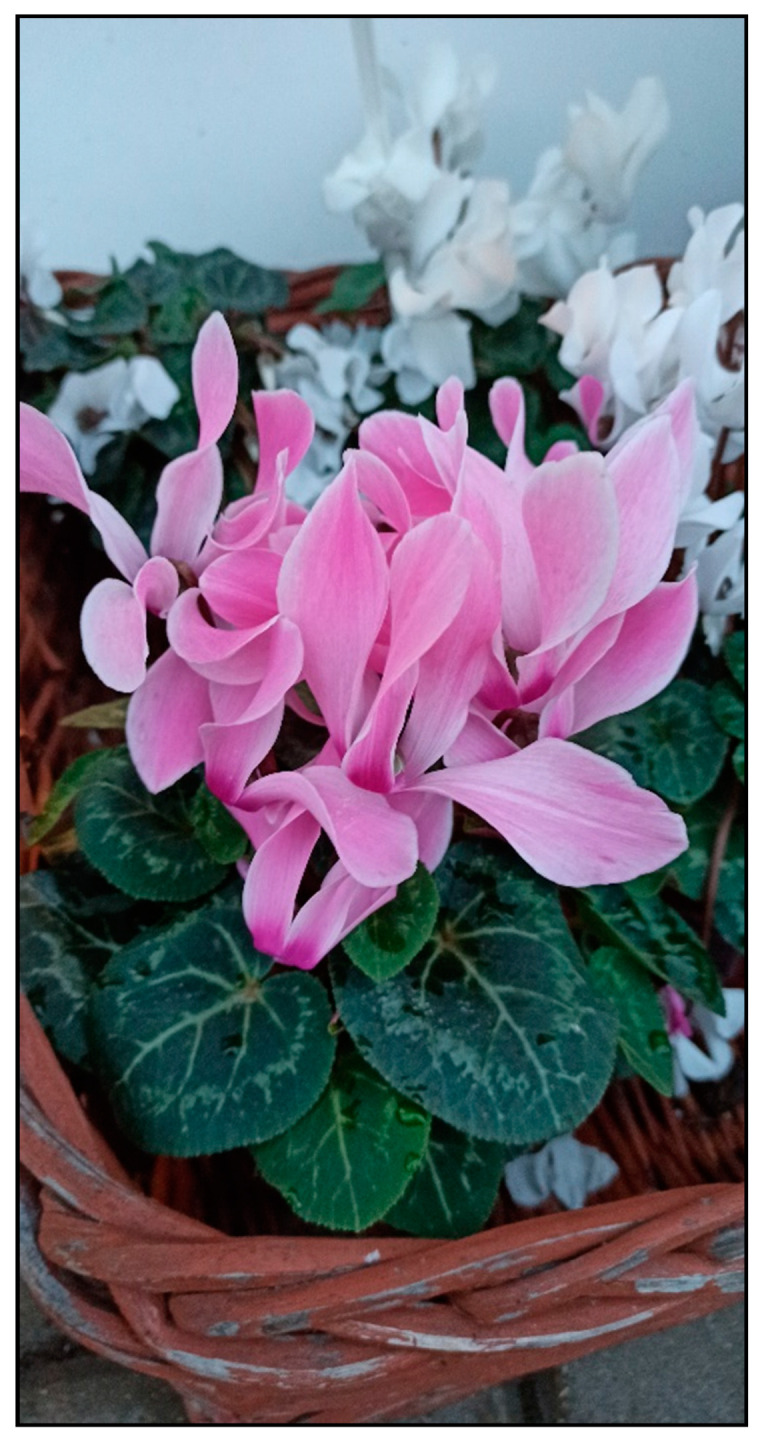
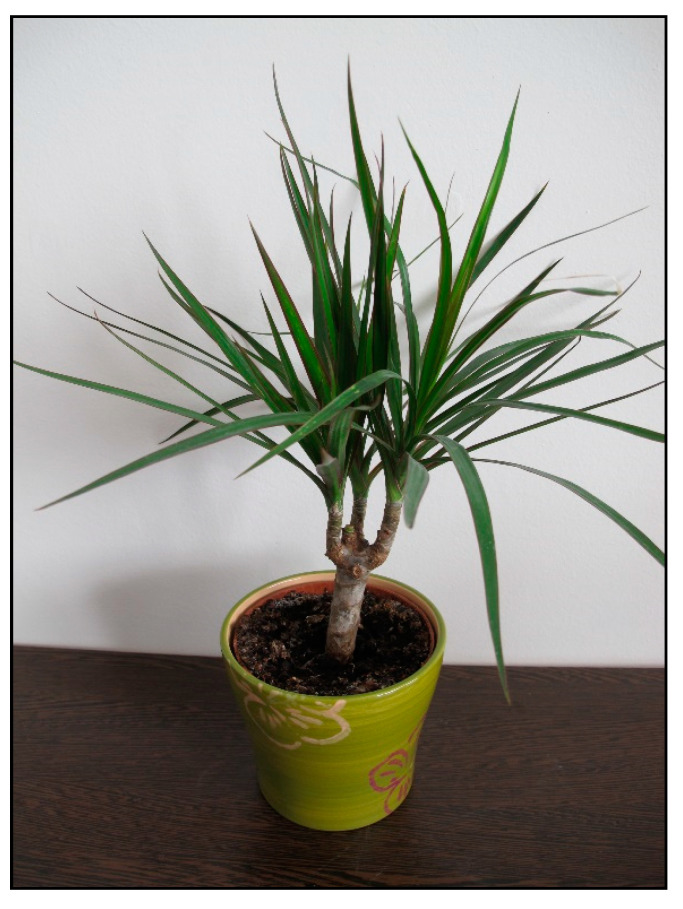
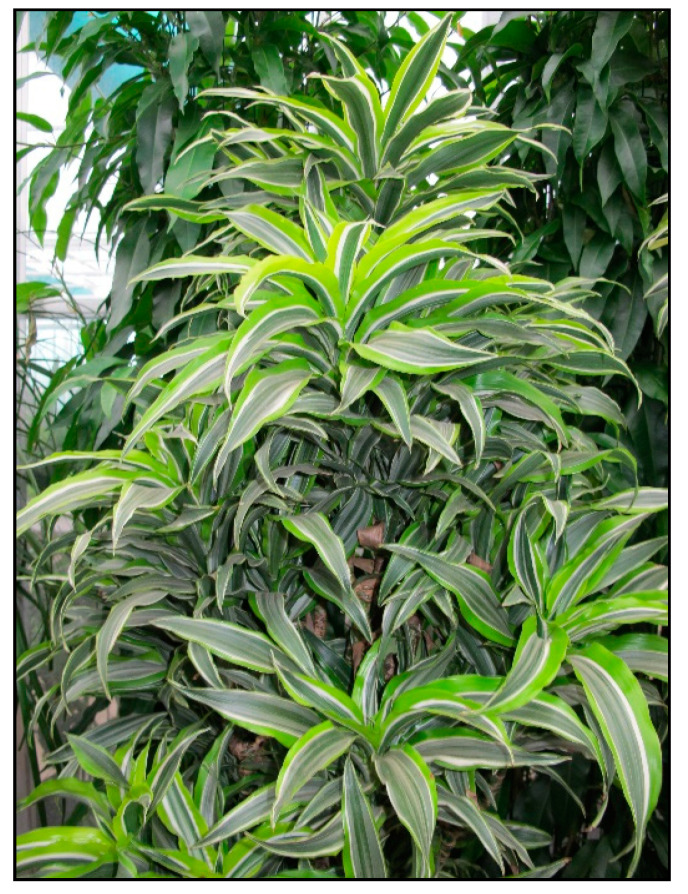
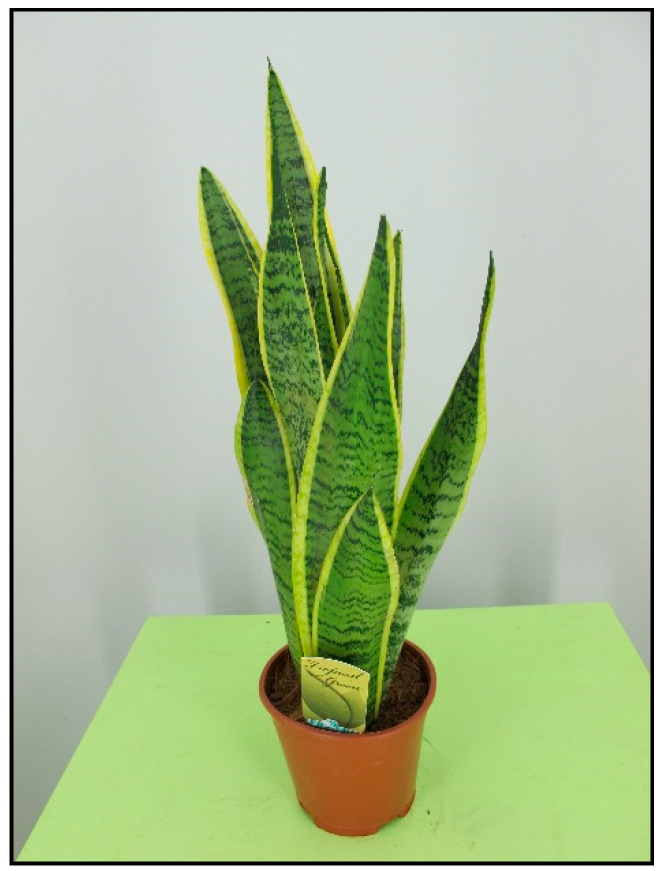
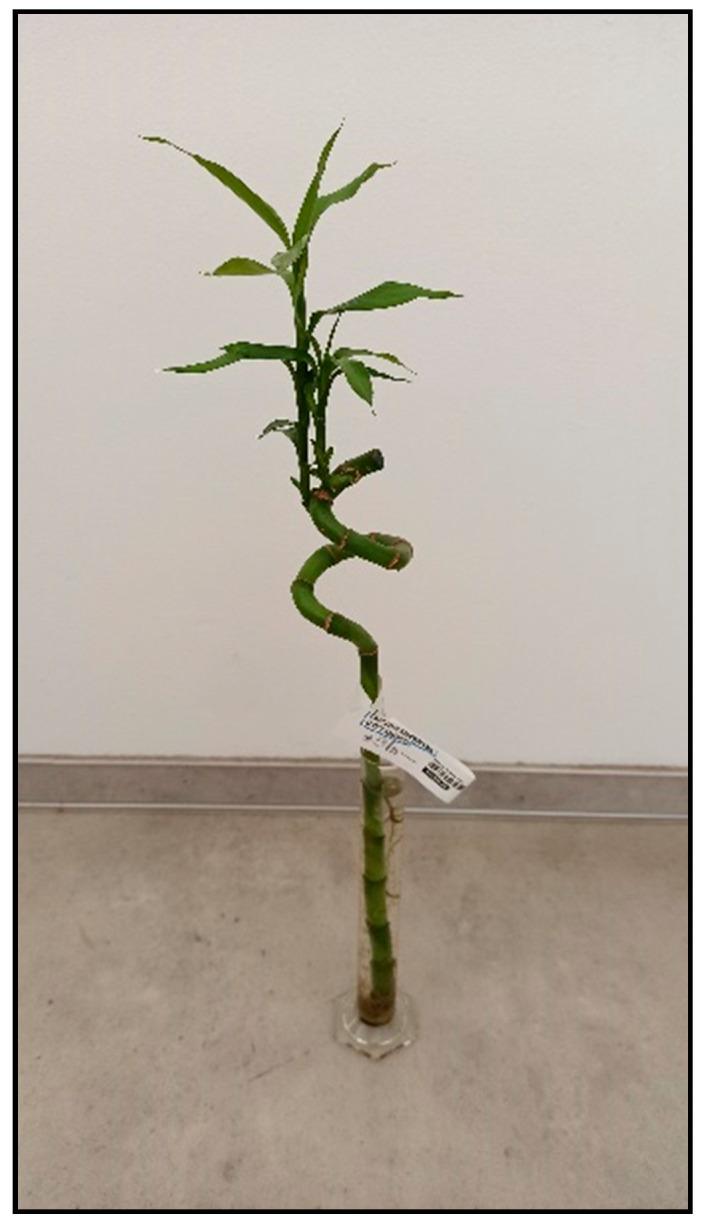
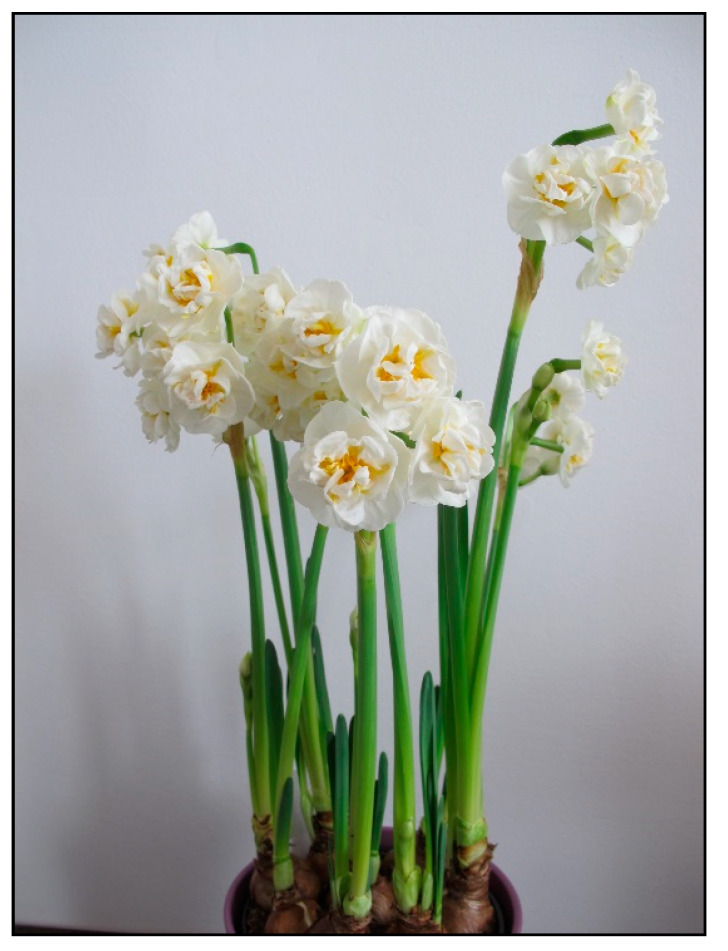
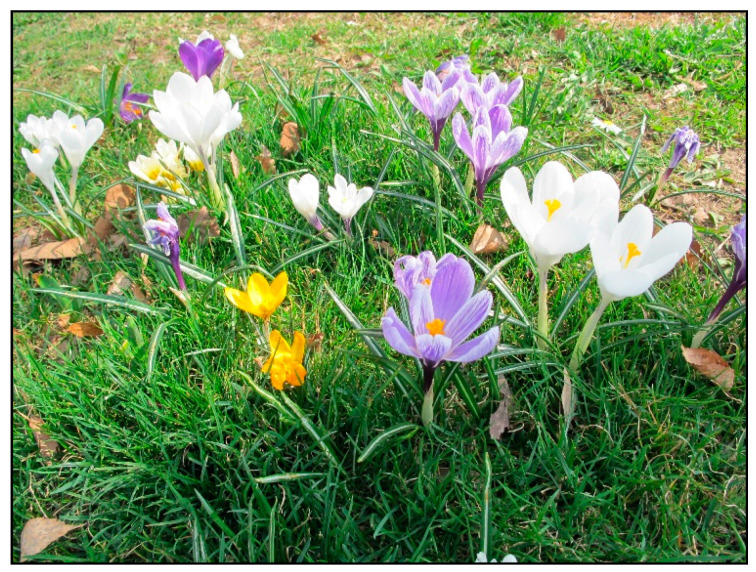
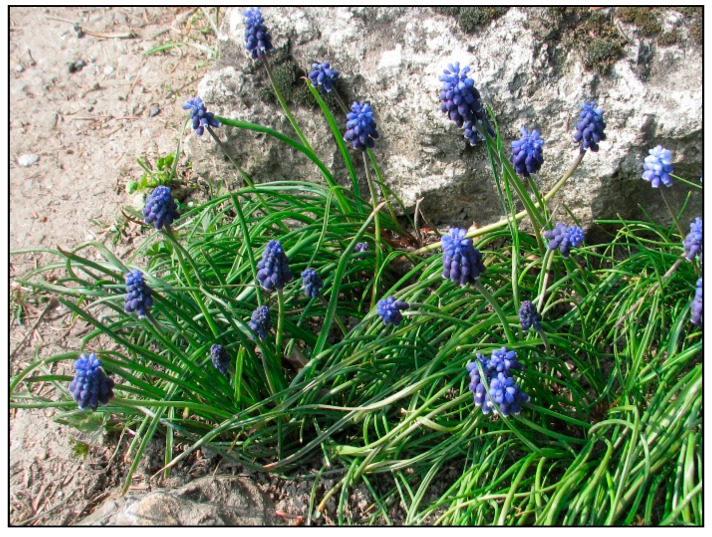
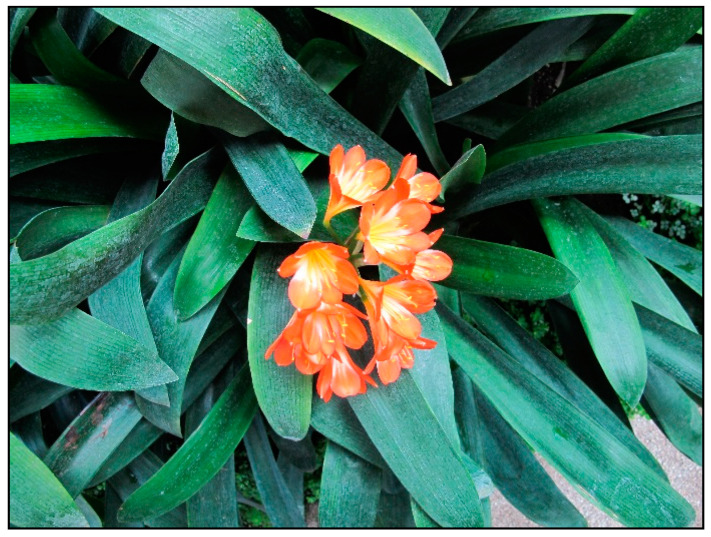
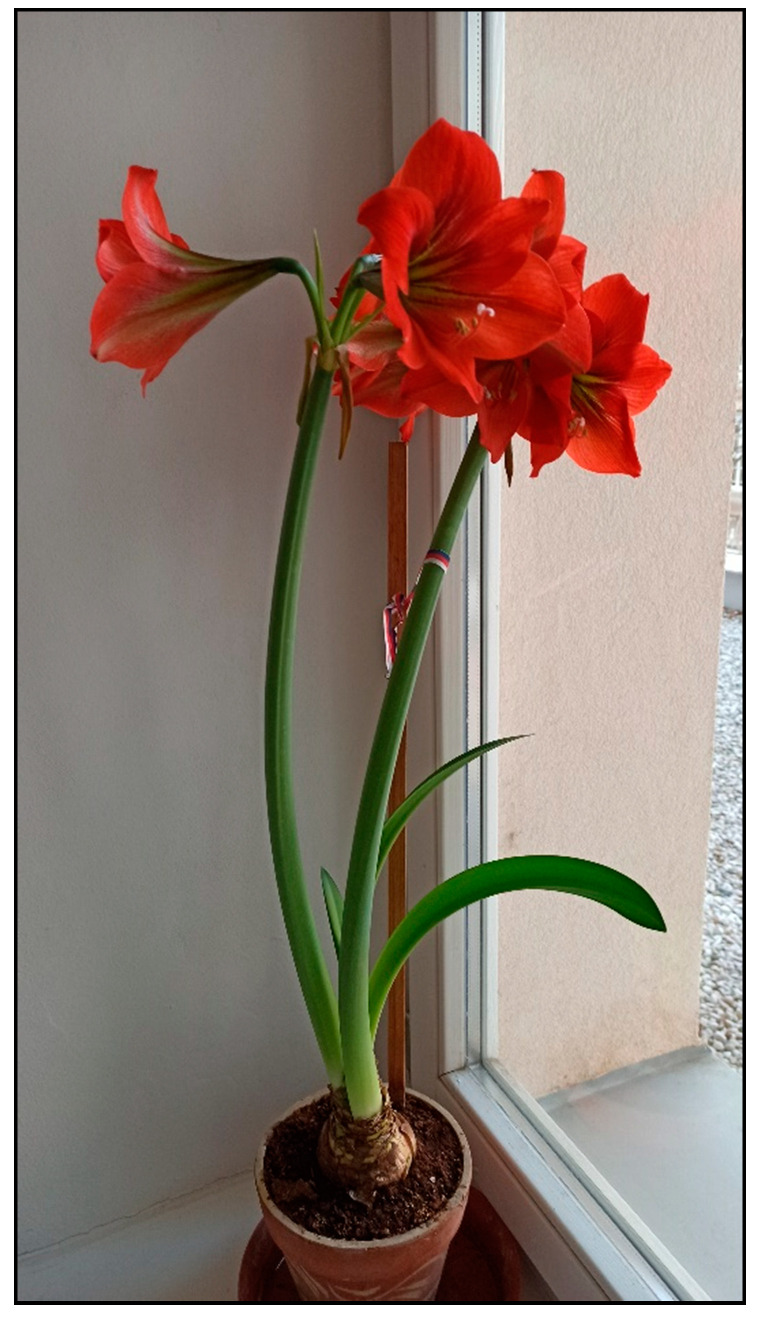
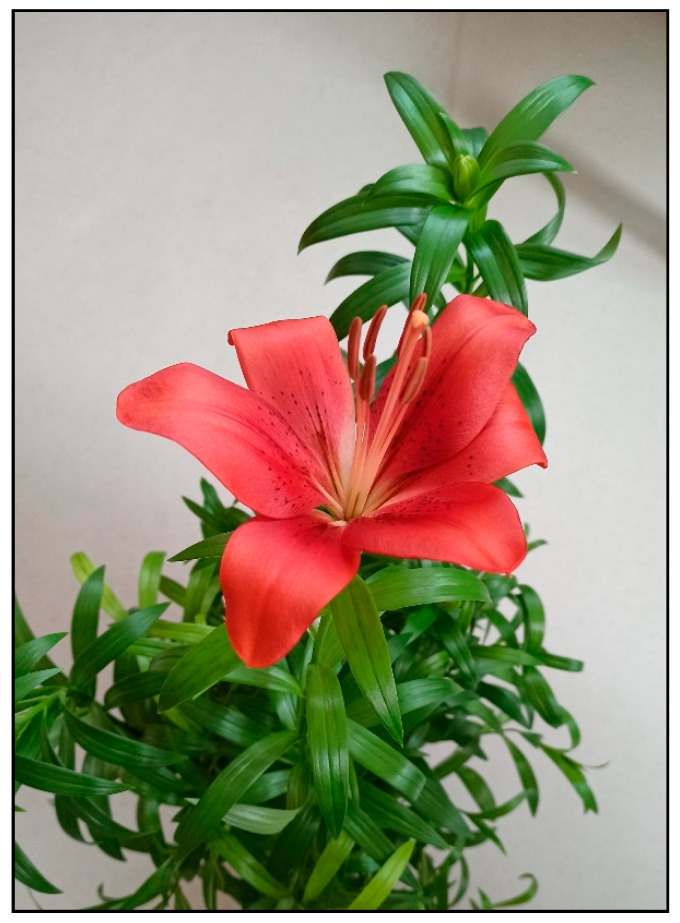
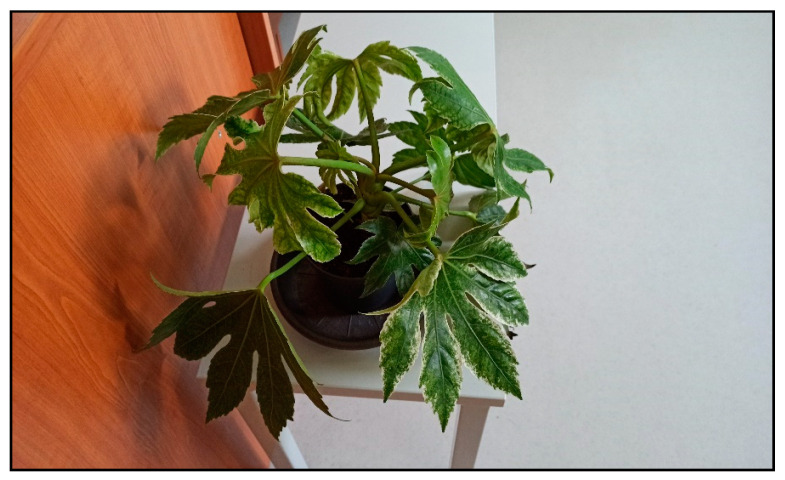
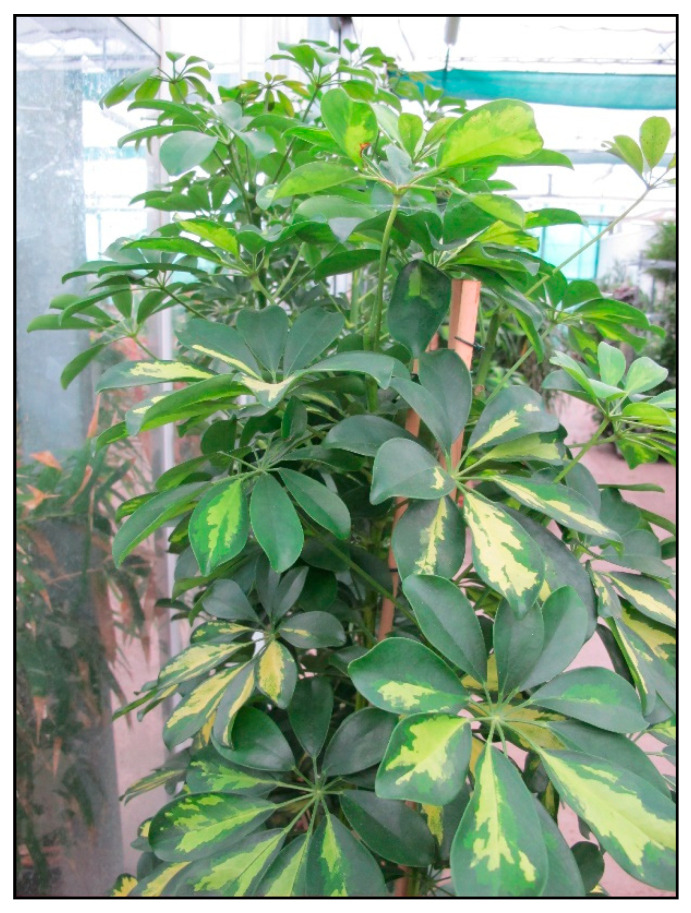
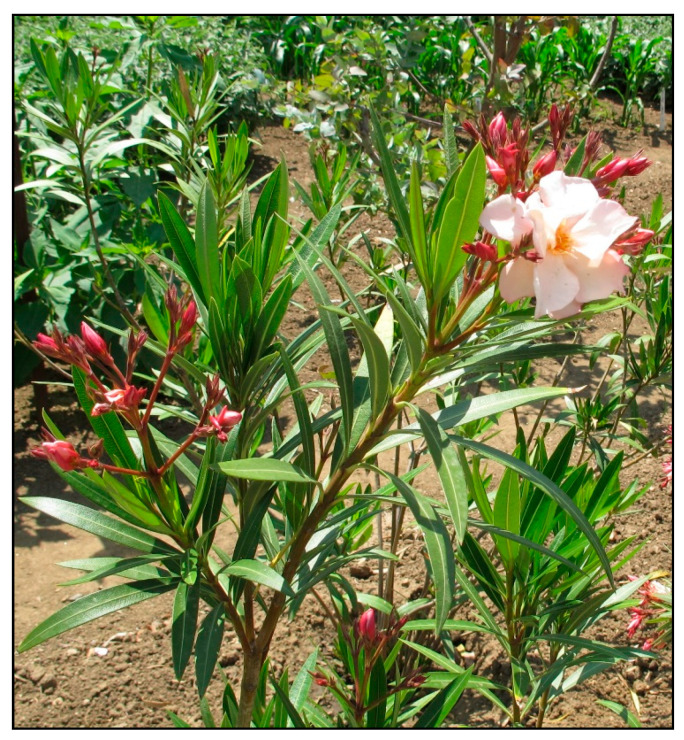
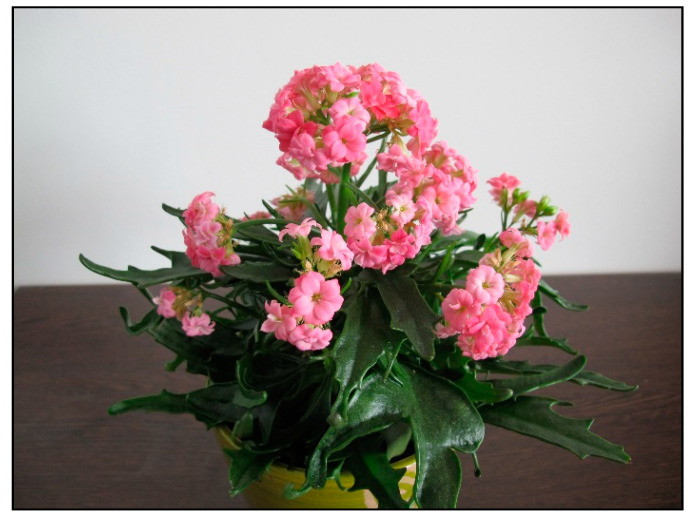
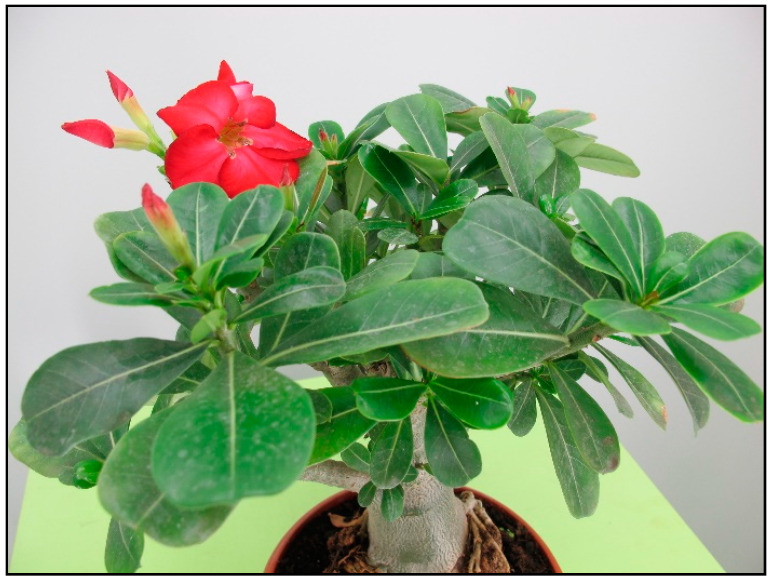
Cases of ingestion of indoor poisonous plants are relatively common among animals and lead to both acute cases of poisoning and long-term exposure to harmful substances and chronic damage to the animal's health. Plants produce a large number of secondary metabolites, which serve to protect the plant from attacks by insects, parasitic plants, fungi or, for example, during reproduction. However, these metabolites can be toxic if ingested by animals or humans. Toxicologically effective components found in plants are mainly alkaloids, glycosides, saponins, terpenes and others. This review article describes in detail the most common and popular indoor poisonous plants grown in Europe, the mechanisms of action of their active substances and clinical signs of the respective poisonings. This manuscript is supplemented with rich photographic documentation of these plants not found in similar articles, and also includes a description of the treatment of individual types of poisoning.
动物摄入室内有毒植物的情况较为常见,这会导致动物出现急性中毒和长期暴露于有害物质以及慢性健康损害。植物会产生大量的次生代谢产物,这些产物可以保护植物免受昆虫、寄生植物、真菌等的侵害,或者在繁殖过程中免受侵害。然而,如果这些代谢产物被动物或人类摄入,它们可能会有毒。在植物中发现的具有毒理学作用的成分主要有生物碱、糖苷、皂甙、萜类化合物等。本文详细描述了在欧洲常见的、广受欢迎的室内有毒植物,以及其活性物质的作用机制和相应中毒的临床症状。本文还补充了这些植物的丰富图片说明,这些图片在类似文章中并未出现,还包括对个别类型中毒的处理描述。