Angeloni Nicholas L, McMahon Kaylin M, Swaminathan Suchitra, Plebanek Michael P, Osman Iman, Volpert Olga V, Thaxton C Shad
Department of Urology, Northwestern University Feinberg School of Medicine, Chicago, IL, United States.
Simpson Querrey Institute for BioNanotechnology, Northwestern University Feinberg School of Medicine, Chicago, IL United States.
Sci Rep. 2016 Mar 11;6:22915. doi: 10.1038/srep22915.
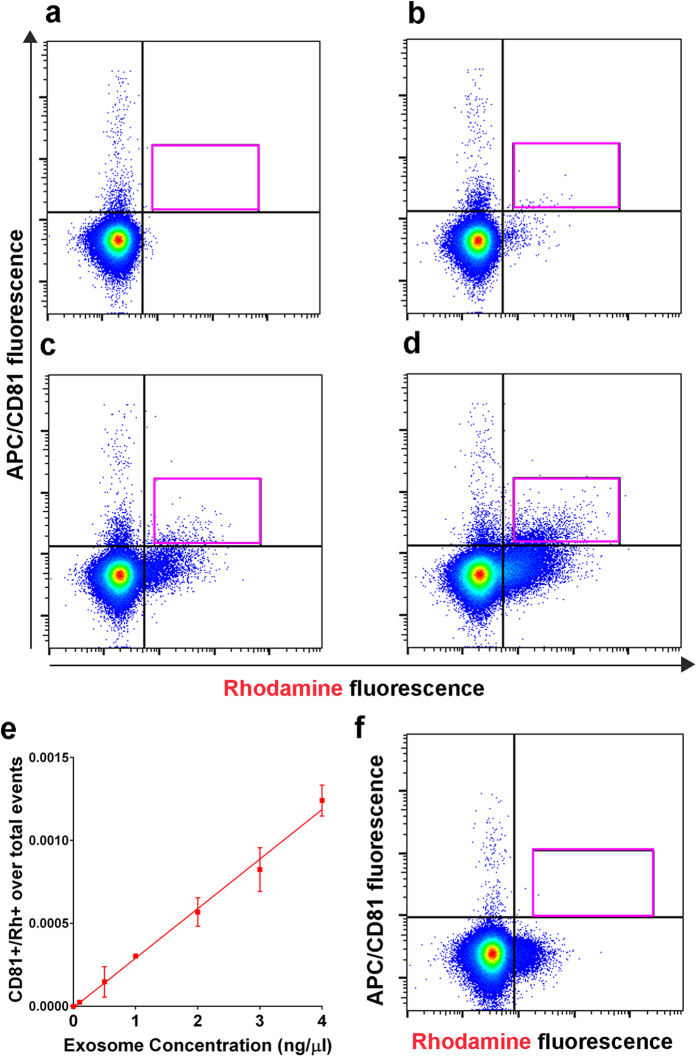
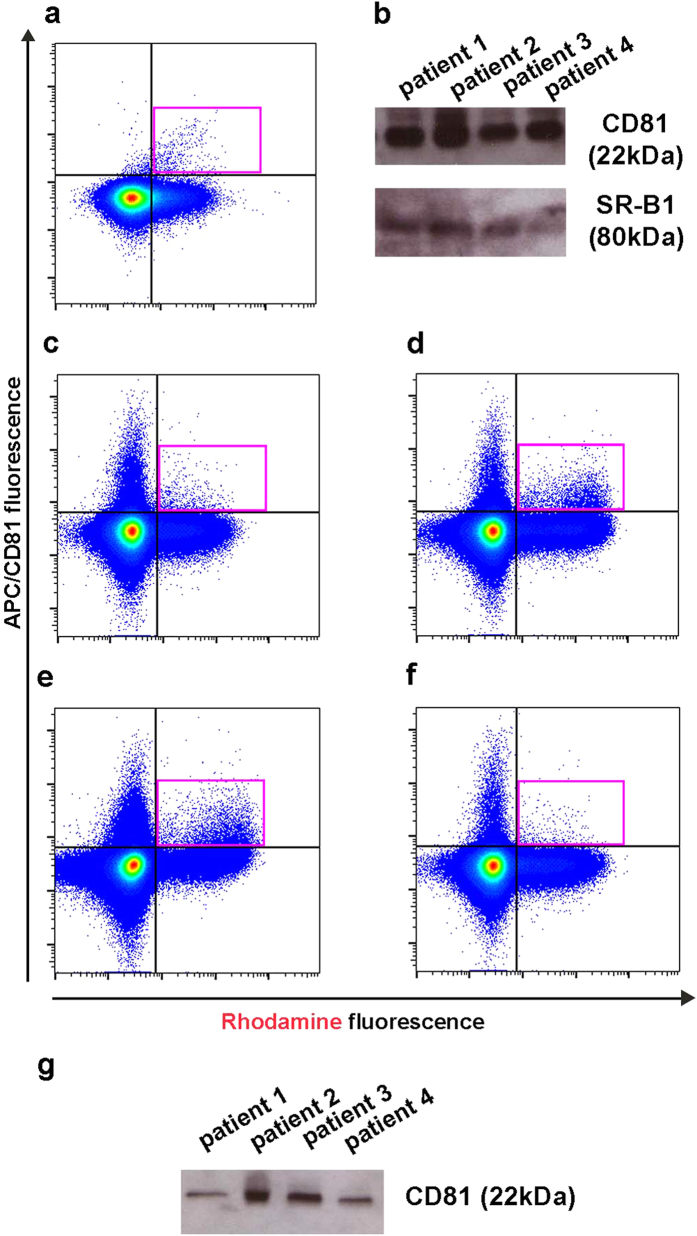
Exosomes are produced by cells to mediate intercellular communication, and have been shown to perpetuate diseases, including cancer. New tools are needed to understand exosome biology, detect exosomes from specific cell types in complex biological media, and to modify exosomes. Our data demonstrate a cellular pathway whereby membrane-bound scavenger receptor type B-1 (SR-B1) in parent cells becomes incorporated into exosomes. We tailored synthetic HDL-like nanoparticles (HDL NP), high-affinity ligands for SR-B1, to carry a fluorescently labeled phospholipid. Data show SR-B1-dependent transfer of the fluorescent phospholipid from HDL NPs to exosomes. Modified exosomes are stable in serum and can be directly detected using flow cytometry. As proof-of-concept, human serum exosomes were found to express SR-B1, and HDL NPs can be used to label and isolate them. Ultimately, we discovered a natural cellular pathway and nanoparticle-receptor pair that enables exosome modulation, detection, and isolation.
外泌体由细胞产生以介导细胞间通讯,并且已被证明会使包括癌症在内的疾病持续存在。需要新的工具来了解外泌体生物学,从复杂生物介质中的特定细胞类型检测外泌体,并对外泌体进行修饰。我们的数据证明了一种细胞途径,即母细胞中的膜结合清道夫受体B-1型(SR-B1)被整合到外泌体中。我们定制了合成的高密度脂蛋白样纳米颗粒(HDL NP),即SR-B1的高亲和力配体,以携带荧光标记的磷脂。数据显示荧光磷脂从HDL NPs向外泌体的SR-B1依赖性转移。修饰后的外泌体在血清中稳定,并且可以使用流式细胞术直接检测。作为概念验证,发现人血清外泌体表达SR-B1,并且HDL NPs可用于标记和分离它们。最终,我们发现了一种天然的细胞途径和纳米颗粒-受体对,可实现外泌体的调节、检测和分离。