Department of Immunobiology and Pharmacological Genetics, Graduate School of Medicine and Pharmaceutical Science for Research, University of Toyama, 2630 Sugitani, Toyama-shi, Toyama 930-0194, JAPAN.
JST, PRESTO, 4-1-8 Honcho, Kawaguchi, Saitama 332-0012, JAPAN.
Sci Rep. 2016 Mar 15;6:23097. doi: 10.1038/srep23097.
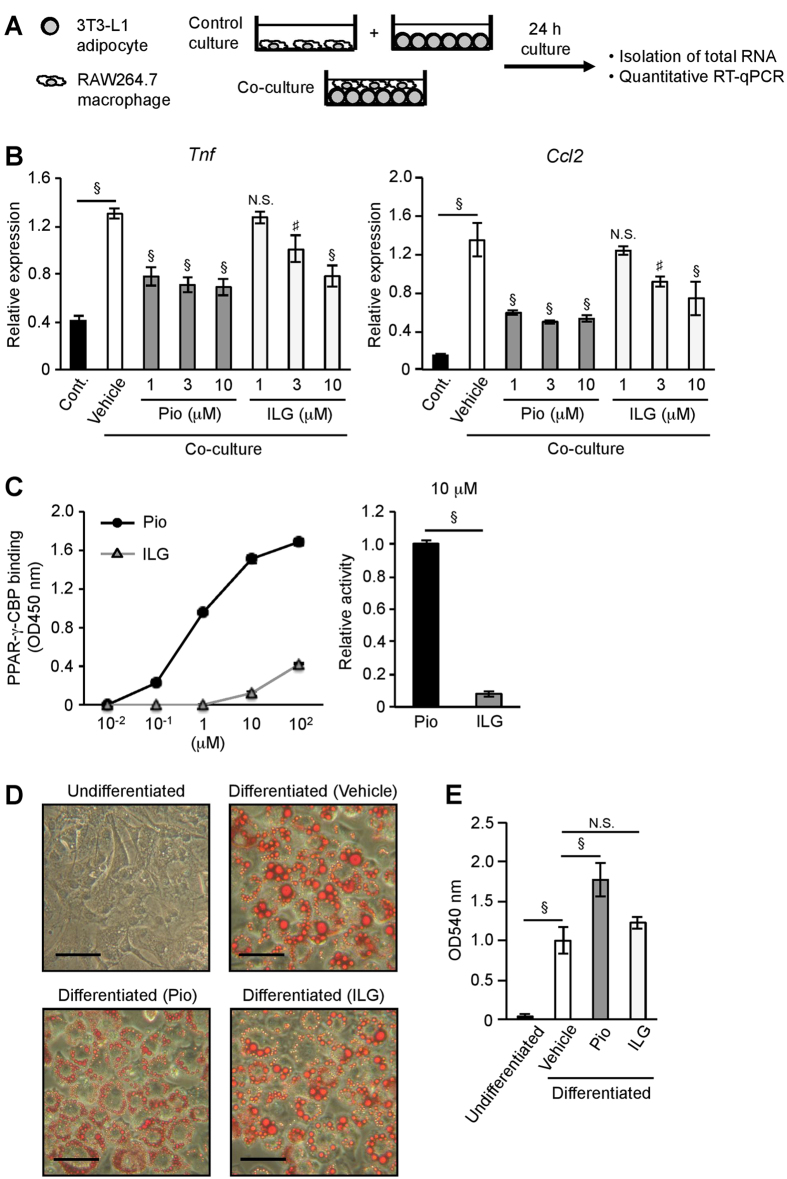
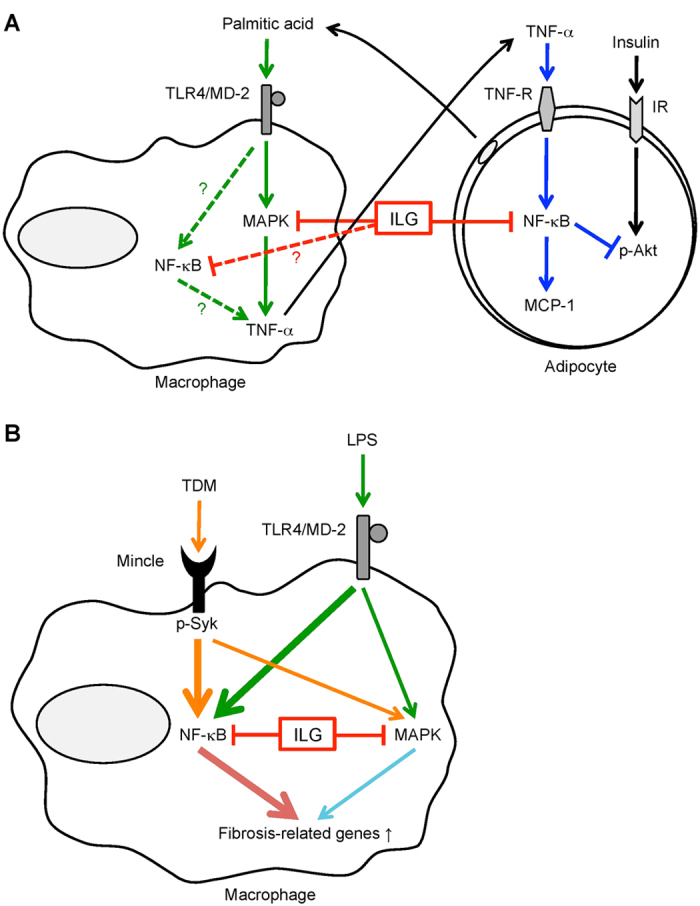
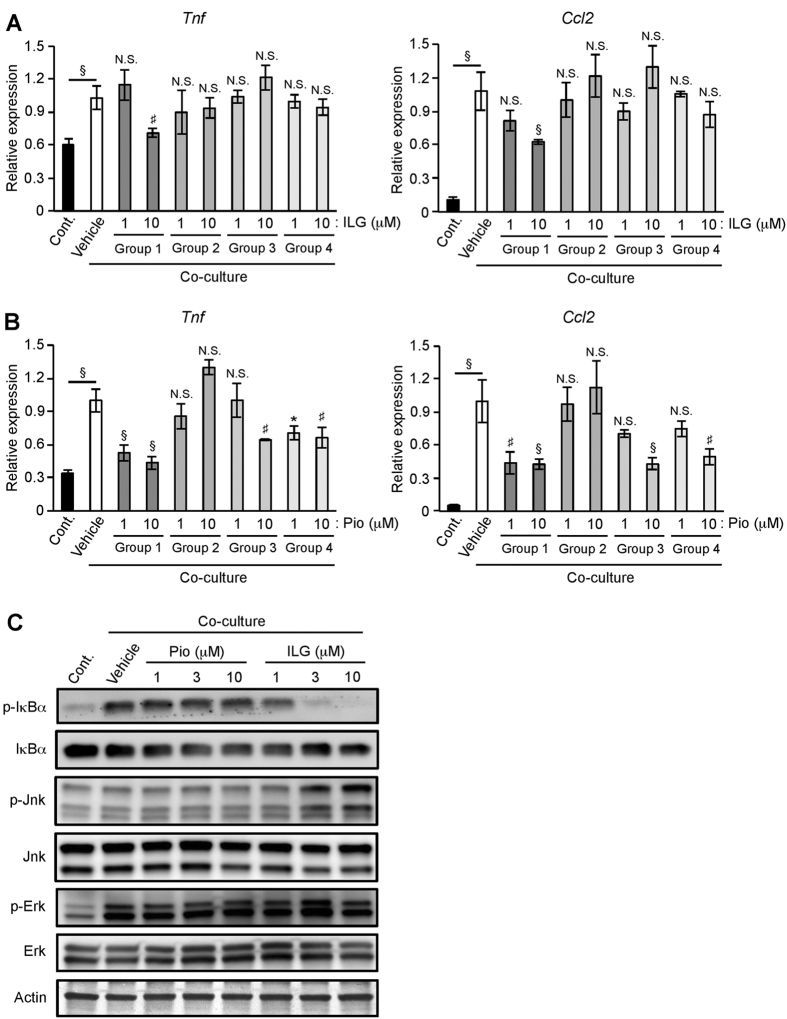
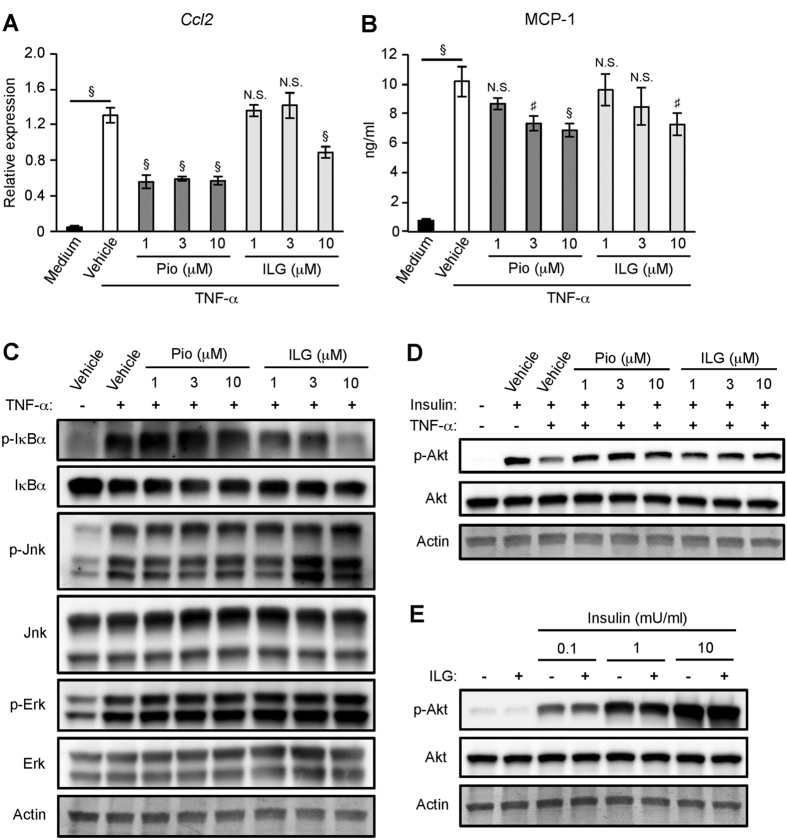
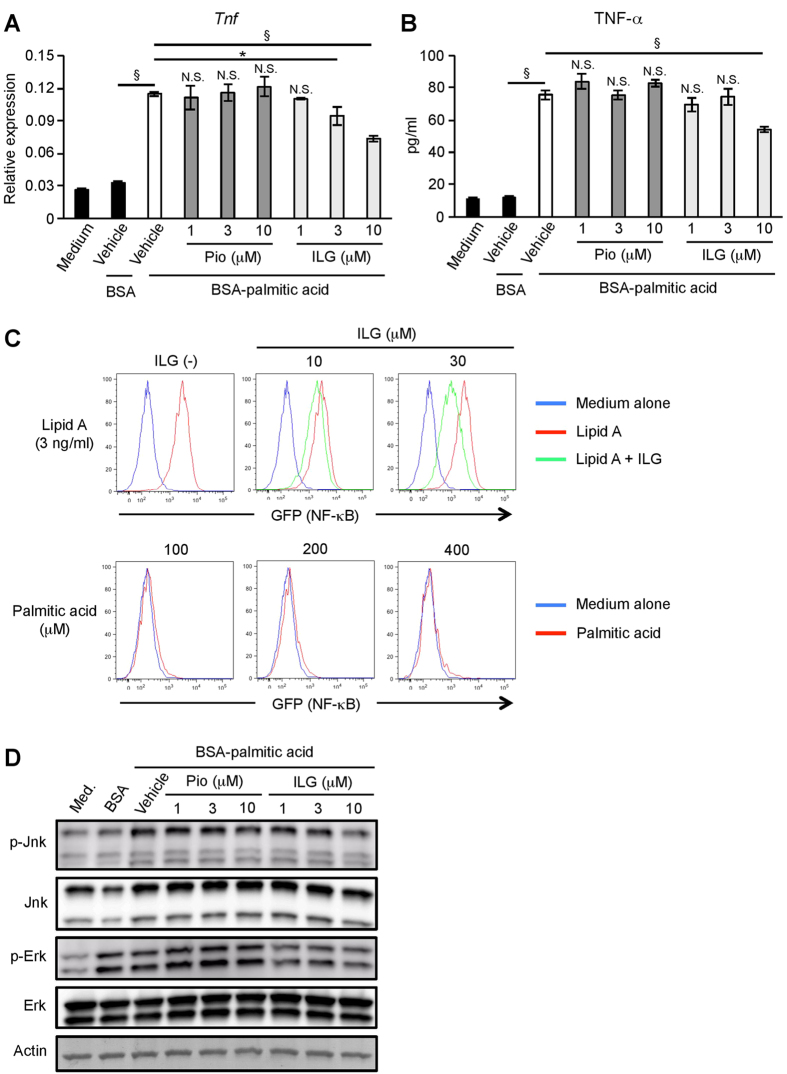
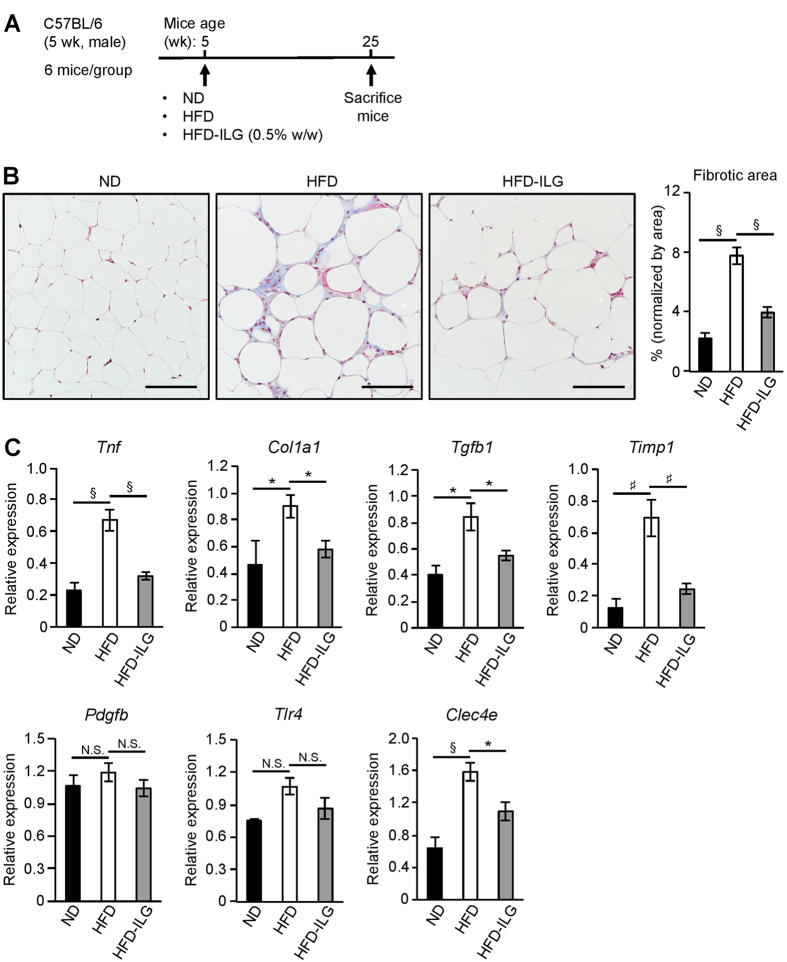
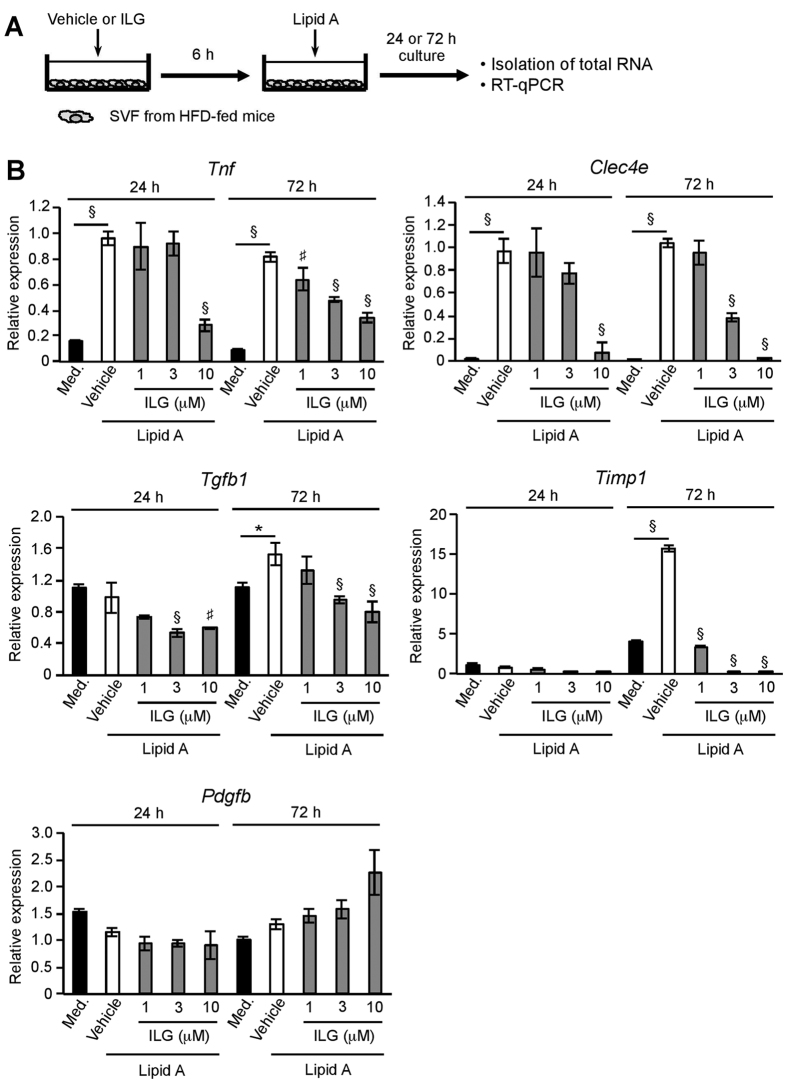
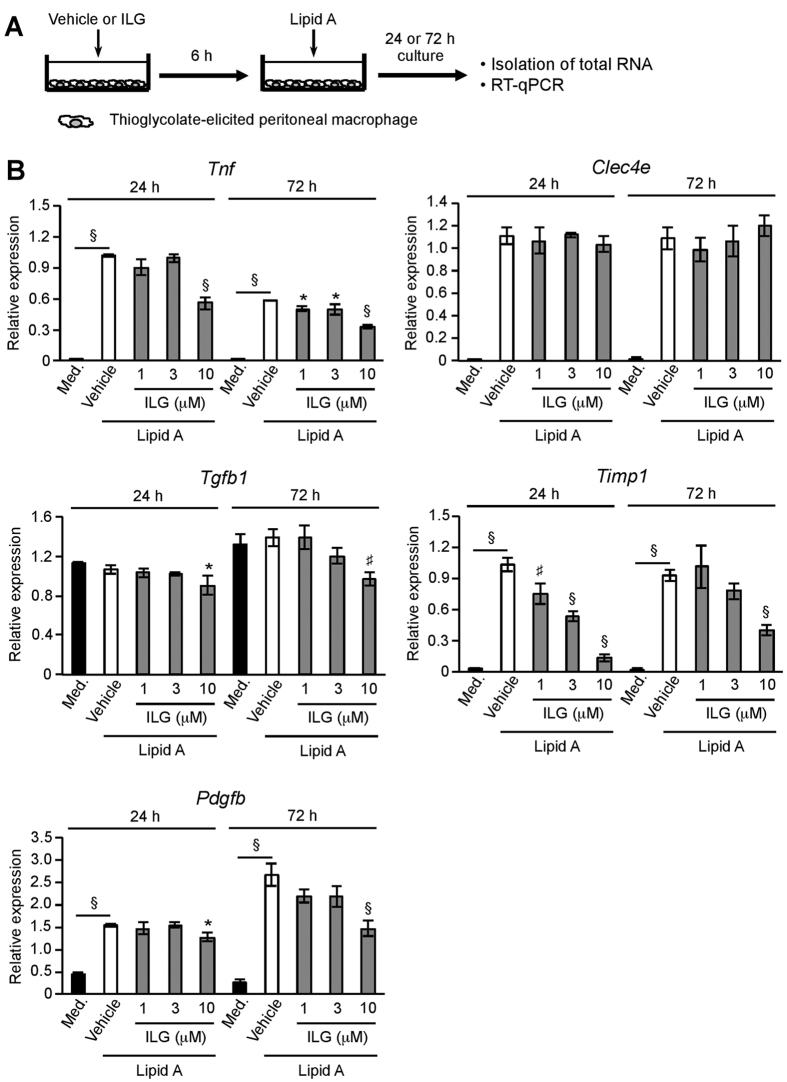
Isoliquiritigenin (ILG) is a flavonoid derived from Glycyrrhiza uralensis and potently suppresses NLRP3 inflammasome activation resulting in the improvement of diet-induced adipose tissue inflammation. However, whether ILG affects other pathways besides the inflammasome in adipose tissue inflammation is unknown. We here show that ILG suppresses adipose tissue inflammation by affecting the paracrine loop containing saturated fatty acids and TNF-α by using a co-culture composed of adipocytes and macrophages. ILG suppressed inflammatory changes induced by the co-culture through inhibition of NF-κB activation. This effect was independent of either inhibition of inflammasome activation or activation of peroxisome proliferator-activated receptor-γ. Moreover, ILG suppressed TNF-α-induced activation of adipocytes, coincident with inhibition of IκBα phosphorylation. Additionally, TNF-α-mediated inhibition of Akt phosphorylation under insulin signaling was alleviated by ILG in adipocytes. ILG suppressed palmitic acid-induced activation of macrophages, with decreasing the level of phosphorylated Jnk expression. Intriguingly, ILG improved high fat diet-induced fibrosis in adipose tissue in vivo. Finally, ILG inhibited TLR4- or Mincle-stimulated expression of fibrosis-related genes in stromal vascular fraction from obese adipose tissue and macrophages in vitro. Thus, ILG can suppress adipose tissue inflammation by both inflammasome-dependent and -independent manners and attenuate adipose tissue fibrosis by targeting innate immune sensors.
异甘草素(ILG)是一种从甘草中提取的类黄酮,能强烈抑制 NLRP3 炎性小体的激活,从而改善饮食诱导的脂肪组织炎症。然而,ILG 是否会影响脂肪组织炎症中的其他途径尚不清楚。我们在此表明,ILG 通过影响由脂肪细胞和巨噬细胞组成的共培养物中的饱和脂肪酸和 TNF-α 的旁分泌环来抑制脂肪组织炎症。ILG 通过抑制 NF-κB 激活来抑制共培养物诱导的炎症变化。这种作用不依赖于炎性小体激活或过氧化物酶体增殖物激活受体-γ 的激活。此外,ILG 抑制了 TNF-α 诱导的脂肪细胞激活,同时抑制了 IκBα 的磷酸化。此外,ILG 还减轻了脂肪细胞中 TNF-α 介导的胰岛素信号转导下 Akt 磷酸化的抑制。ILG 抑制了巨噬细胞中棕榈酸诱导的激活,降低了磷酸化 Jnk 表达的水平。有趣的是,ILG 改善了体内高脂肪饮食诱导的脂肪组织纤维化。最后,ILG 在体外抑制了 TLR4 或 Mincle 刺激肥胖脂肪组织基质血管部分和巨噬细胞中纤维化相关基因的表达。因此,ILG 可以通过炎性小体依赖和非依赖的方式抑制脂肪组织炎症,并通过靶向先天免疫传感器来减轻脂肪组织纤维化。