Faculty of Science, Hokkaido University, Sapporo 060-0810, Japan.
Plant Genomic Network Research Team, RIKEN Center for Sustainable Resource Science, Yokohama 230-0045, Japan.
Sci Rep. 2016 Mar 15;6:23181. doi: 10.1038/srep23181.
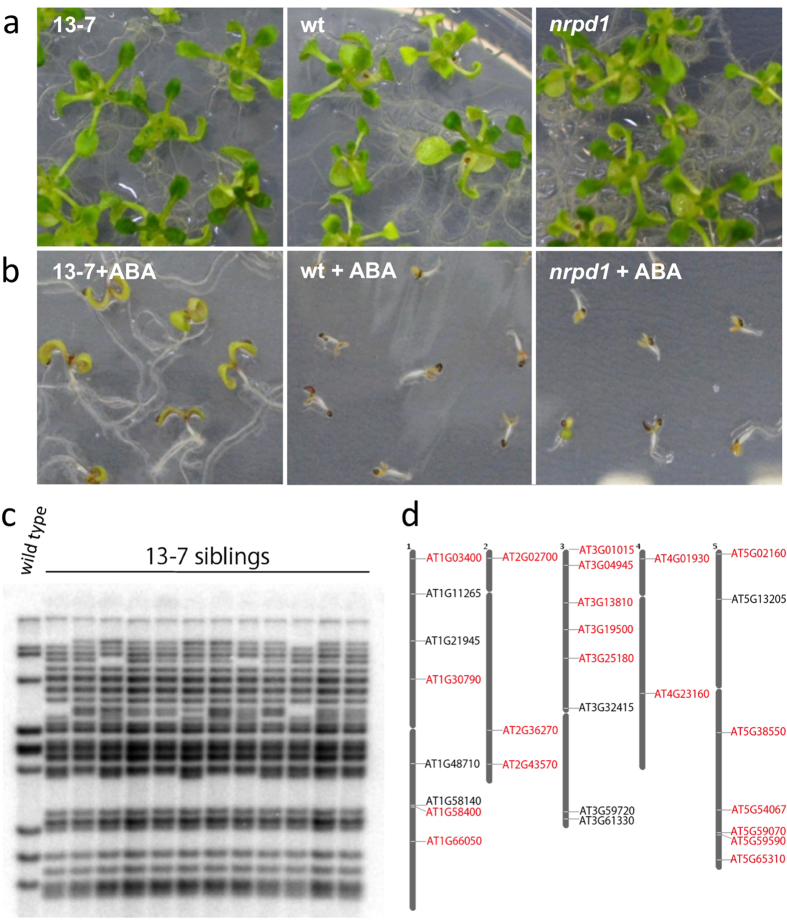
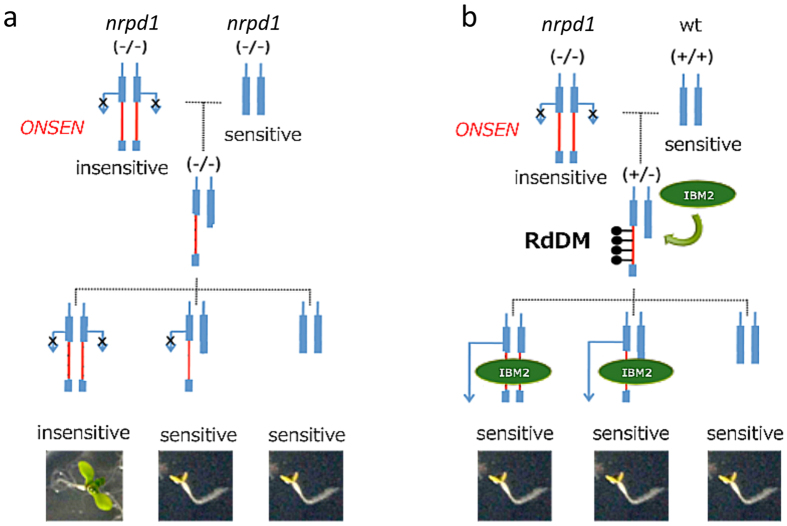
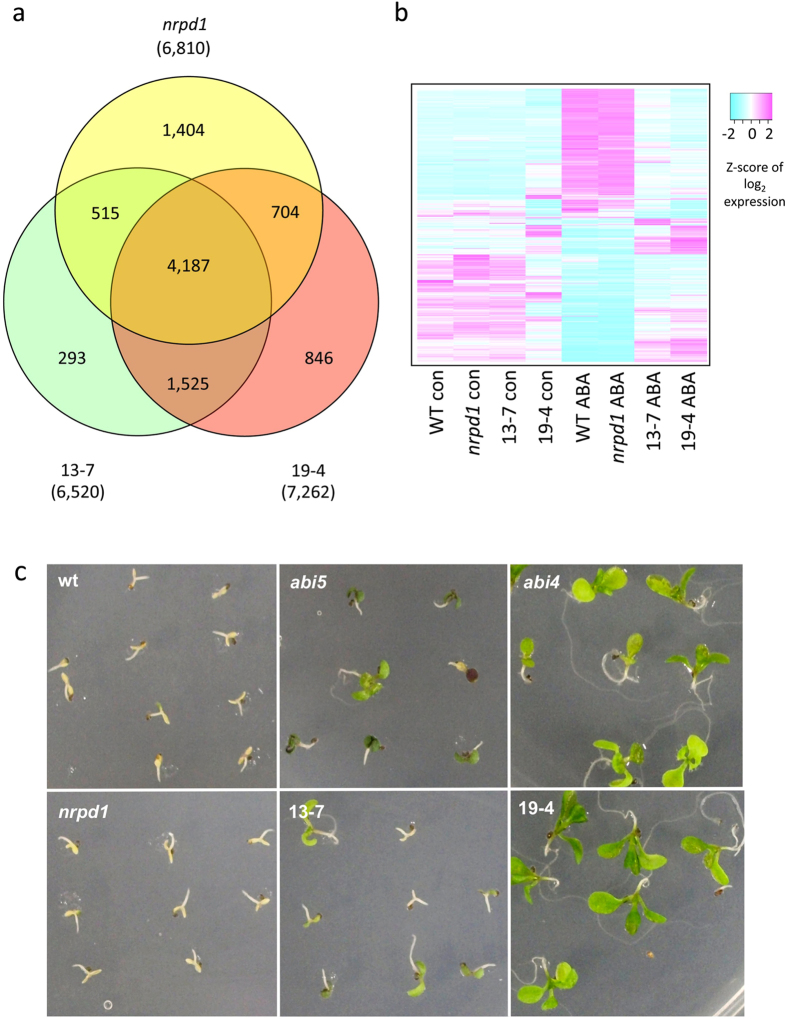
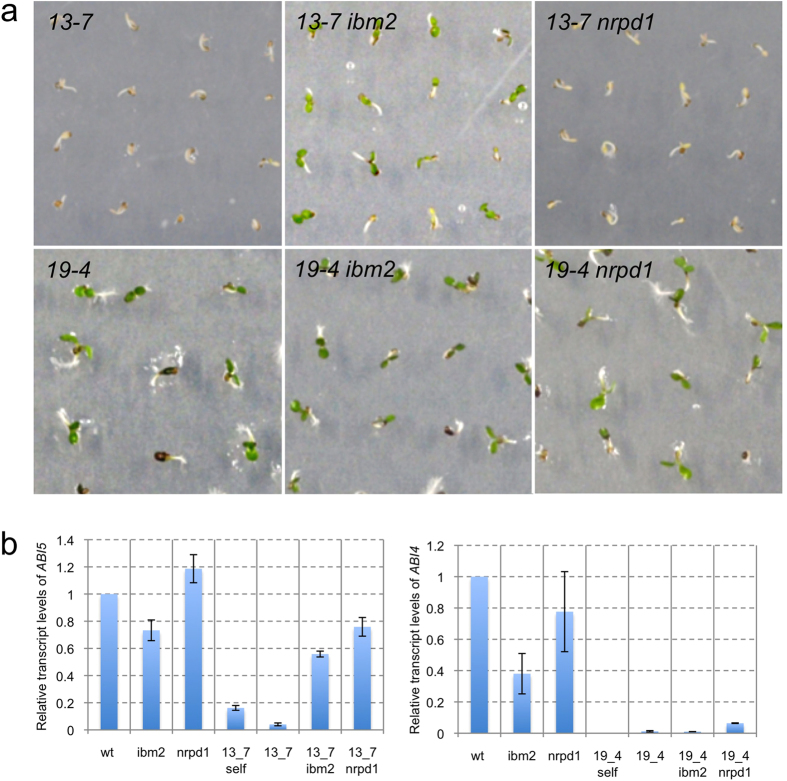
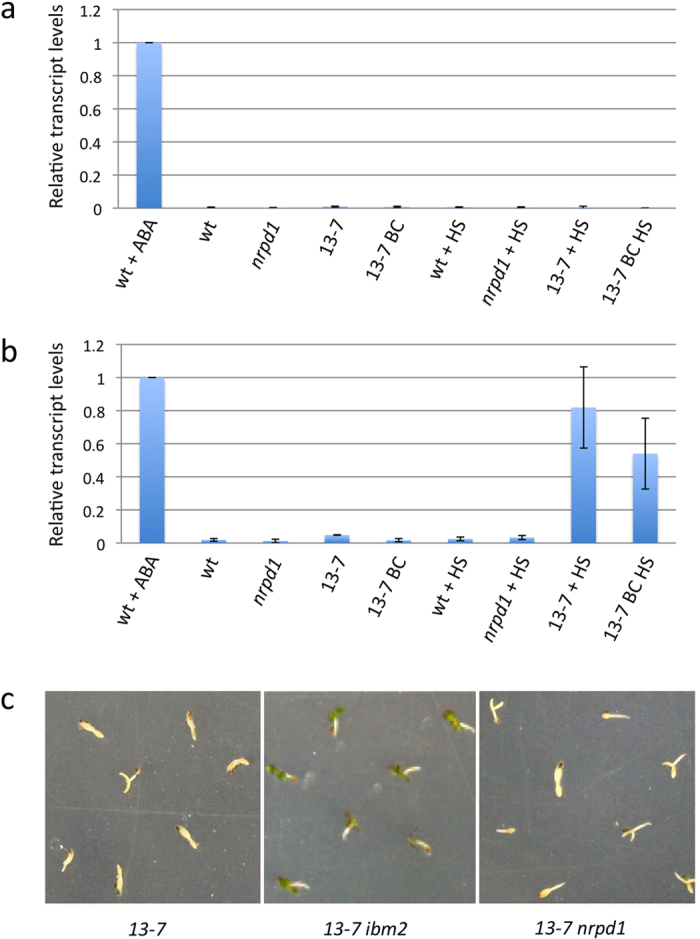
Transposable elements (TEs), or transposons, play an important role in adaptation. TE insertion can affect host gene function and provides a mechanism for rapid increases in genetic diversity, particularly because many TEs respond to environmental stress. In the current study, we show that the transposition of a heat-activated retrotransposon, ONSEN, generated a mutation in an abscisic acid (ABA) responsive gene, resulting in an ABA-insensitive phenotype in Arabidopsis, suggesting stress tolerance. Our results provide direct evidence that a transposon activated by environmental stress could alter the genome in a potentially positive manner. Furthermore, the ABA-insensitive phenotype was inherited when the transcription was disrupted by an ONSEN insertion, whereas ABA sensitivity was recovered when the effects of ONSEN were masked by IBM2. These results suggest that epigenetic mechanisms in host plants typically buffered the effect of a new insertion, but could selectively "turn on" TEs when stressed.
转座元件(TEs)或转座子在适应中起着重要作用。TE 的插入可以影响宿主基因的功能,并提供了一种快速增加遗传多样性的机制,特别是因为许多 TEs 对环境胁迫有反应。在本研究中,我们表明,热激活的逆转录转座子 ONSEN 的转座导致脱落酸(ABA)响应基因发生突变,导致拟南芥 ABA 不敏感表型,表明对胁迫的耐受性。我们的结果提供了直接的证据,表明环境胁迫激活的转座子可以以潜在的积极方式改变基因组。此外,当转录被 ONSEN 插入破坏时,ABA 不敏感表型被遗传,而当 ONSEN 的影响被 IBM2 掩盖时,ABA 敏感性得到恢复。这些结果表明,宿主植物中的表观遗传机制通常缓冲新插入的影响,但在受到胁迫时可以选择性地“开启”TEs。