Schmiedel Dominik, Tai Julie, Yamin Rachel, Berhani Orit, Bauman Yoav, Mandelboim Ofer
The Lautenberg Center for General and Tumor Immunology, The BioMedical Research Institute Israel Canada of the Faculty of Medicine, The Hebrew University Hadassah Medical School, Jerusalem, Israel.
Elife. 2016 Mar 16;5:e13426. doi: 10.7554/eLife.13426.
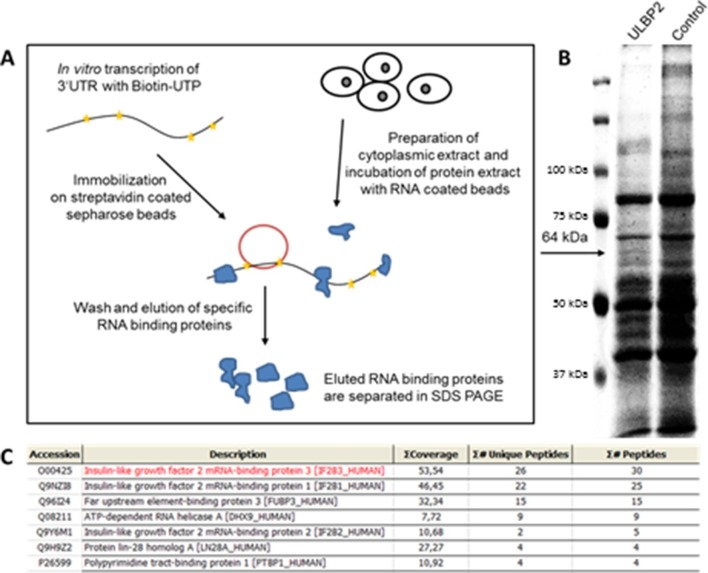
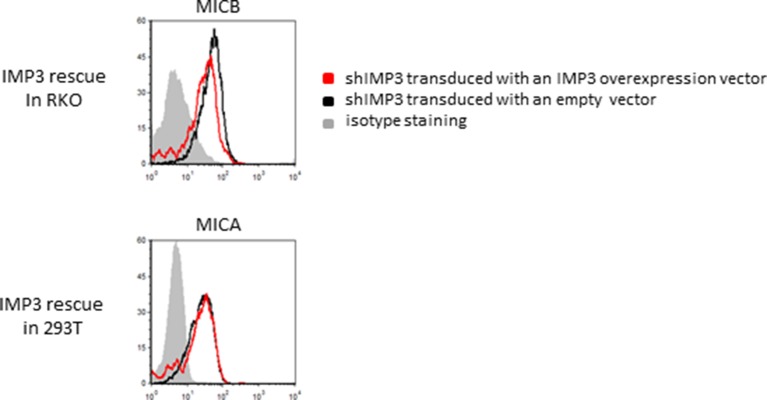
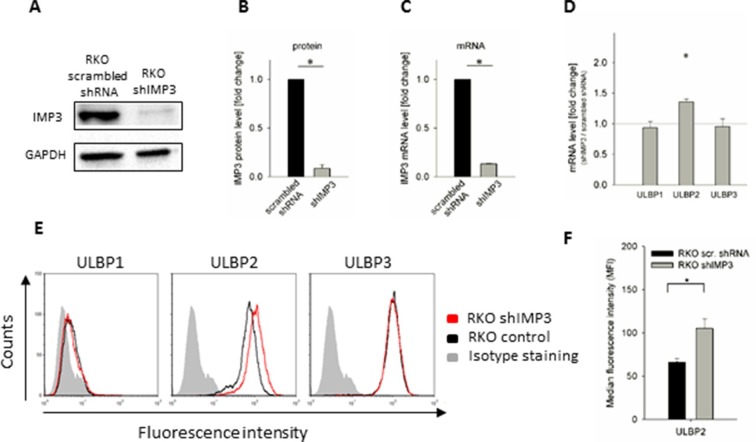
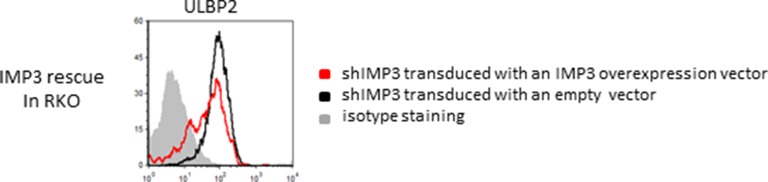
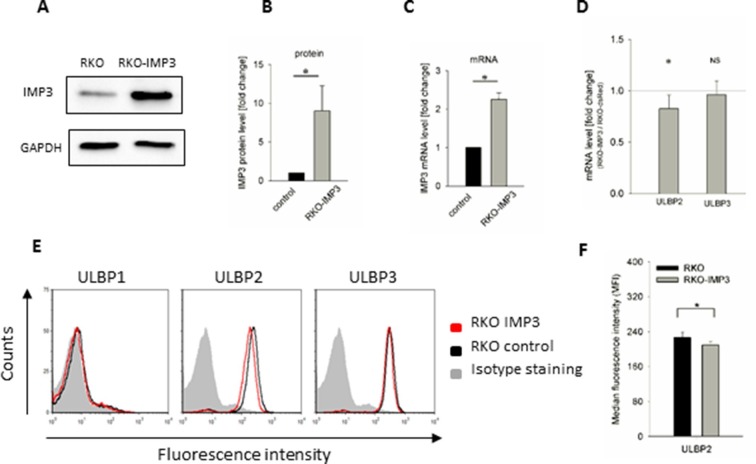
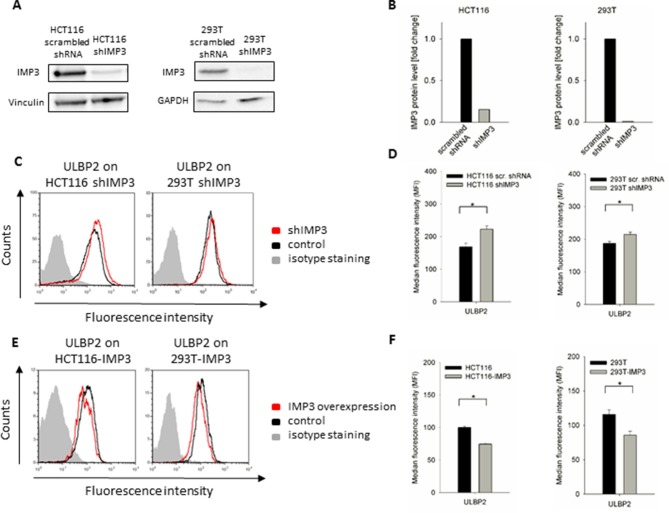
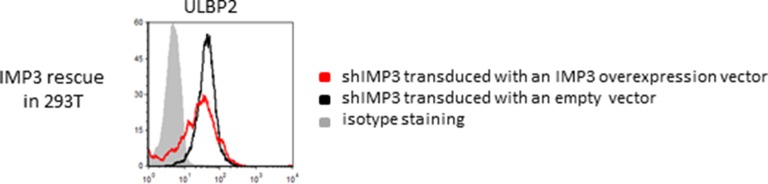
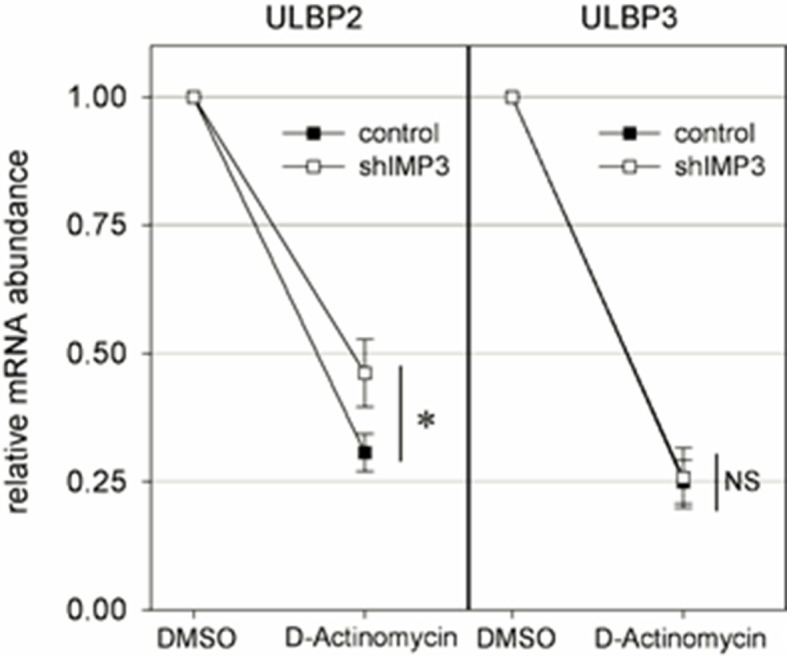
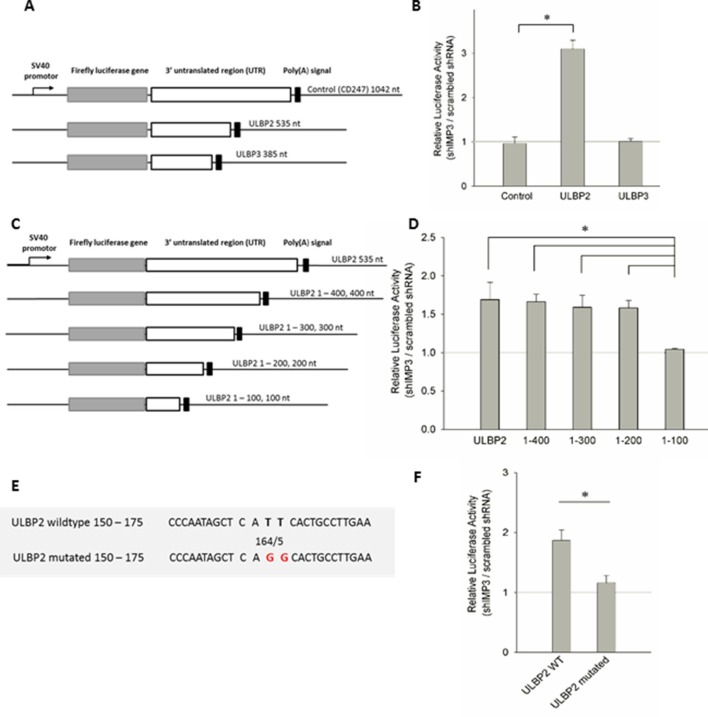
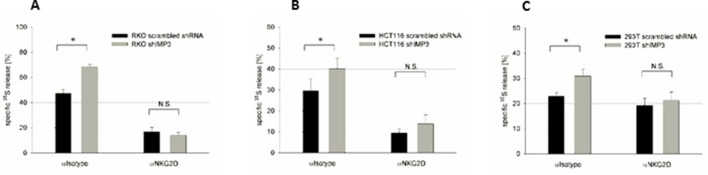
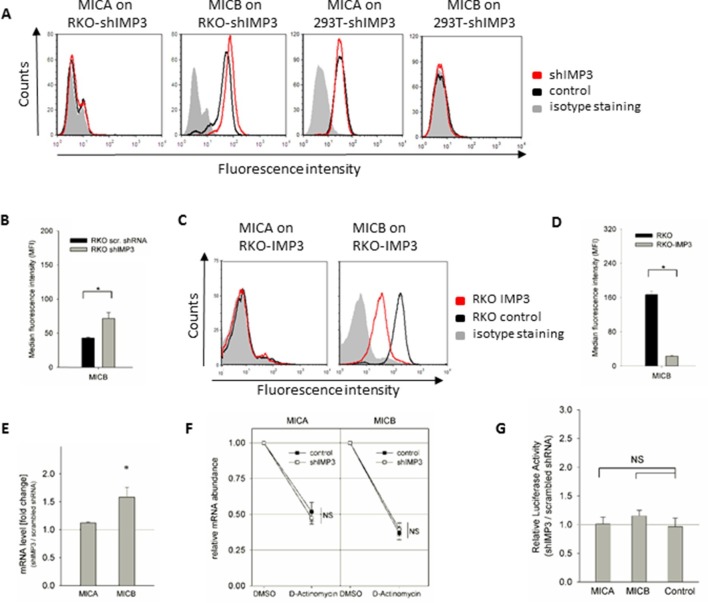
Expression of the stress-induced ligands MICA, MICB and ULBP 1-6 are up-regulated as a cellular response to DNA damage, excessive proliferation or viral infection; thereby, they enable recognition and annihilation by immune cells that express the powerful activating receptor NKG2D. This receptor is present not exclusively, but primarily on NK cells. Knowledge about the regulatory mechanisms controlling ULBP expression is still vague. In this study, we report a direct interaction of the oncogenic RNA binding protein (RBP) IMP3 with ULBP2 mRNA, leading to ULBP2 transcript destabilization and reduced ULBP2 surface expression in several human cell lines. We also discovered that IMP3 indirectly targets MICB with a mechanism functionally distinct from that of ULBP2. Importantly, IMP3-mediated regulation of stress-ligands leads to impaired NK cell recognition of transformed cells. Our findings shed new light on the regulation of NKG2D ligands and on the mechanism of action of a powerful oncogenic RBP, IMP3.
应激诱导配体MICA、MICB和ULBP 1 - 6的表达上调,作为细胞对DNA损伤、过度增殖或病毒感染的反应;因此,它们能够被表达强大激活受体NKG2D的免疫细胞识别并清除。该受体并非仅存在于NK细胞上,而是主要存在于NK细胞上。关于控制ULBP表达的调控机制仍不明确。在本研究中,我们报道了致癌性RNA结合蛋白(RBP)IMP3与ULBP2 mRNA的直接相互作用,导致ULBP2转录本不稳定,并降低了几种人类细胞系中ULBP2的表面表达。我们还发现IMP3通过一种功能上不同于ULBP2的机制间接靶向MICB。重要的是,IMP3介导的应激配体调控导致NK细胞对转化细胞的识别受损。我们的发现为NKG2D配体的调控以及强大的致癌性RBP IMP3的作用机制提供了新的线索。