Liu Tang, Liu Shufeng, Zheng Maosheng, Chen Qian, Ni Jinren
Department of Environmental Engineering, Peking University, Beijing, 100871, China.
Key Laboratory of Water and Sediment Sciences, Ministry of Education, Beijing, 100871, China.
PLoS One. 2016 Apr 6;11(4):e0152998. doi: 10.1371/journal.pone.0152998. eCollection 2016.
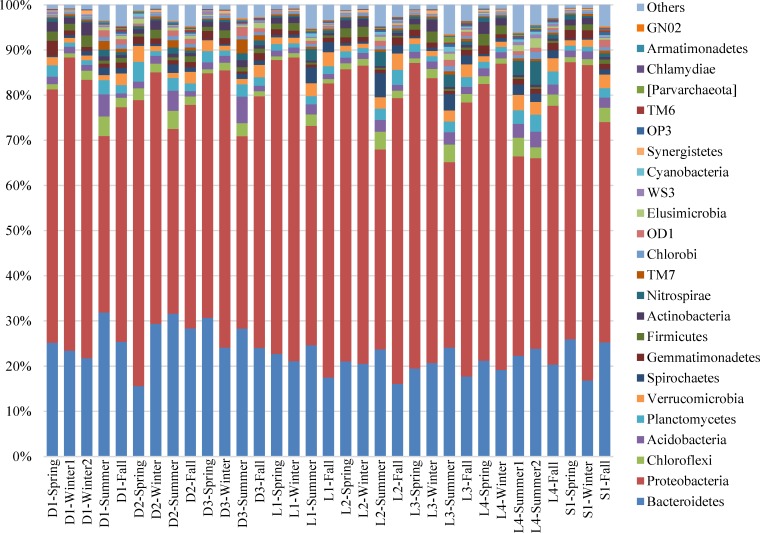
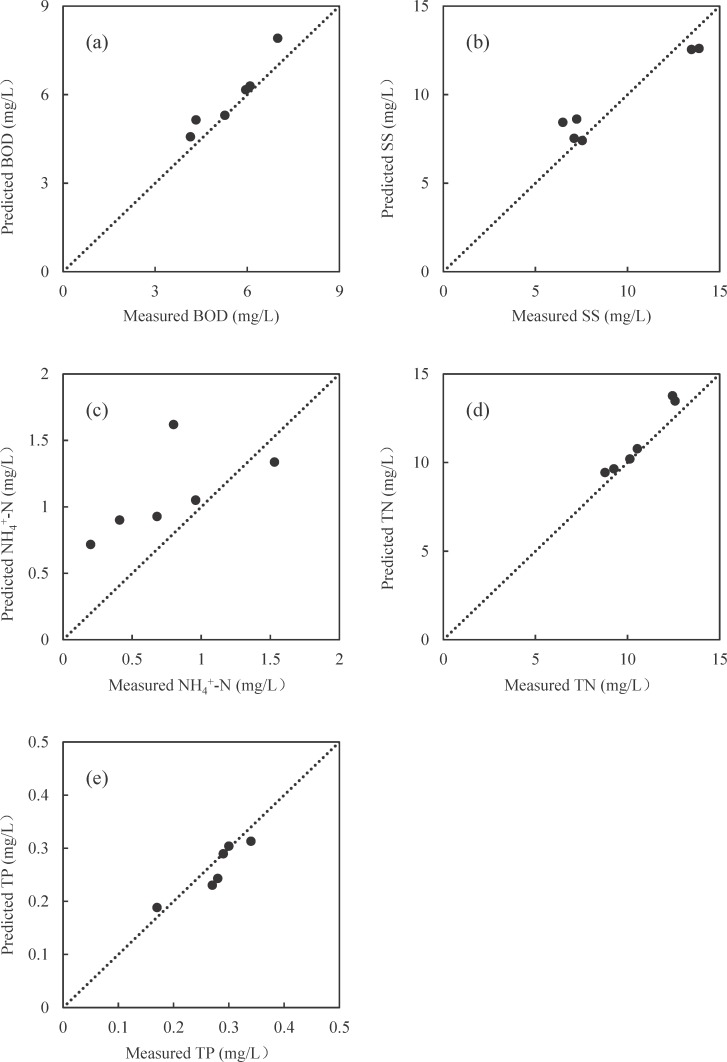
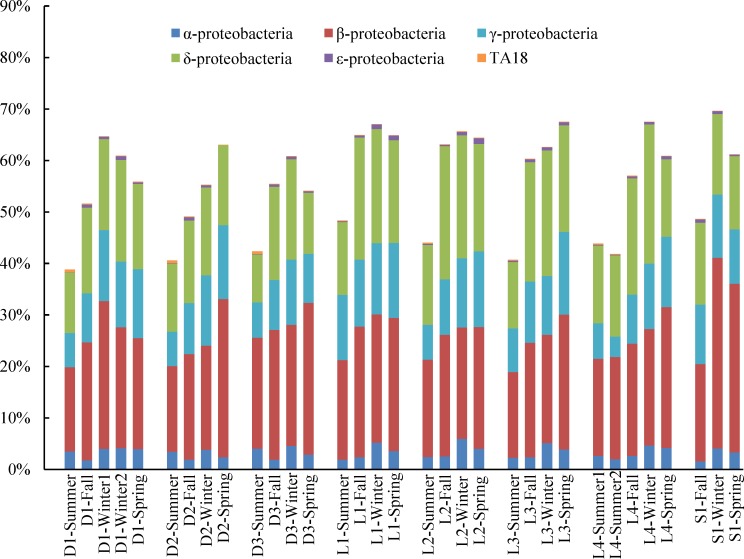
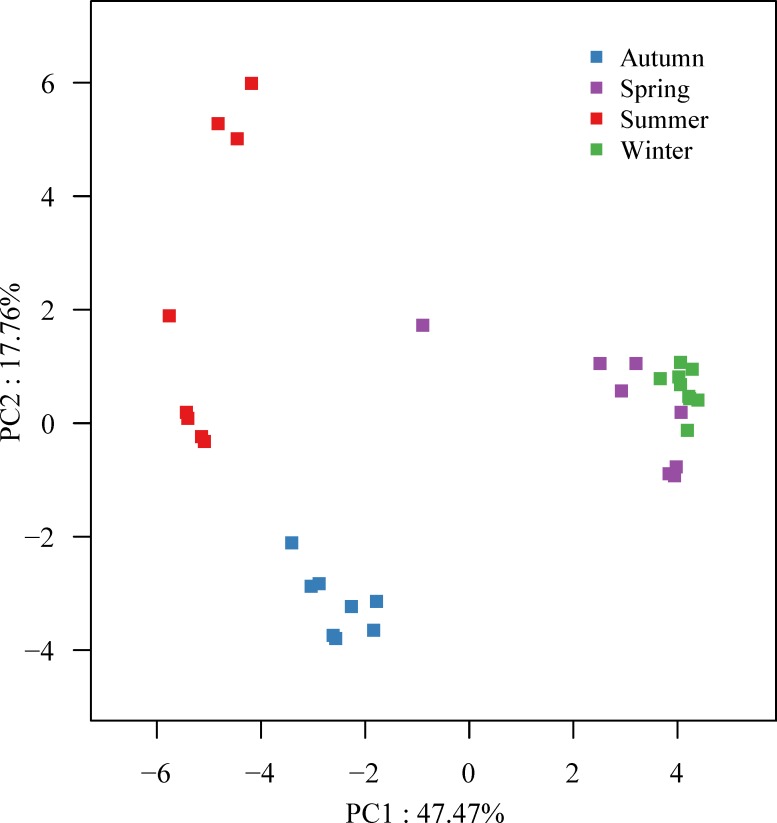
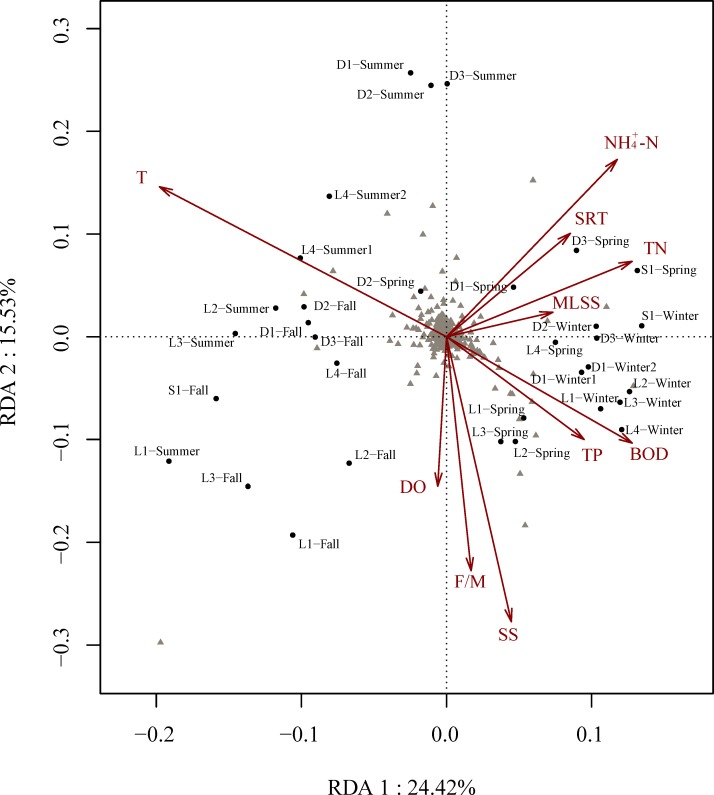
Microbial communities of activated sludge (AS) play a key role in the performance of wastewater treatment processes. However, seasonal variability of microbial population in varying AS-based processes has been poorly correlated with operation of full-scale wastewater treatment systems (WWTSs). In this paper, significant seasonal variability of AS microbial communities in eight WWTSs located in the city of Guangzhou were revealed in terms of 16S rRNA-based Miseq sequencing. Furthermore, variation redundancy analysis (RDA) demonstrated that the microbial community compositions closely correlated with WWTS operation parameters such as temperature, BOD, NH4+-N and TN. Consequently, support vector regression models which reasonably predicted effluent BOD, SS and TN in WWTSs were established based on microbial community compositions. This work provided an alternative tool for rapid assessment on performance of full-scale wastewater treatment plants.
活性污泥(AS)中的微生物群落对废水处理过程的性能起着关键作用。然而,不同基于活性污泥的工艺中微生物种群的季节性变化与全规模废水处理系统(WWTSs)的运行之间的相关性较差。本文通过基于16S rRNA的Miseq测序揭示了广州市八个WWTSs中活性污泥微生物群落的显著季节性变化。此外,变异冗余分析(RDA)表明,微生物群落组成与WWTS运行参数如温度、生化需氧量(BOD)、铵态氮(NH4+-N)和总氮(TN)密切相关。因此,基于微生物群落组成建立了合理预测WWTSs出水BOD、悬浮物(SS)和TN的支持向量回归模型。这项工作为快速评估全规模污水处理厂的性能提供了一种替代工具。