Cucchiarini M, McNulty A L, Mauck R L, Setton L A, Guilak F, Madry H
Center of Experimental Orthopaedics, Saarland University Medical Center, Homburg, Saar, Germany.
Department of Orthopaedic Surgery, Duke University Medical Center, Durham, NC, USA.
Osteoarthritis Cartilage. 2016 Aug;24(8):1330-9. doi: 10.1016/j.joca.2016.03.018. Epub 2016 Apr 5.
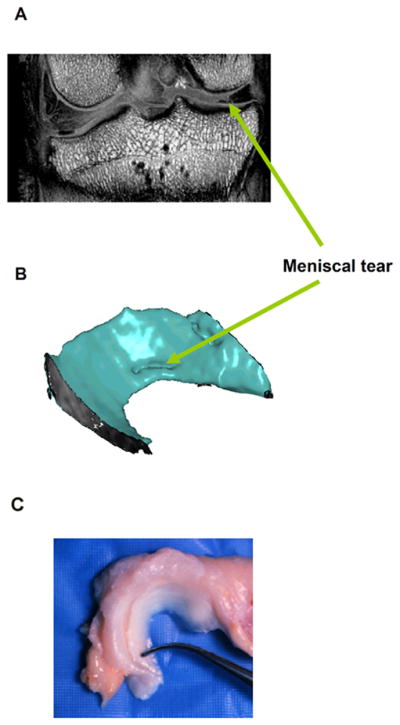
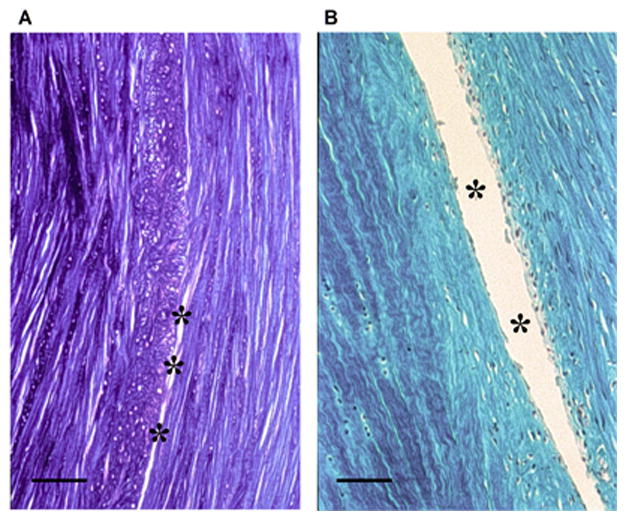
Meniscal lesions are common problems in orthopaedic surgery and sports medicine, and injury or loss of the meniscus accelerates the onset of knee osteoarthritis (OA). Despite a variety of therapeutic options in the clinics, there is a critical need for improved treatments to enhance meniscal repair. In this regard, combining gene-, cell-, and tissue engineering-based approaches is an attractive strategy to generate novel, effective therapies to treat meniscal lesions. In the present work, we provide an overview of the tools currently available to improve meniscal repair and discuss the progress and remaining challenges for potential future translation in patients.
半月板损伤是骨科手术和运动医学中的常见问题,半月板的损伤或缺失会加速膝关节骨关节炎(OA)的发病。尽管临床上有多种治疗选择,但迫切需要改进治疗方法以促进半月板修复。在这方面,结合基于基因、细胞和组织工程的方法是一种有吸引力的策略,可用于开发治疗半月板损伤的新型有效疗法。在本研究中,我们概述了目前可用于改善半月板修复的工具,并讨论了未来在患者中潜在转化应用的进展和仍存在的挑战。