Ren Yonggang, Qiu Lu, Lü Fenglin, Ru Xufang, Li Shaojun, Xiang Yuancai, Yu Siwang, Zhang Yiguo
The Laboratory of Cell Biochemistry and Topogenetic Regulation, College of Bioengineering and Faculty of Sciences, Chongqing University, No. 174 Shazheng Street, Shapingba District, Chongqing 400044, China.
State Key Laboratory of Natural and Biomimetic Drugs, and Department of Chemical Biology, School of Pharmaceutical Sciences, Peking University Health Science Center, No 38 Xueyuan Rd., Haidian District, Beijing 100191, China.
Sci Rep. 2016 Apr 11;6:23775. doi: 10.1038/srep23775.
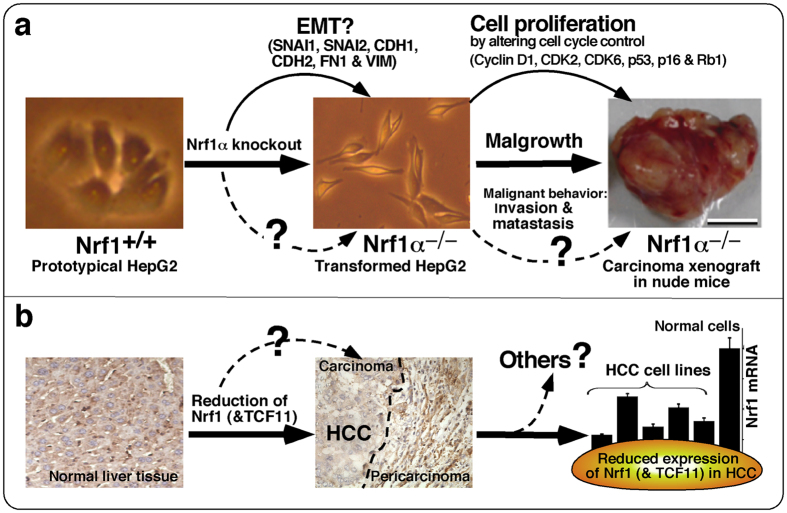
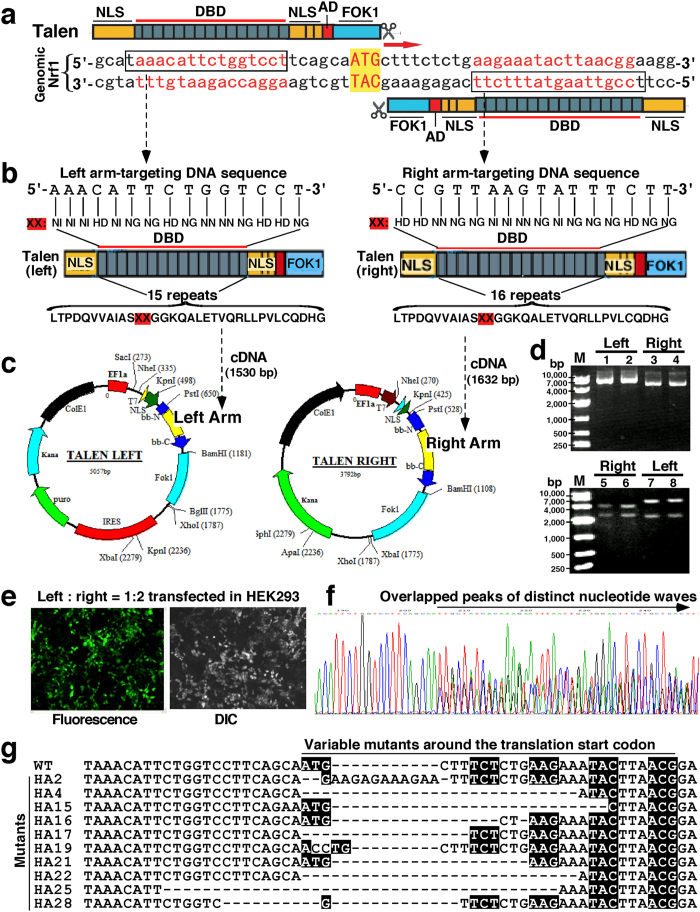
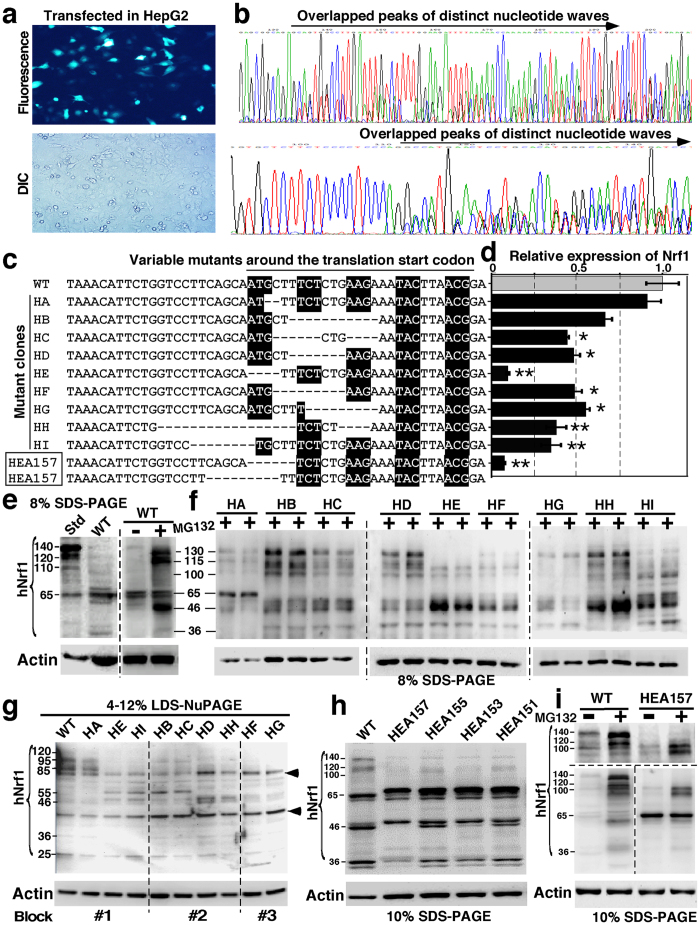
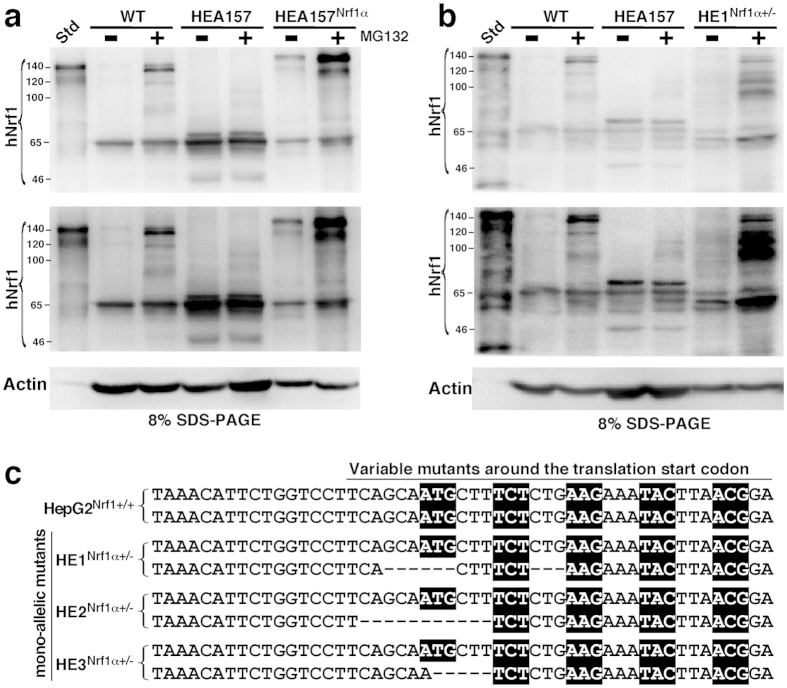
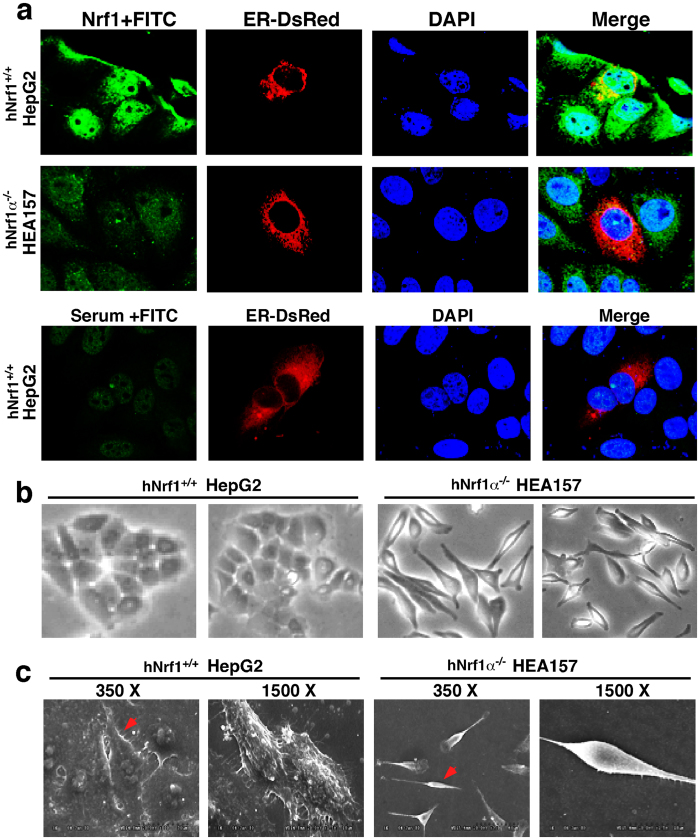
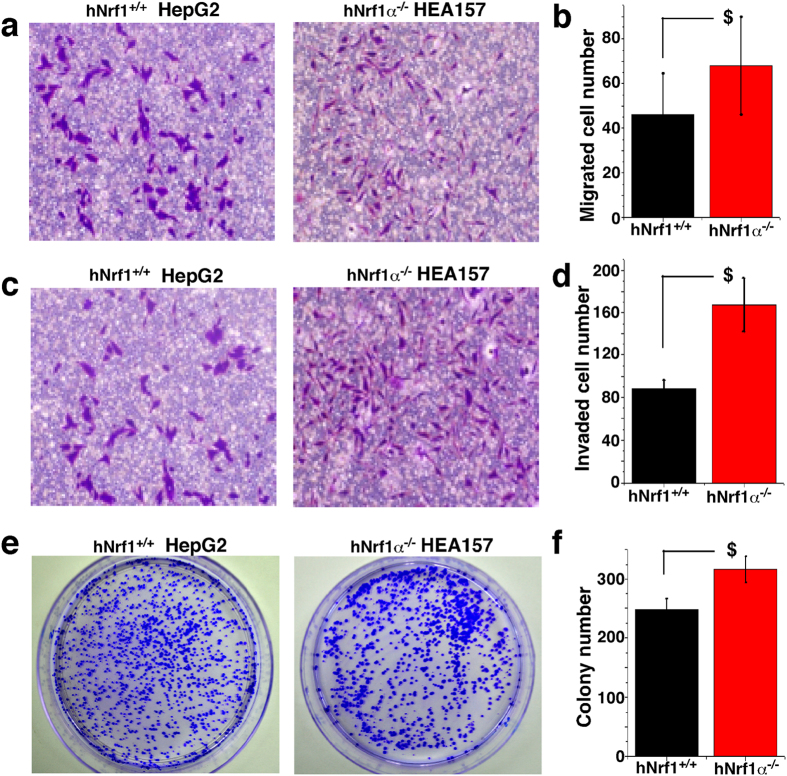
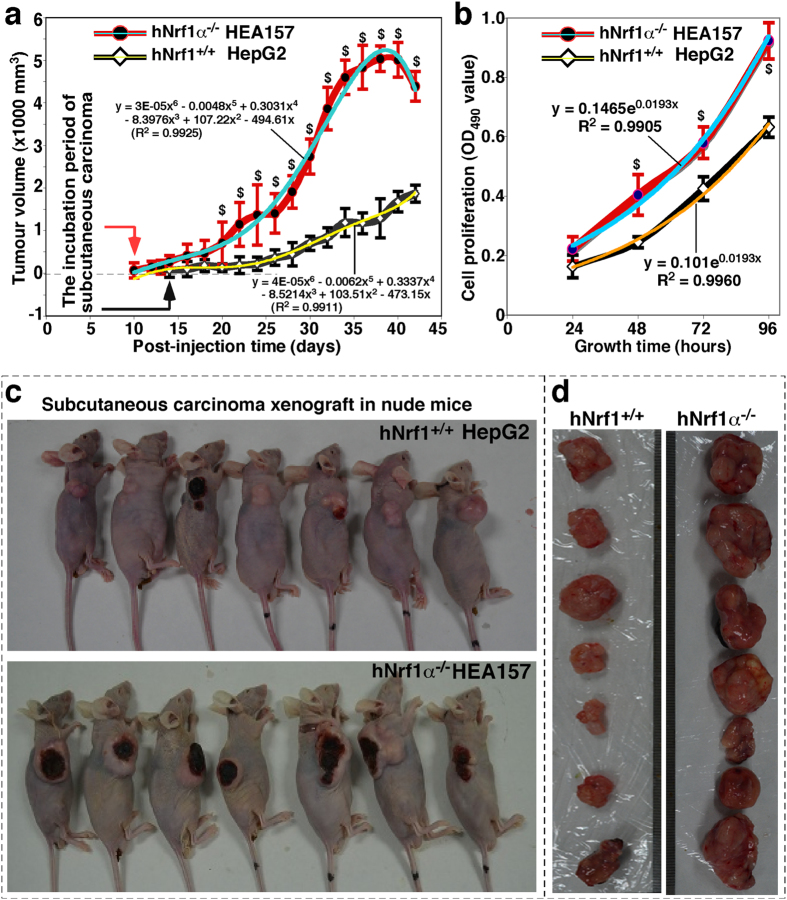
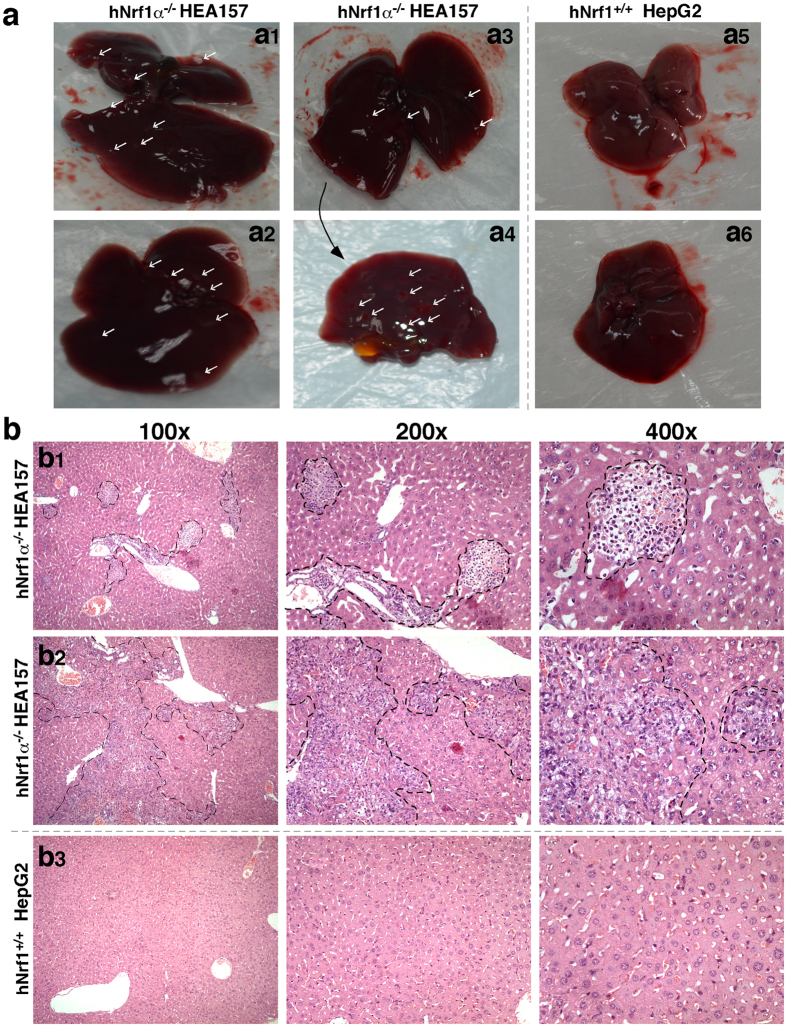
The full-length Nrf1α is processed into distinct isoforms, which together regulate genes essential for maintaining cellular homeostasis and organ integrity, and liver-specific loss of Nrf1 in mice results in spontaneous hepatoma. Herein, we report that the human constitutive Nrf1α, rather than smaller Nrf1β/γ, expression is attenuated or abolished in the case of low-differentiated high-metastatic hepatocellular carcinomas. Therefore, Nrf1α is of importance in the physio-pathological origin and development, but its specific pathobiological function(s) remains elusive. To address this, TALENs-directed knockout of Nrf1α, but not Nrf1β/γ, is created in the human hepatocellular carcinoma (HepG2) cells. The resulting Nrf1α(-/-) cells are elongated, with slender spindle-shapes and enlarged gaps between cells observed under scanning electron microscope. When compared with wild-type controls, the invasive and migratory abilities of Nrf1α(-/-) cells are increased significantly, along with the cell-cycle G2-M arrest and S-phase reduction, as accompanied by suppressed apoptosis. Despite a modest increase in the soft-agar colony formation of Nrf1α(-/-) cells, its loss-of-function markedly promotes malgrowth of the subcutaneous carcinoma xenograft in nude mice with hepatic metastasis. Together with molecular expression results, we thus suppose requirement of Nrf1α (and major derivates) for gene regulatory mechanisms repressing cancer cell process (e.g. EMT) and malignant behaviour (e.g. migration).
全长Nrf1α可加工成不同的异构体,这些异构体共同调节维持细胞稳态和器官完整性所必需的基因,小鼠肝脏特异性缺失Nrf1会导致自发性肝癌。在此,我们报告在低分化高转移性肝细胞癌中,人类组成型Nrf1α而非较小的Nrf1β/γ的表达减弱或缺失。因此,Nrf1α在生理病理起源和发展中具有重要意义,但其具体的病理生物学功能仍不清楚。为了解决这个问题,我们在人肝癌(HepG2)细胞中利用TALENs定向敲除Nrf1α,而不是Nrf1β/γ。产生的Nrf1α(-/-)细胞呈细长形,具有细长的纺锤形,在扫描电子显微镜下观察到细胞间间隙增大。与野生型对照相比,Nrf1α(-/-)细胞的侵袭和迁移能力显著增强,同时细胞周期G2-M期阻滞和S期减少,并伴有凋亡抑制。尽管Nrf1α(-/-)细胞在软琼脂中的集落形成略有增加,但其功能丧失显著促进了裸鼠皮下肝癌异种移植瘤的生长并伴有肝转移。结合分子表达结果,我们因此推测Nrf1α(及其主要衍生物)对于抑制癌细胞进程(如上皮-间质转化)和恶性行为(如迁移)的基因调控机制是必需的。