Cassidy Alicia A, Saulnier Roxanne J, Lamarre Simon G
Département de biologie, Université de Moncton, Moncton, NB, Canada.
PLoS One. 2016 Apr 20;11(4):e0153364. doi: 10.1371/journal.pone.0153364. eCollection 2016.
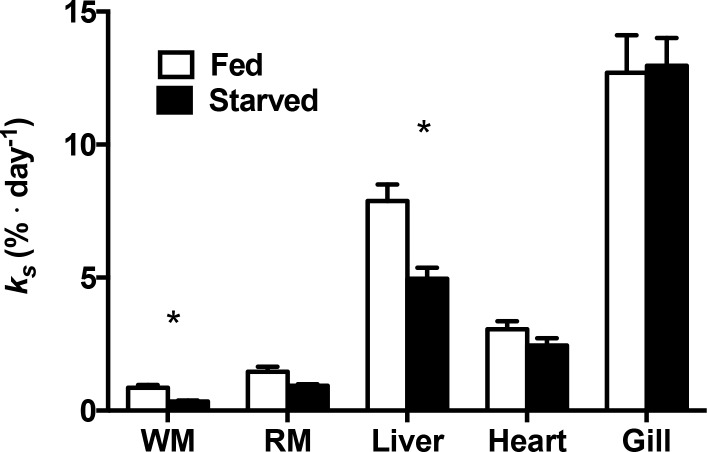
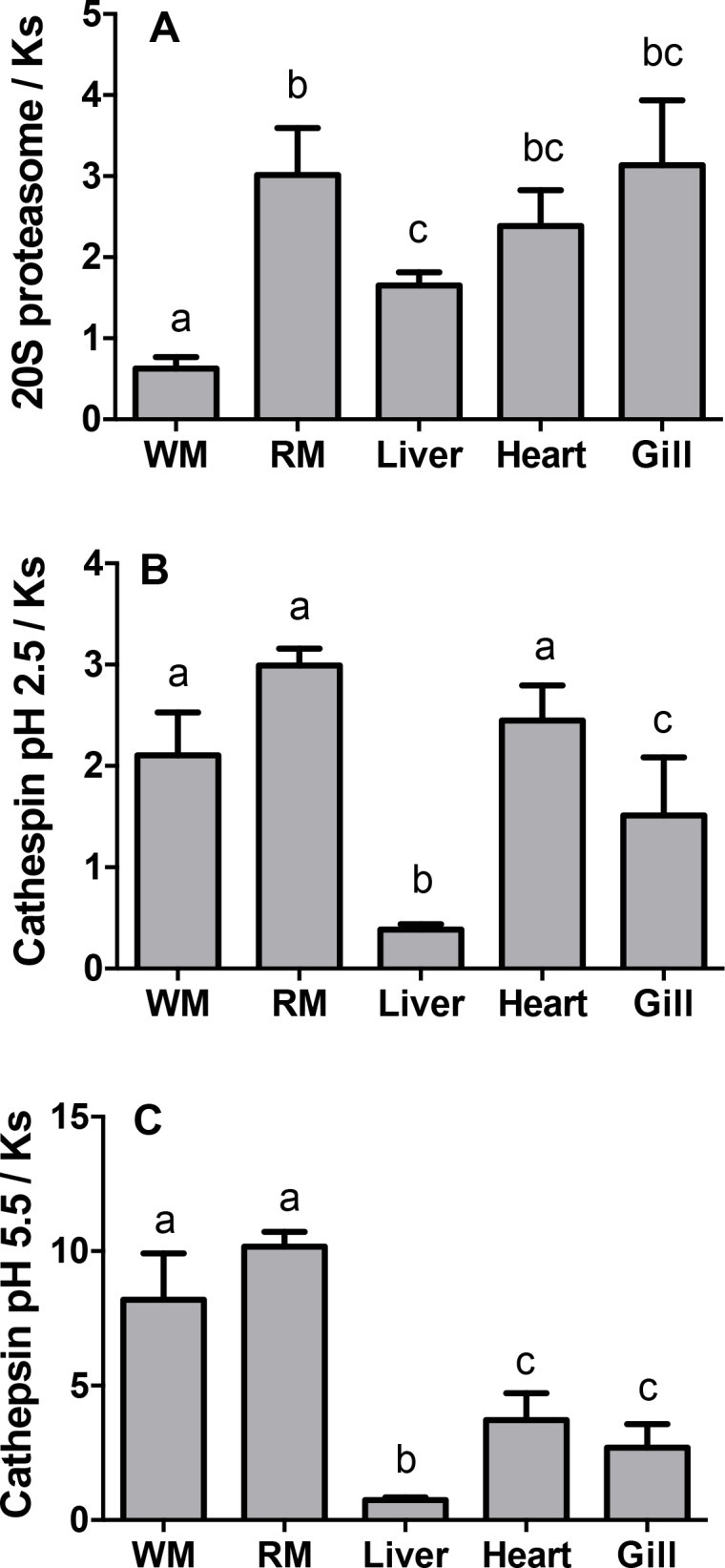
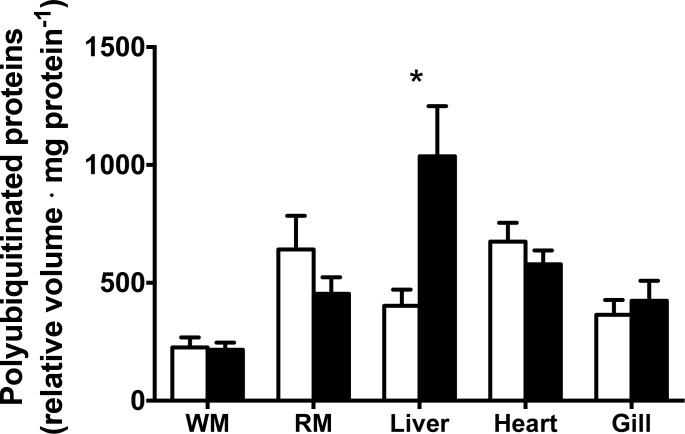
Protein metabolism, including the interrelated processes of synthesis and degradation, mediates the growth of an animal. In ectothermic animals, protein metabolism is responsive to changes in both biotic and abiotic conditions. This study aimed to characterise responses of protein metabolism to food deprivation that occur in the coldwater salmonid, Arctic charr, Salvelinus alpinus. We compared two groups of Arctic charr: one fed continuously and the other deprived of food for 36 days. We measured the fractional rate of protein synthesis (KS) in individuals from the fed and fasted groups using a flooding dose technique modified for the use of deuterium-labelled phenylalanine. The enzyme activities of the three major protein degradation pathways (ubiquitin proteasome, lysosomal cathepsins and the calpain systems) were measured in the same fish. This study is the first to measure both KS and the enzymatic activity of protein degradation in the same fish, allowing us to examine the apparent contribution of different protein degradation pathways to protein turnover in various tissues (red and white muscle, liver, heart and gills). KS was lower in the white muscle and in liver of the fasted fish compared to the fed fish. There were no observable effects of food deprivation on the protease activities in any of the tissues with the exception of liver, where the ubiquitin proteasome pathway seemed to be activated during fasting conditions. Lysosomal proteolysis appears to be the primary degradation pathway for muscle protein, while the ubiquitin proteasome pathway seems to predominate in the liver. We speculate that Arctic charr regulate protein metabolism during food deprivation to conserve proteins.
蛋白质代谢,包括合成与降解这两个相互关联的过程,介导了动物的生长。在变温动物中,蛋白质代谢对生物和非生物条件的变化都有反应。本研究旨在描述冷水鲑科鱼类北极红点鲑(Salvelinus alpinus)中蛋白质代谢对食物剥夺的反应。我们比较了两组北极红点鲑:一组持续喂食,另一组禁食36天。我们使用针对氘标记苯丙氨酸的使用进行改良的脉冲剂量技术,测量了喂食组和禁食组个体的蛋白质合成分数率(KS)。在同一条鱼中测量了三种主要蛋白质降解途径(泛素蛋白酶体、溶酶体组织蛋白酶和钙蛋白酶系统)的酶活性。本研究首次在同一条鱼中测量了KS和蛋白质降解的酶活性,使我们能够研究不同蛋白质降解途径对各种组织(红色和白色肌肉、肝脏、心脏和鳃)中蛋白质周转的明显贡献。与喂食的鱼相比,禁食鱼的白色肌肉和肝脏中的KS较低。除肝脏外,食物剥夺对任何组织中的蛋白酶活性均无明显影响,在禁食条件下,肝脏中的泛素蛋白酶体途径似乎被激活。溶酶体蛋白水解似乎是肌肉蛋白的主要降解途径,而泛素蛋白酶体途径似乎在肝脏中占主导地位。我们推测,北极红点鲑在食物剥夺期间调节蛋白质代谢以保存蛋白质。