L'Episcopo F, Drouin-Ouellet J, Tirolo C, Pulvirenti A, Giugno R, Testa N, Caniglia S, Serapide M F, Cisbani G, Barker R A, Cicchetti F, Marchetti B
Neuropharmacology Section, OASI Institute for Research and Care on Mental Retardation and Brain Aging, Troina (EN), Italy.
Department of Biomedical and Biotechnological Sciences (BIOMETEC), Pharmacology and Physiology Sections, University of Catania, Via S. Sofia 64, Catania 95125, Italy.
Cell Death Dis. 2016 Apr 28;7(4):e2206. doi: 10.1038/cddis.2016.104.
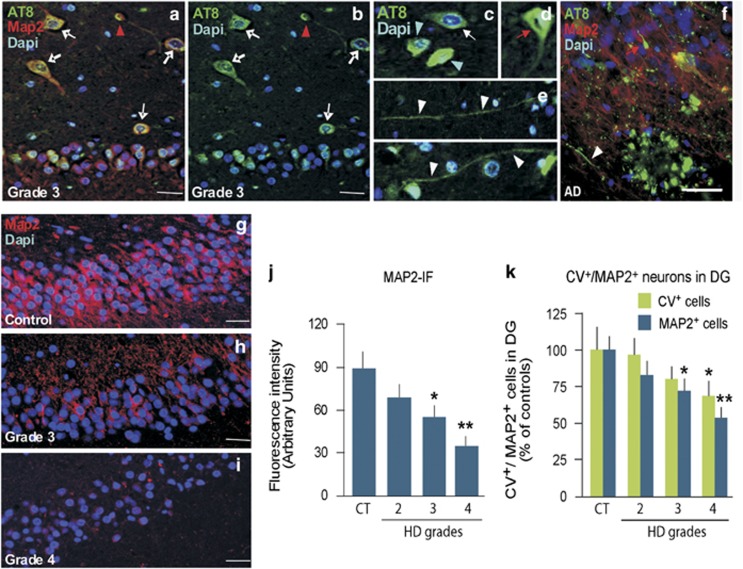
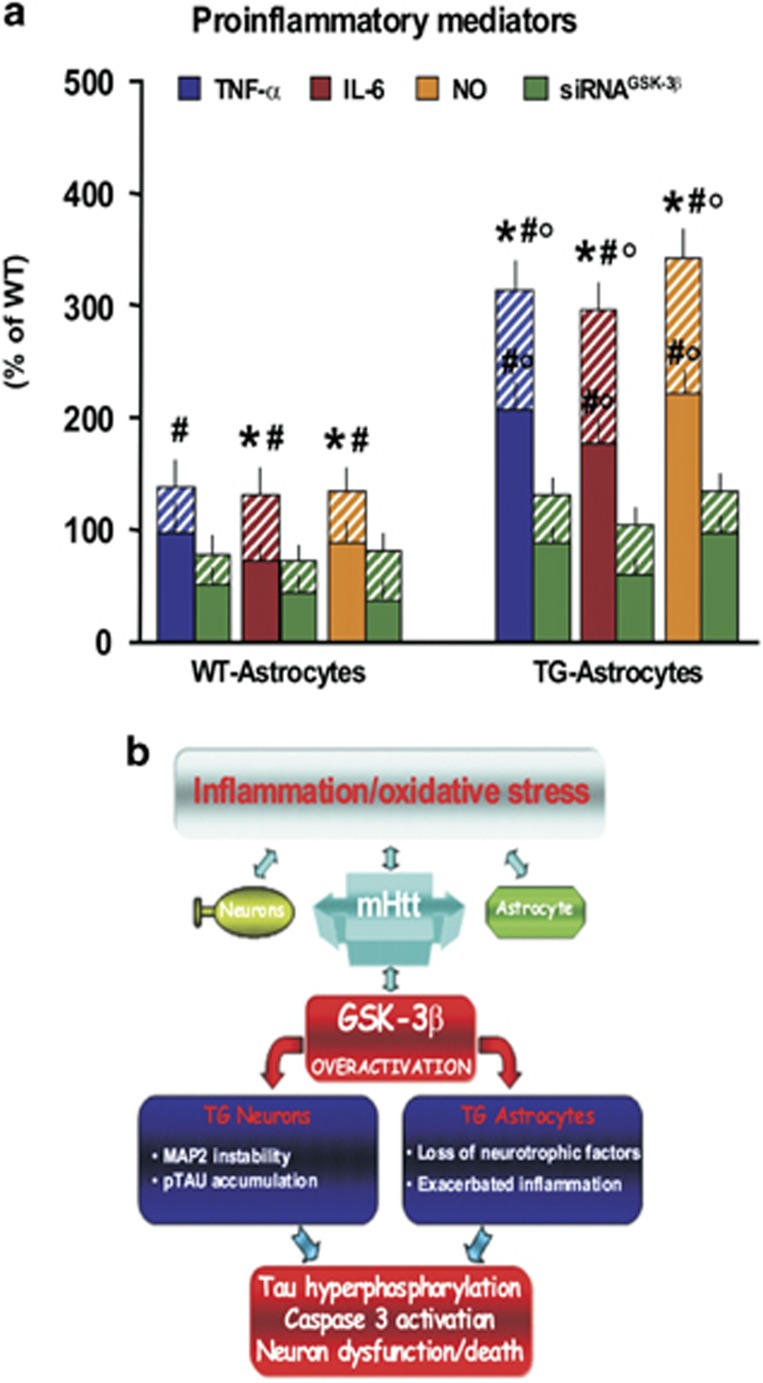
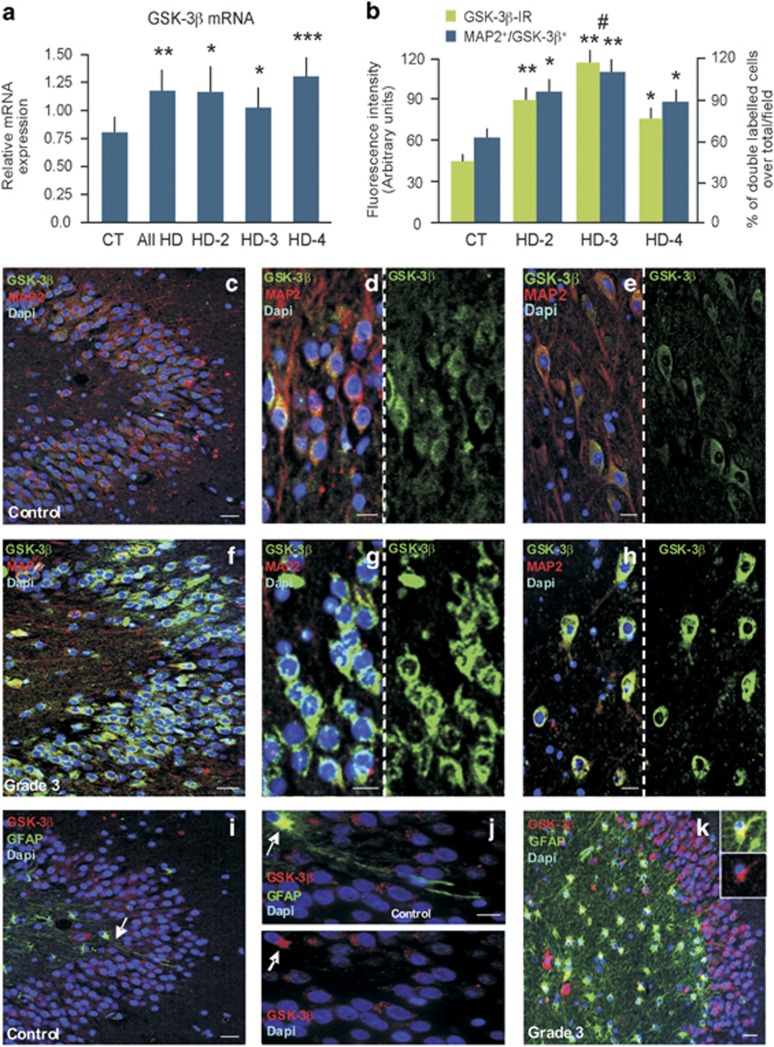
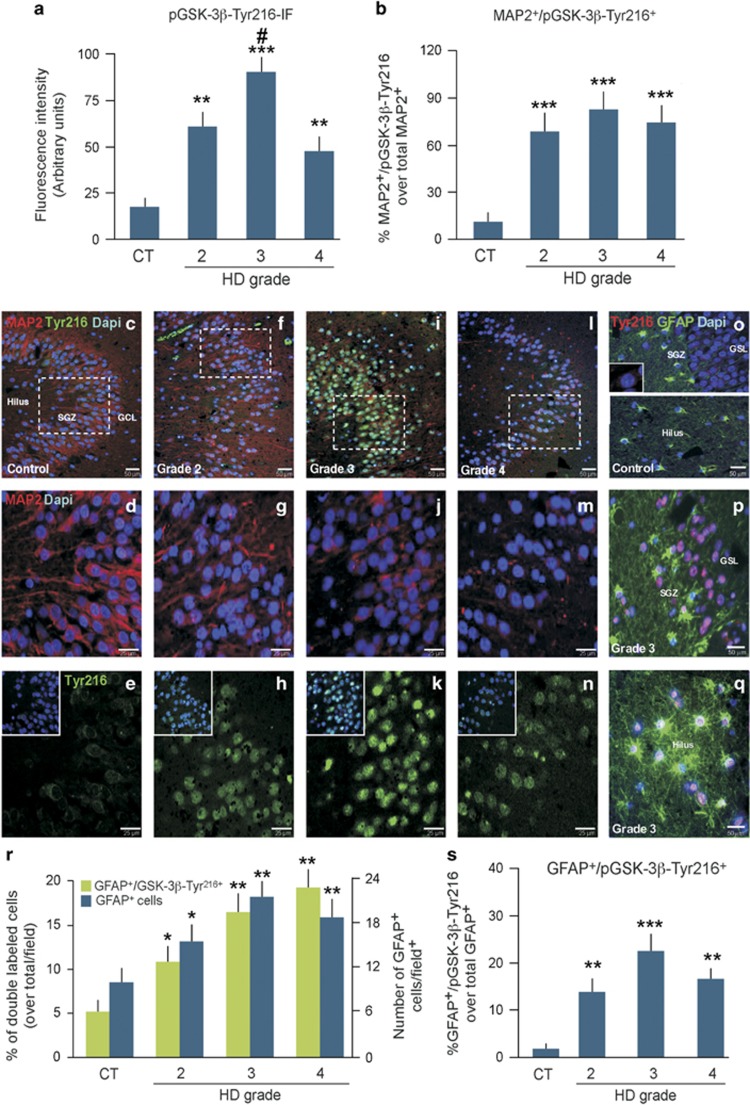
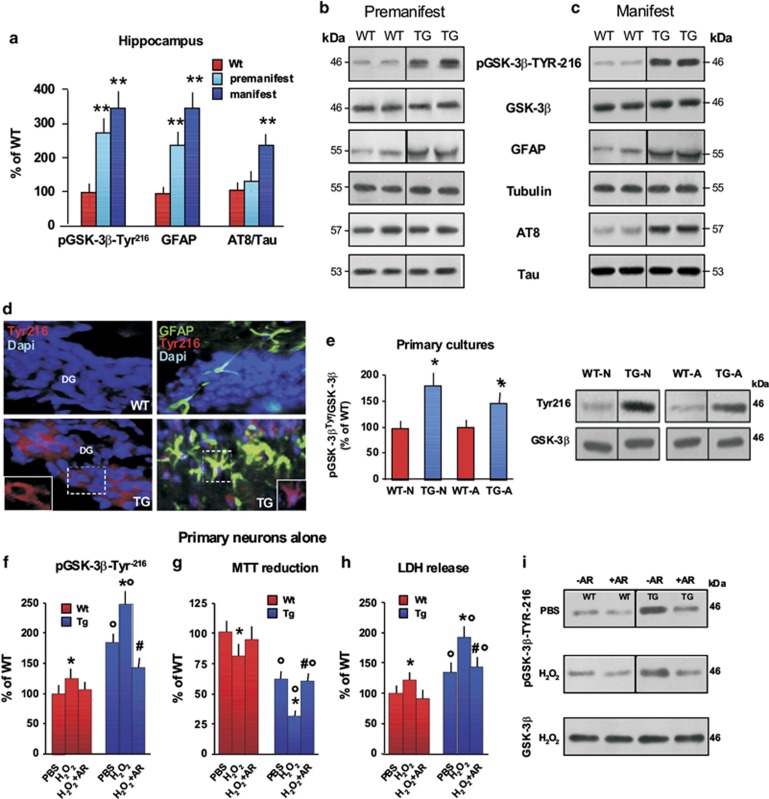
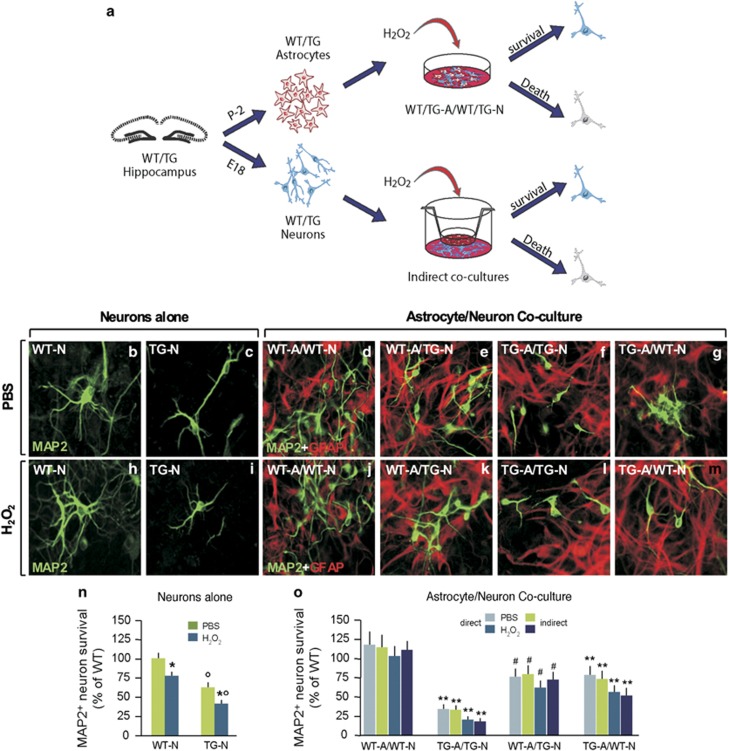
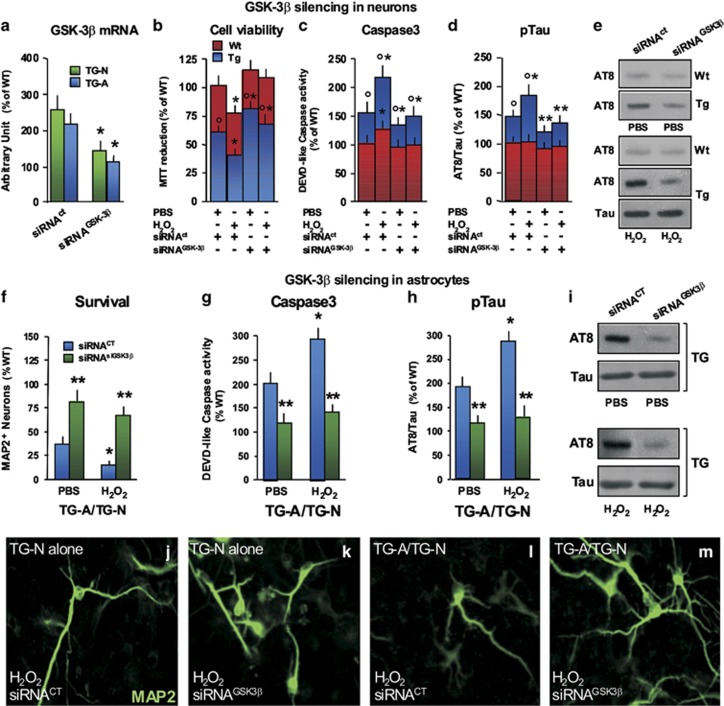
Glycogen synthase kinase-3β (GSK-3β) has emerged as a critical factor in several pathways involved in hippocampal neuronal maintenance and function. In Huntington's disease (HD), there are early hippocampal deficits both in patients and transgenic mouse models, which prompted us to investigate whether disease-specific changes in GSK-3β expression may underlie these abnormalities. Thirty-three postmortem hippocampal samples from HD patients (neuropathological grades 2-4) and age- and sex-matched normal control cases were analyzed using real-time quantitative reverse transcription PCRs (qPCRs) and immunohistochemistry. In vitro and in vivo studies looking at hippocampal pathology and GSK-3β were also undertaken in transgenic R6/2 and wild-type mice. We identified a disease and stage-dependent upregulation of GSK-3β mRNA and protein levels in the HD hippocampus, with the active isoform pGSK-3β-Tyr(216) being strongly expressed in dentate gyrus (DG) neurons and astrocytes at a time when phosphorylation of Tau at the AT8 epitope was also present in these same neurons. This upregulation of pGSK-3β-Tyr(216) was also found in the R6/2 hippocampus in vivo and linked to the increased vulnerability of primary hippocampal neurons in vitro. In addition, the increased expression of GSK-3β in the astrocytes of R6/2 mice appeared to be the main driver of Tau phosphorylation and caspase3 activation-induced neuronal death, at least in part via an exacerbated production of major proinflammatory mediators. This stage-dependent overactivation of GSK-3β in HD-affected hippocampal neurons and astrocytes therefore points to GSK-3β as being a critical factor in the pathological development of this condition. As such, therapeutic targeting of this pathway may help ameliorate neuronal dysfunction in HD.
糖原合酶激酶-3β(GSK-3β)已成为参与海马神经元维持和功能的多个信号通路中的关键因子。在亨廷顿舞蹈病(HD)患者及转基因小鼠模型中,早期均出现海马功能缺陷,这促使我们研究GSK-3β表达的疾病特异性变化是否是这些异常的基础。我们使用实时定量逆转录PCR(qPCR)和免疫组化方法,分析了33例HD患者(神经病理学分级为2-4级)以及年龄和性别匹配的正常对照者的海马尸检样本。我们还在转基因R6/2小鼠和野生型小鼠中进行了关于海马病理学和GSK-3β的体内外研究。我们发现HD海马中GSK-3β mRNA和蛋白水平存在疾病及阶段依赖性上调,活性异构体pGSK-3β-Tyr(216)在齿状回(DG)神经元和星形胶质细胞中强烈表达,此时这些相同神经元中的Tau蛋白在AT8表位也发生了磷酸化。在R6/2小鼠的海马体内也发现了pGSK-3β-Tyr(216)的这种上调,并且与体外原代海马神经元的易损性增加有关。此外,R6/2小鼠星形胶质细胞中GSK-3β表达的增加似乎是Tau磷酸化和caspase3激活诱导神经元死亡的主要驱动因素,至少部分是通过主要促炎介质的过度产生。因此,HD影响的海马神经元和星形胶质细胞中GSK-3β的这种阶段依赖性过度激活表明GSK-3β是这种疾病病理发展的关键因素。因此,针对该信号通路的治疗可能有助于改善HD中的神经元功能障碍。