Saper Robert B, Lemaster Chelsey M, Elwy A Rani, Paris Ruth, Herman Patricia M, Plumb Dorothy N, Sherman Karen J, Groessl Erik J, Lynch Susan, Wang Shihwe, Weinberg Janice
Department of Family Medicine, Boston University School of Medicine and Boston Medical Center, Boston, MA, USA.
Center for Information Dissemination and Education Resources, VA Boston Healthcare System, Boston, MA, USA.
Trials. 2016 Apr 29;17(1):224. doi: 10.1186/s13063-016-1321-5.
Chronic low back pain is the most frequent pain condition in Veterans and causes substantial suffering, decreased functional capacity, and lower quality of life. Symptoms of post-traumatic stress, depression, and mild traumatic brain injury are highly prevalent in Veterans with back pain. Yoga for low back pain has been demonstrated to be effective for civilians in randomized controlled trials. However, it is unknown if results from previously published trials generalize to military populations.
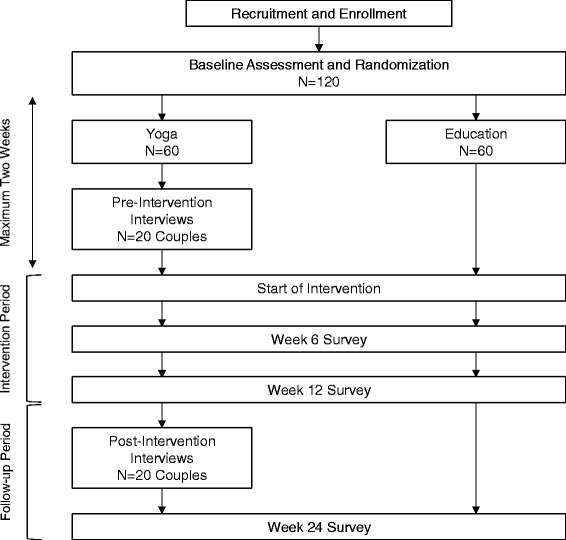
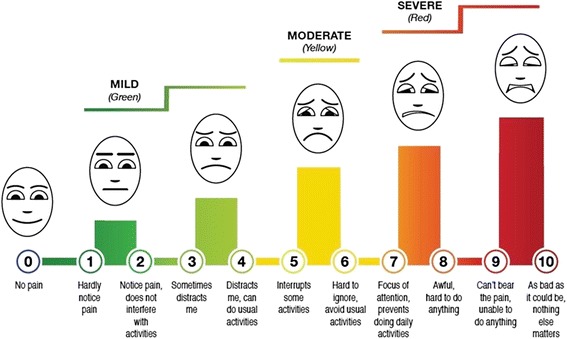
METHODS/DESIGN: This study is a parallel randomized controlled trial comparing yoga to education for 120 Veterans with chronic low back pain. Participants are Veterans ≥18 years old with low back pain present on at least half the days in the past six months and a self-reported average pain intensity in the previous week of ≥4 on a 0-10 scale. The 24-week study has an initial 12-week intervention period, where participants are randomized equally into (1) a standardized weekly group yoga class with home practice or (2) education delivered with a self-care book. Primary outcome measures are change at 12 weeks in low back pain intensity measured by the Defense and Veterans Pain Rating Scale (0-10) and back-related function using the 23-point Roland Morris Disability Questionnaire. In the subsequent 12-week follow-up period, yoga participants are encouraged to continue home yoga practice and education participants continue following recommendations from the book. Qualitative interviews with Veterans in the yoga group and their partners explore the impact of chronic low back pain and yoga on family relationships. We also assess cost-effectiveness from three perspectives: the Veteran, the Veterans Health Administration, and society using electronic medical records, self-reported cost data, and study records.
This study will help determine if yoga can become an effective treatment for Veterans with chronic low back pain and psychological comorbidities.
ClinicalTrials.gov: NCT02224183.
慢性腰痛是退伍军人中最常见的疼痛病症,会导致巨大痛苦、功能能力下降和生活质量降低。创伤后应激障碍、抑郁症和轻度创伤性脑损伤的症状在患有背痛的退伍军人中极为普遍。在随机对照试验中,瑜伽已被证明对平民治疗腰痛有效。然而,先前发表的试验结果是否适用于军人尚不清楚。
方法/设计:本研究是一项平行随机对照试验,将瑜伽与教育干预对120名患有慢性腰痛的退伍军人进行比较。参与者为年龄≥18岁的退伍军人,在过去六个月中至少有一半天数出现腰痛,且自我报告前一周的平均疼痛强度在0-10分制中≥4分。这项为期24周的研究有一个为期12周的初始干预期,参与者被平均随机分为两组:(1)每周一次的标准化团体瑜伽课程并配合家庭练习,或(2)提供一本自我护理书籍进行教育干预。主要结局指标是在12周时使用国防和退伍军人疼痛评定量表(0-10)测量的腰痛强度变化,以及使用23点罗兰·莫里斯残疾问卷测量的与背部相关的功能变化。在随后的12周随访期,鼓励参加瑜伽组的参与者继续在家进行瑜伽练习,参加教育组的参与者继续遵循书籍中的建议。对瑜伽组退伍军人及其伴侣进行定性访谈,探讨慢性腰痛和瑜伽对家庭关系的影响。我们还从三个角度评估成本效益:退伍军人本人、退伍军人健康管理局和社会,使用电子病历、自我报告的成本数据和研究记录。
本研究将有助于确定瑜伽是否能成为治疗患有慢性腰痛和心理合并症的退伍军人的有效疗法。
ClinicalTrials.gov:NCT02224183。