Körbelin Jakob, Dogbevia Godwin, Michelfelder Stefan, Ridder Dirk A, Hunger Agnes, Wenzel Jan, Seismann Henning, Lampe Melanie, Bannach Jacqueline, Pasparakis Manolis, Kleinschmidt Jürgen A, Schwaninger Markus, Trepel Martin
Hubertus Wald Cancer Center, Department of Oncology and Hematology University Medical Center Hamburg-Eppendorf, Hamburg, Germany.
Institute of Experimental and Clinical Pharmacology and Toxicology, University of Lübeck, Lübeck, Germany.
EMBO Mol Med. 2016 Jun 1;8(6):609-25. doi: 10.15252/emmm.201506078. Print 2016 Jun.
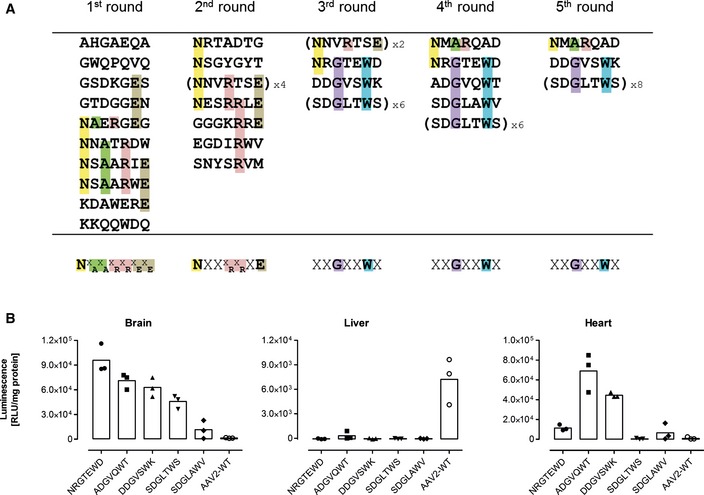
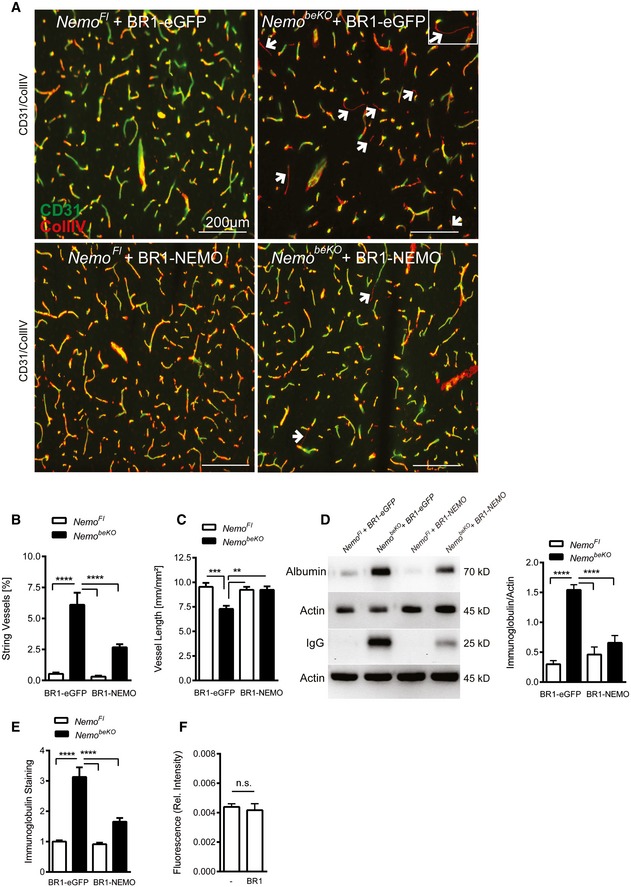
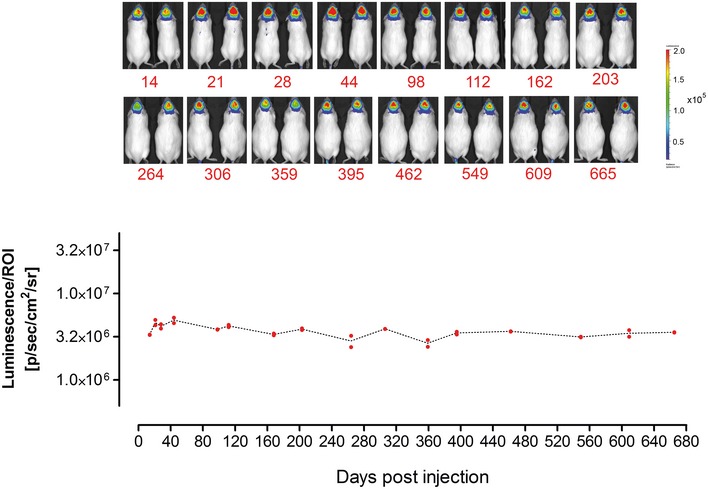
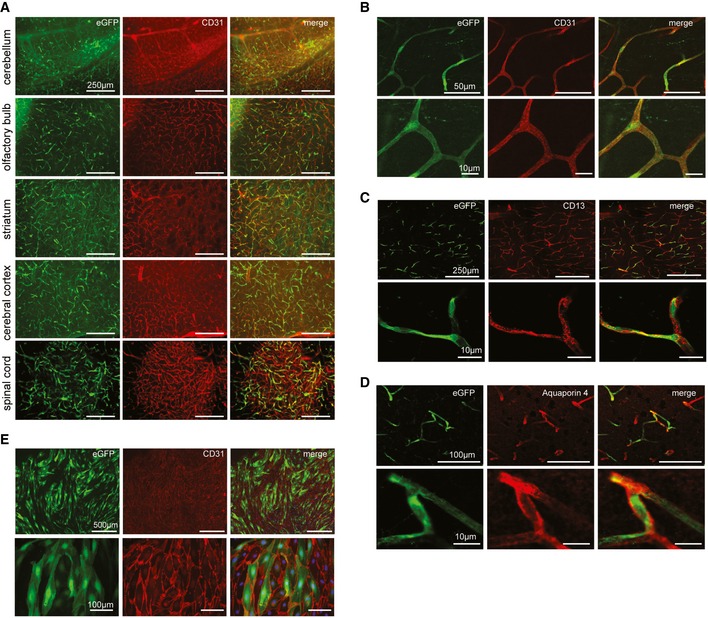
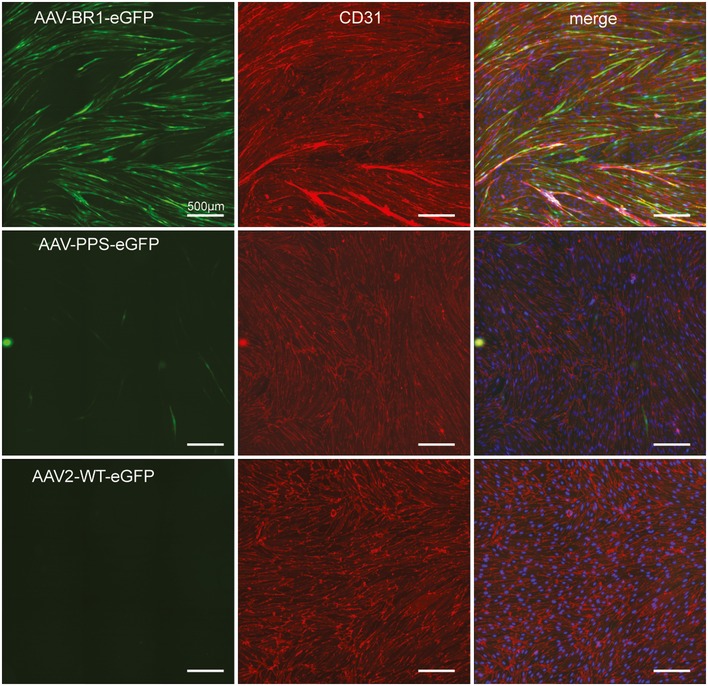
Gene therapy critically relies on vectors that combine high transduction efficiency with a high degree of target specificity and that can be administered through a safe intravenous route. The lack of suitable vectors, especially for gene therapy of brain disorders, represents a major obstacle. Therefore, we applied an in vivo screening system of random ligand libraries displayed on adeno-associated viral capsids to select brain-targeted vectors for the treatment of neurovascular diseases. We identified a capsid variant showing an unprecedented degree of specificity and long-lasting transduction efficiency for brain microvasculature endothelial cells as the primary target of selection. A therapeutic vector based on this selected viral capsid was used to markedly attenuate the severe cerebrovascular pathology of mice with incontinentia pigmenti after a single intravenous injection. Furthermore, the versatility of this selection system will make it possible to select ligands for additional in vivo targets without requiring previous identification of potential target-specific receptors.
基因治疗严重依赖于能够将高转导效率与高度的靶标特异性相结合,并且可以通过安全的静脉途径给药的载体。缺乏合适的载体,尤其是用于脑部疾病基因治疗的载体,是一个主要障碍。因此,我们应用了一种展示在腺相关病毒衣壳上的随机配体文库的体内筛选系统,以选择用于治疗神经血管疾病的脑靶向载体。我们鉴定出一种衣壳变体,它对脑微血管内皮细胞表现出前所未有的特异性程度和持久的转导效率,而脑微血管内皮细胞是主要的选择靶标。基于这种选定病毒衣壳的治疗性载体在单次静脉注射后,可显著减轻色素失禁症小鼠严重的脑血管病变。此外,这种筛选系统的多功能性将使得有可能为其他体内靶标选择配体,而无需事先鉴定潜在的靶标特异性受体。