Cole David K, Bulek Anna M, Dolton Garry, Schauenberg Andrea J, Szomolay Barbara, Rittase William, Trimby Andrew, Jothikumar Prithiviraj, Fuller Anna, Skowera Ania, Rossjohn Jamie, Zhu Cheng, Miles John J, Peakman Mark, Wooldridge Linda, Rizkallah Pierre J, Sewell Andrew K
J Clin Invest. 2016 Jun 1;126(6):2191-204. doi: 10.1172/JCI85679. Epub 2016 May 16.
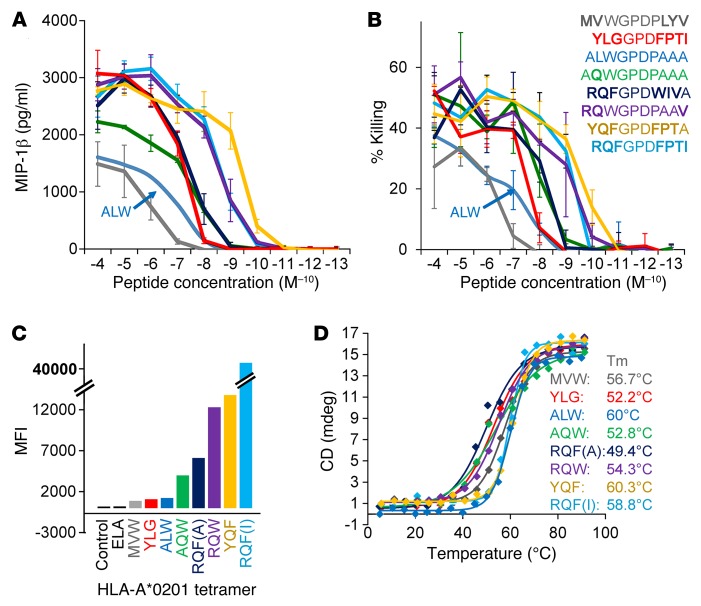
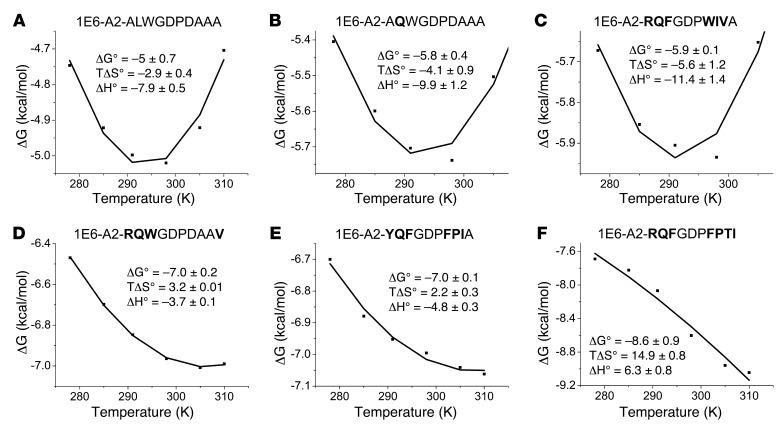
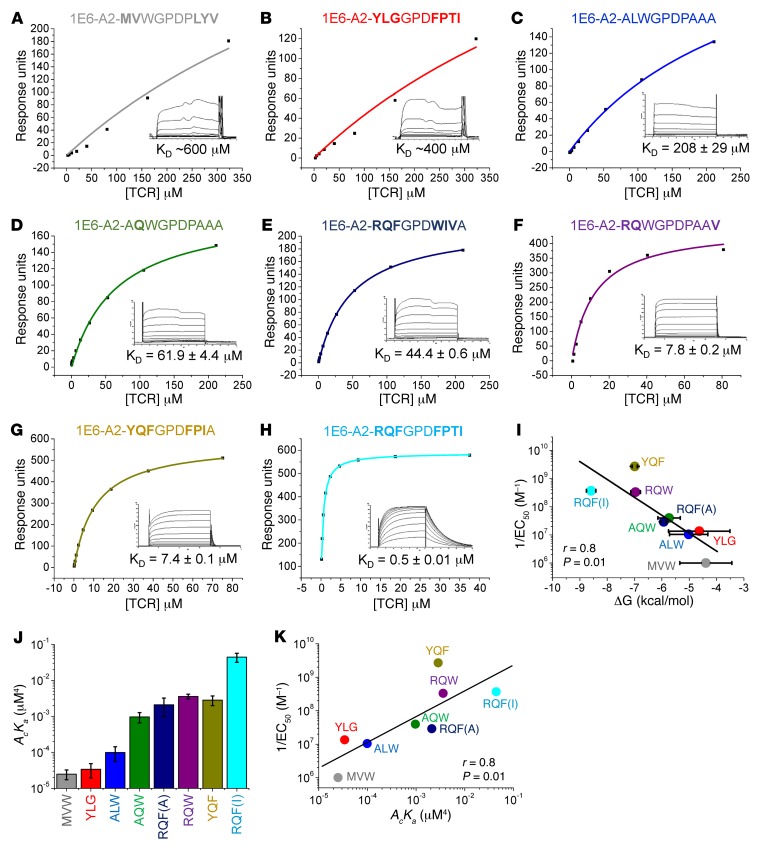
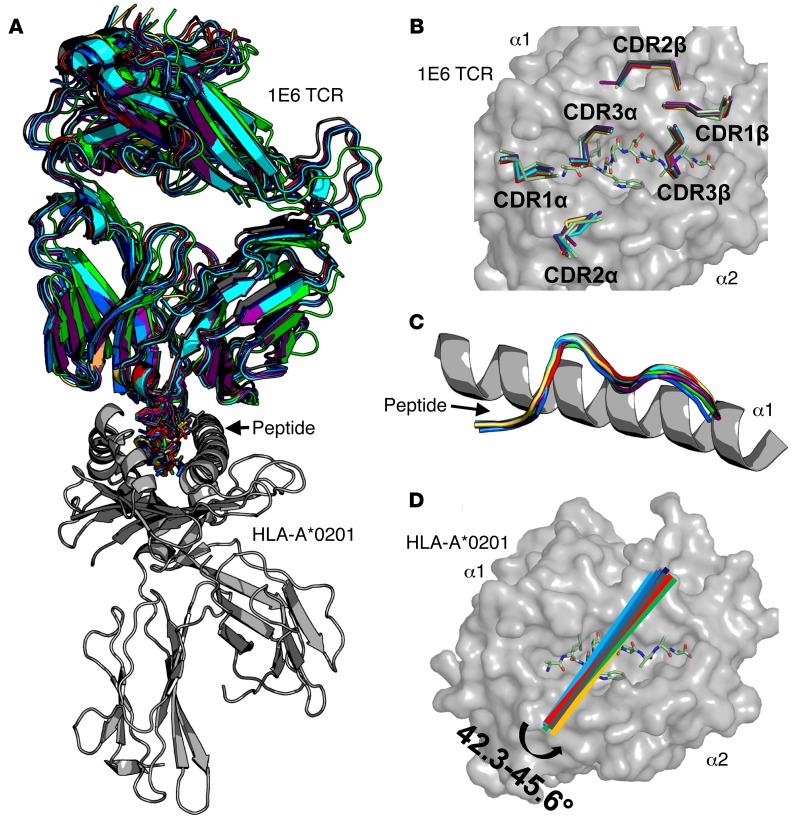
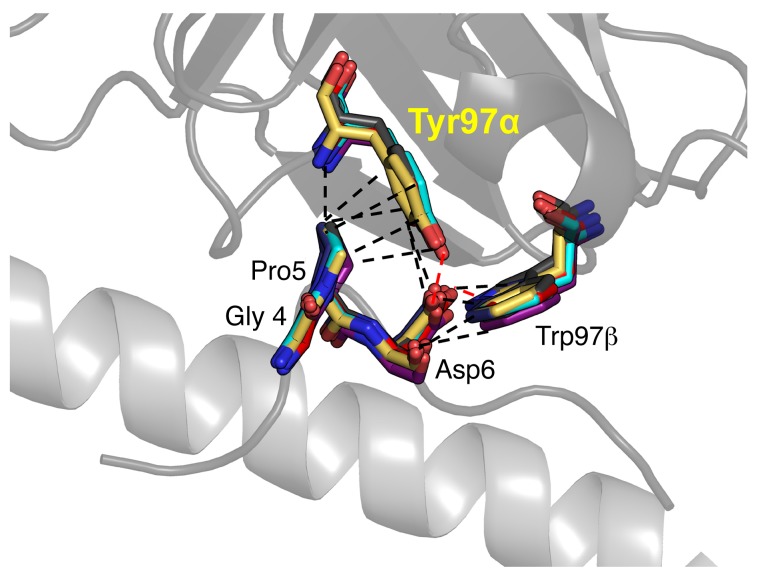
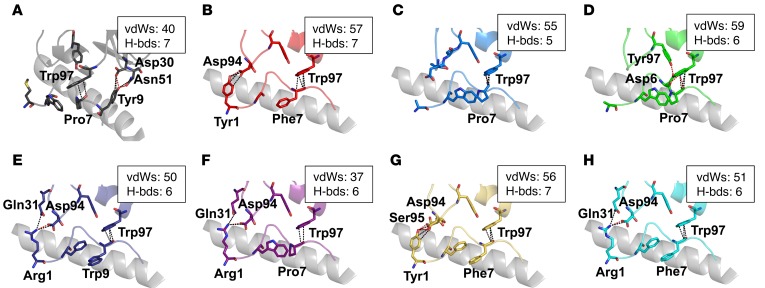
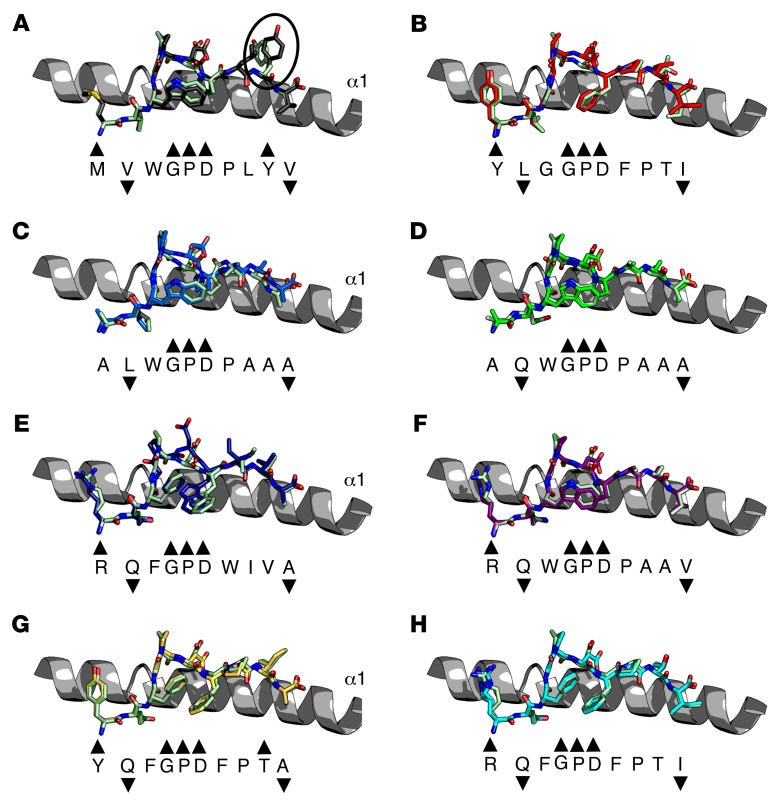
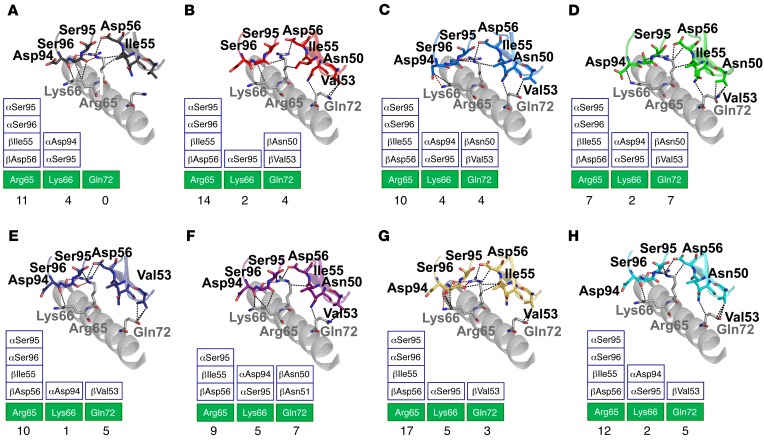
The cross-reactivity of T cells with pathogen- and self-derived peptides has been implicated as a pathway involved in the development of autoimmunity. However, the mechanisms that allow the clonal T cell antigen receptor (TCR) to functionally engage multiple peptide-major histocompatibility complexes (pMHC) are unclear. Here, we studied multiligand discrimination by a human, preproinsulin reactive, MHC class-I-restricted CD8+ T cell clone (1E6) that can recognize over 1 million different peptides. We generated high-resolution structures of the 1E6 TCR bound to 7 altered peptide ligands, including a pathogen-derived peptide that was an order of magnitude more potent than the natural self-peptide. Evaluation of these structures demonstrated that binding was stabilized through a conserved lock-and-key-like minimal binding footprint that enables 1E6 TCR to tolerate vast numbers of substitutions outside of this so-called hotspot. Highly potent antigens of the 1E6 TCR engaged with a strong antipathogen-like binding affinity; this engagement was governed though an energetic switch from an enthalpically to entropically driven interaction compared with the natural autoimmune ligand. Together, these data highlight how T cell cross-reactivity with pathogen-derived antigens might break self-tolerance to induce autoimmune disease.
T细胞与病原体衍生肽和自身衍生肽的交叉反应被认为是自身免疫发展过程中的一条途径。然而,使克隆性T细胞抗原受体(TCR)在功能上与多种肽 - 主要组织相容性复合体(pMHC)结合的机制尚不清楚。在此,我们研究了一种人类前胰岛素反应性、MHC I类限制性CD8 + T细胞克隆(1E6)对多种配体的识别,该克隆能够识别超过100万种不同的肽。我们生成了与7种改变的肽配体结合的1E6 TCR的高分辨率结构,其中包括一种病原体衍生肽,其效力比天然自身肽高一个数量级。对这些结构的评估表明,通过保守的锁钥样最小结合足迹可使结合稳定,该足迹使1E6 TCR能够耐受此所谓热点之外的大量取代。1E6 TCR的高效力抗原以类似抗病原体的强结合亲和力结合;与天然自身免疫配体相比,这种结合是通过从焓驱动到熵驱动相互作用的能量转换来控制的。这些数据共同突出了T细胞与病原体衍生抗原的交叉反应如何可能打破自身耐受性以诱导自身免疫性疾病。