Santos Gesivaldo, Giraldez-Alvarez Lisandro Diego, Ávila-Rodriguez Marco, Capani Francisco, Galembeck Eduardo, Neto Aristóteles Gôes, Barreto George E, Andrade Bruno
Departamento de Ciências Biológicas, Universidade Estadual do Sudoeste da Bahia Jequié, Brazil.
Programa Nacional de Pós-Doutorado (PNPD-CAPES), Departamento de Química e Exatas, Universidade Estadual do Sudoeste da Bahia Jequié, Brazil.
Front Aging Neurosci. 2016 May 2;8:97. doi: 10.3389/fnagi.2016.00097. eCollection 2016.
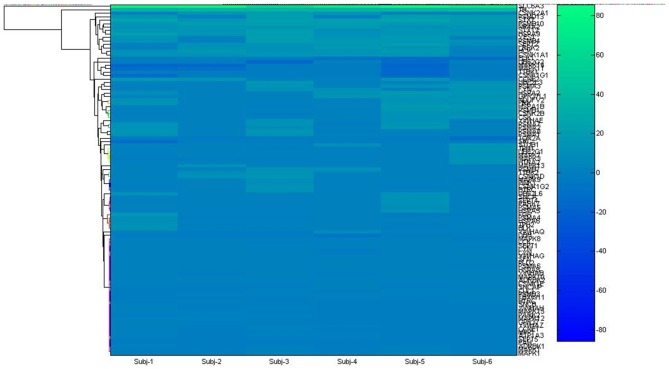
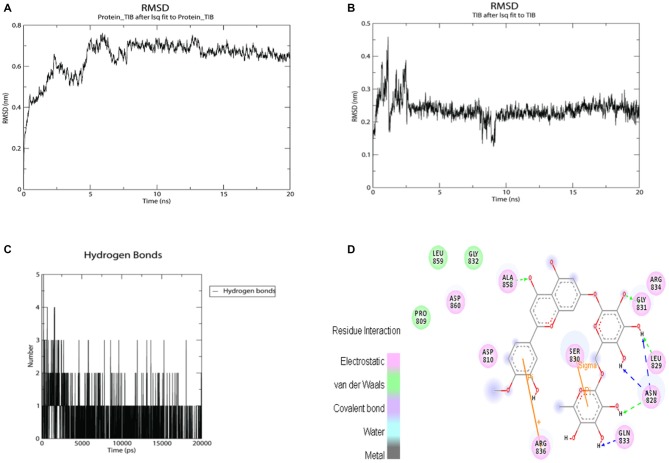
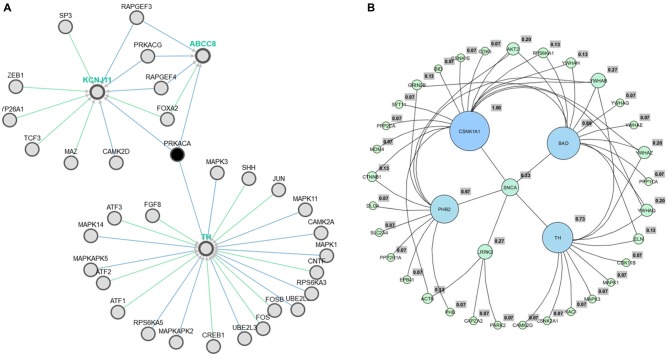
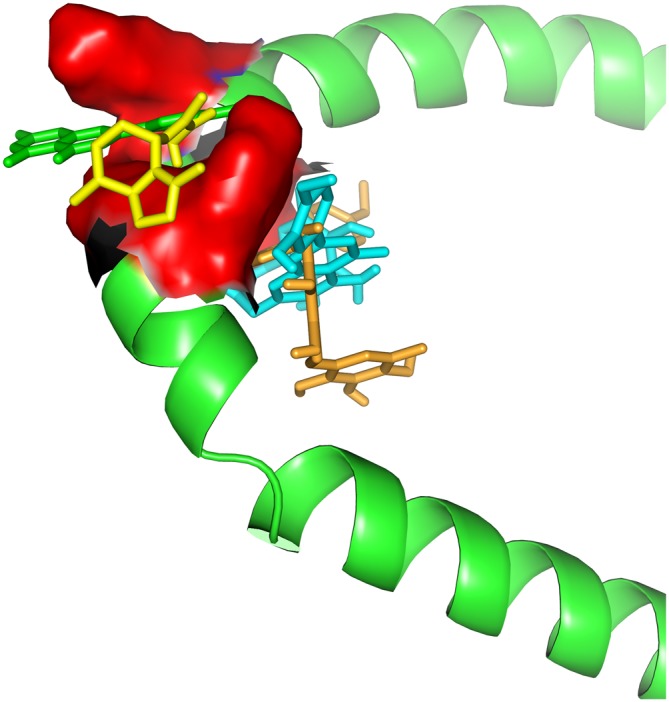
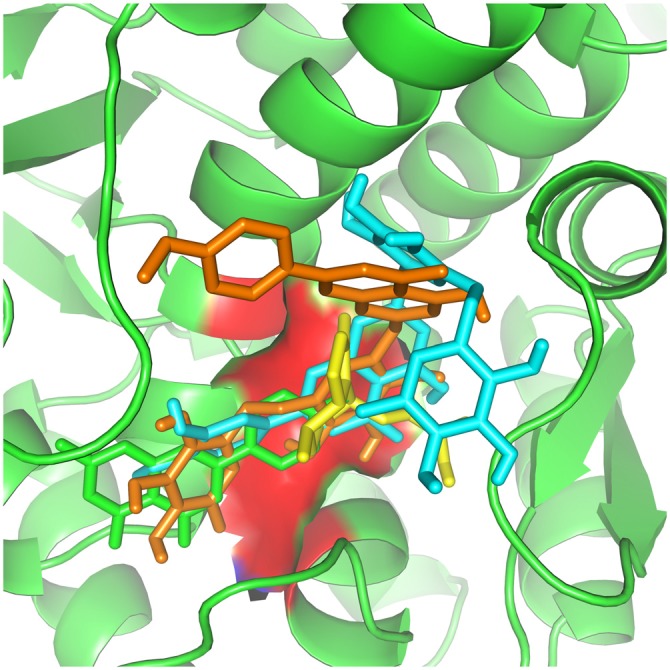
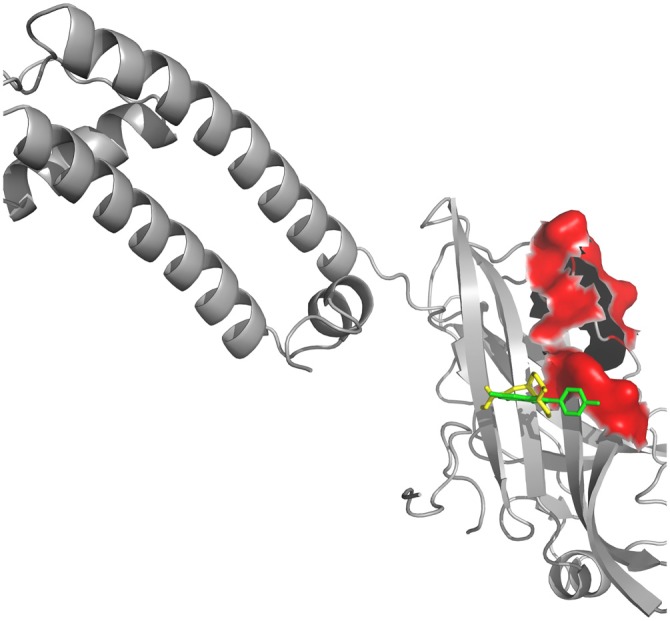
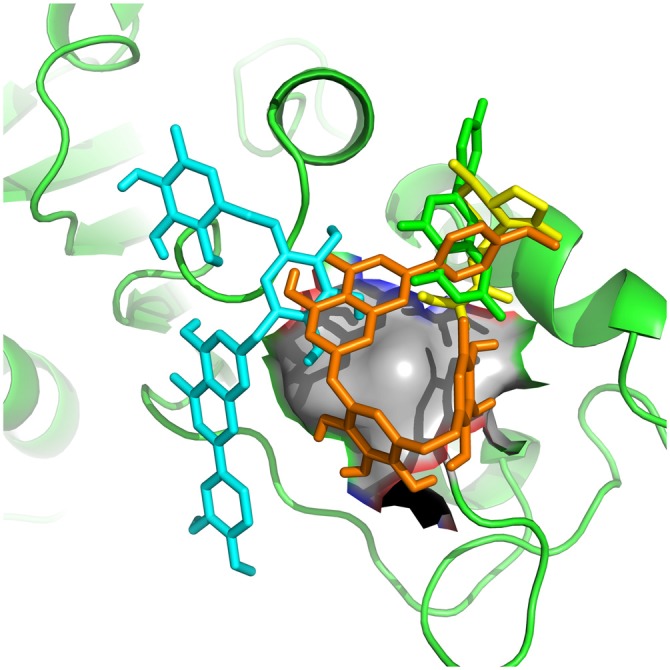
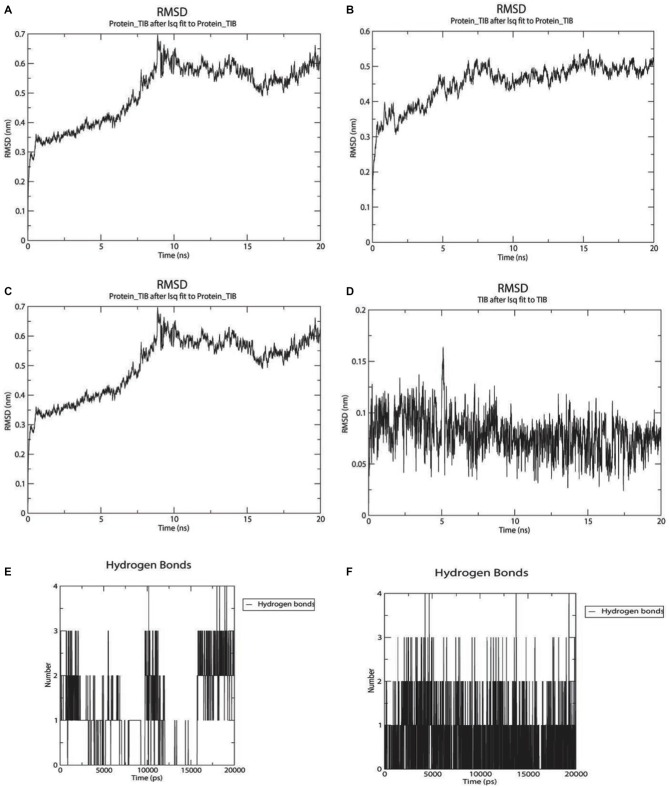
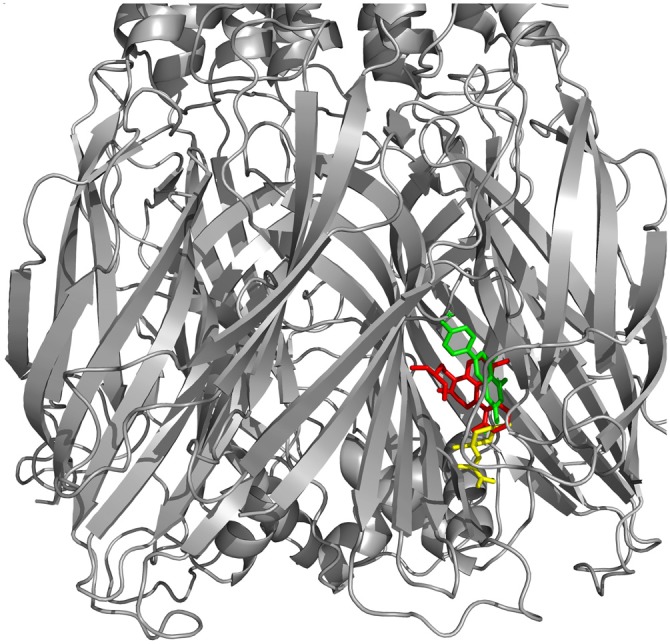
Parkinson's disease (PD) is one of the most common neurodegenerative disorders. A theoretical approach of our previous experiments reporting the cytoprotective effects of the Valeriana officinalis compounds extract for PD is suggested. In addiction to considering the PD as a result of mitochondrial metabolic imbalance and oxidative stress, such as in our previous in vitro model of rotenone, in the present manuscript we added a genomic approach to evaluate the possible underlying mechanisms of the effect of the plant extract. Microarray of substantia nigra (SN) genome obtained from Allen Brain Institute was analyzed using gene set enrichment analysis to build a network of hub genes implicated in PD. Proteins transcribed from hub genes and their ligands selected by search ensemble approach algorithm were subjected to molecular docking studies, as well as 20 ns Molecular Dynamics (MD) using a Molecular Mechanic Poison/Boltzman Surface Area (MMPBSA) protocol. Our results bring a new approach to Valeriana officinalis extract, and suggest that hesperidin, and probably linarin are able to relieve effects of oxidative stress during ATP depletion due to its ability to binding SUR1. In addition, the key role of valerenic acid and apigenin is possibly related to prevent cortical hyperexcitation by inducing neuronal cells from SN to release GABA on brain stem. Thus, under hyperexcitability, oxidative stress, asphyxia and/or ATP depletion, Valeriana officinalis may trigger different mechanisms to provide neuronal cell protection.
帕金森病(PD)是最常见的神经退行性疾病之一。本文提出了一种理论方法,用于探讨我们之前关于缬草化合物提取物对帕金森病具有细胞保护作用的实验。除了像我们之前在鱼藤酮体外模型中那样,将帕金森病视为线粒体代谢失衡和氧化应激的结果外,在本手稿中,我们还增加了一种基因组学方法,以评估植物提取物作用的潜在机制。使用基因集富集分析对从艾伦脑科学研究所获得的黑质(SN)基因组微阵列进行分析,以构建与帕金森病相关的枢纽基因网络。对枢纽基因转录的蛋白质及其通过搜索集成方法算法选择的配体进行分子对接研究,并使用分子力学泊松/玻尔兹曼表面积(MMPBSA)协议进行20纳秒的分子动力学(MD)模拟。我们的结果为缬草提取物带来了一种新的研究方法,并表明橙皮苷以及可能的蒙花苷能够在ATP耗竭期间减轻氧化应激的影响,因为它们具有结合SUR1的能力。此外,缬草酸和芹菜素的关键作用可能与通过诱导黑质神经元细胞向脑干释放γ-氨基丁酸来预防皮质过度兴奋有关。因此,在过度兴奋、氧化应激、窒息和/或ATP耗竭的情况下,缬草可能触发不同的机制来提供神经元细胞保护。