Crosnier Cécile, Iqbal Zamin, Knuepfer Ellen, Maciuca Sorina, Perrin Abigail J, Kamuyu Gathoni, Goulding David, Bustamante Leyla Y, Miles Alistair, Moore Shona C, Dougan Gordon, Holder Anthony A, Kwiatkowski Dominic P, Rayner Julian C, Pleass Richard J, Wright Gavin J
Cell Surface Signalling Laboratory, Wellcome Trust Sanger Institute, Cambridge CB10 1SA, United Kingdom; Malaria Programme, Wellcome Trust Sanger Institute, Cambridge CB10 1SA, United Kingdom.
Wellcome Trust Centre for Human Genetics, Oxford OX3 7BN, United Kingdom.
J Biol Chem. 2016 Jul 1;291(27):14285-14299. doi: 10.1074/jbc.M116.722074. Epub 2016 May 12.
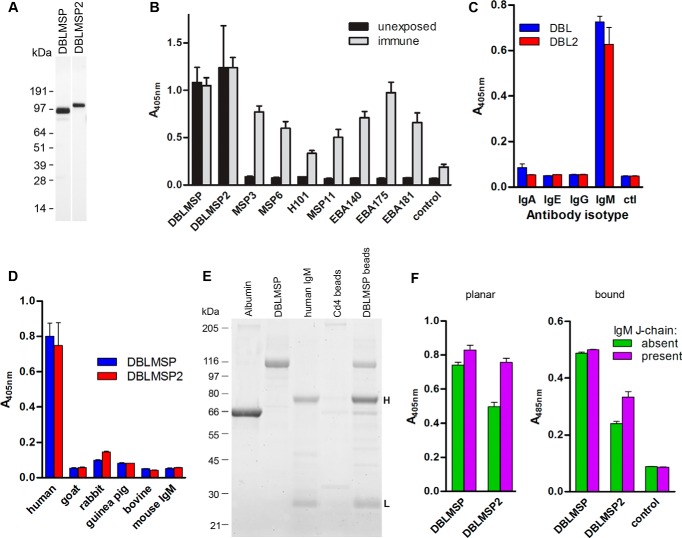
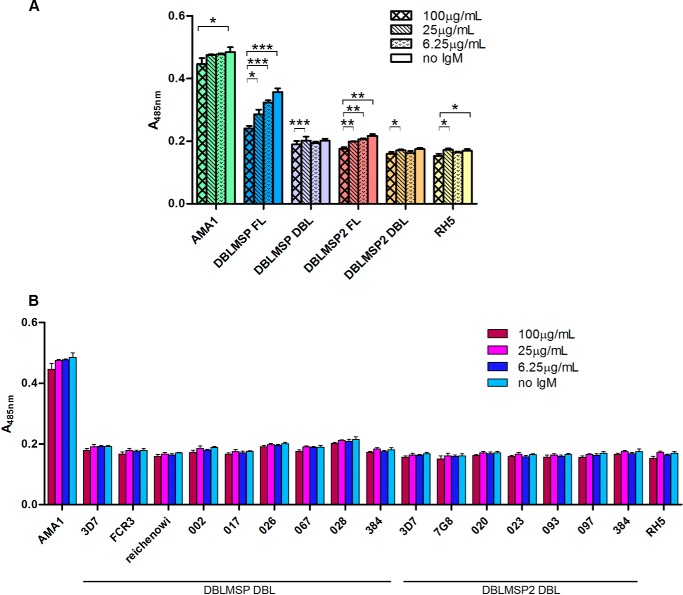
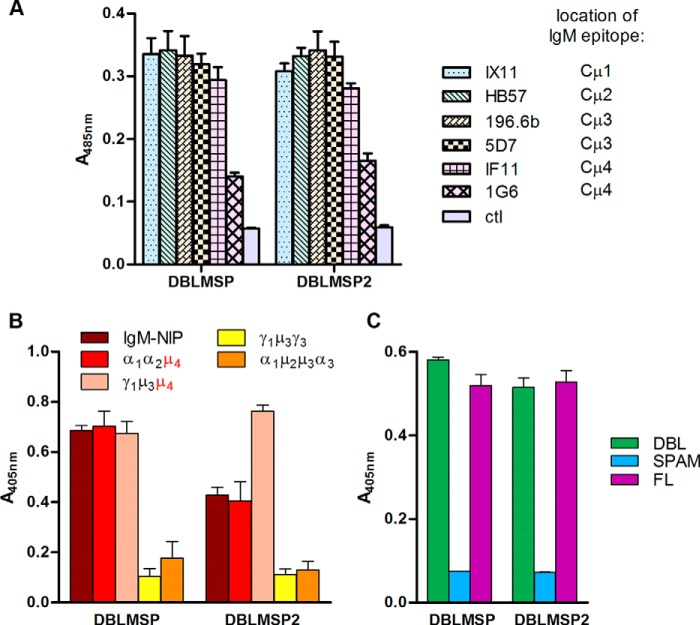
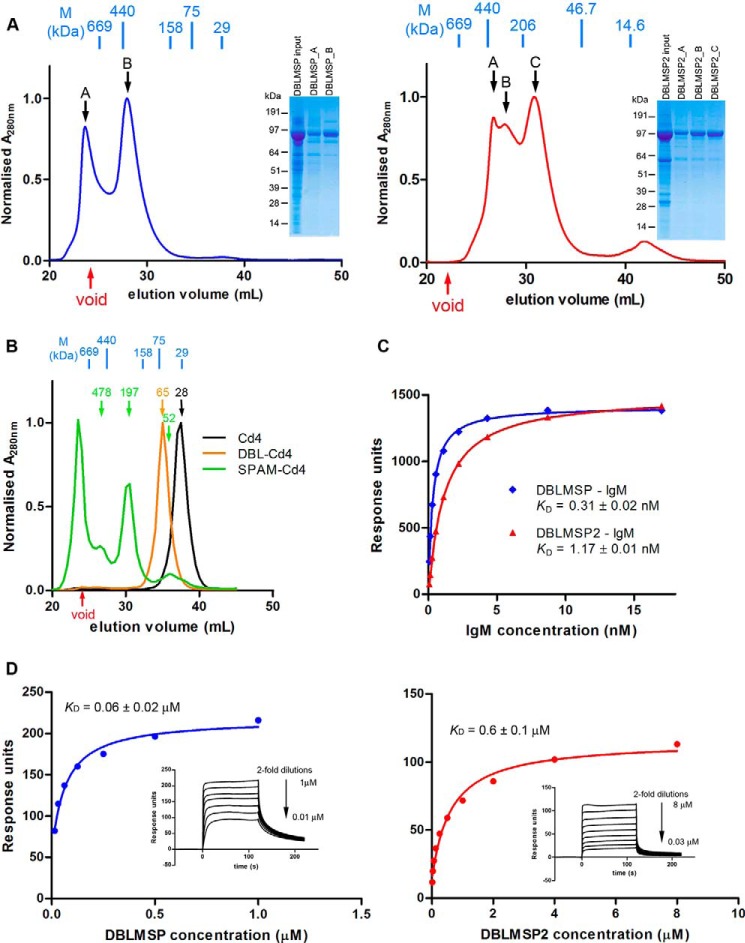
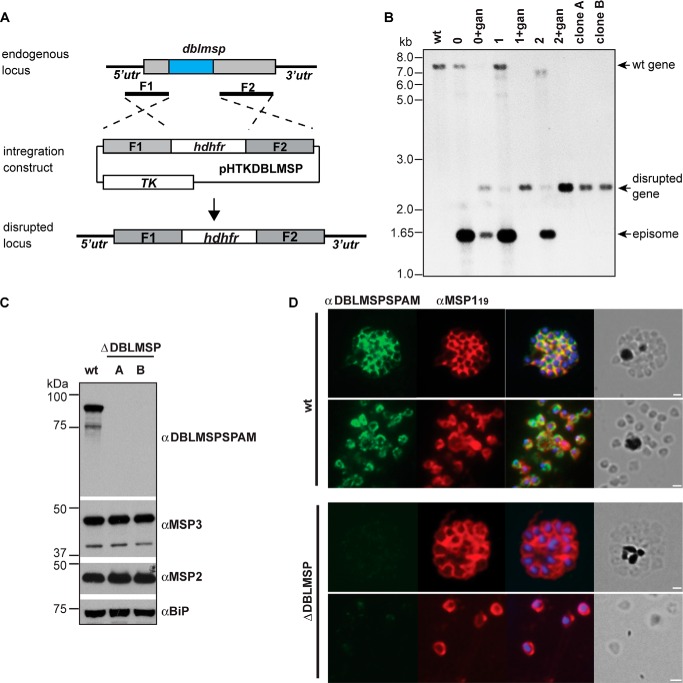
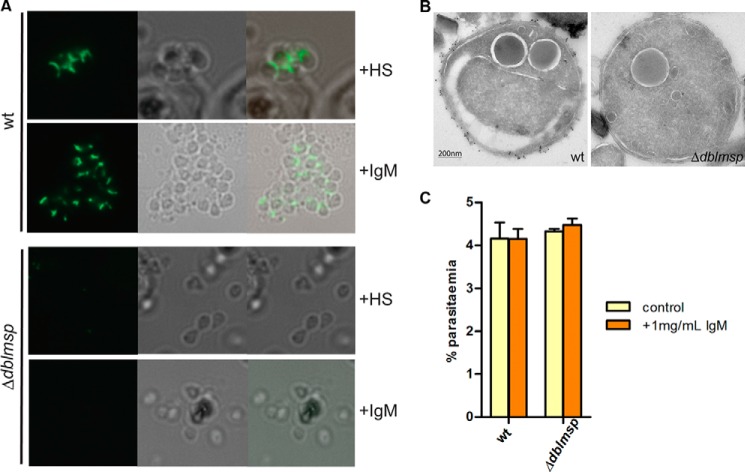
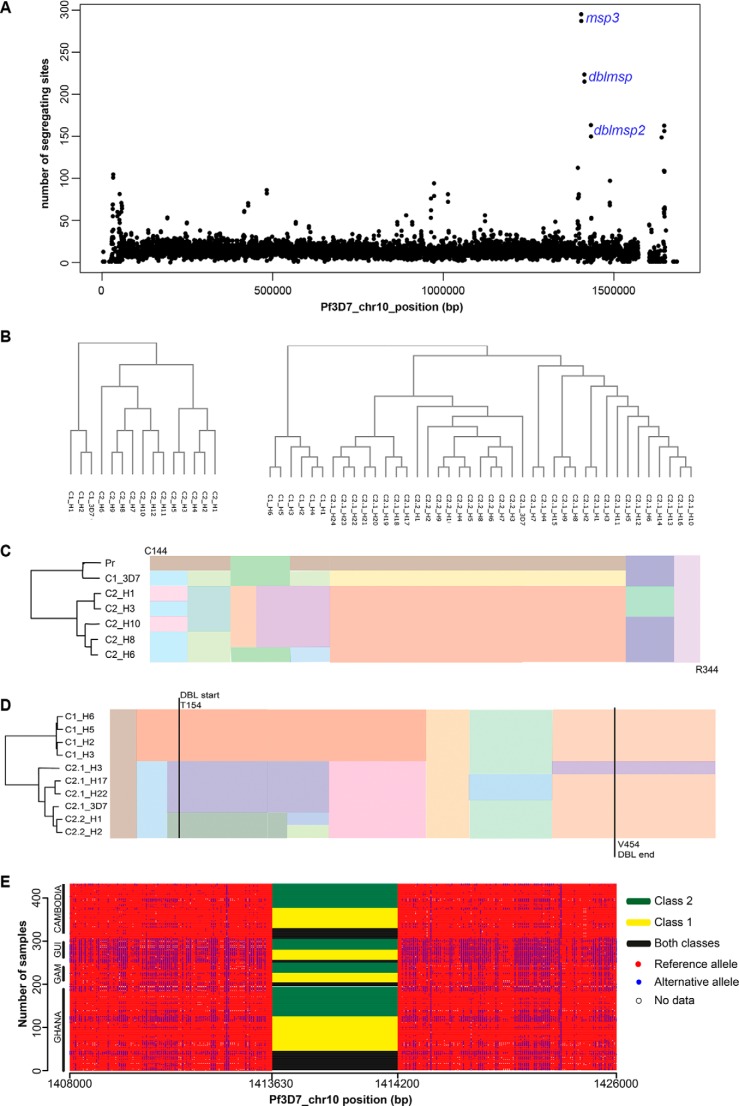
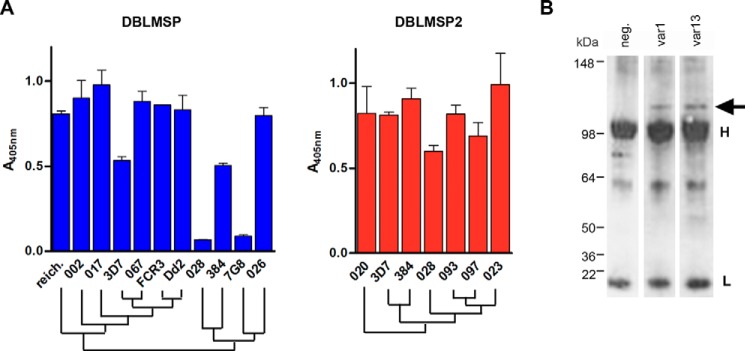
Diversity at pathogen genetic loci can be driven by host adaptive immune selection pressure and may reveal proteins important for parasite biology. Population-based genome sequencing of Plasmodium falciparum, the parasite responsible for the most severe form of malaria, has highlighted two related polymorphic genes called dblmsp and dblmsp2, which encode Duffy binding-like (DBL) domain-containing proteins located on the merozoite surface but whose function remains unknown. Using recombinant proteins and transgenic parasites, we show that DBLMSP and DBLMSP2 directly and avidly bind human IgM via their DBL domains. We used whole genome sequence data from over 400 African and Asian P. falciparum isolates to show that dblmsp and dblmsp2 exhibit extreme protein polymorphism in their DBL domain, with multiple variants of two major allelic classes present in every population tested. Despite this variability, the IgM binding function was retained across diverse sequence representatives. Although this interaction did not seem to have an effect on the ability of the parasite to invade red blood cells, binding of DBLMSP and DBLMSP2 to IgM inhibited the overall immunoreactivity of these proteins to IgG from patients who had been exposed to the parasite. This suggests that IgM binding might mask these proteins from the host humoral immune system.
病原体基因位点的多样性可能由宿主适应性免疫选择压力驱动,并可能揭示对寄生虫生物学重要的蛋白质。导致最严重疟疾形式的疟原虫——恶性疟原虫的群体基因组测序,突出了两个相关的多态性基因dblmsp和dblmsp2,它们编码位于裂殖子表面的含达菲结合样(DBL)结构域的蛋白质,但其功能仍然未知。利用重组蛋白和转基因寄生虫,我们发现DBLMSP和DBLMSP2通过其DBL结构域直接且强烈地结合人IgM。我们使用来自400多个非洲和亚洲恶性疟原虫分离株的全基因组序列数据表明,dblmsp和dblmsp2在其DBL结构域表现出极端的蛋白质多态性,在每个测试群体中都存在两种主要等位基因类别的多个变体。尽管存在这种变异性,但IgM结合功能在不同的序列代表中得以保留。虽然这种相互作用似乎对寄生虫侵入红细胞的能力没有影响,但DBLMSP和DBLMSP2与IgM的结合抑制了这些蛋白质对接触过该寄生虫患者的IgG的总体免疫反应性。这表明IgM结合可能会使这些蛋白质对宿主体液免疫系统隐藏起来。