Eliades Alexia, Wareing Sarah, Marinopoulou Elli, Fadlullah Muhammad Z H, Patel Rahima, Grabarek Joanna B, Plusa Berenika, Lacaud Georges, Kouskoff Valerie
Cancer Research UK Stem Cell Hematopoiesis Group, Cancer Research UK Manchester Institute, The University of Manchester, Manchester M20 4BX, UK.
Cancer Research UK Stem Cell Biology Group, Cancer Research UK Manchester Institute, The University of Manchester, Manchester M20 4BX, UK.
Cell Rep. 2016 Jun 7;15(10):2185-2199. doi: 10.1016/j.celrep.2016.05.001. Epub 2016 May 26.
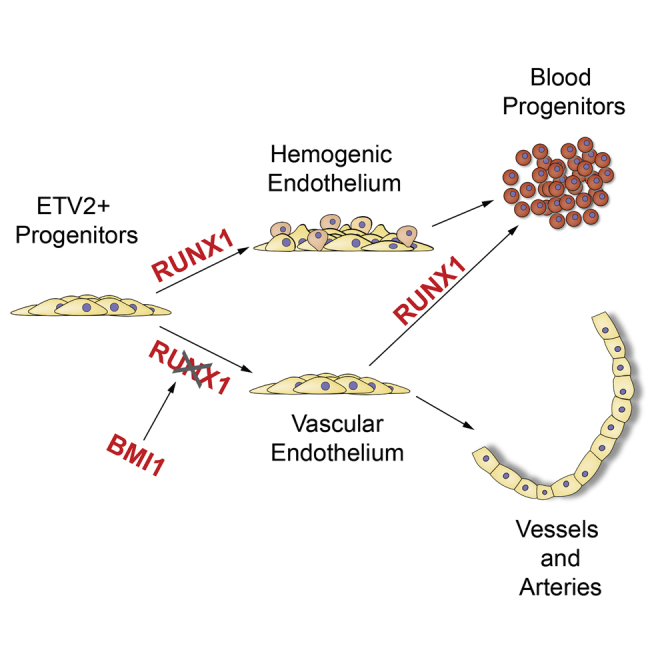
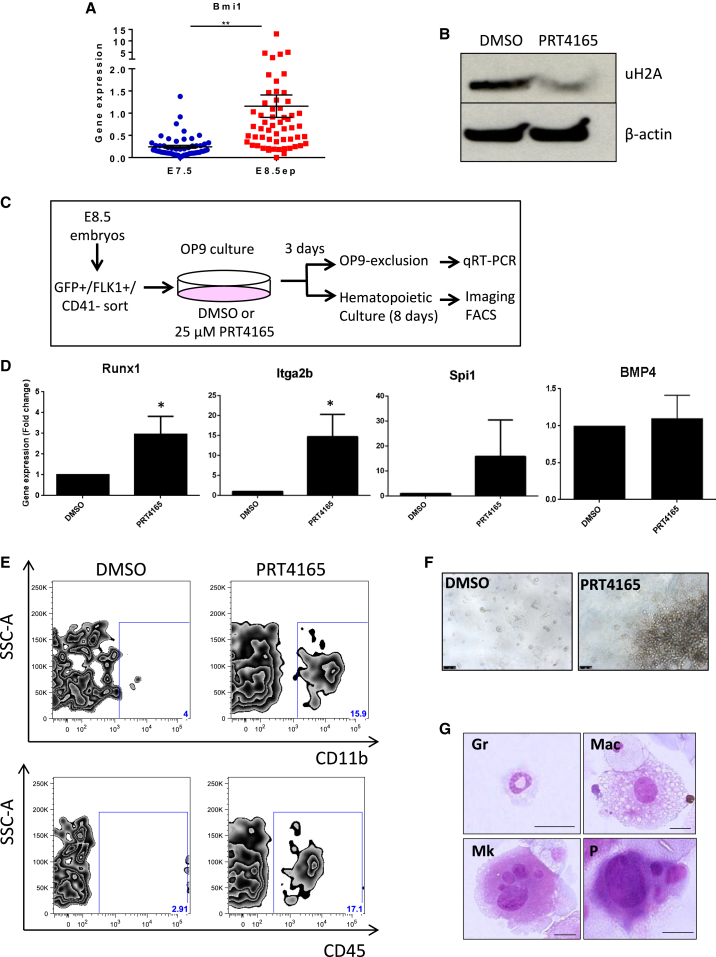
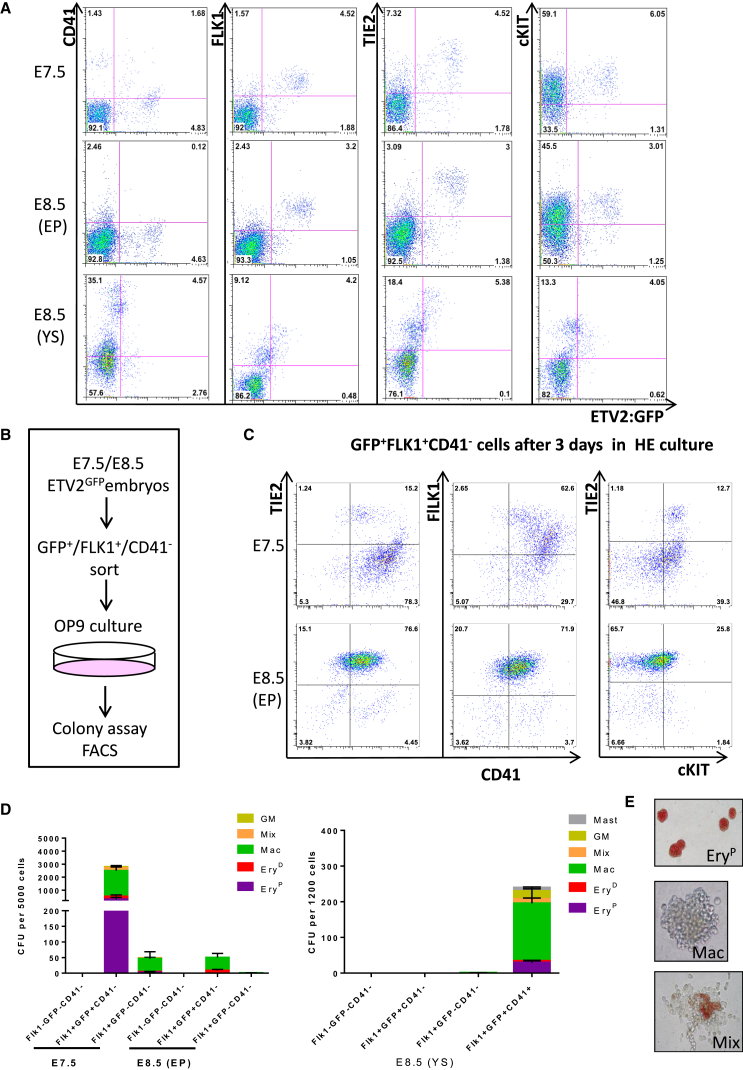
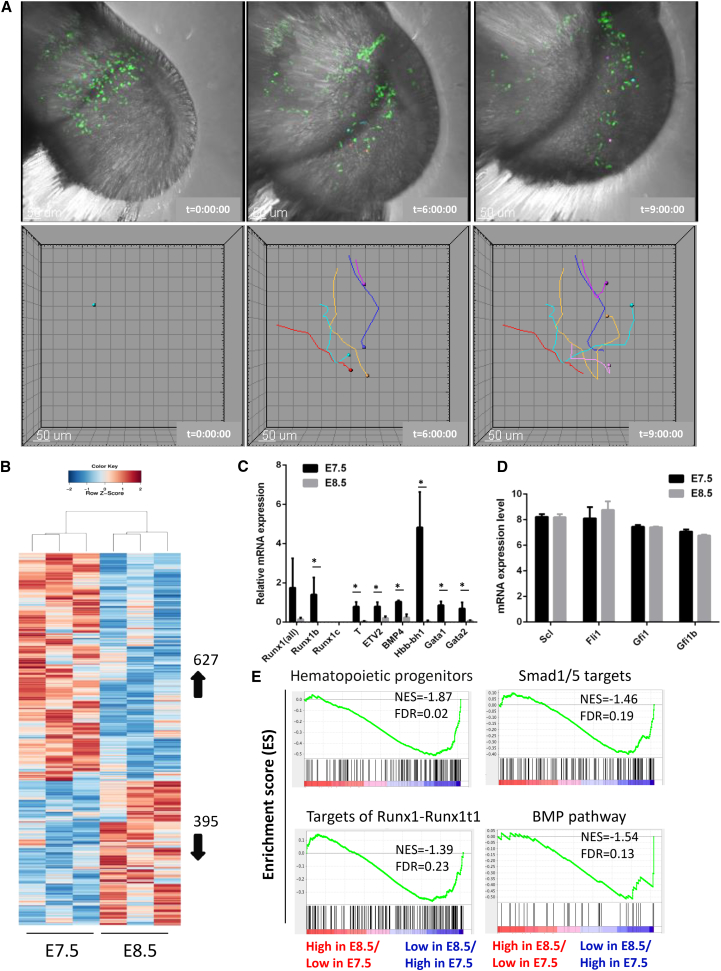
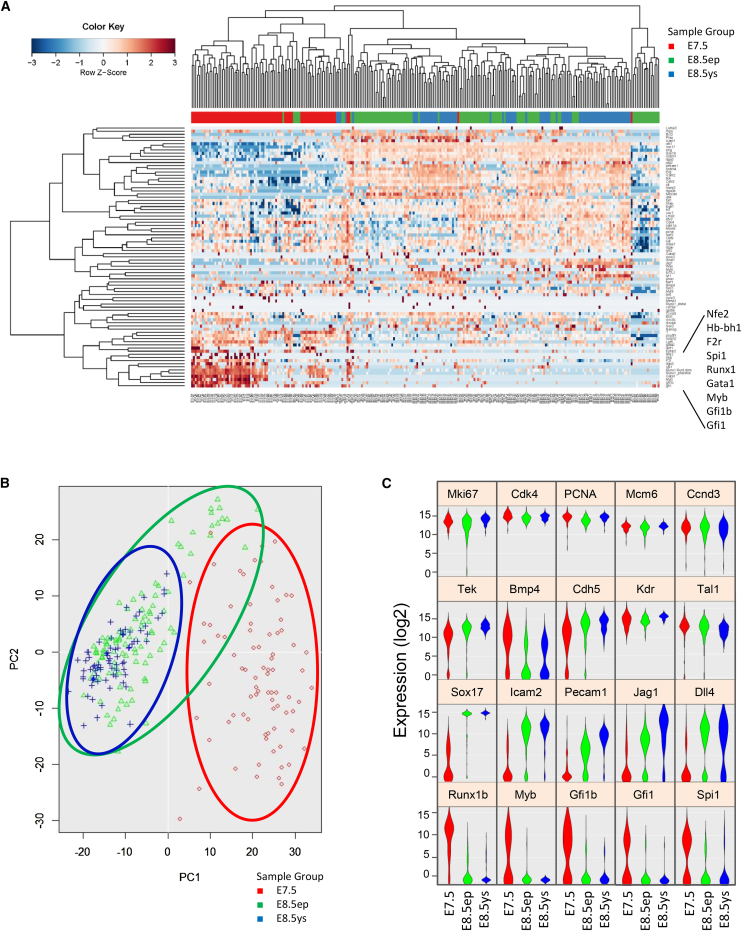
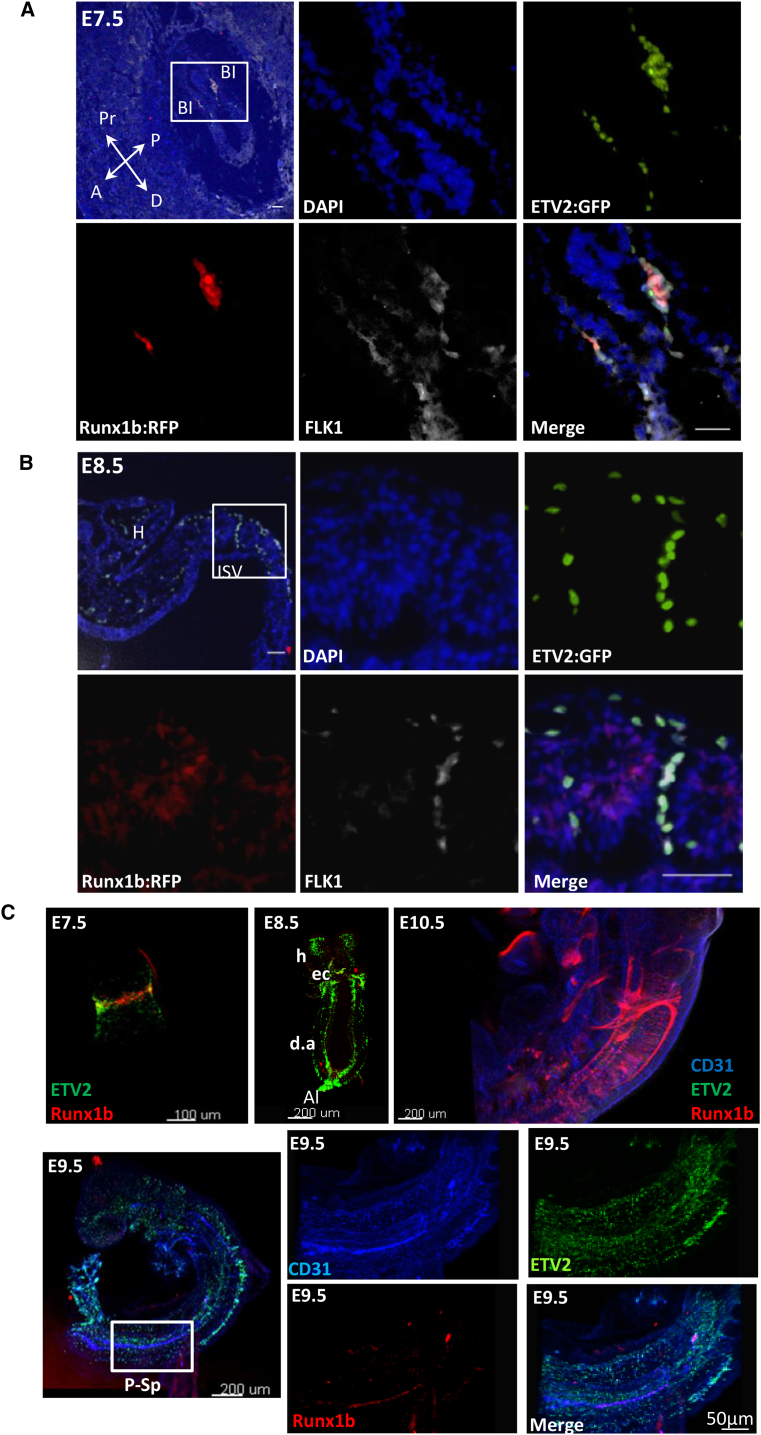
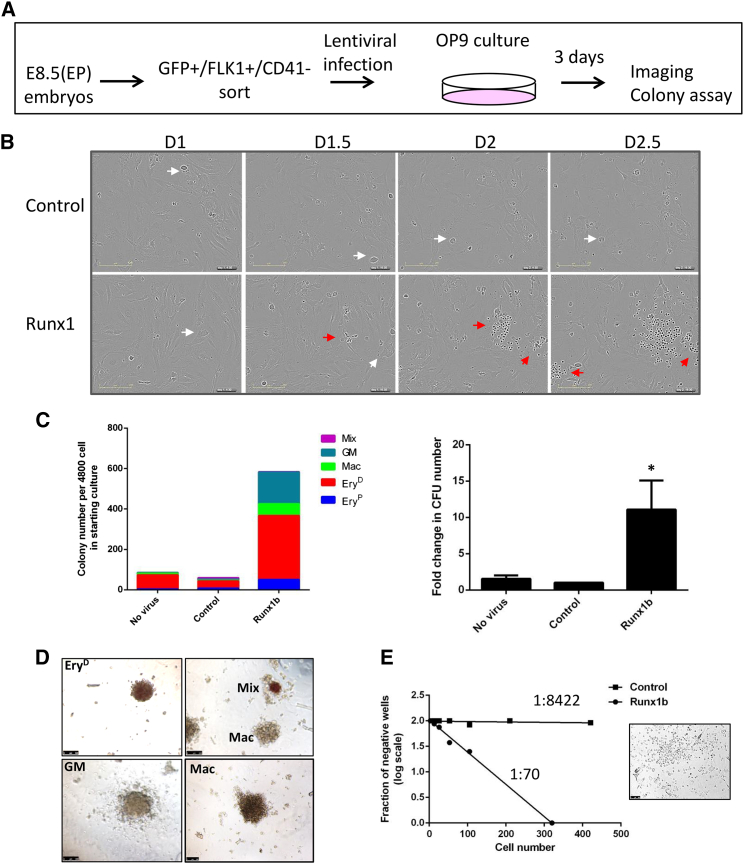
It is now well-established that hematopoietic stem cells (HSCs) and progenitor cells originate from a specialized subset of endothelium, termed hemogenic endothelium (HE), via an endothelial-to-hematopoietic transition. However, the molecular mechanisms determining which endothelial progenitors possess this hemogenic potential are currently unknown. Here, we investigated the changes in hemogenic potential in endothelial progenitors at the early stages of embryonic development. Using an ETV2::GFP reporter mouse to isolate emerging endothelial progenitors, we observed a dramatic decrease in hemogenic potential between embryonic day (E)7.5 and E8.5. At the molecular level, Runx1 is expressed at much lower levels in E8.5 intra-embryonic progenitors, while Bmi1 expression is increased. Remarkably, the ectopic expression of Runx1 in these progenitors fully restores their hemogenic potential, as does the suppression of BMI1 function. Altogether, our data demonstrate that hemogenic competency in recently specified endothelial progenitors is restrained through the active silencing of Runx1 expression.
现在已经充分证实,造血干细胞(HSC)和祖细胞通过内皮向造血转变,起源于内皮的一个特殊亚群,即造血内皮(HE)。然而,目前尚不清楚决定哪些内皮祖细胞具有这种造血潜能的分子机制。在这里,我们研究了胚胎发育早期内皮祖细胞造血潜能的变化。使用ETV2::GFP报告基因小鼠分离新出现的内皮祖细胞,我们观察到胚胎第(E)7.5天到E8.5天之间造血潜能急剧下降。在分子水平上,Runx1在E8.5胚胎内祖细胞中的表达水平要低得多,而Bmi1的表达则增加。值得注意的是,Runx1在这些祖细胞中的异位表达完全恢复了它们的造血潜能,抑制BMI1功能也有同样的效果。总之,我们的数据表明,最近特定的内皮祖细胞的造血能力通过Runx1表达的主动沉默受到限制。