Marino Daniela, Perković Mario, Hain Anika, Jaguva Vasudevan Ananda A, Hofmann Henning, Hanschmann Kay-Martin, Mühlebach Michael D, Schumann Gerald G, König Renate, Cichutek Klaus, Häussinger Dieter, Münk Carsten
Clinic for Gastroenterology, Hepatology, and Infectiology, Medical Faculty, Heinrich-Heine-University Düsseldorf, Düsseldorf, Germany.
Division of Medical Biotechnology, Paul-Ehrlich-Institute, Langen, Germany.
PLoS One. 2016 Jun 1;11(6):e0155422. doi: 10.1371/journal.pone.0155422. eCollection 2016.
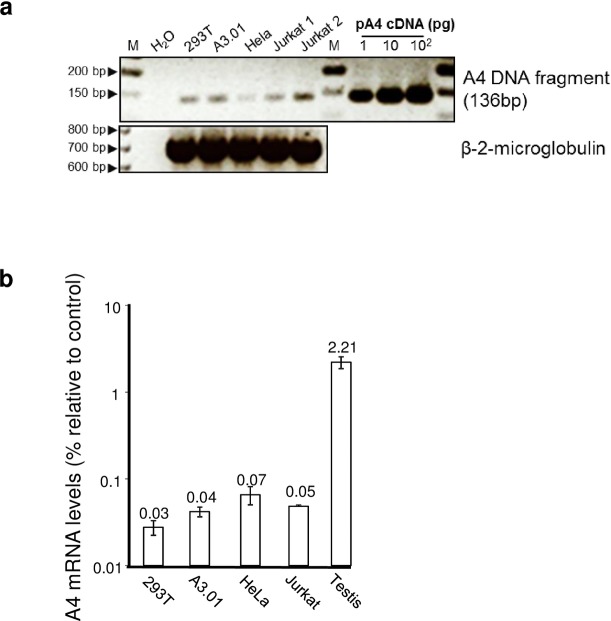
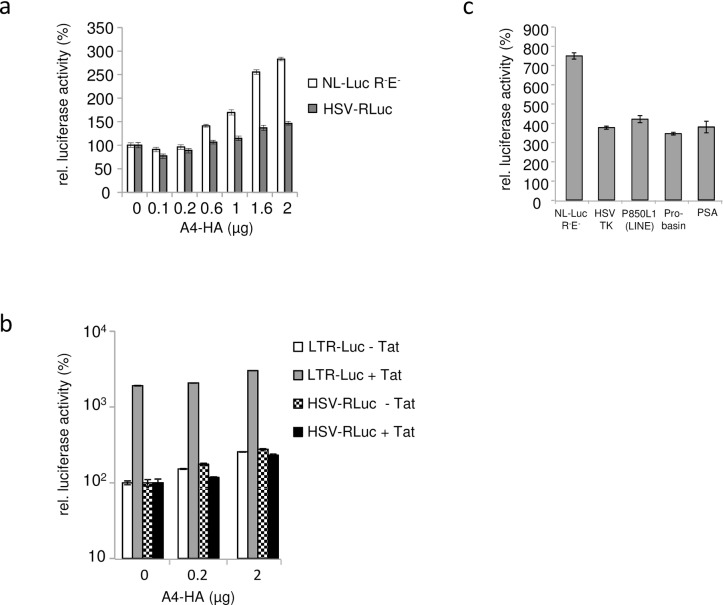
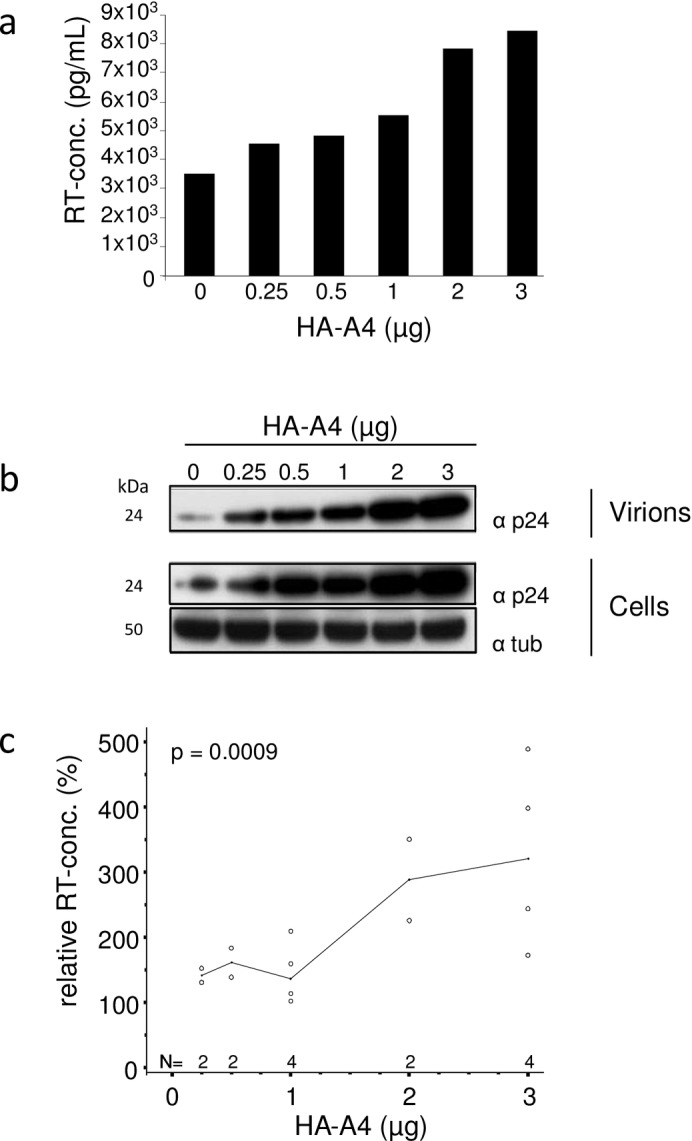
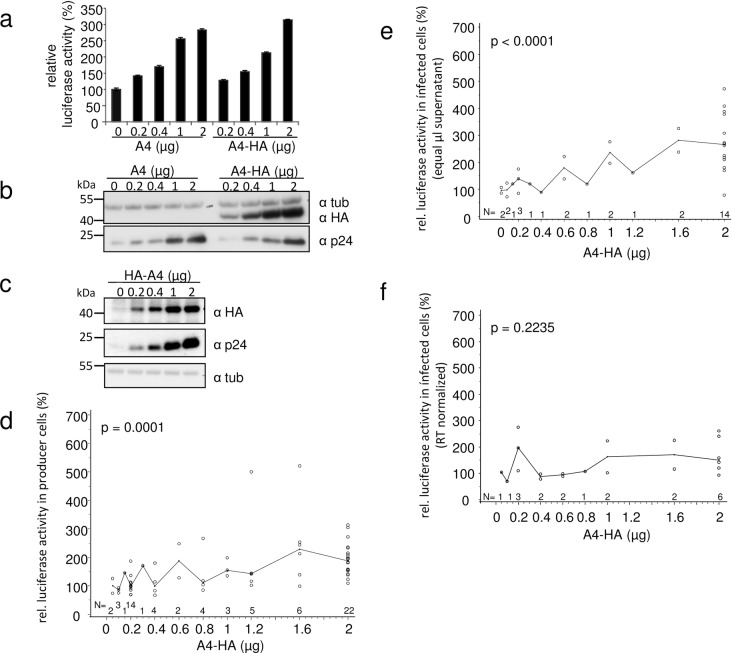
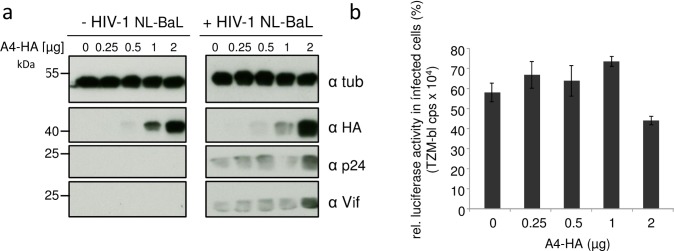
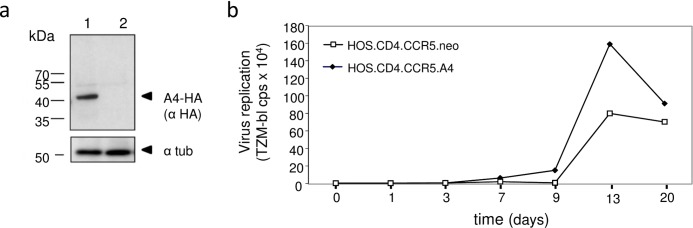
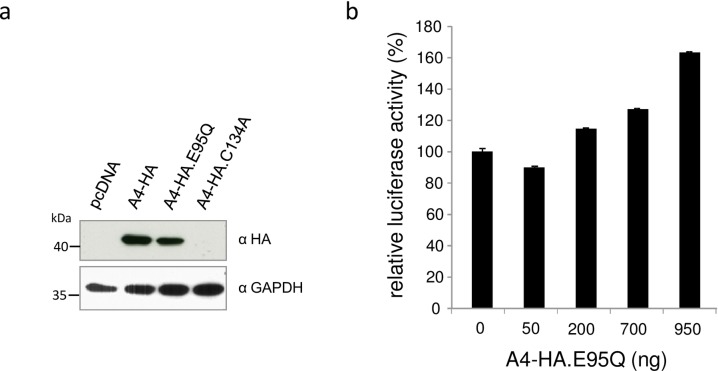
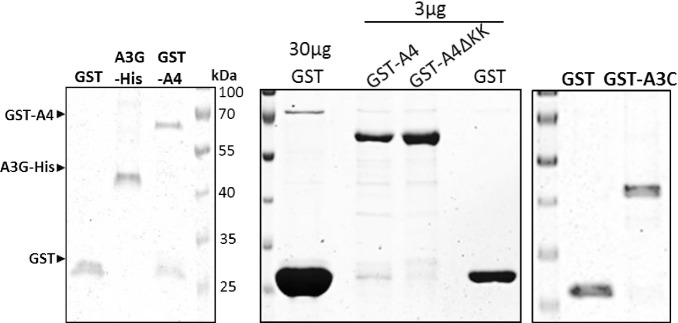
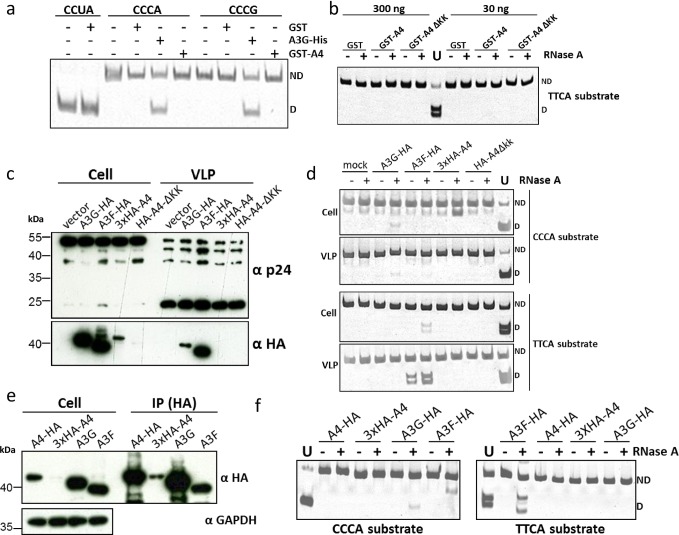
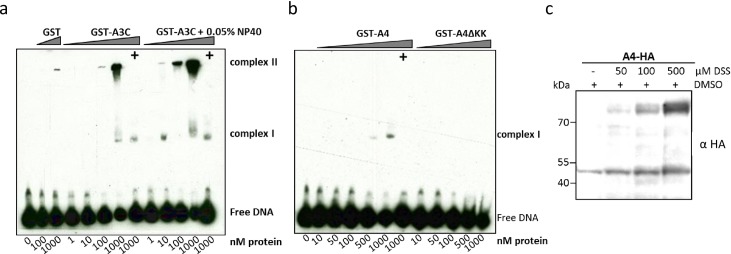
APOBEC4 (A4) is a member of the AID/APOBEC family of cytidine deaminases. In this study we found a high mRNA expression of A4 in human testis. In contrast, there were only low levels of A4 mRNA detectable in 293T, HeLa, Jurkat or A3.01 cells. Ectopic expression of A4 in HeLa cells resulted in mostly cytoplasmic localization of the protein. To test whether A4 has antiviral activity similar to that of proteins of the APOBEC3 (A3) subfamily, A4 was co-expressed in 293T cells with wild type HIV-1 and HIV-1 luciferase reporter viruses. We found that A4 did not inhibit the replication of HIV-1 but instead enhanced the production of HIV-1 in a dose-dependent manner and seemed to act on the viral LTR. A4 did not show detectable cytidine deamination activity in vitro and weakly interacted with single-stranded DNA. The presence of A4 in virus producer cells enhanced HIV-1 replication by transiently transfected A4 or stably expressed A4 in HIV-susceptible cells. APOBEC4 was capable of similarly enhancing transcription from a broad spectrum of promoters, regardless of whether they were viral or mammalian. We hypothesize that A4 may have a natural role in modulating host promoters or endogenous LTR promoters.
载脂蛋白B mRNA编辑酶催化多肽样蛋白4(APOBEC4,A4)是胞嘧啶脱氨酶AID/APOBEC家族的成员之一。在本研究中,我们发现A4在人类睾丸中mRNA表达水平较高。相比之下,在293T、HeLa、Jurkat或A3.01细胞中仅能检测到低水平的A4 mRNA。A4在HeLa细胞中的异位表达导致该蛋白主要定位于细胞质。为了检测A4是否具有与载脂蛋白B mRNA编辑酶催化多肽样蛋白3(APOBEC3,A3)亚家族蛋白类似的抗病毒活性,A4与野生型HIV-1和HIV-1荧光素酶报告病毒在293T细胞中共表达。我们发现A4并不抑制HIV-1的复制,反而以剂量依赖的方式增强HIV-1的产生,且似乎作用于病毒长末端重复序列(LTR)。A4在体外未表现出可检测到的胞嘧啶脱氨活性,并且与单链DNA的相互作用较弱。病毒产生细胞中A4的存在通过在HIV易感细胞中瞬时转染A4或稳定表达A4来增强HIV-1复制。无论启动子是病毒来源还是哺乳动物来源,APOBEC4都能够类似地增强广泛启动子的转录。我们推测A4可能在调节宿主启动子或内源性LTR启动子方面具有天然作用。