Rocha-Pereira Joana, Kolawole Abimbola O, Verbeken Eric, Wobus Christiane E, Neyts Johan
KU Leuven, University of Leuven, Department of Microbiology and Immunology, Rega Institute for Medical Research, Laboratory of Virology and Chemotherapy, Leuven, Belgium.
Department of Microbiology and Immunology, University of Michigan Medical School, Ann Arbor, MI, USA.
Antiviral Res. 2016 Aug;132:76-84. doi: 10.1016/j.antiviral.2016.05.022. Epub 2016 May 29.
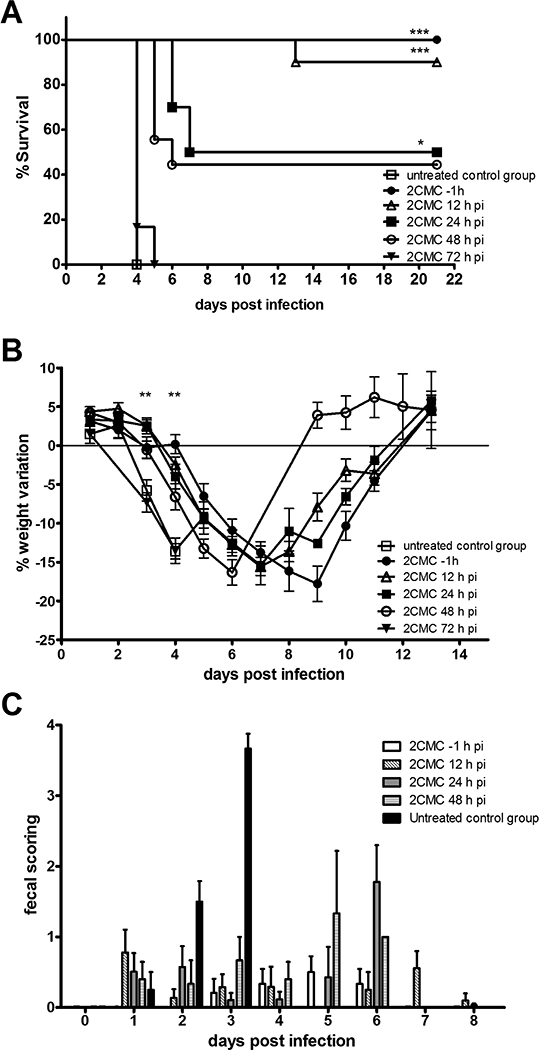
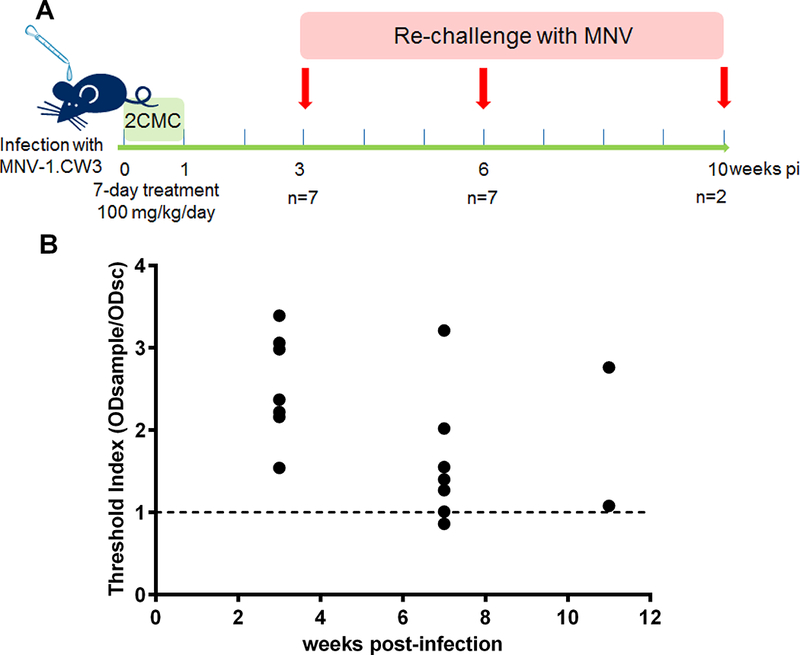
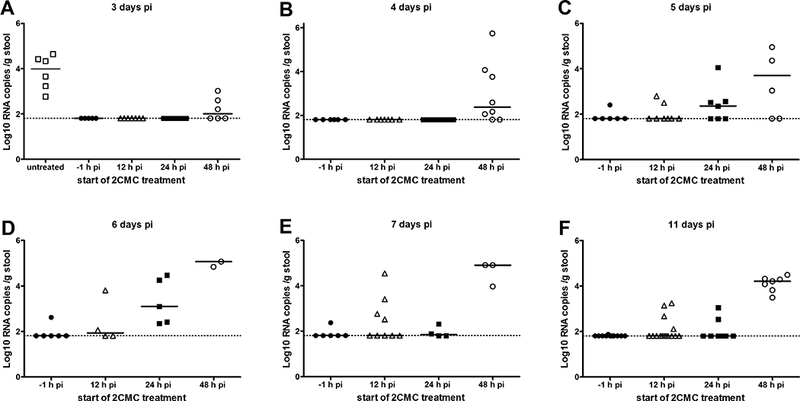
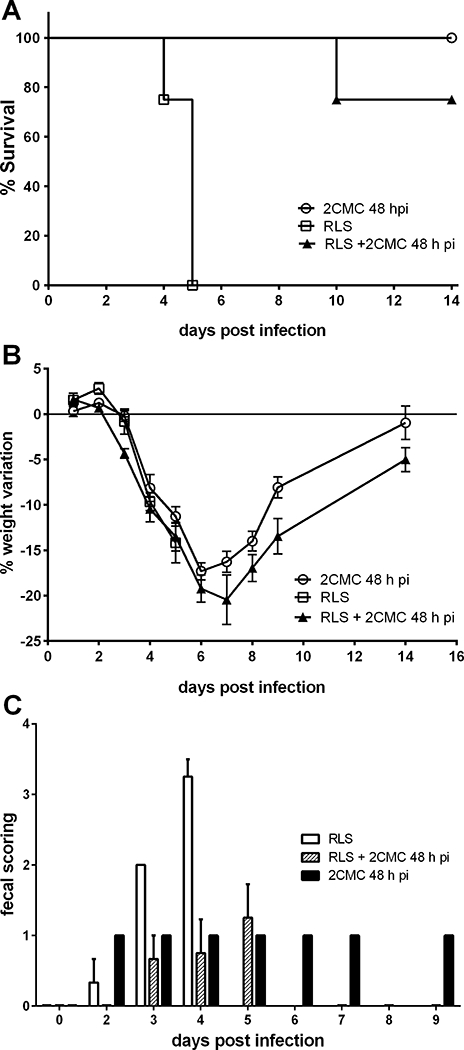
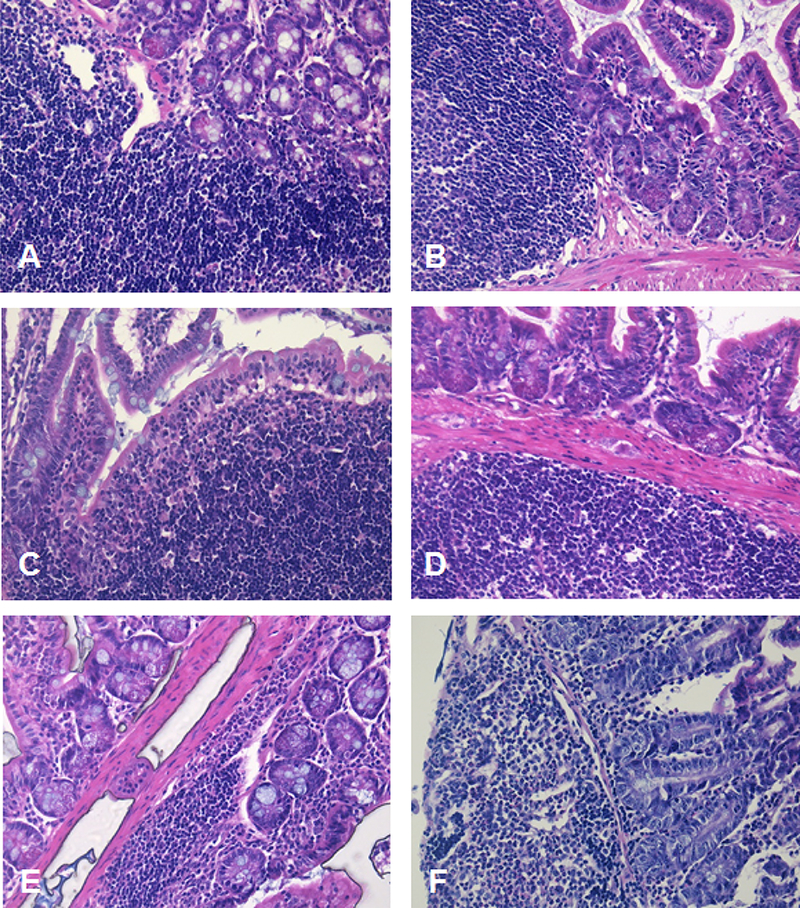
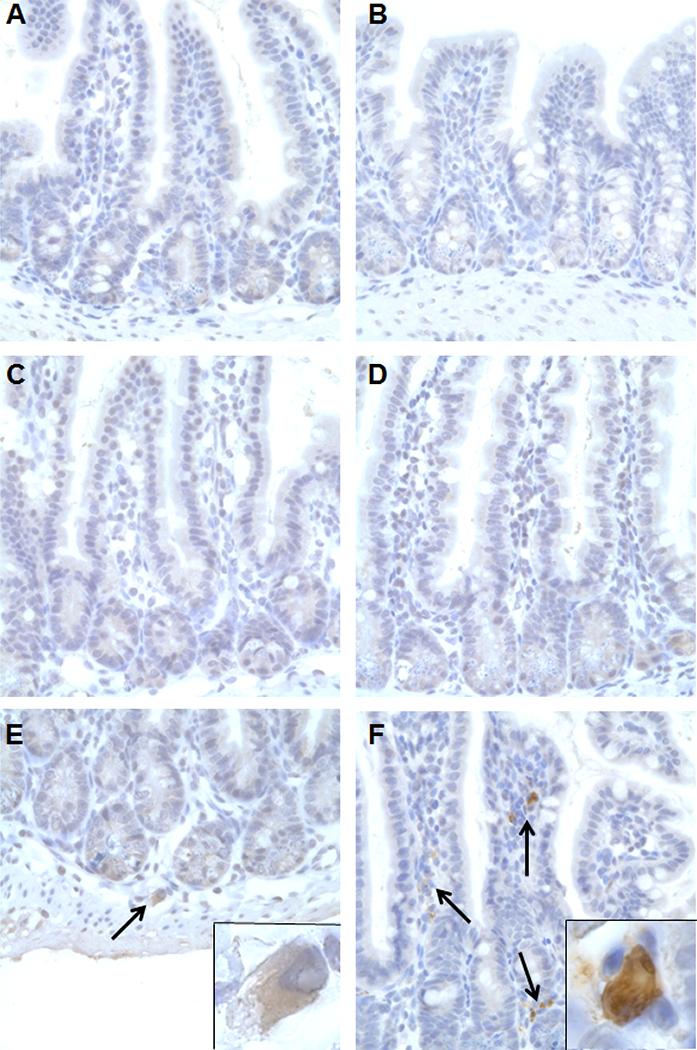
Noroviruses are a leading cause of gastroenteritis across the world in all age groups and are linked to increased hospitalization and mortality in children, the elderly and immunocompromised. The development of specific antiviral treatment for norovirus gastroenteritis is urgently needed. We explored in a mouse model whether an inhibitor of norovirus replication could be used therapeutically post murine norovirus (MNV)-infection of mice. Using the MNV, we previously discovered that the viral polymerase inhibitor 2'-C-methylcytidine (2CMC) is able to protect against diarrhea and mortality in mice when used prophylactically and to block the transmission of MNV between mice. Here, we investigated whether 2CMC could be used therapeutically, starting treatment between 12 h and 3 days post-infection with 2CMC. Post-exposure treatment of MNV-infected mice with 2CMC was efficient up to 2 days after infection, preventing norovirus-induced diarrhea, delaying and reducing MNV shedding in stool of treated mice. Rehydration of 2CMC-treated animals did not result in a further improvement of the disease evolution compared to antiviral treatment only. The presence of MNV antigens and inflammation in the small intestine of infected mice inversely correlated with the effectiveness of delayed antiviral treatment. Anti-MNV IgGs were detected in re-challenged mice 10 weeks after the first contact, these protected the mice from re-infection. We here demonstrate the benefit of antiviral treatment in ongoing norovirus infections.
诺如病毒是全球所有年龄组胃肠炎的主要病因,与儿童、老年人和免疫功能低下者住院率和死亡率增加有关。迫切需要开发针对诺如病毒胃肠炎的特异性抗病毒治疗方法。我们在小鼠模型中探讨了诺如病毒复制抑制剂是否可用于治疗小鼠感染鼠诺如病毒(MNV)后。利用MNV,我们先前发现病毒聚合酶抑制剂2'-C-甲基胞苷(2CMC)在预防性使用时能够预防小鼠腹泻和死亡,并阻断MNV在小鼠之间的传播。在此,我们研究了2CMC是否可用于治疗,在感染后12小时至3天之间开始用2CMC治疗。用2CMC对感染MNV的小鼠进行暴露后治疗在感染后2天内是有效的,可预防诺如病毒引起的腹泻,延迟并减少治疗小鼠粪便中的MNV脱落。与仅进行抗病毒治疗相比,对2CMC治疗的动物进行补液并没有使疾病进展得到进一步改善。感染小鼠小肠中MNV抗原的存在和炎症与延迟抗病毒治疗的有效性呈负相关。在首次接触后10周,在再次攻击的小鼠中检测到抗MNV IgG,这些抗体保护小鼠免受再次感染。我们在此证明了抗病毒治疗在正在进行的诺如病毒感染中的益处。