Gu Dan, Guo Min, Yang Minjun, Zhang Yuanxing, Zhou Xiaohui, Wang Qiyao
State Key Laboratory of Bioreactor Engineering, East China University of Science and Technology, Shanghai, China.
Shanghai-MOST Key Laboratory of Health and Disease Genomics, Chinese National Human Genome Center at Shanghai, Shanghai, China.
PLoS Pathog. 2016 Jun 2;12(6):e1005645. doi: 10.1371/journal.ppat.1005645. eCollection 2016 Jun.
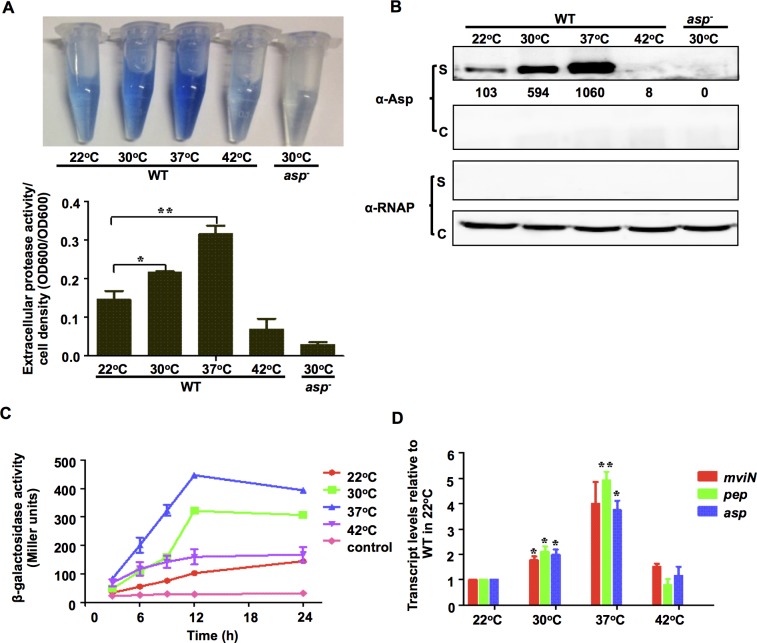
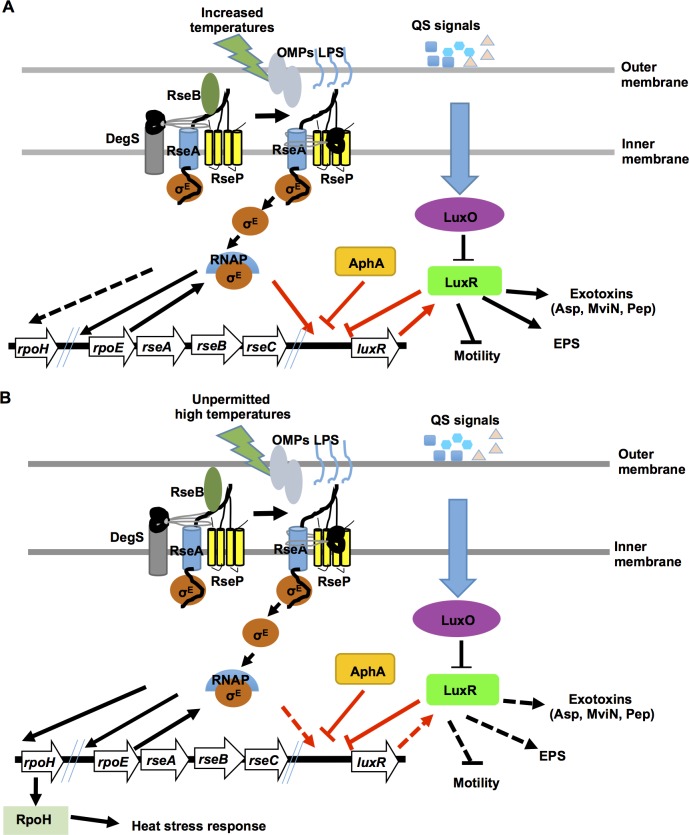
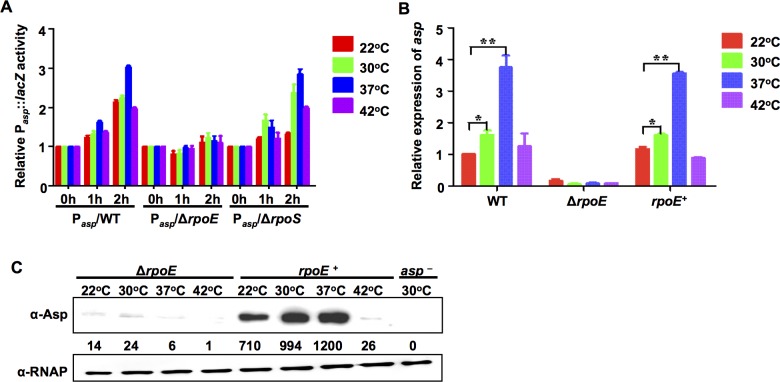
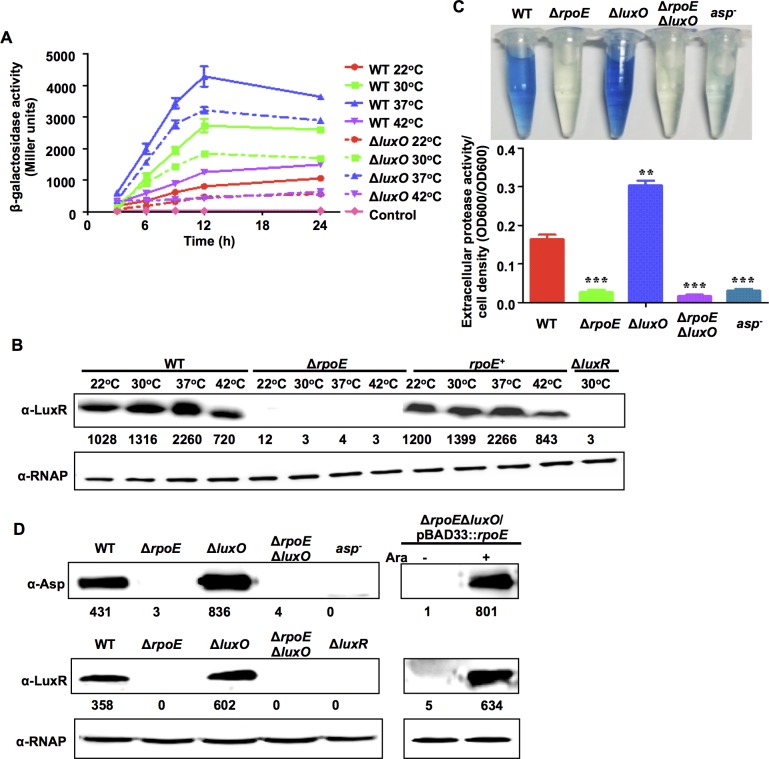
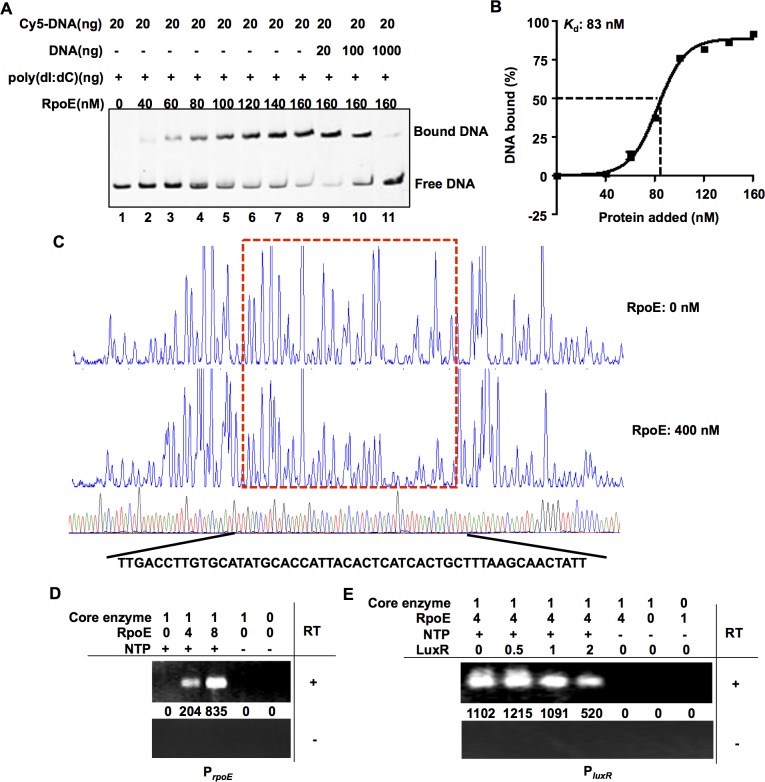
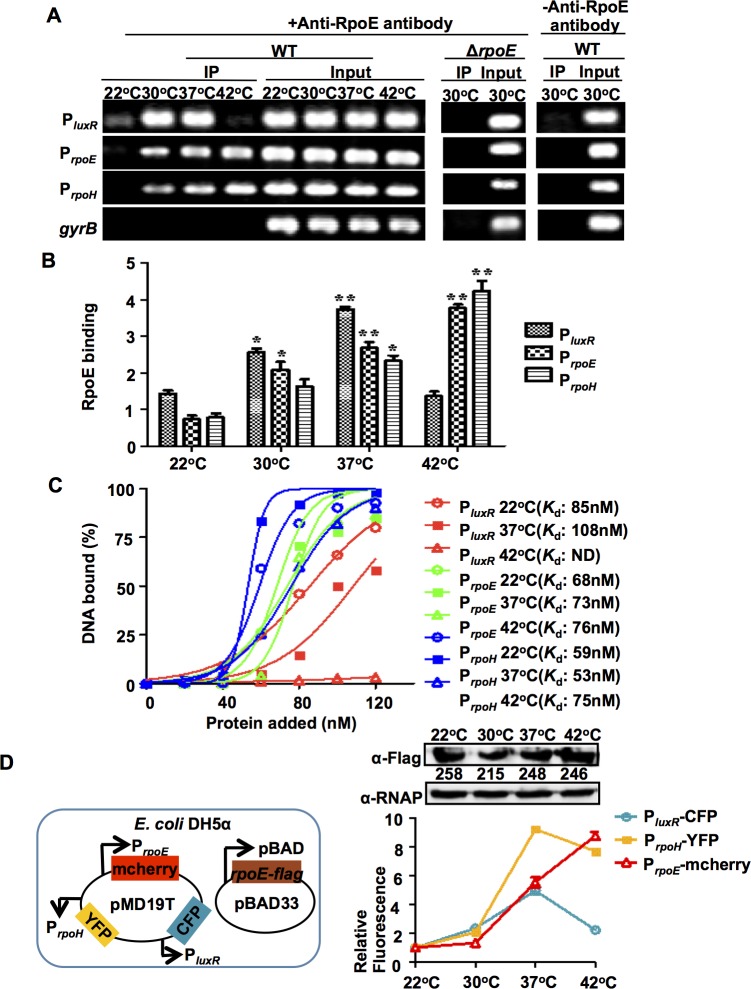
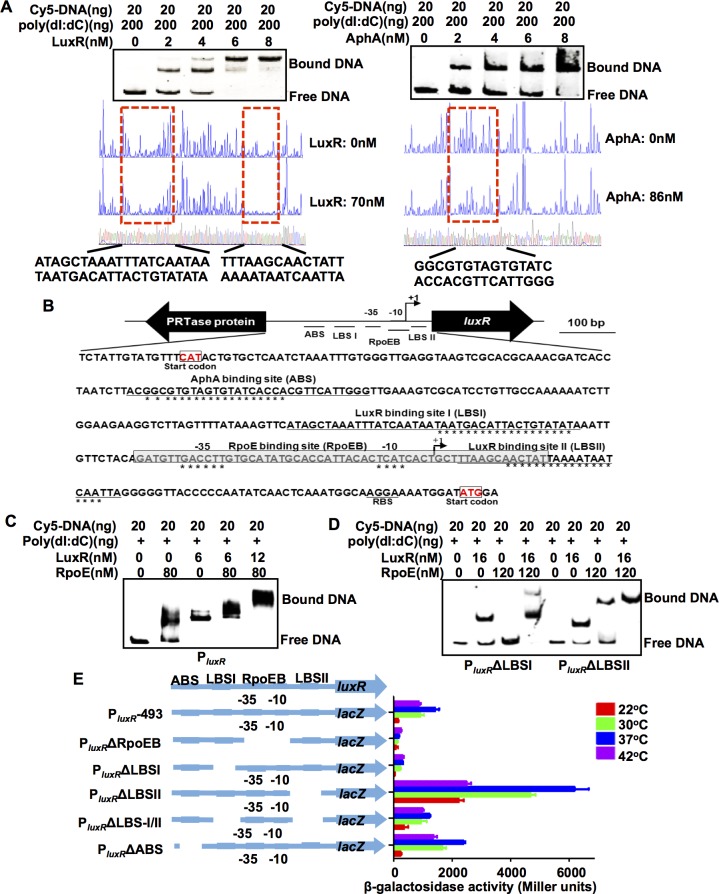
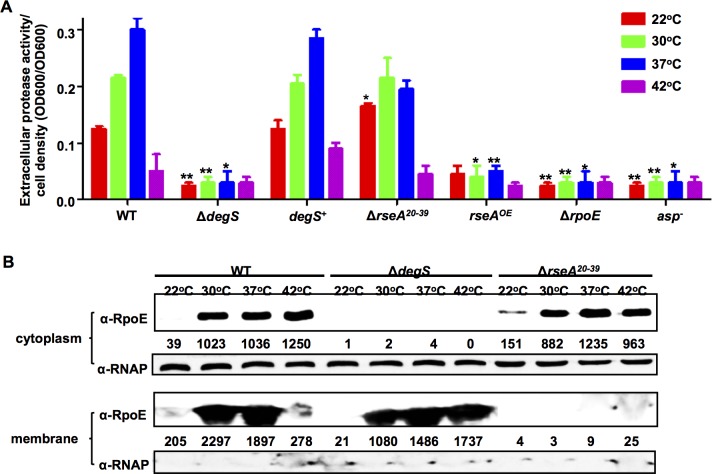
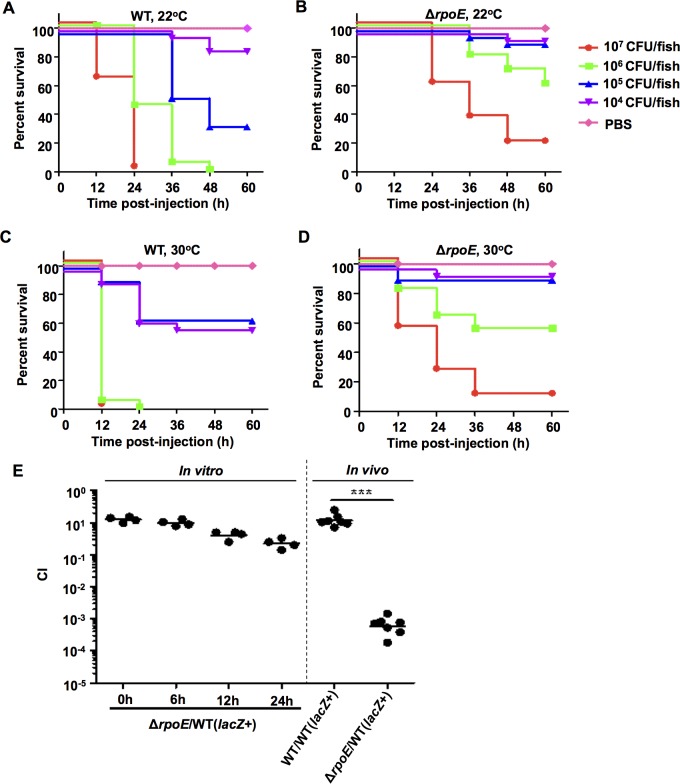
In vibrios, the expression of virulence factors is often controlled by LuxR, the master quorum-sensing regulator. Here, we investigate the interplay between LuxR and σE, an alternative sigma factor, during the control of virulence-related gene expression and adaptations to temperature elevations in the zoonotic pathogen Vibrio alginolyticus. An rpoE null V. alginolyticus mutant was unable to adapt to various stresses and was survival-deficient in fish. In wild type V. alginolyticus, the expression of LuxR-regulated virulence factors increased as the temperature was increased from 22°C to 37°C, but mutants lacking σE did not respond to temperature, indicating that σE is critical for the temperature-dependent upregulation of virulence genes. Further analyses revealed that σE binds directly to -10 and -35 elements in the luxR promoter that drive its transcription. ChIP assays showed that σE binds to the promoter regions of luxR, rpoH and rpoE at high temperatures (e.g., 30°C and 37°C). However, at higher temperatures (42°C) that induce thermal stress, σE binding to the luxR promoter decreased, while its binding to the rpoH and rpoE promoters was unchanged. Thus, the temperature-dependent binding of σE to distinct promoters appears to underlie a σE-controlled switch between the expression of virulence genes and adaptation to thermal stress. This study illustrates how a conserved temperature response mechanism integrates into quorum-sensing circuits to regulate both virulence and stress adaptation.
在弧菌中,毒力因子的表达通常受群体感应主调控因子LuxR的控制。在此,我们研究了在人畜共患病原体溶藻弧菌中,LuxR与替代σ因子σE在毒力相关基因表达控制及对温度升高的适应性过程中的相互作用。一个rpoE基因缺失的溶藻弧菌突变体无法适应各种应激,在鱼类中生存能力不足。在野生型溶藻弧菌中,随着温度从22°C升高到37°C,LuxR调控的毒力因子表达增加,但缺乏σE的突变体对温度无反应,这表明σE对于毒力基因的温度依赖性上调至关重要。进一步分析表明,σE直接结合到luxR启动子中驱动其转录的-10和-35元件上。染色质免疫沉淀实验表明,在高温(如30°C和37°C)下,σE结合到luxR、rpoH和rpoE的启动子区域。然而,在诱导热应激的更高温度(42°C)下,σE与luxR启动子的结合减少,而其与rpoH和rpoE启动子的结合不变。因此,σE与不同启动子的温度依赖性结合似乎是毒力基因表达与热应激适应之间σE控制开关的基础。这项研究说明了一种保守的温度反应机制如何整合到群体感应回路中,以调节毒力和应激适应。