Ryšánek David, Holzinger Andreas, Škaloud Pavel
Charles University in Prague, Faculty of Science, Department of Botany, Benátská 2, 12801, Prague 2, Czech Republic.
University of Innsbruck, Institute of Botany, Functional Plant Biology, Sternwartestraβe 15, A-6020 Innsbruck, Austria.
Phycologia. 2016;55(4):347-358. doi: 10.2216/15-110.1. Epub 2016 May 27.
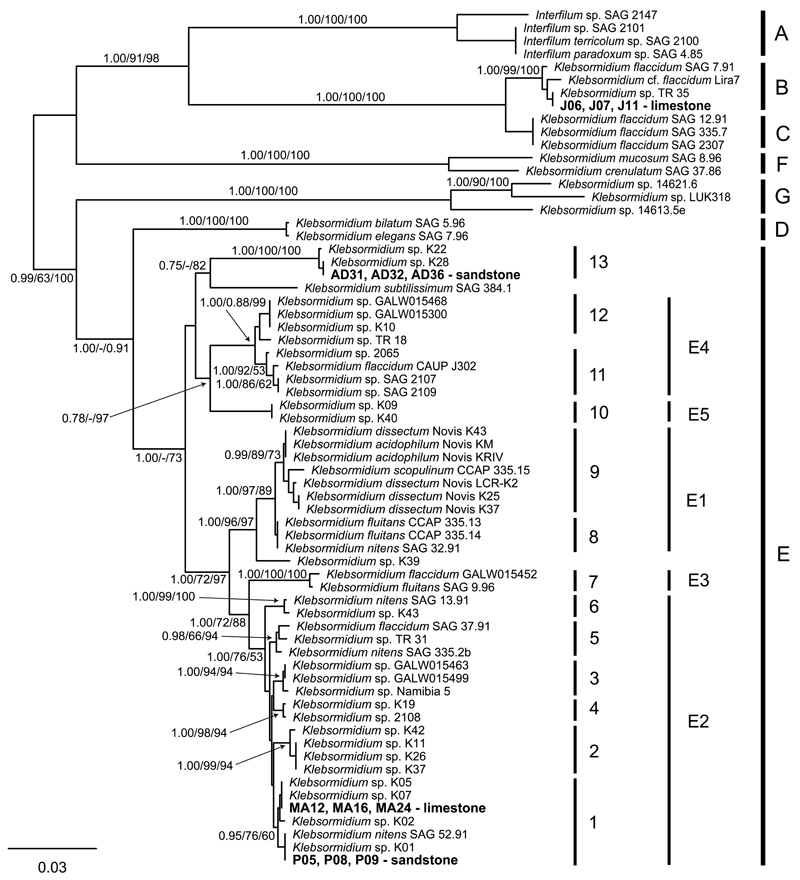
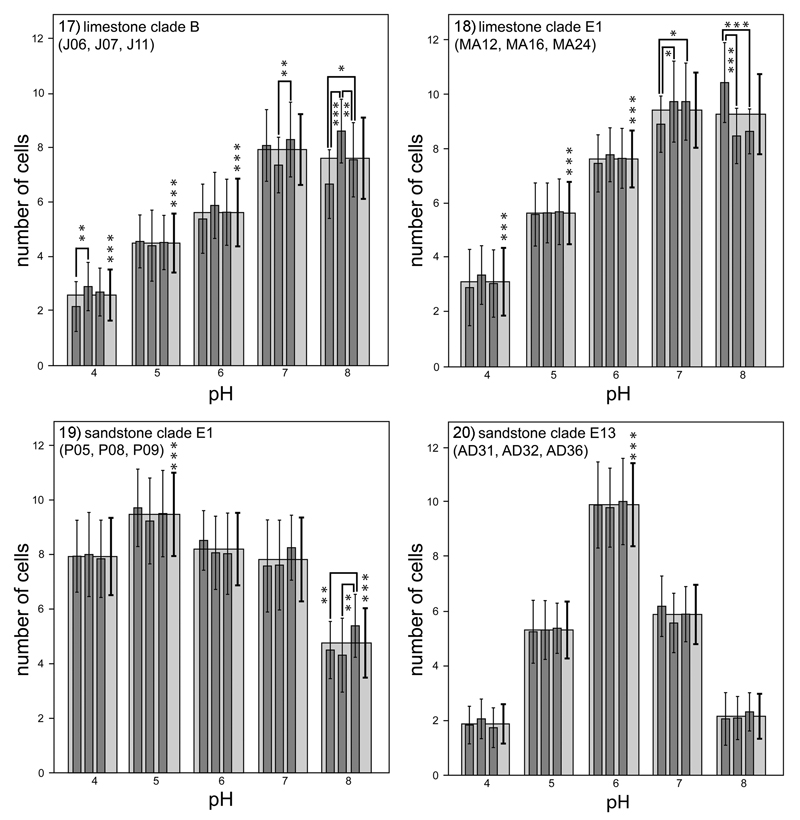
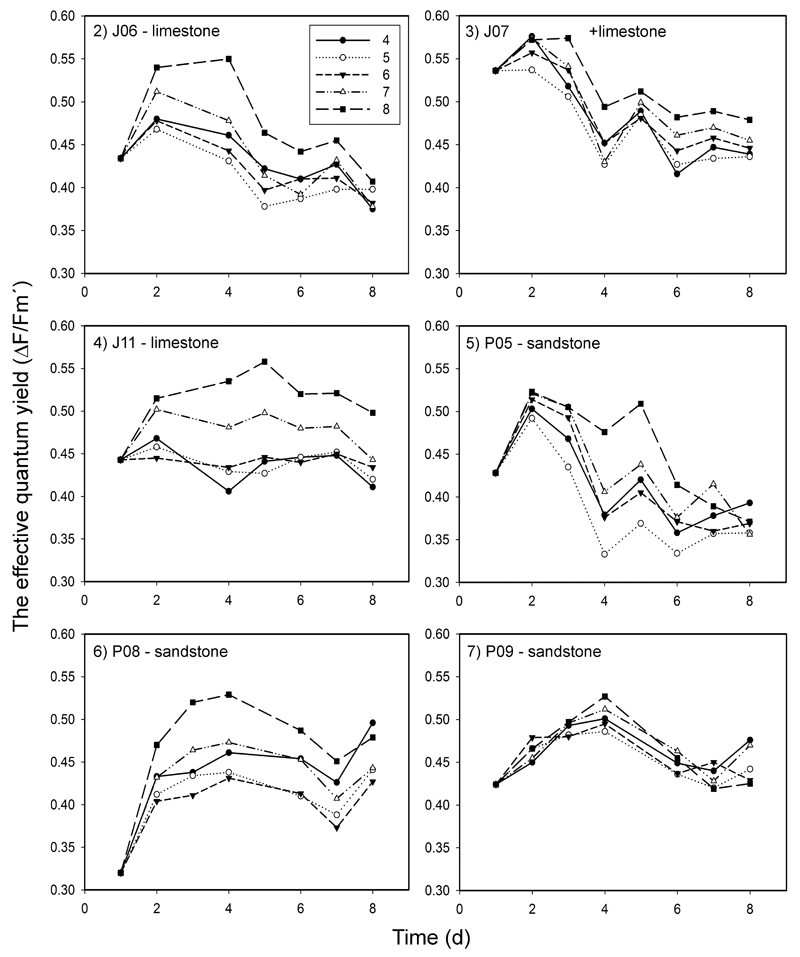
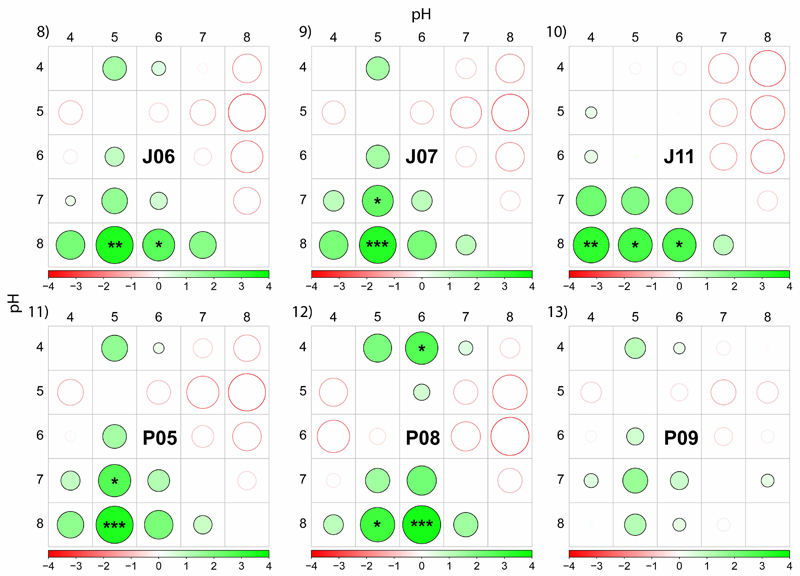
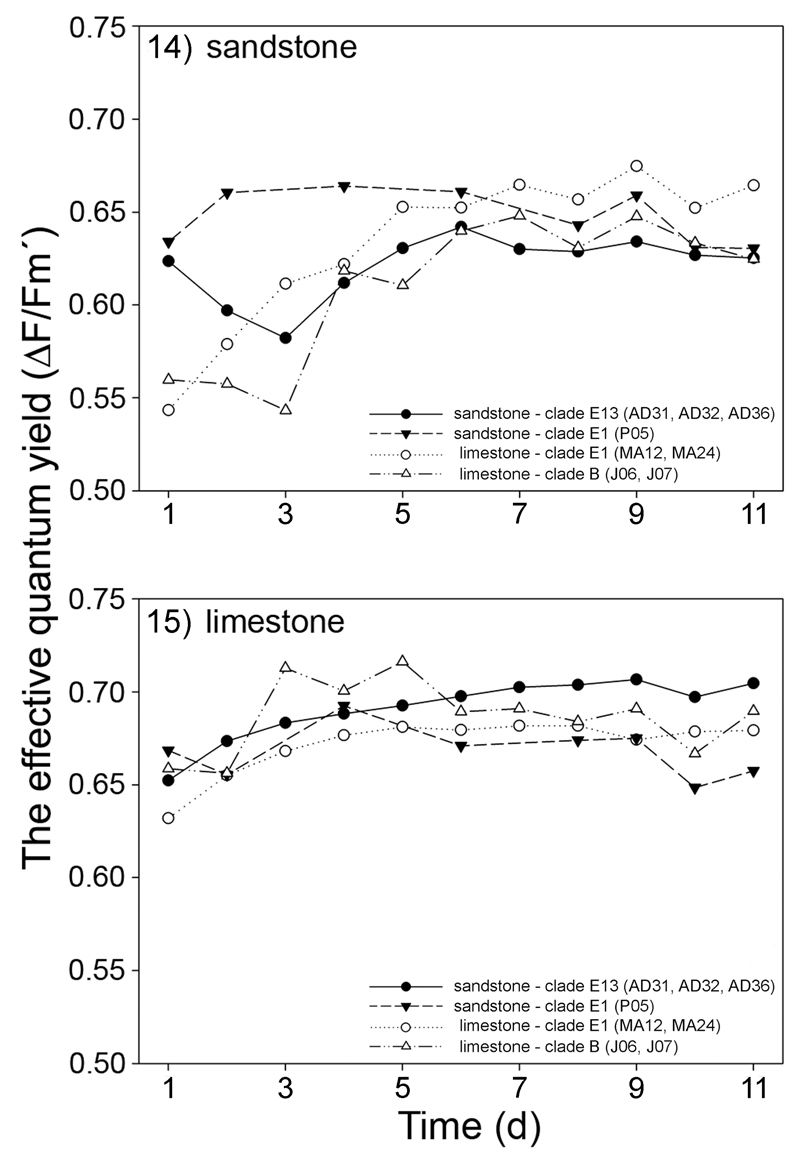
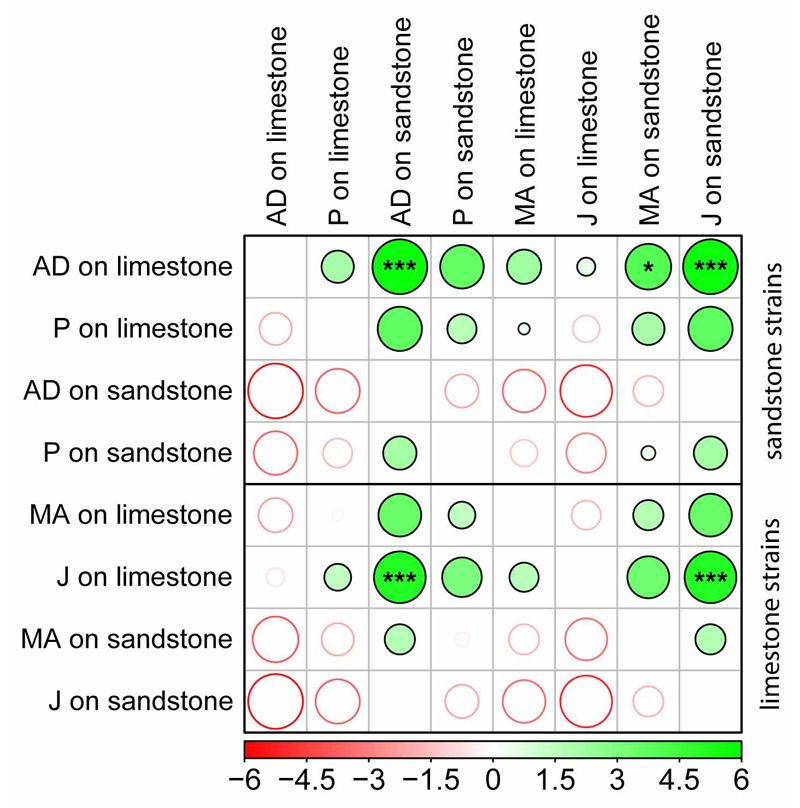
Our knowledge of the processes involved in speciation of microalgae remains highly limited. In the present study, we investigated a potential role of ecological speciation processes in diversification of the filamentous green alga . We examined 12 strains representing four different genotypes. The strains were collected from sandstone and limestone rocks and were cultivated at five different pH levels ranging from pH 4 to pH 8. We determined the responses of the 12 strains to the experimental pH conditions by (1) measuring the effective quantum yield of photosystem II, and (2) determining the growth rates after cultivation at different pH levels. Strong differences were found between the results obtained by these two methods. Direct counting of cells revealed a strong ecological differentiation of strains of isolated from different substrate types. Strains isolated from limestone showed the highest growth rates at higher pH levels; whereas, the strains isolated from sandstone exhibited two distinct growth responses with optima at pH 5 and 6, respectively. In contrast, the effective quantum yield of photosystem II was always down-regulated at lower pH values, probably due to dissolved inorganic carbon limitation. In general, we determined distinct ecophysiological differentiation among distantly and closely related lineages, thereby corroborating our hypothesis that the sympatric speciation of terrestrial algae is driven by ecological divergence. We clearly showed that pH is a critical ecological factor that influences the diversity of autotrophic protists in terrestrial habitats.
我们对微藻物种形成过程的了解仍然非常有限。在本研究中,我们调查了生态物种形成过程在丝状绿藻多样化中的潜在作用。我们检查了代表四种不同基因型的12个菌株。这些菌株是从砂岩和石灰岩中采集的,并在pH值从4到8的五个不同水平下培养。我们通过以下方法确定了这12个菌株对实验pH条件的反应:(1)测量光系统II的有效量子产率,以及(2)确定在不同pH水平下培养后的生长速率。通过这两种方法获得的结果之间存在很大差异。细胞的直接计数显示,从不同底物类型分离的菌株具有很强的生态分化。从石灰岩中分离的菌株在较高pH水平下显示出最高的生长速率;而从砂岩中分离的菌株表现出两种不同的生长反应,最佳生长pH值分别为5和6。相比之下,光系统II的有效量子产率在较低pH值时总是下调,这可能是由于溶解无机碳限制。总体而言,我们确定了远缘和近缘谱系之间明显的生态生理分化,从而证实了我们的假设,即陆地藻类的同域物种形成是由生态分化驱动的。我们清楚地表明,pH是影响陆地生境中自养原生生物多样性的关键生态因素。