Tan Rhea Yan Ying, Markus Hugh Stephen
Stroke Research Group, Department of Clinical Neurosciences, University of Cambridge, Cambridge, United Kingdom.
PLoS One. 2016 Jun 16;11(6):e0157613. doi: 10.1371/journal.pone.0157613. eCollection 2016.
Migraine is common in Cerebral Autosomal Dominant Arteriopathy with Subcortical Infarcts and Leukoencephalopathy (CADASIL) but its treatment responses are not well described, and its relationship to stroke risk unknown. Encephalopathy is a less common presentation; it has been suggested it is related to migraine. We characterised migraine patterns and treatment responses in CADASIL, and examined associations between migraine and both stroke risk and encephalopathy.
300 symptomatic CADASIL patients were prospectively recruited from a national referral clinic over a nineteen year period, from 1996 to 2015. Data was collected using a standardised questionnaire. Migraine was classified according to the International Classification of Headache Disorders, 3rd edition (beta version). A cross-sectional analysis was carried out on the data collected.
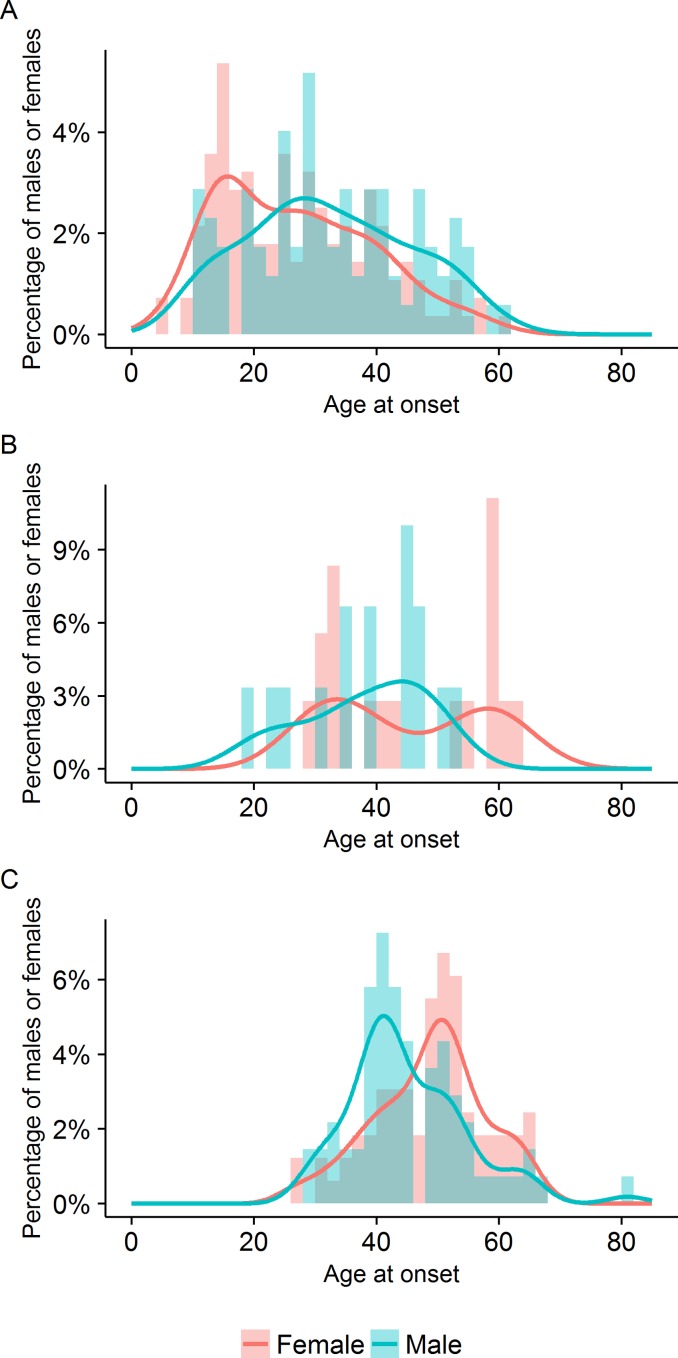
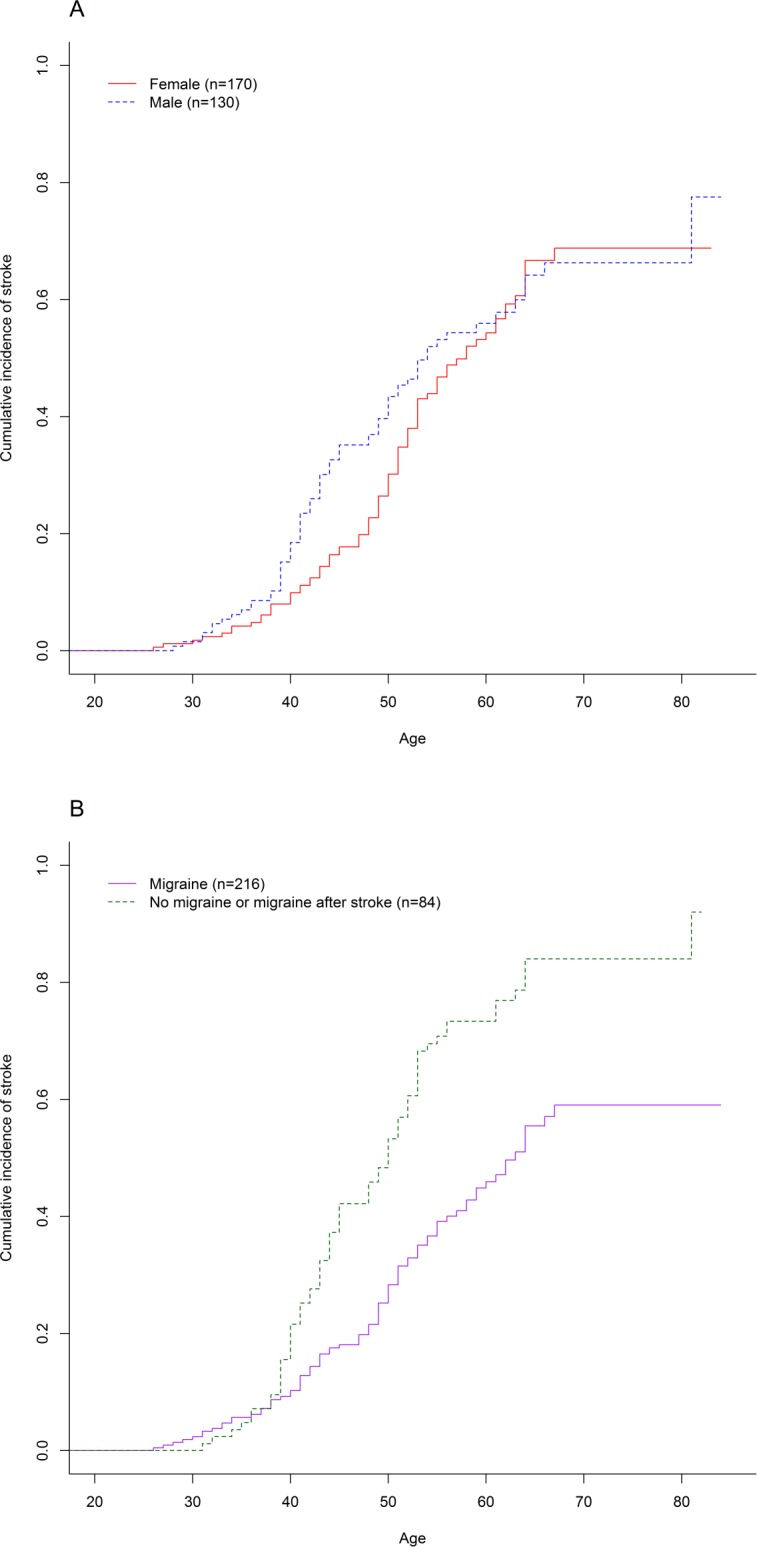
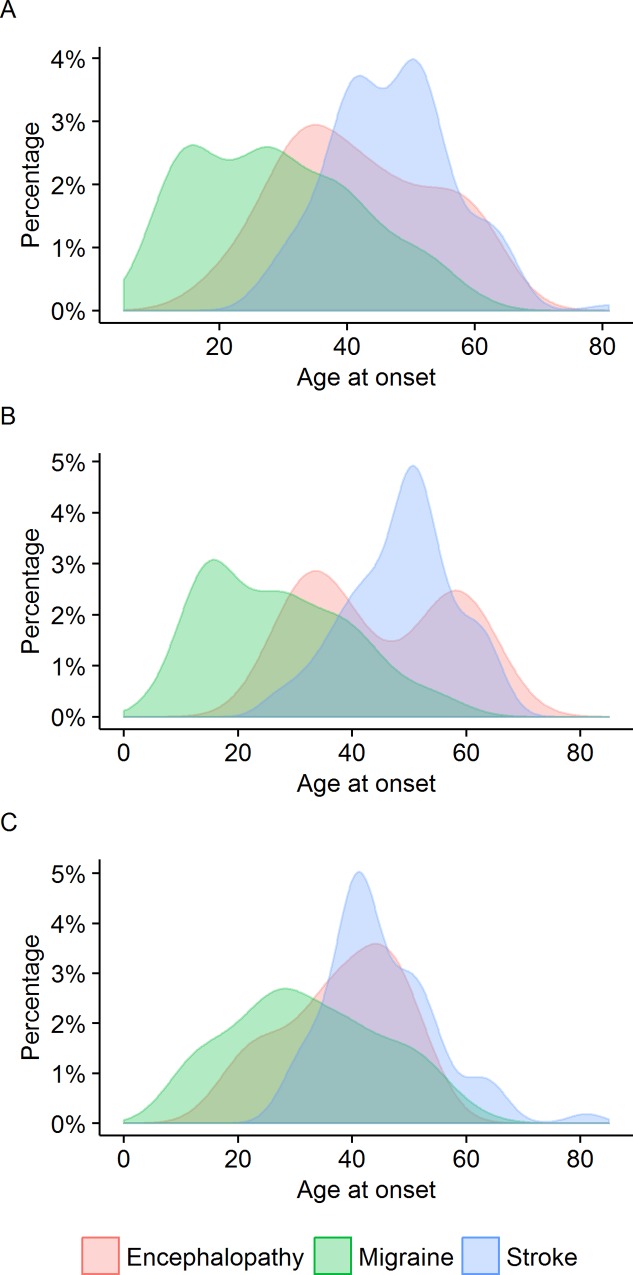
Migraine was present in 226 (75.3%), and the presenting feature in 203 (67.7%). It was usually accompanied by aura (89.8%). Patients showed variable responses to a variety of drugs for migraine. Of 24 given triptans, 45.5% had consistent or partial responses. None had complications following triptans. Thirty-three (11.0%) patients experienced encephalopathy lasting on average 8.1 ± 3.4 days. Patients with migraine with aura had higher odds of encephalopathy (OR = 5.4; 95%CI 1.6-28.4; p = 0.002). Patients with confusional aura had higher odds of encephalopathy than those with other aura types (OR = 2.5, 95%CI = 1.0-5.8, p = 0.04). There was also no increase in risk of encephalopathy with sex or age at onset of migraine. Migraineurs had a lower stroke risk than non-migraineurs (HR = 0.46, 95%CI 0.3-0.6, p = 2.1x10⁻⁶).
Migraine with aura is a prominent feature of CADASIL. Treatment responses are similar to those seen in the general migraine population and no complications were observed with triptans. Migraine with aura was associated with increased risk of encephalopathy suggesting they may share pathophysiological mechanisms. There was no increased stroke risk associated with migraine, but risk appeared to be reduced although this finding needs confirming.
偏头痛在伴有皮质下梗死和白质脑病的常染色体显性遗传性脑动脉病(CADASIL)中很常见,但其治疗反应描述不佳,与中风风险的关系也未知。脑病是一种较不常见的表现;有人认为它与偏头痛有关。我们对CADASIL中的偏头痛模式和治疗反应进行了特征描述,并研究了偏头痛与中风风险和脑病之间的关联。
在1996年至2015年的19年期间,从一家全国转诊诊所前瞻性招募了300名有症状的CADASIL患者。使用标准化问卷收集数据。偏头痛根据《国际头痛疾病分类》第3版(β版)进行分类。对收集到的数据进行横断面分析。
226名(75.3%)患者存在偏头痛,其中203名(67.7%)以偏头痛为首发症状。偏头痛通常伴有先兆(89.8%)。患者对多种偏头痛药物的反应各不相同。在24名使用曲坦类药物的患者中,45.5%有持续或部分反应。使用曲坦类药物后均无并发症。33名(11.0%)患者经历了脑病,平均持续8.1±3.4天。有先兆偏头痛的患者发生脑病的几率更高(OR = 5.4;95%CI 1.6 - 28.4;p = 0.002)。有混乱性先兆的患者发生脑病的几率高于其他先兆类型的患者(OR = 2.5,95%CI = 1.0 - 5.8,p = 0.04)。偏头痛发作时的性别或年龄与脑病风险增加也无关。偏头痛患者的中风风险低于非偏头痛患者(HR = 0.46,95%CI 0.3 - 0.6,p = 2.1x10 - 6)。
有先兆偏头痛是CADASIL的一个突出特征。治疗反应与普通偏头痛人群相似,使用曲坦类药物未观察到并发症。有先兆偏头痛与脑病风险增加有关,提示它们可能共享病理生理机制。偏头痛与中风风险增加无关,但风险似乎降低了,不过这一发现需要进一步证实。